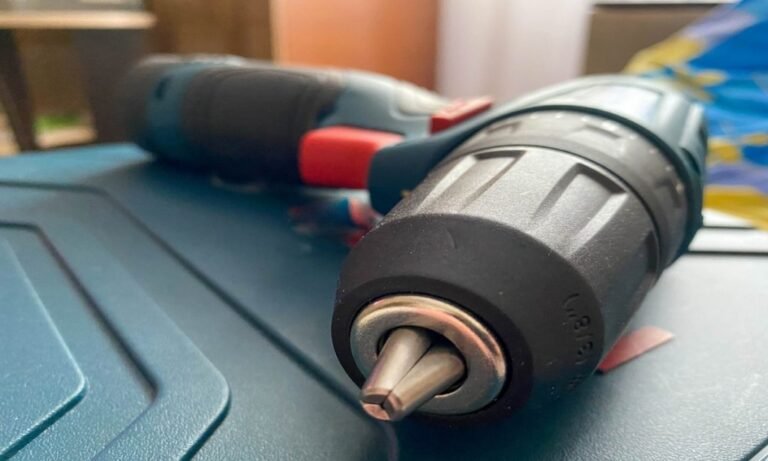
A stubby screwdriver fits tight spaces better, while a regular screwdriver gives more reach and control.
If you have ever tried to loosen a screw under a sink, inside a cabinet, or near a wall, you already know this tool choice matters. I have used both styles on home repairs, furniture builds, and small appliance fixes, and the difference is bigger than most people expect. In this guide on stubby screwdriver vs regular screwdriver, I’ll break down how each one works, where each shines, and how to choose the right one for the job.
What a stubby screwdriver is
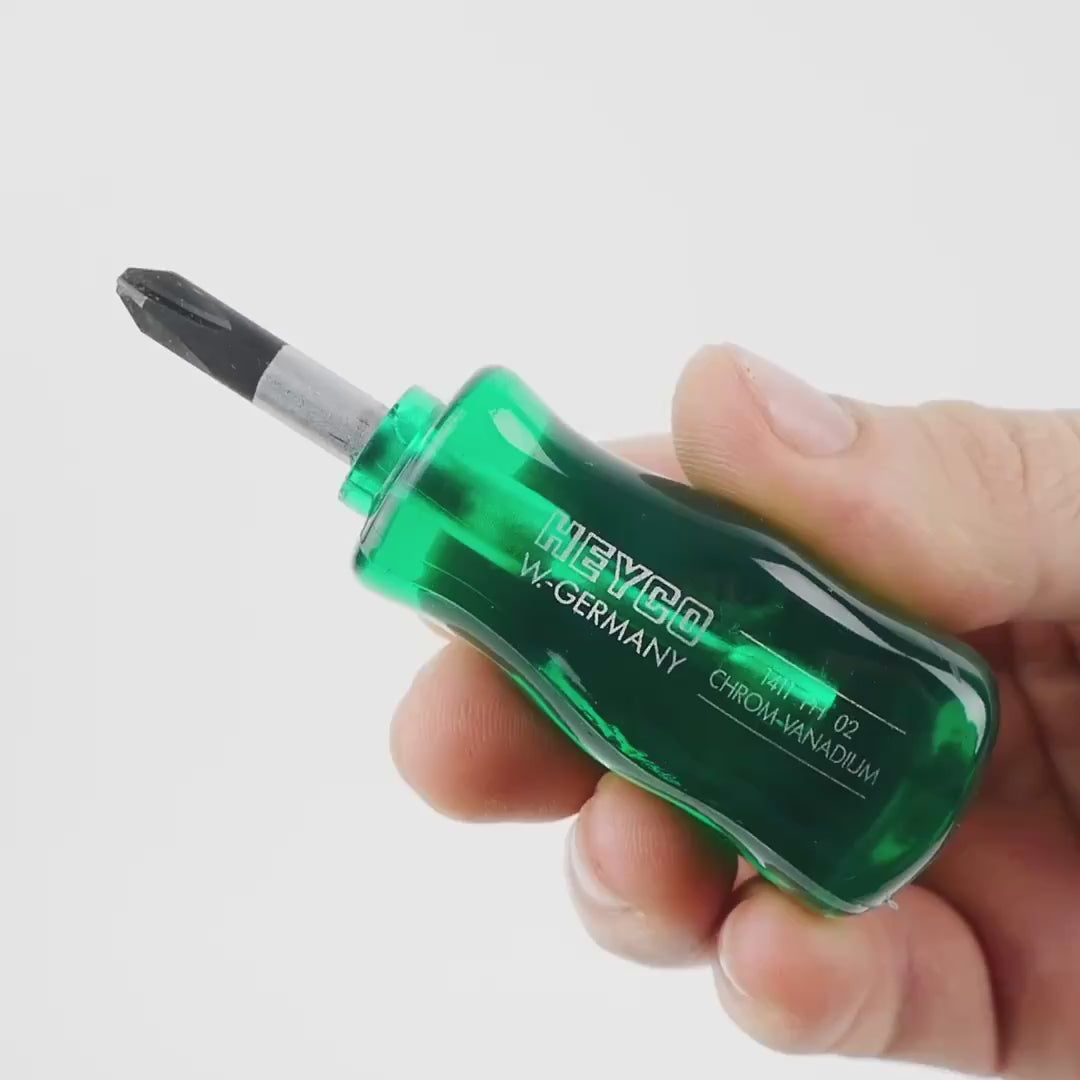
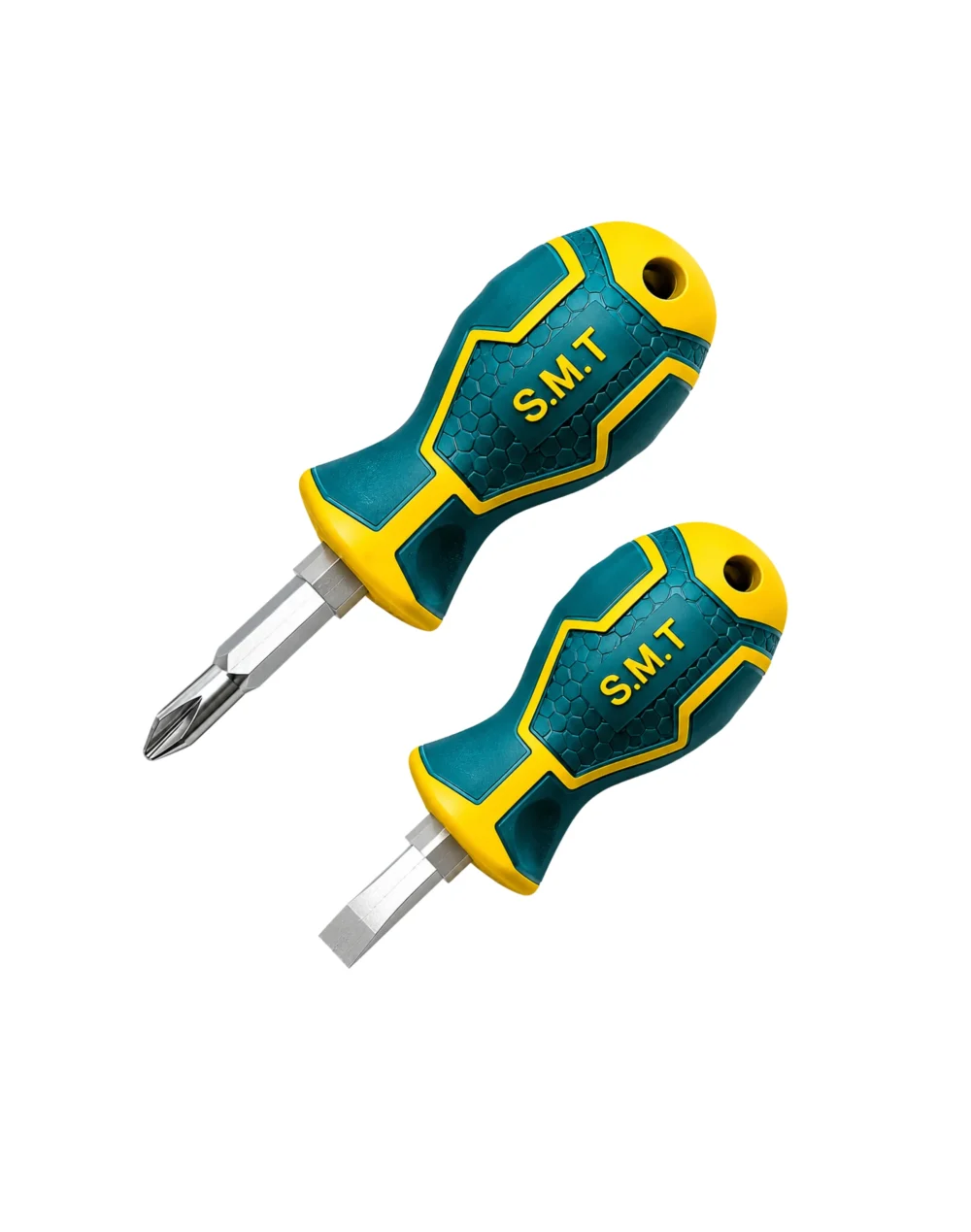
A stubby screwdriver is a short screwdriver with a compact handle and a much shorter shaft than a standard tool. Its main job is simple: help you reach screws in cramped spots where a regular screwdriver is too long or too awkward.
This tool is common in toolboxes for electricians, plumbers, mechanics, and DIY homeowners. It is often used for cabinet hinges, outlet covers, appliance panels, battery compartments, and tight corners. In the stubby screwdriver vs regular screwdriver debate, this is the tool that wins on access, not reach.
A stubby screwdriver can come in flathead, Phillips, Torx, or multi-bit versions. Some even have magnetic tips, which makes tiny screws easier to hold in place. In my own repairs, a stubby driver has saved me from removing extra parts just to reach one stubborn screw.
What a regular screwdriver is
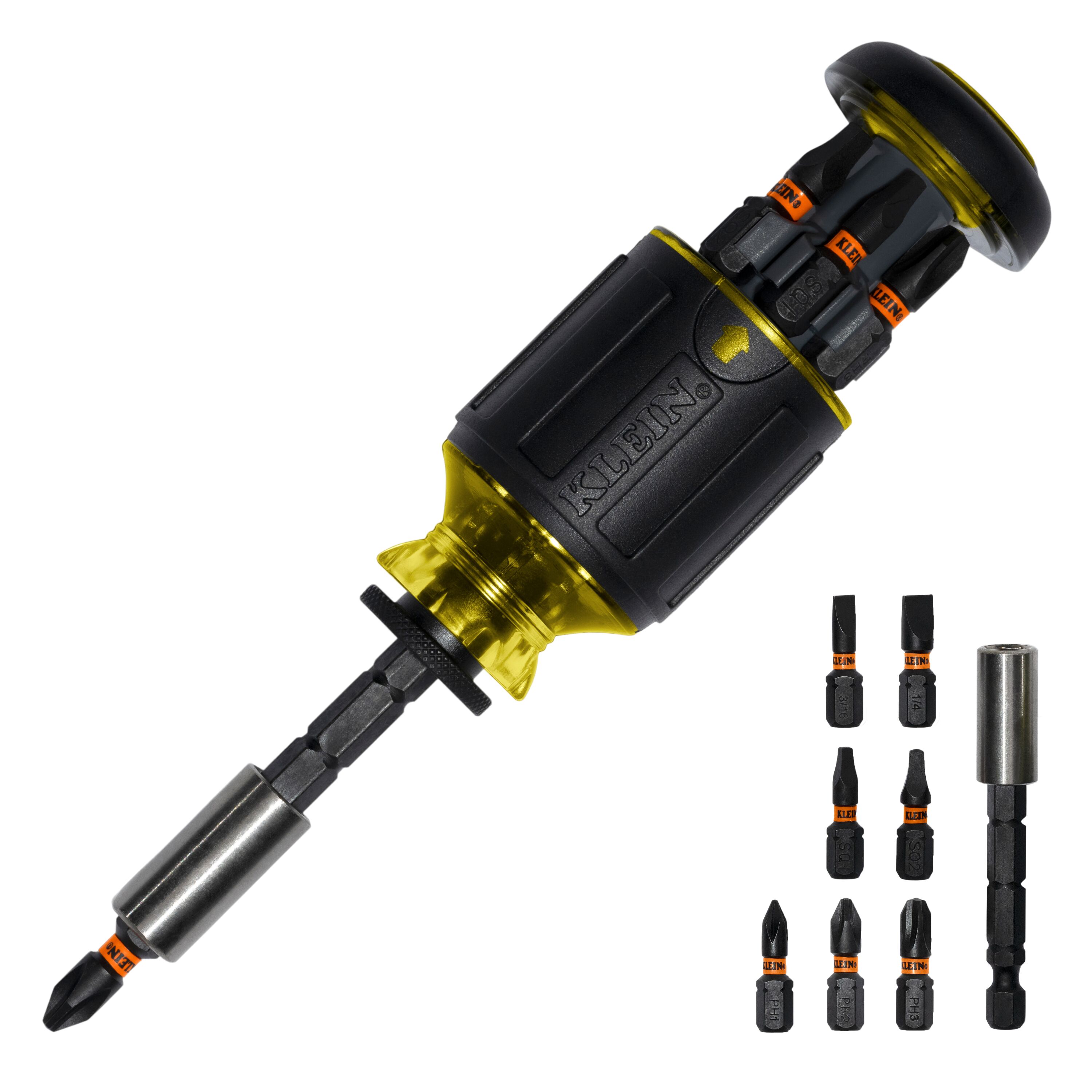
A regular screwdriver is the standard full-length hand tool most people know. It has a longer shaft, a larger grip, and better leverage for everyday fastening jobs.
This type is easier to use for deeper screws, general assembly, and tasks that need steady torque. If you are building furniture, opening a device with accessible screws, or doing basic household repairs, a regular screwdriver is usually the better fit. In the stubby screwdriver vs regular screwdriver comparison, this is the more versatile all-around option.
Most tool sets include regular Phillips and flathead drivers first because they handle so many common jobs. They also tend to feel more comfortable during long tasks because the longer handle gives your hand more room to work. That extra length can make a big difference when you are turning many screws in a row.

Stubby screwdriver vs regular screwdriver: the core difference
The biggest difference is length, and that affects reach, leverage, and comfort. A stubby screwdriver is built for tight access. A regular screwdriver is built for general use and better turning force.
Here is the simple breakdown:
- Stubby screwdriver: Best for tight spaces, shallow access, and quick fixes.
- Regular screwdriver: Best for deeper screws, longer jobs, and stronger grip control.
- Stubby screwdriver: Easier to fit into cramped areas.
- Regular screwdriver: Easier to apply torque and maintain control.
When I first started doing small repairs, I often tried to force a regular screwdriver into tight corners. That usually led to scraped knuckles, slipped tips, or a stripped screw. Once I started using the right tool for the space, the job got faster and cleaner.

When to use a stubby screwdriver
A stubby screwdriver is the better choice when space is limited. It shines in places where your hand, the handle, and the shaft would otherwise hit nearby surfaces.
Use a stubby screwdriver for:
- Tight cabinet corners
- Electrical outlet plates
- Battery compartments
- Small appliances
- Air vents and narrow panels
- Car interior fasteners
- Jobs near walls or pipes
A stubby tool is also useful when you need a fast, one-screw fix and do not want to pull out a larger driver. I keep one near my kitchen repairs because cabinet hinges and appliance covers often leave very little room to work. It is like using a short spoon in a small jar; the shorter tool simply fits better.
When to use a regular screwdriver
A regular screwdriver is the better choice when you have room to work and want better leverage. The longer shaft gives you more control over the screw and often reduces hand strain.
Use a regular screwdriver for:
- Furniture assembly
- Wall plates with open access
- Long screws
- Repeated fastening tasks
- Jobs that need more torque
- General home and workshop work
I reach for a regular screwdriver most often because it handles more tasks well. If I only had one screwdriver in a basic kit, it would usually be a regular Phillips or multi-bit driver. In the stubby screwdriver vs regular screwdriver decision, this is the safer all-purpose pick for most people.

Pros and cons of a stubby screwdriver
A stubby screwdriver has clear strengths, but it is not perfect for every job.
Pros:
- Fits in tight spaces
- Easy to store
- Good for quick access
- Helpful for low-clearance tasks
- Often simple and inexpensive
Cons:
- Less leverage
- Harder to use for deep screws
- Can feel less comfortable for long tasks
- Not ideal for high-torque jobs
The main limitation is leverage. Because the handle and shaft are shorter, you may need more hand effort for stubborn screws. That is why I treat a stubby screwdriver as a specialist tool, not my main driver.
Pros and cons of a regular screwdriver
A regular screwdriver is more flexible, but it can fail in cramped spaces.
Pros:
- Better leverage
- More comfortable for longer use
- Good for most common jobs
- Easier to control on deeper screws
- Available in many tip types and sizes
Cons:
- Too long for tight spaces
- Can be awkward in deep corners
- May require extra clearance
- Harder to use when nearby parts block movement
In real life, the biggest downside I have seen is clearance. If the handle hits a cabinet door or a pipe before the screw turns, the tool becomes frustrating fast. That is where the stubby screwdriver wins the day.
Stubby screwdriver vs regular screwdriver for home use
For home use, both tools matter, but they solve different problems. A regular screwdriver will handle most simple repairs and furniture tasks. A stubby screwdriver steps in when your home throws you a tight-space puzzle.
Good home uses for a stubby screwdriver include:
- Replacing outlet covers
- Tightening loose hinge screws
- Opening battery compartments
- Removing appliance covers
- Fixing drawer hardware in cramped corners
Good home uses for a regular screwdriver include:
- Hanging hardware
- Assembling furniture
- Tightening accessible screws
- Basic maintenance around the house
- Everyday repair work
If you are building a starter toolbox, I would suggest buying a regular screwdriver first, then adding a stubby screwdriver next. That combination covers a huge range of common household problems.
Stubby screwdriver vs regular screwdriver for professional work
In trade work, the choice often depends on the environment. Electricians, HVAC techs, mechanics, and appliance repair workers often carry both because each one solves different access problems.
A stubby screwdriver is useful when:
- Panels sit close to walls
- Screws are near wiring or fittings
- Fast access matters more than torque
- Space is too narrow for a full-length handle
A regular screwdriver is useful when:
- Screws are deeper inside an assembly
- More turning power is needed
- The job involves repeated fastening
- Better grip comfort matters over time
I have seen pros keep a stubby driver clipped in a pocket or pouch because it saves time on small access jobs. That small tool can prevent a lot of unnecessary disassembly, and that means faster work and less risk of damage.
How to choose the right screwdriver
Choosing between stubby screwdriver vs regular screwdriver comes down to the space, screw type, and task length. The best tool is the one that lets you work cleanly without fighting the job.
Ask yourself these questions:
- Is the screw in a tight space?
- Do I need strong leverage?
- Will I be turning many screws?
- Is the screw deep or shallow?
- Does the nearby area block a longer handle?
A simple rule works well:
- Choose a stubby screwdriver for cramped access.
- Choose a regular screwdriver for most everyday jobs.
- Keep both if you want a complete, practical kit.
One mistake I made early on was forcing the wrong tool because I did not want to “stop and switch.” That usually cost me more time. The right driver almost always pays for itself in speed, safety, and less frustration.

Common mistakes to avoid
Even a simple hand tool can cause problems when used the wrong way. A few small mistakes can strip screws, damage surfaces, or make the work harder than it should be.
Avoid these mistakes:
- Using a regular screwdriver where a stubby tool would fit better
- Using a stubby screwdriver for tough, high-torque screws
- Picking the wrong tip size
- Pressing too hard and slipping off the screw head
- Ignoring magnetic tips when working with tiny screws
Tip matching matters a lot. A proper fit between the driver tip and screw head reduces cam-out, which is when the tool slips out of the screw. That slip is often what causes stripped heads and damaged parts.
Practical buying tips
If you are shopping for a screwdriver, look beyond length alone. Comfort, tip quality, and build matter just as much.
Look for these features:
- Hardened steel tips for better wear resistance
- Comfortable non-slip handles
- Magnetic tips for small fasteners
- Multi-bit designs for flexibility
- Clear size markings
- Good balance in the hand
For a stubby screwdriver, check whether the handle gives enough grip despite the short body. For a regular screwdriver, make sure the shaft length matches the jobs you do most often. A well-made tool from a reputable brand usually lasts longer and performs more consistently.
Frequently Asked Questions
Is a stubby screwdriver better than a regular screwdriver?
It depends on the job. A stubby screwdriver is better in tight spaces, while a regular screwdriver is better for most general tasks and stronger leverage.
Can a stubby screwdriver replace a regular screwdriver?
Not fully. It can handle many small repairs, but it is not ideal for deep screws, long jobs, or tasks that need more torque.
Why do electricians use stubby screwdrivers?
Electricians often work in cramped boxes, near panels, or behind fixtures where a full-length screwdriver does not fit well. A stubby screwdriver makes those jobs easier and safer.
What size screwdriver should I buy first?
A regular Phillips screwdriver is usually the best first buy for most homes. After that, adding a stubby screwdriver gives you better access for tight spots.
Does a stubby screwdriver strip screws more easily?
It can if you use the wrong tip or force it on a stubborn fastener. The risk is not the tool alone, but the combination of limited leverage and poor tip fit.
Conclusion
The stubby screwdriver vs regular screwdriver choice is really about space versus reach. A stubby screwdriver is the hero when access is tight, while a regular screwdriver is the better all-purpose tool for most repairs and assembly jobs.
If you want the most practical setup, keep both in your toolbox. That way you are ready for cramped corners, deeper fasteners, and everyday fix-it work without struggling with the wrong tool. Start by checking the jobs you do most often, then build your kit around them, and if this guide helped, leave a comment or explore more tool comparison articles.