A pipe wrench bites round pipes for high torque; channel lock pliers grip flats and fasteners with versatility.
I’ve spent years fixing leaks, tightening fittings, and helping beginners pick the right tool. In this guide I explain pipe wrench vs channel lock pliers with clear, practical advice. You will learn how each tool works, when to choose one over the other, and real tips I use on the job to avoid common mistakes. Read on to make better tool choices and get more done with less effort.

Understanding the tools: what is a pipe wrench and what are channel lock pliers?
A pipe wrench is a heavy tool made for round pipe work. It has long handles and serrated, angled jaws that bite into pipe surfaces. The jaw moves on an adjustable nut so it can fit many pipe diameters. It is best for cast-iron and steel pipes where you need a strong bite and lots of torque.
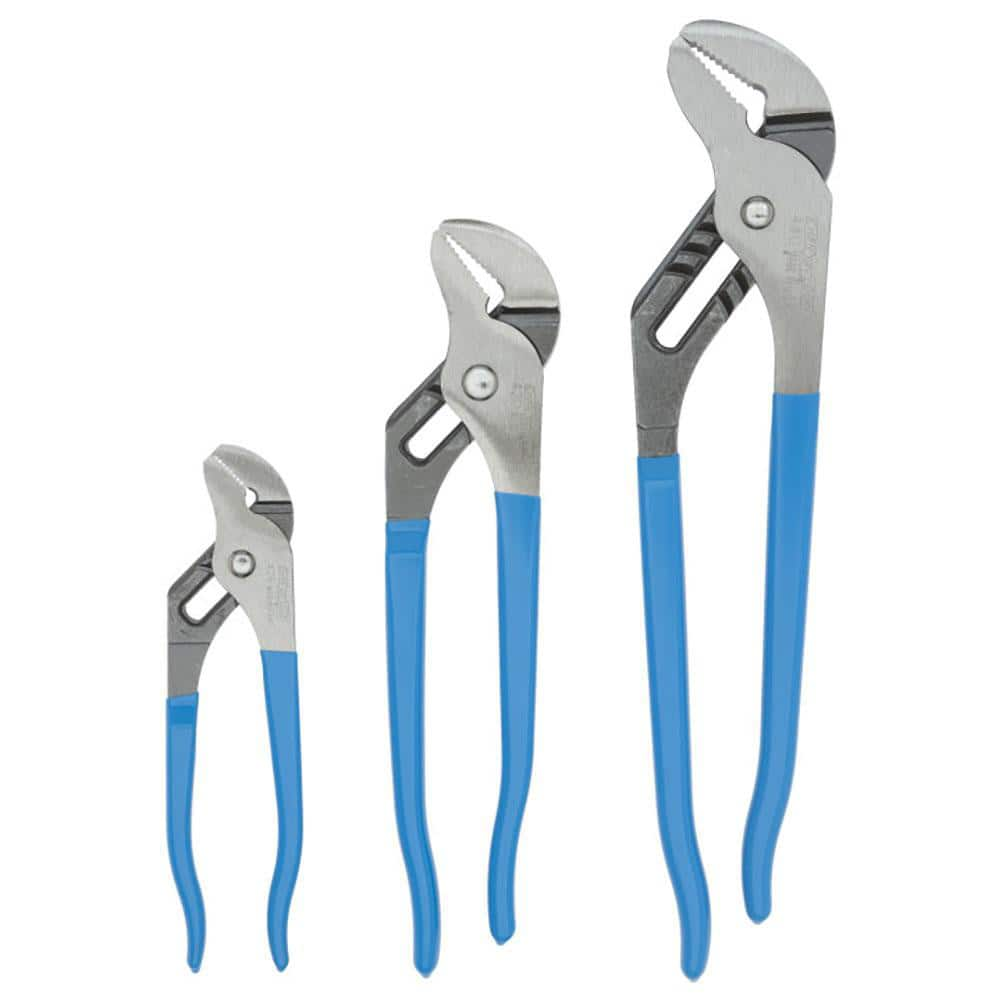
Channel lock pliers are adjustable slip-joint pliers with parallel jaws. They are often called tongue-and-groove pliers. The jaw spacing changes by sliding the pivot into different grooves. They have flat or slightly curved jaws with teeth and are designed for gripping flats, hex fasteners, and irregular shapes.
Key parts and differences at a glance:
- Pipe wrench: angled serrated jaws, adjustable nut, long handle for torque, specialized for round pipe.
- Channel lock pliers: multi-position pivot, flat-toothed jaws, better for nuts, bolts, and gripping surfaces without deep bite.

Key differences: pipe wrench vs channel lock pliers
Grip mechanism and jaw design
- Pipe wrench: Jaws bite and dig into round surfaces. The bite increases with torque. This can deform soft pipes.
- Channel lock pliers: Jaws clamp flat or hex surfaces. The grip is broad and less likely to mar metal if used carefully.
Torque and leverage
- Pipe wrench: Built for high torque. Long handles and tooth pattern let you turn stuck pipe joints.
- Channel lock pliers: Offer good leverage but less than a full-size pipe wrench for large pipes. They are better for moderate torque tasks.
Surface contact and damage risk
- Pipe wrench: Can leave marks or crush soft piping like copper or PVC when over-tightened.
- Channel lock pliers: Safer on fittings if used with padding. You can clamp on flats to avoid crushing round pipe.
Adjustability and speed
- Pipe wrench: Quick to size for a given pipe, but each size has limits. Multiple wrench sizes are common in a toolbox.
- Channel lock pliers: Very fast to adjust and use on many shapes and sizes. One pair can handle many jobs.
Portability and weight
- Pipe wrench: Heavier and bulkier. Trade-off is better torque.
- Channel lock pliers: Lighter and easier to use in tight spots.
Typical materials and lifespan
- Pipe wrench: Often forged steel, replaceable jaw inserts on higher-end models. Built to last with occasional jaw replacement.
- Channel lock pliers: Forged steel with nickel or chrome finish. Pivot wear is the most common issue.
Practical impact
- Use a pipe wrench when you need raw turning force on round, hard pipes.
- Use channel lock pliers for general plumbing tasks, fitting nuts, and quick adjustments.

Practical examples and use cases
Common scenarios where a pipe wrench shines
- Removing a stuck cast-iron pipe joint in a basement repair.
- Turning large steel pipes that won’t budge with pliers.
- Applying steady torque on a coupling while you work on joints.
Common scenarios where channel lock pliers excel
- Holding or turning flat fittings and hex nuts.
- Working in tighter spaces where a long pipe wrench won’t fit.
- Quick temporary grips when routing hoses or aligning parts.
Can channel locks replace a pipe wrench? In many quick fixes they can, but they often lack the torque and bite needed for large, rusted pipe joints. Use channel locks for lighter duties and a pipe wrench for heavy-duty pipe turning.
Will a pipe wrench ruin chrome plumbing? Yes, a pipe wrench can mar chrome and soft metals. Use a protective cloth or use channel lock pliers with padding when you need to preserve finish.
Personal tip from years of work
- I keep a medium pipe wrench and two sizes of channel lock pliers on my truck. For cast-iron or stubborn steel pipes, I reach for the pipe wrench. For most household fittings, channel locks do faster, cleaner work. I once ruined a chrome sink tailpiece by using a pipe wrench without protection — I now always use tape or a rag.

Maintenance, safety, and buying tips
Maintenance tips
- Clean teeth and pivot after use to remove debris and corrosion.
- Lightly oil moving parts on channel lock pliers to keep smooth adjustment.
- Inspect pipe wrench jaws for wear. Replace worn jaws or consider a new wrench for safety.
Safety tips
- Wear gloves and safety glasses. Grip can slip and cause hand injuries.
- Use the right size tool. Too small a wrench can slip and cause damage.
- Do not use a pipe wrench as a hammer. It risks tool failure and injury.
- Protect finished surfaces with cloth, rubber, or jaw covers.
Buying tips
- Choose forged-steel tools for longevity.
- For pipe wrenches, consider models with replaceable jaws if you use them heavily.
- For channel lock pliers, choose a well-made pivot and comfortable grips.
- Buy one good pipe wrench and a set of channel lock pliers for most DIY needs.
How to choose: decision guide and quick checklist
Quick decision guide
- You need maximum torque on round pipe: choose a pipe wrench.
- You need speed, versatility, and work on flats or hexes: choose channel lock pliers.
- You care about preserving chrome or soft metal: choose channel locks with padding.
- You work on large steel or cast-iron pipes often: keep a set of pipe wrenches.
Checklist before a job
- Check the material of the pipe or fitting.
- Assess how much torque you need.
- Pick the tool that minimizes damage risk.
- Carry padding if using jaws on finished metal.
- Have a backup wrench or pliers if needed.
Recommended kit for DIY
- One 14-inch channel lock plier for general work.
- One 18-inch pipe wrench for stubborn pipes.
- A few jaw protectors and rags.

Frequently Asked Questions of pipe wrench vs channel lock pliers
What is the main difference between a pipe wrench and channel lock pliers?
The main difference is how they grip: a pipe wrench bites into round pipes for high torque, while channel lock pliers clamp flats and various shapes with a slip-joint pivot. This makes the pipe wrench better for heavy pipe work and channel locks better for versatile tasks.
Can channel lock pliers be used on pipes safely?
Yes, channel lock pliers can be used on pipes if you protect the pipe surface with cloth or padding. They provide less bite than a pipe wrench, so they are safer on soft or plated pipes.
When should I choose a pipe wrench over channel lock pliers?
Choose a pipe wrench when you need strong, sustained torque on round metal pipes, especially steel or cast-iron. It’s the better choice for loosening stuck threaded pipe joints.
Will a pipe wrench damage chrome or soft metals?
Yes, a pipe wrench can easily mar or crush chrome, brass, or soft metals due to its serrated teeth and biting action. Use padding or channel lock pliers for plated or delicate surfaces.
Are channel lock pliers good for mechanical work on cars and machinery?
Channel lock pliers are useful for hose clamps, grips, and quick adjustments in mechanical work. For high-torque nuts and bolts you should use a proper wrench or socket set instead.
How do I maintain a pipe wrench and channel lock pliers?
Keep them clean, remove rust, lightly oil moving parts, and inspect for wear. Replace worn jaws on pipe wrenches and avoid using damaged pliers to reduce slip risk.
Conclusion
Choosing between a pipe wrench vs channel lock pliers comes down to force versus versatility. Use a pipe wrench for hard, round pipe jobs that need bite and torque. Use channel lock pliers for quick, varied tasks and to protect finished surfaces. Keep both tools in your kit, maintain them, and use padding when needed to avoid damage. Try the checklist above on your next project, and leave a comment about your experience or tools you love. If you found this useful, subscribe for more practical tool guides and tips.