A basic set includes a hammer, tape measure, screwdriver set, cordless drill, pliers, and level.
I’ve spent years doing repairs, renovations, and quick calls for friends and clients. I know exactly what tools does a handyman need to get most common jobs done safely and efficiently. This guide breaks tools into clear categories, explains why each tool matters, and shares practical tips from real-world jobs so you can build a reliable kit that fits your budget and work style.
Essential hand tools every handyman needs
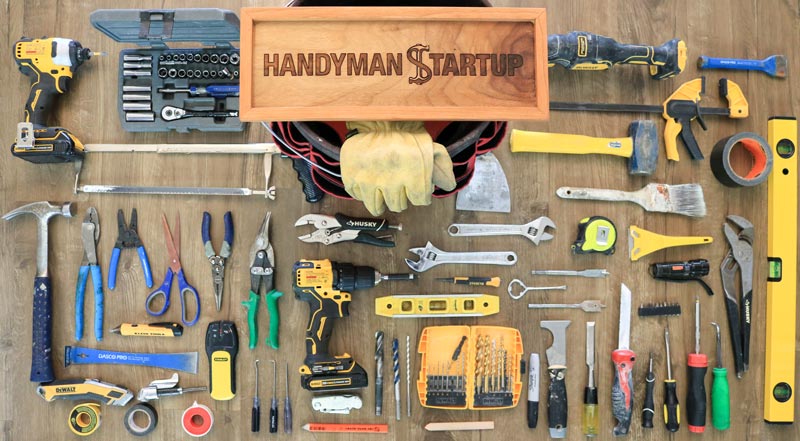
Start by asking what tools does a handyman need for day-to-day jobs. The core hand tools cover most small repairs and installations.
- Hammer — For framing, driving nails, and light demolition. A 16-ounce claw hammer is versatile.
- Screwdriver set — Flat and Phillips tips in multiple sizes. Consider a magnetic, multi-bit driver for speed.
- Pliers — Needle-nose, slip-joint, and linesman pliers cover gripping, bending, and cutting tasks.
- Adjustable wrench — One or two sizes handle nuts and bolts when you don’t have the exact wrench.
- Tape measure — A 25-foot, lockable tape is the workhorse for most projects.
- Level — A 24-inch level covers most hanging and installation tasks. A small torpedo level fits tight spots.
- Utility knife — For cutting drywall, trim, and packaging. Keep spare blades.
- Pry bar / crowbar — For removing trim, pulling nails, and prying boards.
- Hex key set (Allen wrenches) — Many fasteners use hex heads, especially furniture and fixtures.
I learned early that a small, well-organized set of these tools beats a giant, messy box. Quality in the few tools you use every day pays off in speed and fewer mistakes.

Power tools that speed up work
Knowing what tools does a handyman need also means choosing the right power tools. Power tools save time and reduce fatigue.
- Cordless drill/driver — The single most useful tool. Get at least a 18V/20V lithium-ion model with two batteries.
- Impact driver — Best for driving long screws and lag bolts quickly.
- Circular saw — Good for cutting plywood, trim, and framing lumber.
- Jigsaw — Cuts curves and small boards; handy for cabinetry and odd cuts.
- Oscillating multi-tool — Great for tight cuts, grout removal, and detail work.
- Reciprocating saw — Demolition and pruning jobs benefit from a Sawzall-style tool.
- Angle grinder — Cuts metal, grinds mortar, and removes rust with proper discs.
Buy a battery platform and stick with it. I once bought cheap cordless tools from different brands and ended up juggling chargers. A mid-range combo kit was the best switch I made.
Measuring, layout, and fastening tools
Precision comes from small tools. When answering what tools does a handyman need, don’t skip measuring and fastening gear.
- Speed square — For quick layout, marking rafters, and 90° cuts.
- Chalk line — Snap long straight lines on walls and floors.
- Laser level — Fast alignment for cabinets, tiles, and picture hanging.
- Stud finder — Speeds locating studs and avoids hitting wiring.
- Clamps — Bar clamps and quick-grip clamps secure work while gluing or cutting.
- Ratchet and socket set — For bolts and automotive work.
- Hex bit and driver set — For screws in metal, wood, and composite materials.
These tools lift your work from “good enough” to professional. A laser level saved me hours on a kitchen backsplash install.

Plumbing, electrical, and specialized tools
For basic trades tasks, know what tools does a handyman need to handle plumbing and electrical safely and properly.
- Pipe wrench and adjustable pliers — For tightening fittings on threaded pipes.
- Basin wrench — Essential for sink faucet installs in tight spaces.
- Plumber’s tape and sealants — For leak-free joints.
- Plunger and sink auger — For common clogs.
- Wire strippers and cutters — For clean electrical connections.
- Multimeter and non-contact voltage tester — Test circuits before working.
- Fish tape and cable pullers — Run wiring through walls with less damage.
Respect local codes and safety. For complex electrical or gas work, hire a licensed pro. I handle quick circuit fixes and outlet swaps, but I call an electrician for panels or rewiring.

Safety gear and personal protective equipment
Safety is non-negotiable. Think about what tools does a handyman need to protect health and prevent accidents.
- Safety glasses or goggles — Protect eyes from dust and sparks.
- Hearing protection — Ear muffs or plugs for power tool use.
- Respirator or dust mask — For sanding, cutting, and working with insulation.
- Work gloves — Protect hands from cuts and blisters.
- Knee pads — Save your knees when working on floors for long periods.
- Hard hat and high-visibility vest — For job sites with overhead or traffic hazards.
- First aid kit — For quick response to minor injuries.
I keep a compact first aid kit in my van. Small gear choices helped me avoid long-term problems after years on job sites.

Tool storage, maintenance, and organization
Knowing what tools does a handyman need isn’t just buying them; it’s storing and maintaining them for long life.
- Toolbox or tool bag — Choose based on your job style. Soft bags are lighter; boxes protect tools better.
- Rolling tool chest — For heavier collections and frequent transport.
- Foam organizers and small parts bins — Keep bits, screws, and anchors sorted.
- Battery care routine — Charge batteries properly and store them at moderate temperature.
- Rust prevention and sharpening — Wipe tools, oil moving parts, and sharpen blades regularly.
A tidy setup makes you faster and looks professional. One time I lost a specialty bit for two days; being organized saves clients money and your patience.
Buying tips, brands, and budgeting
Budgeting wisely is part of knowing what tools does a handyman need. Spend on what matters and save where you can.
- Invest in quality for: cordless drill, impact driver, tape measure, and a reliable multimeter.
- Save on: paint brushes, patching tools, or single-use items.
- Consider refurbished or used tools for seldom-used items.
- Watch battery ecosystems — choosing a single brand for batteries reduces long-term costs.
- Check warranties and local service centers for brand reliability.
I prefer spending more on a drill and skipping a cheap circular saw. The drill lasts and the saw ends up replaced twice if you compromise.

Job-specific tools and when to rent
Not every tool needs to live in your van. Know what tools does a handyman need to own versus rent.
- Own: Tools used daily such as drills, saws, and levels.
- Rent: Tile saws, large compressors, floor sanders, and jackhammers for occasional big jobs.
- Specialty buys: If you do a trade often, invest in tile cutters, drywall lifts, or flooring nailers.
Renting saved me thousands when I did tile work only occasionally. Renting keeps costs down and gives access to high-end equipment.
Starter kit checklist
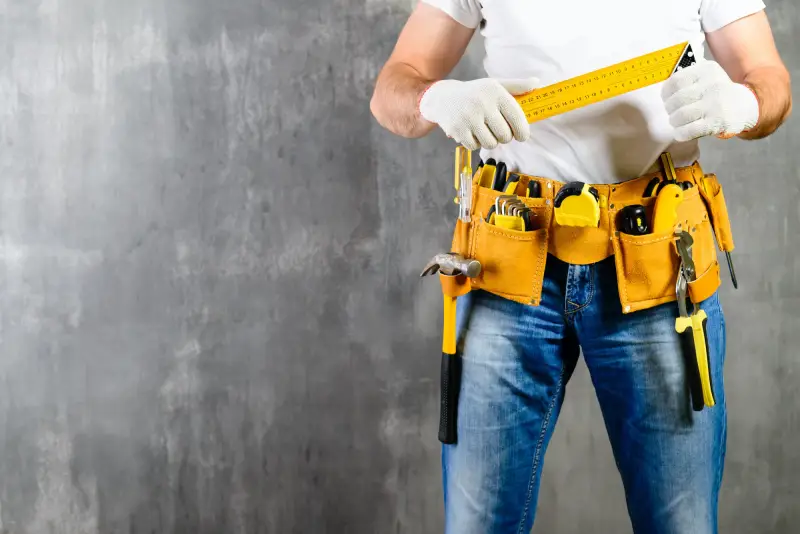
Here’s a compact checklist to answer what tools does a handyman need right away. Start small and build up.
- Hammer
- Tape measure (25 ft)
- Cordless drill and two batteries
- Screwdriver set and multi-bit driver
- Adjustable wrench and socket set
- Pliers: slip-joint, needle-nose, linesman
- Utility knife and spare blades
- Level (24 in) and torpedo level
- Stud finder and chalk line
- Safety gear: glasses, gloves, ear protection
- Tool bag or small rolling box
This kit covers most service calls and home repairs. Add specialty tools as your workload demands.
Common mistakes and lessons from experience
Real work teaches useful rules about what tools does a handyman need and how to use them.
- Mistake: Buying many cheap tools. Lesson: Buy quality for daily-use items and save on occasional tools.
- Mistake: Mixing battery platforms. Lesson: Stick to one battery brand to avoid charger clutter.
- Mistake: Ignoring PPE. Lesson: One small injury can cost weeks of work; protect yourself.
- Mistake: Overbuying early. Lesson: Start with essentials and let real jobs guide purchases.
I once bought an entire set of cheap wrenches that stripped. After that I chose fewer, better tools and haven’t looked back.
Frequently Asked Questions of what tools does a handyman need
What are the absolute essentials for a beginner handyman?
Start with a hammer, tape measure, screwdrivers, pliers, adjustable wrench, utility knife, cordless drill with batteries, and a level. These handle most small repairs and installations.
How many power tools does a handyman really need?
A core set of three to five power tools usually suffices: drill/driver, impact driver, circular saw, jigsaw, and an oscillating tool. Rent specialty tools for one-off jobs.
Should I buy expensive brands or budget tools?
Invest in quality for frequently used tools like a drill and multimeter. Save on low-use items and consumables like blades and brushes.
Are specialized trade tools necessary for general handyman work?
Not usually. You can handle many tasks with general tools, but trade tools are worth it if you do that work often, such as tile cutters for frequent tiling jobs.
What safety gear should every handyman carry?
Carry safety glasses, hearing protection, work gloves, a dust mask or respirator, and a first aid kit. PPE prevents injuries and keeps jobs on schedule.
Conclusion
You now have a clear roadmap for what tools does a handyman need. Start with essential hand tools and one good cordless platform. Add measuring, safety, and specialty tools as your work grows. Track what tasks you do most and invest in quality where it matters.
Take action: make a starter checklist, buy one quality power tool this month, and organize your gear for faster, safer work. Leave a comment with your must-have tool or a tool-buying question — I’ll share what I’ve learned on the job.