Use the right hammer, wear eye protection, grip firmly, and strike with control every time.
I’ve spent years doing home projects, teaching friends, and repairing things while learning how to use a hammer safely at home. This guide breaks down the tools, the stance, the common mistakes, and the small habits that prevent big injuries. Read on for clear, practical steps you can use today to hammer with confidence and keep your home repairs safe.

Safety basics for using a hammer safely at home
Learning how to use a hammer safely at home starts with respect for the tool. Hammers are simple but powerful; even a small slip can chip a tooth, bruise a thumb, or send metal shards flying.
Key safety rules to follow:
- Always wear eye protection to guard against flying chips and nails.
- Keep your work area tidy and well lit so you can see the nail and target.
- Check the hammer for damage before use, including a loose head or splintered handle.
- Use the right hammer and nail for the job to avoid excess force and slippage.
I once drove a trim nail with a framing hammer because it was handy. The result was a bent nail and a sore ego. Using the correct hammer would have saved time and reduced risk. Learning how to use a hammer safely at home is mostly about these basic checks and smart choices.
Choosing the right hammer and materials
Picking the correct hammer makes tasks easier and safer. Different hammers suit different jobs; using the wrong one increases the chance of injury.
Common hammer types and uses:
- Claw hammer: Best for general carpentry and pulling nails.
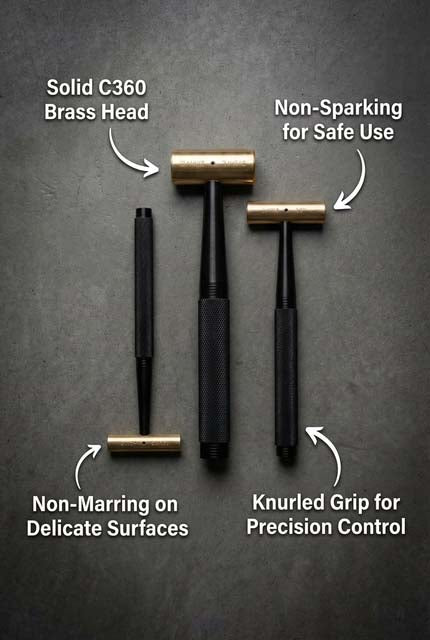
- Ball-peen hammer: Used for metal work and shaping metal.
- Tack hammer: Good for delicate trim work with small nails.
- Sledge or mallet: For heavy demolition or driving stakes.
Match the nail and material:
- Use shorter nails for thin trim to avoid splitting wood.
- Choose galvanized nails for outdoor work to resist rust.
- Don’t use a heavy framing hammer for light finishing work; it can overdrive nails and cause damage.
Choosing the right gear is a core part of how to use a hammer safely at home. It limits mistakes and keeps your strikes efficient.

Personal protective equipment (PPE) you should use
Wearing simple protective gear reduces risk a lot. PPE is low-cost and gives big safety gains.
Essential PPE for hammering:
- Safety glasses or splash goggles to protect eyes from chips.
- Closed-toe shoes to protect feet from dropped tools or nails.
- Work gloves to reduce vibration and protect against splinters.
- Hearing protection for repetitive heavy hammering or power tool use.
From my experience, eye protection is the single most important item. I keep clear safety glasses in my tool box and put them on for every job. That small step prevented at least one trip to urgent care.

Proper grip, stance, and body position
How you stand and hold the hammer affects control and safety. Small adjustments make a big difference.
Grip and stance tips:
- Hold the hammer near the end of the handle for better leverage and control.
- Use a relaxed but firm grip; don't squeeze so hard you lose wrist movement.
- Stand with feet shoulder-width apart for balance.
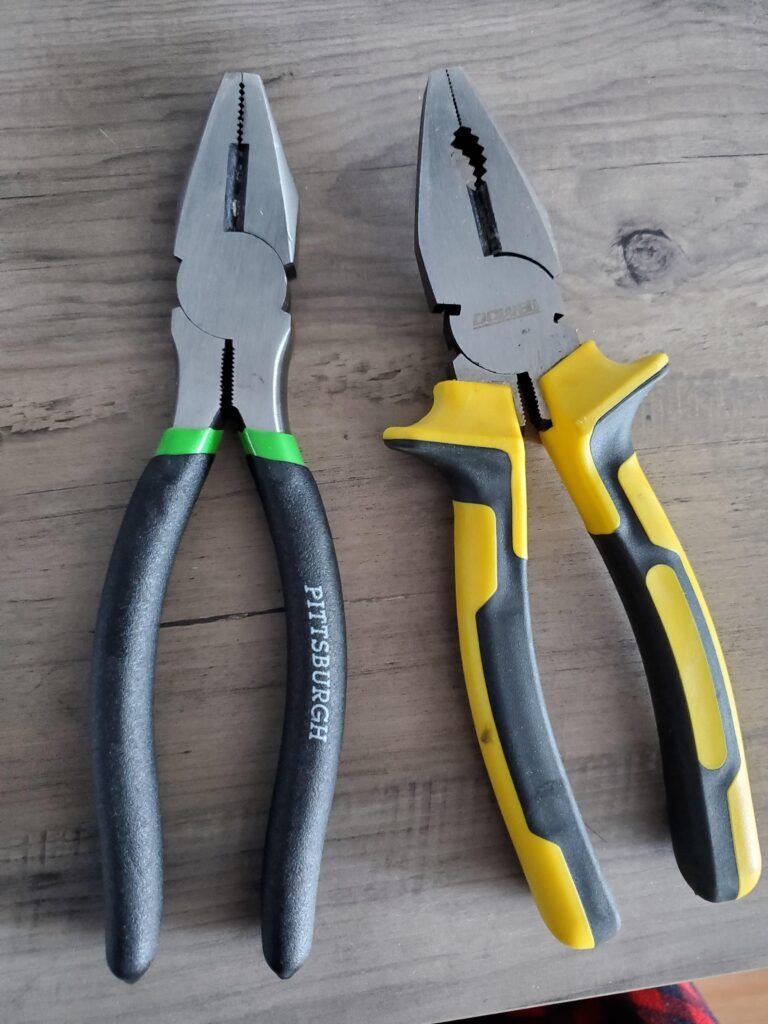
- Keep your non-dominant hand well away from the striking area; use a nail holder or pliers for tiny nails.
When driving nails, keep your wrist straight and use your elbow and shoulder to drive controlled strikes. Practicing on scrap wood will build muscle memory for how to use a hammer safely at home.

Correct hammering technique: step-by-step
Good technique lowers the chance of injury and reduces wasted effort. Follow these steps for consistent results.
Step-by-step guide:
- Position the nail and start with light taps to seat it.
- Once the nail stands on its own, take a controlled backswing.
- Drive with smooth, steady strikes—aim for the nail head center.
- Avoid wild, hard swings; they cause misses and rebounds.
- If the nail bends, stop and remove it—don’t try to force it straight with harder hits.
Practice makes perfect. I learned to stop over-swinging by practicing driving 20 nails in a scrap board. My accuracy improved and my sore wrists went away.

Common mistakes and how to avoid them
Many accidents come from predictable mistakes. Spotting these avoids pain and delays.
Mistakes and fixes:
- Hitting your thumb: Use a nail holder or start with light taps while holding the nail with pliers.
- Using a loose hammer head: Replace or repair the hammer before use.
- Over-driving nails: Switch to a finishing nail set to sink the head without extra force.
- Striking at an angle: Aim square to the nail head to avoid bending.
- Working without eye protection: Make eye protection a habit, not an option.
Avoiding these errors is central to how to use a hammer safely at home. They are simple to fix and prevent many common injuries.

Maintenance, inspection, and storage of hammers
A well-maintained hammer is safer and lasts longer. Inspect before each use and store properly.
Maintenance checklist:
- Check handle for cracks or splinters. Replace if damaged.
- Ensure the head is tight. Secure or replace the head if it wobbles.
- Clean the face of the hammer to remove rust and debris.
- Store hammers in a dry place and hang them or place them in a toolbox to prevent drops.
I mark each tool with a small colored tape and inspect weekly during big projects. That routine caught a loose head before it could cause harm.
When to seek professional help or stop a project
Know when a job is beyond simple DIY. Safety should guide that choice.
Signs to stop and call a pro:
- The job needs specialized tools or structural alterations.
- You feel unsure about how to proceed or about the safety risks involved.
- Repeated tool failures or unexpected material damage occurs.
Calling a professional can be safer and cheaper in the long run. That’s an important part of learning how to use a hammer safely at home: recognizing limits.
Quick questions and answers (PAA-style)
How hard should I swing a hammer for small nails?
Start with light taps to set the nail, then use controlled medium strikes. Avoid full-force swings for small nails.
Can I use any hammer for wood and metal?
No. Use a claw or framing hammer for wood and a ball-peen hammer for metal work to match the task safely.
Frequently Asked Questions about how to use a hammer safely at home
What protective gear is most important when hammering?
Safety glasses are the most important for preventing eye injuries. Closed-toe shoes and gloves add protection for feet and hands.
How do I stop hurting my wrist when hammering?
Hold the hammer loose, use your elbow and shoulder to drive strikes, and take breaks. Practice with scrap wood to build proper motion.
How do I remove a bent nail safely?
Pull the head with the claw end or use pliers. If the head is flush, pry with a small block under the hammer to protect the wood.
When should I replace a hammer?
Replace a hammer if the head is loose, the handle is cracked, or the striking face is heavily worn. A damaged hammer is unsafe to use.
Can I use a hammer without gloves for better feel?
You can, but gloves protect against blisters and splinters. Try thin gloves if you need more touch while keeping protection.
Conclusion
Using the right hammer, wearing protection, and practicing correct grip and stance are the core steps to safely handle projects. Start small, inspect gear, and stop if a job feels risky. Put these tips into practice today to reduce accidents and build confidence with tools. Try a short practice session on scrap wood, subscribe for more DIY safety tips, or leave a comment about your hammering experiences.