Use a pipe wrench safely by correct sizing, secure grip, and proper body position.
I’ve used pipe wrenches for over 15 years in plumbing and maintenance work. This guide explains how to use a pipe wrench safely with clear steps, tips, and real-life lessons so you can work with confidence and avoid common injuries.
What a pipe wrench is and why safety matters
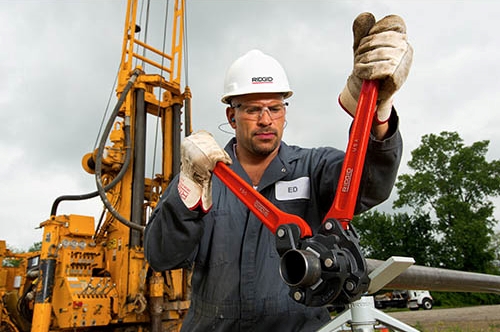
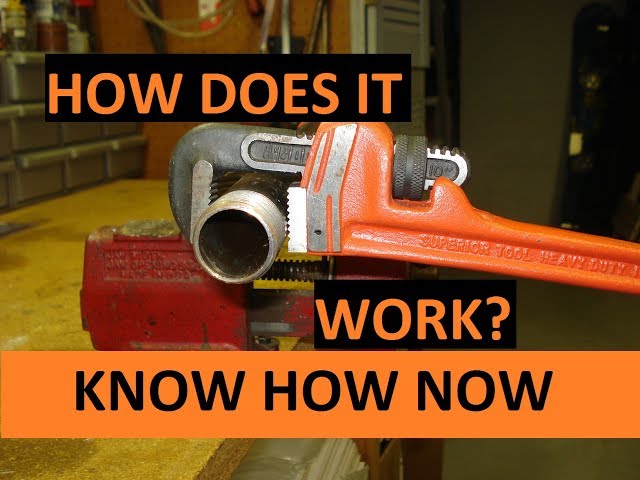
A pipe wrench is a heavy tool made to grip round pipe and fittings. It has serrated jaws and an adjustable jaw that bites into metal. Knowing how to use a pipe wrench safely keeps you from slipping, rounding pipe, or getting hurt.
Why safety matters:
- You can lose control if the wrench slips.
- Rounded pipe can force costly repairs.
- Falls or sudden jerks can strain muscles or break bones.
I will show practical steps and clear cues so you can use a pipe wrench safely every time. I write from hands-on experience and frequent tool tests in real jobs.
Types and parts of a pipe wrench
Main types:
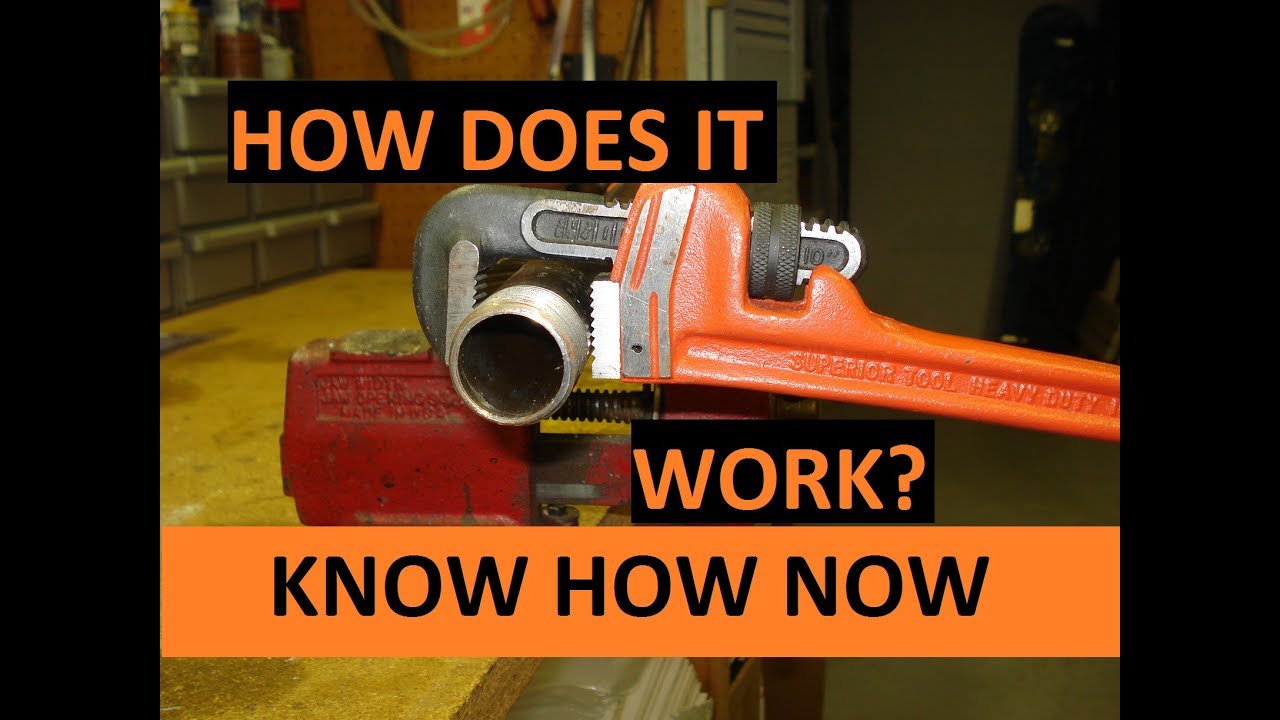
- Straight (stillson) wrench: common for pipes on flat surfaces.
- Offset wrench: good for tight spots and obstructions.
- Chain wrench: used for odd shapes or large pipe.
Key parts:
- Handle: gives leverage.
- Fixed jaw: the lower jaw held to the handle.
- Hook jaw: the upper jaw that adjusts and locks.
- Pin and spring: let the jaw bite and release.
- Teeth: cut into the pipe surface for grip.
Knowing parts helps you inspect the tool and use it safely. I keep one straight and one offset wrench on my truck. They cover most jobs.
.gif)
Choosing the right wrench and size
Pick the right wrench by pipe diameter and space.
- Match wrench length to pipe size. Longer handles give more torque but need more control.
- Choose jaw capacity that fits the pipe snugly. Avoid forcing a too-small wrench.
- Use specialty wrenches for soft or plated pipes to avoid damage.
A 14-inch wrench is a good all-round tool for many household pipes. Larger jobs call for 24-inch or more. Choosing well is the first step in how to use a pipe wrench safely.
Inspecting the wrench before use
Always check the tool before you start.
- Look for worn or broken teeth. Dull teeth slip more.
- Check that the hook jaw moves freely and locks.
- Inspect handle for cracks or bends.
- Clean oil, grease, and debris from teeth and threads.
If any part is damaged, repair or replace the wrench. I once tried a bent handle and the wrench failed mid-turn. That taught me to inspect every time. Regular checks are a simple safety move.

Step-by-step: how to use a pipe wrench safely
Follow these steps for safe use:
- Position the pipe and wrench
- Place the wrench so the hook jaw faces the direction you will turn.
- Fit the jaws close to the pipe with the teeth flat against the surface.
- Set the grip
- Tighten the jaw so it bites slightly into the pipe. Don’t over-tighten.
- Ensure the handle is free of oil or wet grime.
- Use proper body mechanics
– Stand with both feet stable and slightly apart.- Pull the handle toward you, not away, when possible.
- Apply steady force
- Use smooth, even pressure. Avoid quick yanks.
- Use foot or body weight for steady force on long turns.
- Reposition if needed
- If the wrench slips, stop, reset the grip, and try again.
- Avoid force that twists the pipe beyond its fittings.
Practice these steps to make them routine. I rehearse the motion before applying full force. That prevents surprises and keeps the job safe.

Proper body position and technique
Good stance matters as much as the tool.
- Stand to one side, not directly in line with the wrench.
- Keep knees slightly bent and core engaged.
- Pull the handle toward your body; pushing risks losing balance.
- Use short, controlled strokes when space is tight.
If you must push, use a helper to steady you. A stable stance reduces strain and prevents falls when learning how to use a pipe wrench safely.
Personal experience: common mistakes and lessons
Here are mistakes I made and what I learned:
- Mistake: using a worn wrench. Result: slippage and a bruised knuckle. Lesson: inspect and replace teeth early.
- Mistake: over-tightening jaws. Result: damaged pipe threads. Lesson: snug is enough; reposition for more torque.
- Mistake: poor stance. Result: twisted back. Lesson: steady feet, bend knees, and use legs for power.
These small fixes saved me time and injury later. Share these tips with a coworker; they work.

Common mistakes to avoid
Avoid these pitfalls:
- Using the wrong size or type of wrench.
- Gripping with oily hands or gloves that slip.
- Reaching too far or standing on unstable surfaces.
- Using a wrench on soft or plated metal without protection.
- Using cheater bars (extensions) to increase torque.
Each mistake can cause tool failure or injury. Learn to spot them and stop before you act.
Maintenance and storage
Keep the wrench ready and safe.
- Clean teeth after use with a wire brush.
- Lubricate moving parts lightly to prevent rust.
- Store in a dry tool box or hang on a pegboard.
- Replace worn jaws or handles promptly.
A clean, well-kept wrench works better and reduces accidents. Good maintenance supports long-term safe use.
When to call a pro or stop
Know your limits.
- Stop if the pipe is corroded or stuck and you feel unsafe.
- Call a pro for gas lines, major plumbing, or structural risks.
- If a repair could lead to leaks or code issues, get a licensed pro.
It is smart to ask for help. Safety beats pride when a job is risky or complex.
Frequently Asked Questions of how to use a pipe wrench safely
How tight should the wrench grip the pipe?
Grip just enough for the teeth to bite. Over-tightening can damage pipe threads and make the wrench hard to release.
Can I use a pipe wrench on chrome or plated pipes?
Avoid direct metal-to-metal contact on plated pipes. Use a protective sleeve or strap wrench to prevent scratching and damage.
Is it safe to use a wrench extension for more torque?
No. Adding a cheater bar can break the wrench or cause loss of control. Use a larger wrench instead or get help.
What personal protective equipment should I wear?
Wear gloves with good grip, safety glasses, and sturdy boots. Gloves help control the wrench but choose a pair that won’t slip on the handle.
How do I prevent the wrench from slipping?
Ensure teeth are sharp and clean. Position the wrench correctly, tighten the jaw snugly, and apply steady force from a stable stance.
Conclusion
Using a pipe wrench safely comes down to the right tool, a quick inspection, proper grip, and good stance. Practice the steps, avoid common mistakes, and maintain your wrench to keep work safe and smooth. Try these tips on your next job, share them with a friend, or leave a note below about what worked for you.