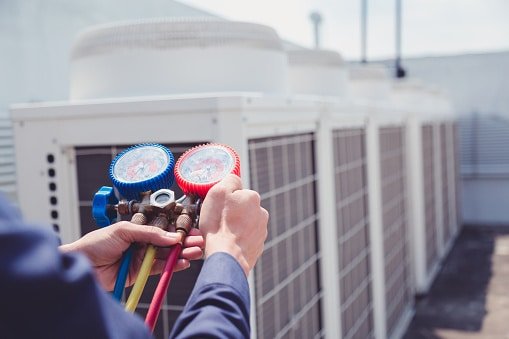
A manifold gauge is used to measure and diagnose pressure in HVAC and refrigeration systems.
I’ve worked on HVAC systems for years, and I’ll walk you through exactly what a manifold gauge is used for, how it works, and why it matters. This guide explains uses, reading tips, common mistakes, safety, and buying advice in plain language. Whether you’re a DIYer, technician, or curious reader, you’ll leave ready to use or evaluate a manifold gauge with confidence.
How a manifold gauge works
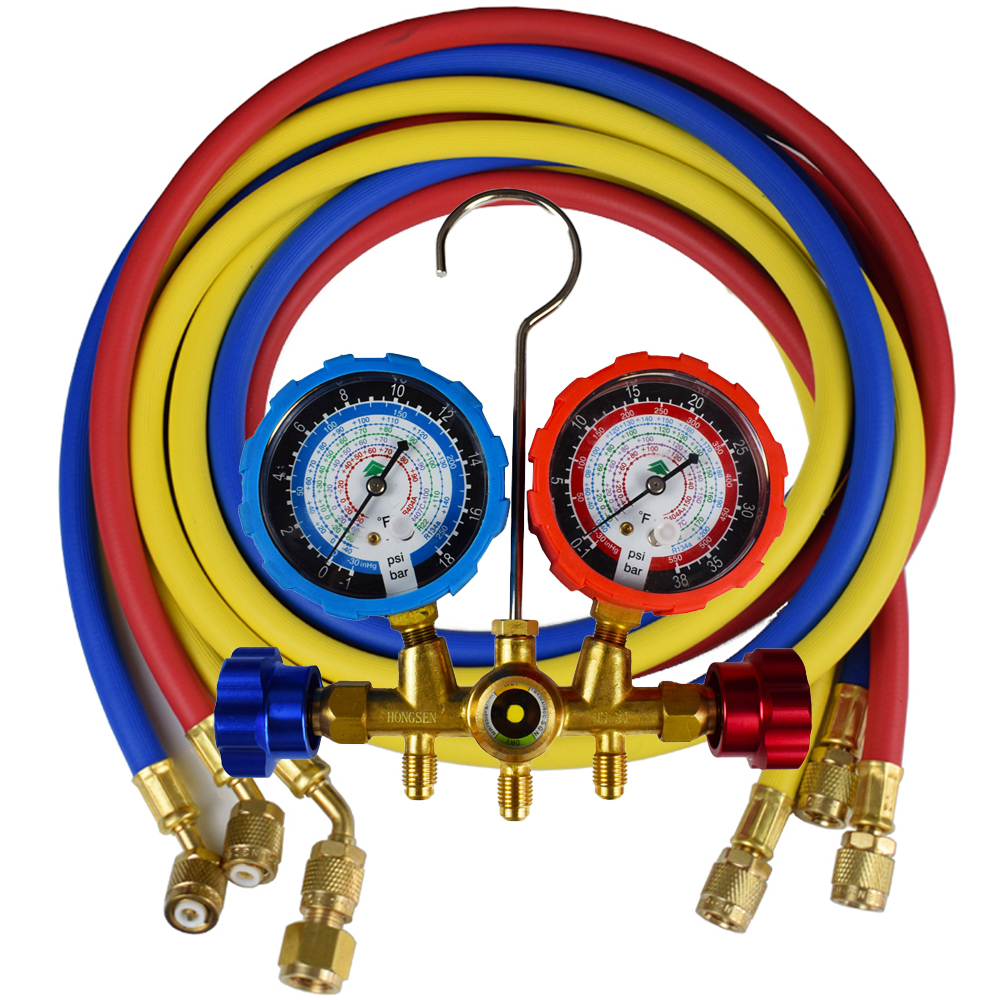
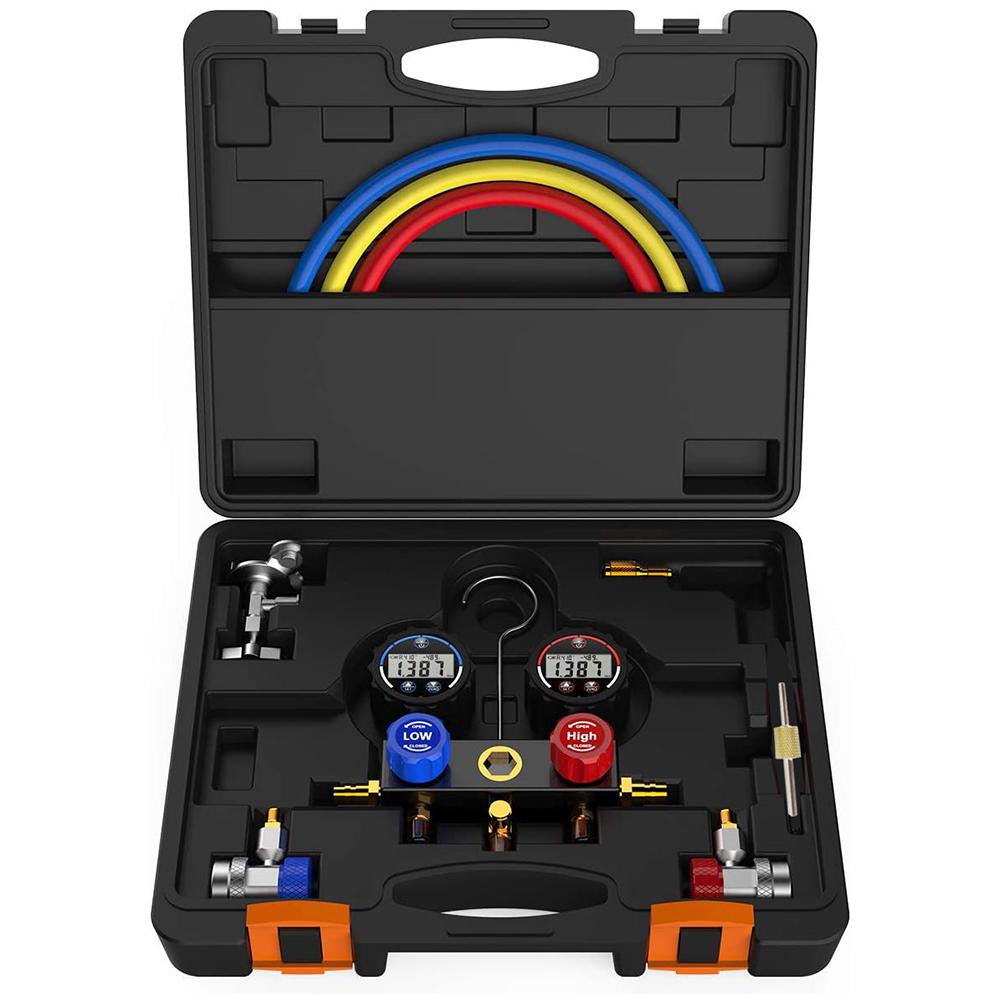
A manifold gauge set connects to HVAC or refrigeration service ports. It measures high-side and low-side pressures at the same time. The device has two gauges, three hoses, and a center valve block. Technicians use it to check refrigerant charge, identify leaks, and verify system performance.
A clear grasp of pressure readings helps diagnose issues like low charge, compressor failure, or a blocked expansion device. Knowing what a manifold gauge is used for cuts troubleshooting time and prevents needless parts replacement.
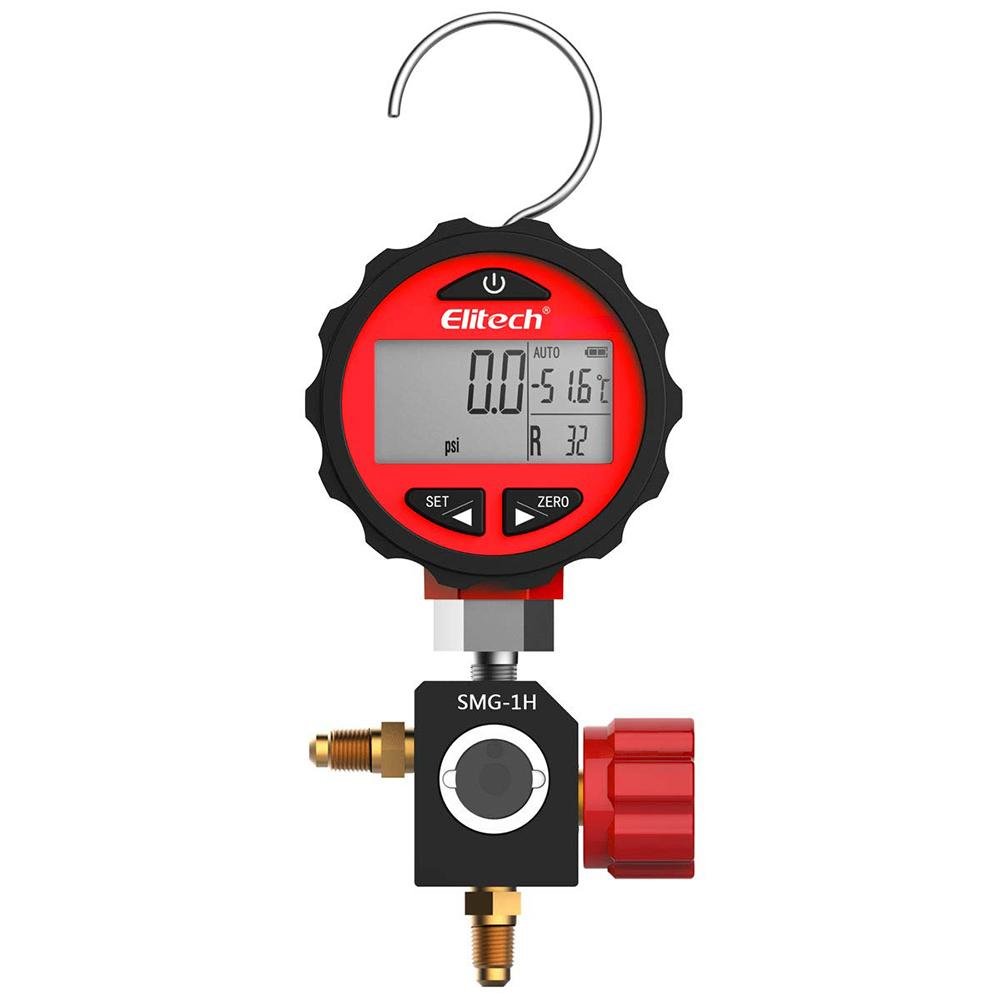
Key components and types
Most manifold gauge sets share the same basic parts:
- Two gauges showing pressure in psi and often in vacuum or kPa.
- Three hoses: low-side (blue), high-side (red), and service/charge (yellow).
- A center manifold with valves to control flow and isolate ports.
- Adapters and fittings for different refrigerants and service ports.
There are analog and digital manifold gauge sets. Analog sets are rugged and simple. Digital sets offer data logging, temperature compensation, and more precise readings. When choosing, consider the refrigerants you service and whether you need vacuum and micron readings.

Common uses and applications
A manifold gauge set is essential for HVAC and refrigeration work. Key uses include:
- Checking system pressures to diagnose problems.
- Adding or recovering refrigerant during service.
- Measuring vacuum during evacuation to remove moisture and air.
- Performing leak checks and verifying compressor operation.
Beyond HVAC, technicians use manifold gauges in commercial refrigeration, automotive A/C, and heat pump servicing. Understanding what a manifold gauge is used for helps you pick the right tool and avoid common diagnostic errors.

How to read and interpret readings
Read each gauge separately. Low-side pressure tells you about evaporator performance. High-side pressure shows condensing conditions. Compare measured pressures to expected values for the refrigerant and outdoor/indoor temperatures.
Use temperature-pressure charts or digital tools to convert pressure to saturation temperature. A correct refrigerant charge shows balanced pressures and expected temperature splits. If pressures are off, you may have low charge, blockages, or component failure. Knowing what a manifold gauge is used for speeds correct interpretation and repair.
Safety, maintenance, and calibration
Always wear safety glasses and gloves. Work in a well-ventilated area and follow refrigerant handling rules. Never connect to a running system without proper training if you’re unsure.
Maintain your gauge set by:
- Flushing hoses after use.
- Replacing O-rings and worn fittings.
- Checking calibration periodically, especially for digital units.
Calibration ensures accurate readings. A miscalibrated gauge can lead to incorrect diagnoses. Understanding what a manifold gauge is used for includes knowing its limits and when to send it for service.

Buying guide and accessories
When buying a manifold gauge, consider:
- Compatibility with refrigerants you work on.
- Analog versus digital display needs.
- Included accessories like vacuum pump adapters and couplers.
Useful accessories:
- Vacuum pump for evacuation.
- Refrigerant scales for accurate charging.
- Hose sets with durable fittings.
Budget is important, but a cheap set can cost more in incorrect diagnosis. Invest in quality if you plan to use the set regularly. Think about what a manifold gauge is used for in your work before buying.
Personal experience and practical tips
From years in the field, I recommend these practical tips:
- Always warm up the system before taking readings. Cold surfaces give misleading pressures.
- Use a frictionless swivel hose to avoid stresses on fittings.
- If you’re new, practice on a known-good system to learn expected readings.
A mistake I made early on was trusting a single gauge reading. Always cross-check low-side and high-side values together. Learning what a manifold gauge is used for comes faster when you practice and compare results.
Quick PAA-style questions
How do I know if my manifold gauge is accurate?
Check calibration against a known reference or send it to a lab. Digital units often have self-test modes to verify accuracy.
Can I use one manifold gauge for all refrigerants?
Only if it has compatible gauges and fittings and you follow refrigerant-handling rules. Using the wrong chart or adapter can lead to errors.
Do I need special training to use a manifold gauge?
Basic tasks like reading pressures are learnable, but refrigerant charging and recovery require certification and safety knowledge. Improper handling can harm people and equipment.
Frequently Asked Questions of what is a manifold gauge used for
What is a manifold gauge used for in HVAC systems?
A manifold gauge is used to read high and low pressures simultaneously to diagnose system health. It helps technicians decide if the system needs refrigerant, has a leak, or has mechanical problems.
Can I charge my car A/C with a manifold gauge set?
Yes, with the correct fittings and knowledge, a manifold gauge set can charge car A/C systems. Always follow automotive refrigerant rules and use the right refrigerant type.
How do I read the pressure for different refrigerants?
Match the pressure to temperature using a refrigerant pressure-temperature chart or a digital tool. Each refrigerant has its own pressure-temperature relationship, so charts are essential.
Is a digital manifold gauge better than an analog one?
Digital gauges offer higher precision, logging, and temperature compensation, while analog gauges are durable and easy to read. Choose based on budget and needed features.
What safety precautions should I take when using a manifold gauge?
Wear eye protection and gloves, avoid inhaling refrigerant, and work in a ventilated area. Use proper fittings and ensure hoses are in good condition to prevent accidental discharge.
Conclusion
A manifold gauge is used for measuring, diagnosing, and servicing HVAC and refrigeration systems. It saves time, improves repairs, and prevents misdiagnosis when used correctly. Start by learning to read pressures, invest in the right tools, and practice on safe systems. If you found this helpful, try applying these tips on a test unit, subscribe for updates, or leave a question below to get personalized advice.