Check for oil stains, hissing sounds, poor cooling, soap bubbles, and use an electronic or UV tester.
I have spent years diagnosing HVAC and refrigeration systems. I know how to detect refrigerant leak and how to guide you through safe, step-by-step checks. This article explains clear signs, proven tools, and simple tests you can do. Read on to learn practical, experience-backed methods that save time and prevent damage.
What is a refrigerant leak and why it matters
A refrigerant leak is the escape of cooling fluid from a sealed cooling circuit. Refrigerants transfer heat. When the fluid escapes, the system loses cooling power and runs harder. Leaks can damage compressors and raise energy costs. Many refrigerants also harm the environment and are regulated.
Common causes include metal fatigue, corrosion, poor brazing, vibration, and accidental punctures. Older systems are more likely to leak. Knowing how to detect refrigerant leak early can prevent costly repairs and environmental fines. Always treat suspected leaks with care and follow safety rules.

Common signs and symptoms of a refrigerant leak
Spotting signs early helps you fix leaks fast. Look for these common clues.
- Reduced cooling performance. The system struggles to reach set temperature.
- Longer run times. The compressor runs more often than normal.
- Hissing or bubbling sounds. These can suggest gas escaping under pressure.
- Oil stains or frost on pipes. Oil often leaves residue where refrigerant escapes.
- Higher energy bills. Poor efficiency raises electricity use.
- Ice build-up on evaporator or suction line. Low refrigerant causes freezing.
- Musty or chemical odors. Some leaks produce a faint smell.
These signs often overlap with other issues. Use step-by-step tests to confirm and learn how to detect refrigerant leak reliably.

How to detect refrigerant leak: step-by-step methods
Follow simple steps from basic checks to professional tests. These steps show how to detect refrigerant leak safely and clearly.
- Visual inspection
- Look for oil stains at joints, valves, and coils.
- Check for white frost on lines and copper discoloration.
- Inspect insulation for wet spots or corrosion.
- Listen and feel
- Stand near compressor and lines. Listen for hissing.
- Feel pipe surfaces for warm or cold spots that are unusual.
- Soap solution test
- Mix mild soap and water in a spray bottle.
- Spray joints and seams. Watch for steady bubbles that indicate a leak.
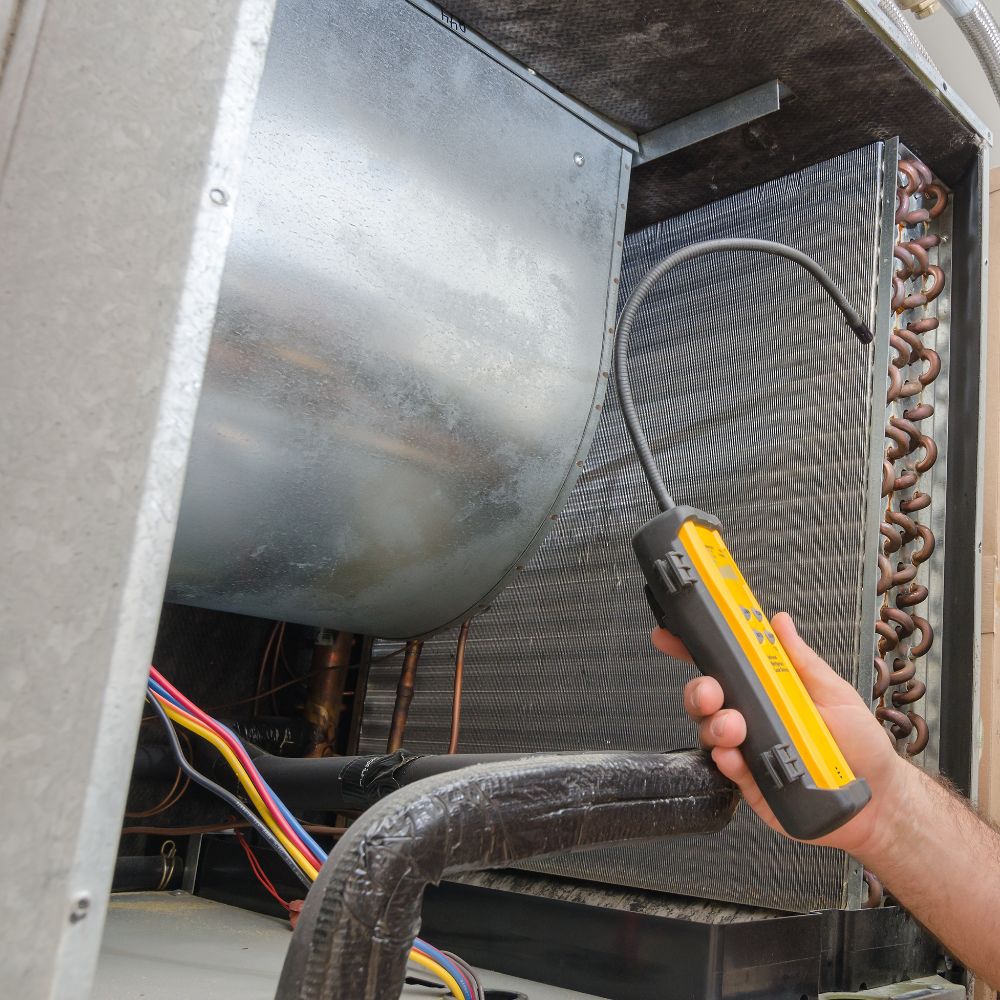
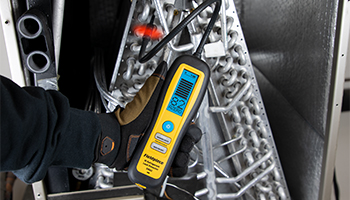
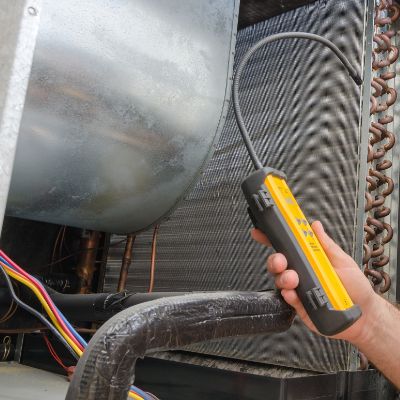
- Electronic leak detector
- Use a handheld detector rated for your refrigerant type.
- Move probe slowly along fittings, valves, and coils.
- Follow manufacturer guidance for sensitivity and calibration.
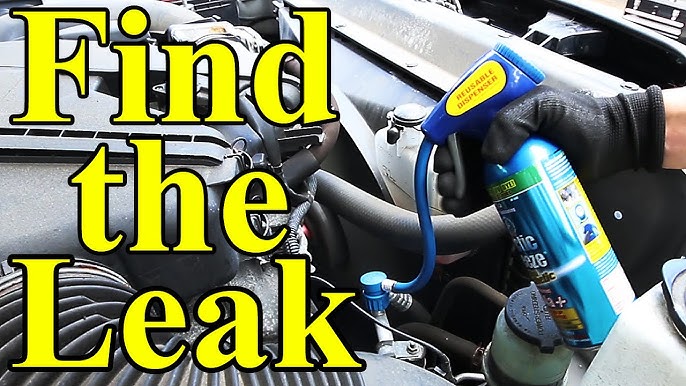
- UV dye and black light
- Inject approved UV dye into the system. Run the system for a short time.
- Use a UV lamp and protective glasses to scan for bright dye marks.
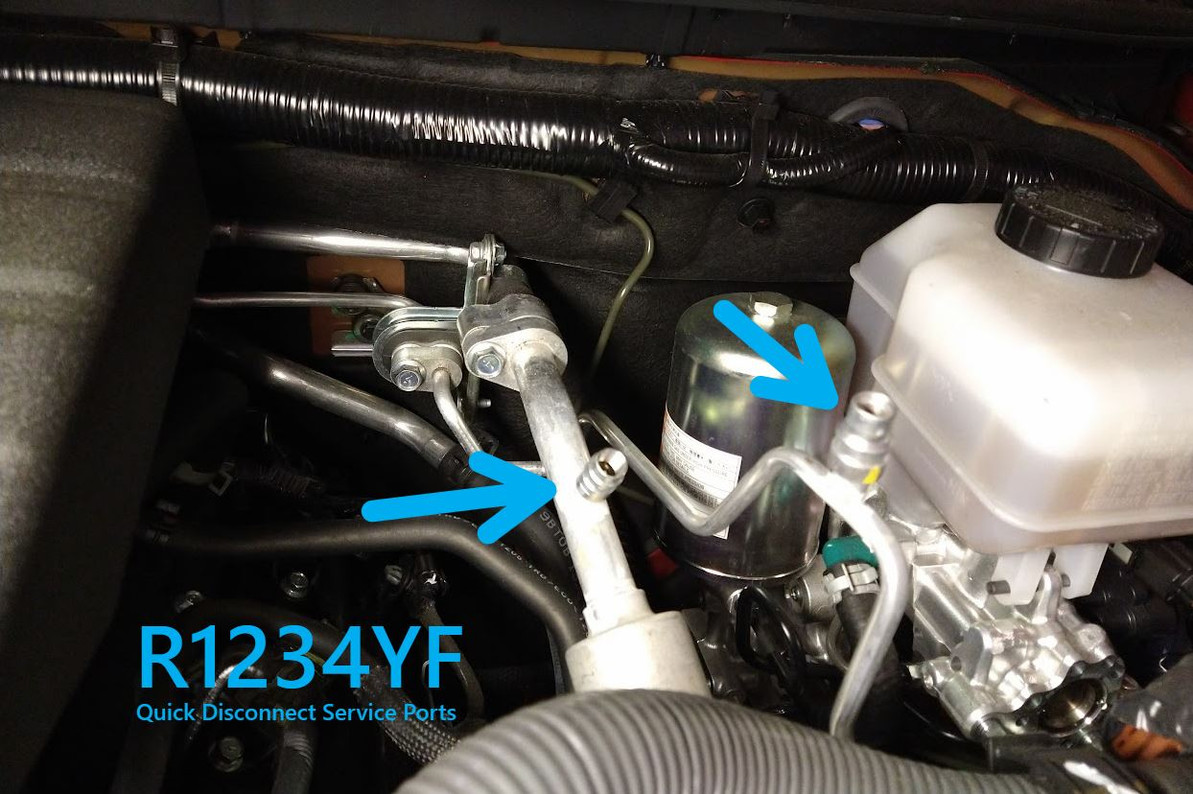
- Pressure and vacuum test with gauges
- Isolate and pressurize the circuit with dry nitrogen or use a vacuum test.
- Monitor for pressure drop or failure to hold vacuum.
- This method is reliable for larger or hidden leaks.
- Soap bubble tanks or bubble bags (for appliances)
- Surround suspect components with a clear bag and look for bubbles.
- Leak detector dog or ultrasonic detector
- For large facilities, trained dogs or ultrasonic tools find subtle leaks.
- Record and compare readings
- Note pressures, detector readings, and locations.
- Compare to factory specs to confirm low charge or abnormal loss.
I often start with visual checks and soap solution. These catch most leaks fast. Use electronic detectors next when the leak seems small or hidden. Keep tests safe and follow local regulations when introducing gas or dye.

Tools and equipment you need
Simple tools solve many cases. Here is a practical list for how to detect refrigerant leak.
- Safety glasses and gloves. Protect your eyes and hands.
- Flashlight. Bright light shows oil stains and frost.
- Soap solution in spray bottle. Cheap and effective for small leaks.
- Electronic leak detector. Choose one matched to your refrigerant.
- UV dye kit and UV lamp. Good for hidden or slow leaks.
- Manifold gauges and hoses. For pressure and vacuum testing.
- Nitrogen tank with regulator. Use for pressure tests and purging.
- Infrared thermometer. Check line temperatures quickly.
- Leak detection dye cards or stickers. Quick field checks.
- Protective masks if working with unknown fumes.
Use tools as directed. Calibrate detectors and follow safety rules. Proper tools make learning how to detect refrigerant leak easier and more accurate.
Safety, legal, and environmental considerations
Handling refrigerant has risks. Many refrigerants are regulated and need certified technicians.
- Do not intentionally vent refrigerant. Release is illegal and harmful.
- Use personal protective equipment. Some refrigerants can cause frostbite.
- Follow local codes and certification rules for service and disposal.
- Work in a well-ventilated area to avoid inhalation.
- Recover and reclaim refrigerant using proper recovery machines.
I once attempted a pressure test without a regulator and learned the hard way. Always use the right gear. Be honest about limits. If you are not certified, call a pro.
When to call a professional and repair options
Small leaks can be found by DIY checks. Major leaks need trained techs. Call a professional when:
- The leak is near the compressor or in sealed cabinets.
- You find large pressure loss or cannot find the leak.
- The system uses regulated refrigerants requiring certified handling.
- There is compressor failure or contaminated oil.
Repair options include:
- Tightening or replacing fittings.
- Brazing small holes with proper technique.
- Replacing sections of tubing or evaporator coils.
- Full system evacuation, repair, and recharge.
- Retrofitting to a newer refrigerant when required.
A trained technician can also perform leak tracing, pressure testing, and safe reclamation. I have seen DIY fixes fail when brazing was done poorly. Trust experienced pros for major repairs.
Maintenance and prevention tips
Regular care reduces leaks. Try these practical steps to avoid future problems.
- Schedule annual inspections by a qualified technician.
- Keep coils clean to reduce stress on the system.
- Tighten fittings and check insulation regularly.
- Replace old units before corrosion causes big failures.
- Use vibration isolators on compressors and pipes.
- Track system pressure and energy use for early signs.
- Keep maintenance logs to spot trends and recurring leaks.
Small checks every season help you learn how to detect refrigerant leak early. They also reduce repair bills and extend equipment life.
Personal experience and lessons learned
I have serviced many units over the years. One lesson stands out: small oil spots tell a big story. I once ignored a tiny oil ring on an evaporator. The unit worked for weeks and then failed. The repair cost far exceeded the price of an early fix.
A second tip: use simple tests first. Soap solution and visual checks catch most leaks. Electronic tools help with stubborn cases. Lastly, document each step. I keep photos and notes. They help if the leak returns or if a pro needs specifics.
Frequently Asked Questions of how to detect refrigerant leak
What is the easiest way to know if my system has a refrigerant leak?
Listen for hissing, check for frost on lines, and inspect for oil stains. A soap solution sprayed on joints will form bubbles if there is a leak.
Can I use an electronic detector for all refrigerants?
Most modern detectors work for common refrigerants, but some are tuned to specific types. Always check the detector specifications before use.
Is UV dye safe for my system?
Approved UV dyes are safe when used per manufacturer instructions and by trained personnel. Dye helps find slow or hidden leaks but must be compatible with your refrigerant and oil.
How long can a small leak go undetected?
A small leak can last months to years while slowly reducing performance. Over time, it will raise energy costs and may damage the compressor.
Do I need a certified technician to recharge refrigerant?
Yes. Many regions require certification to handle and recharge regulated refrigerants. Certified techs ensure safe recovery and legal compliance.
Conclusion
Detecting a refrigerant leak combines careful observation, basic tests, and the right tools. Start with visual checks, soap solution tests, and listening for hissing. Use electronic detectors, UV dye, or pressure tests for stubborn cases. Act fast to save money, protect equipment, and follow legal rules.
Take action today: inspect your system, try simple tests, and call a certified technician if you find signs of a leak. Share your experiences or questions below and consider subscribing for more clear, practical HVAC tips.