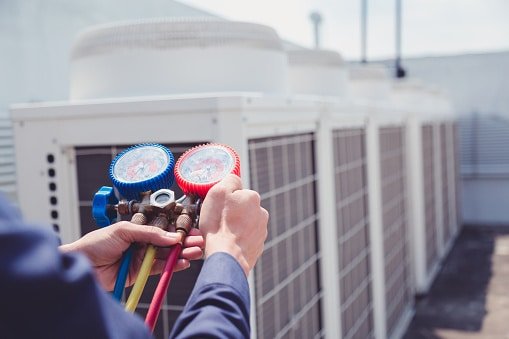
Clean AC coils at home by turning off power, removing debris, and using a coil cleaner and soft brush.
I’ve cleaned dozens of units and will walk you through exactly how to clean ac coils at home with safe, step-by-step guidance. This guide explains why coils matter, what tools to use, and clear procedures for both evaporator and condenser coils so you can improve efficiency and lower energy bills. You’ll get practical tips from real-world experience, common mistakes to avoid, and a simple maintenance plan to keep your system running well.

Why cleaning AC coils matters
Dirty coils reduce cooling capacity, raise energy use, and can shorten compressor life. Both evaporator coils (inside) and condenser coils (outside) exchange heat. When they are clogged with dust, grease, or leaves, airflow and heat transfer fall sharply. Learning how to clean ac coils at home saves money and prevents small problems from becoming major repairs.

Tools and materials you’ll need
- Screwdriver set to open panels or access covers.
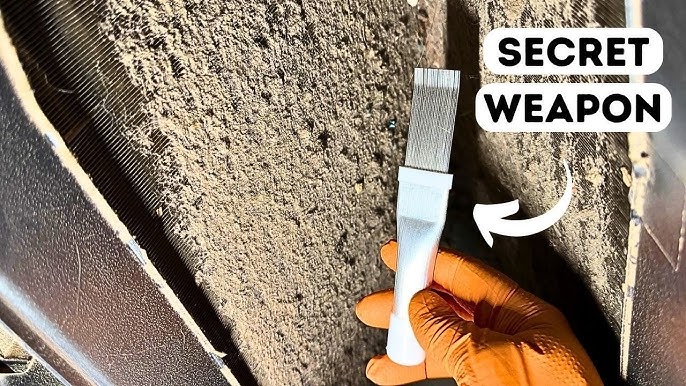
- Fin comb to straighten bent fins and improve airflow.
- Soft brush or coil brush for gentle cleaning of fins and coils.
- Coil cleaner (no-rinse foaming cleaner for evaporator coils; heavy-duty for condenser coils).
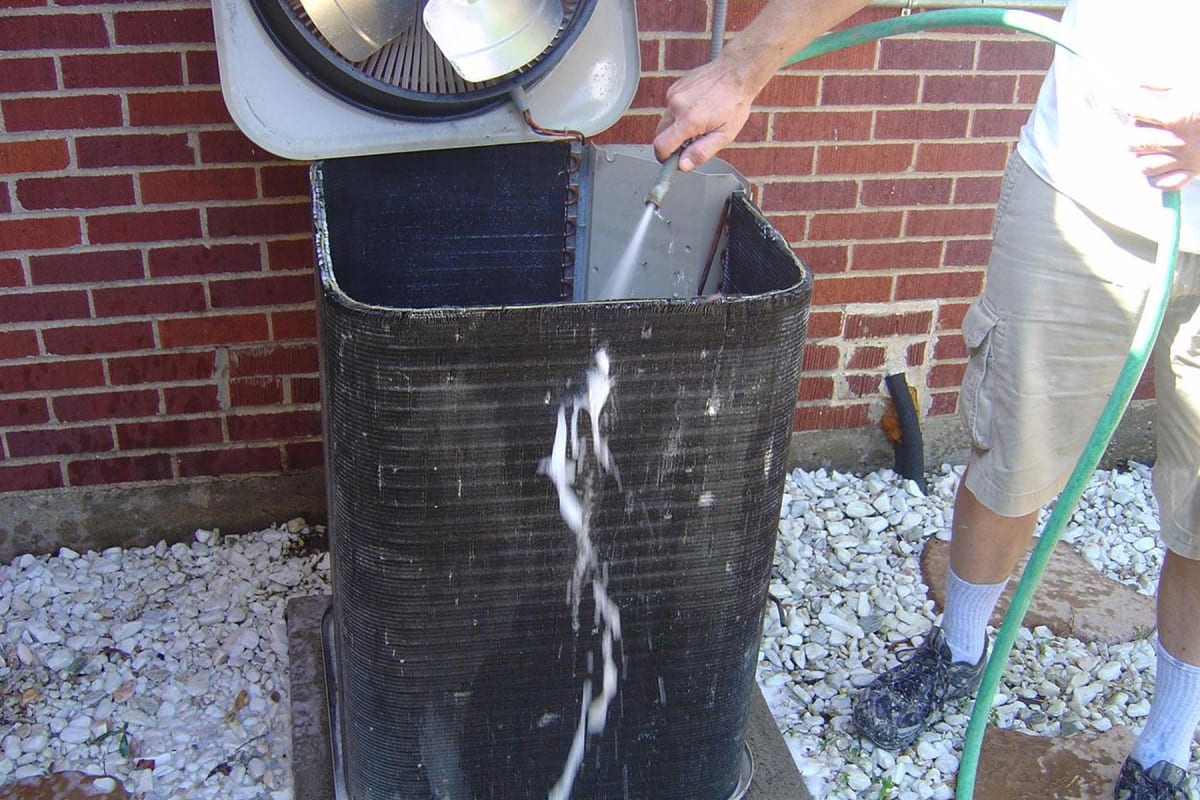
- Garden hose with spray nozzle for condensing unit rinsing.
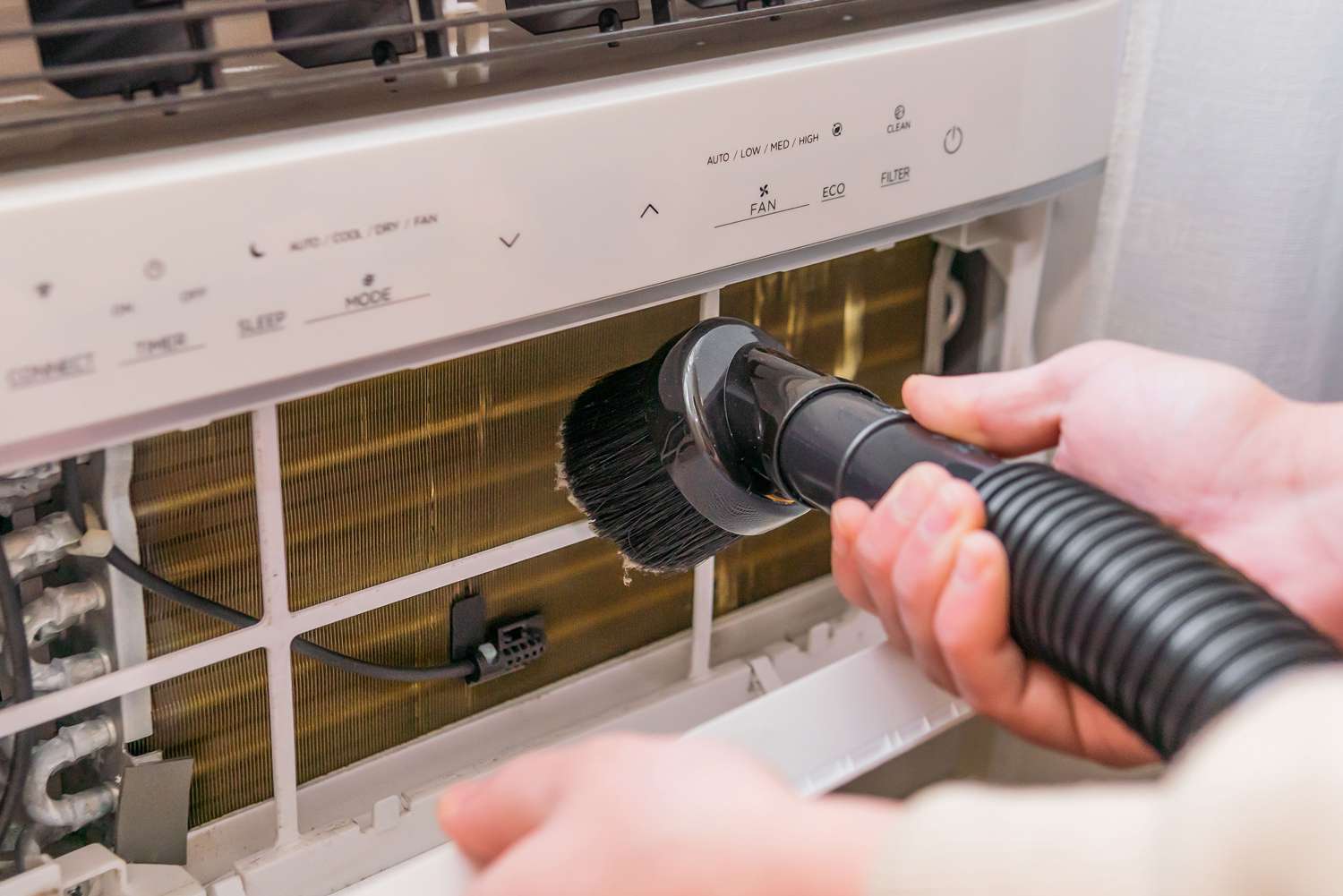
- Shop vacuum with brush attachment to remove dust and debris.
- Protective gloves and safety glasses to protect hands and eyes.
Safety first
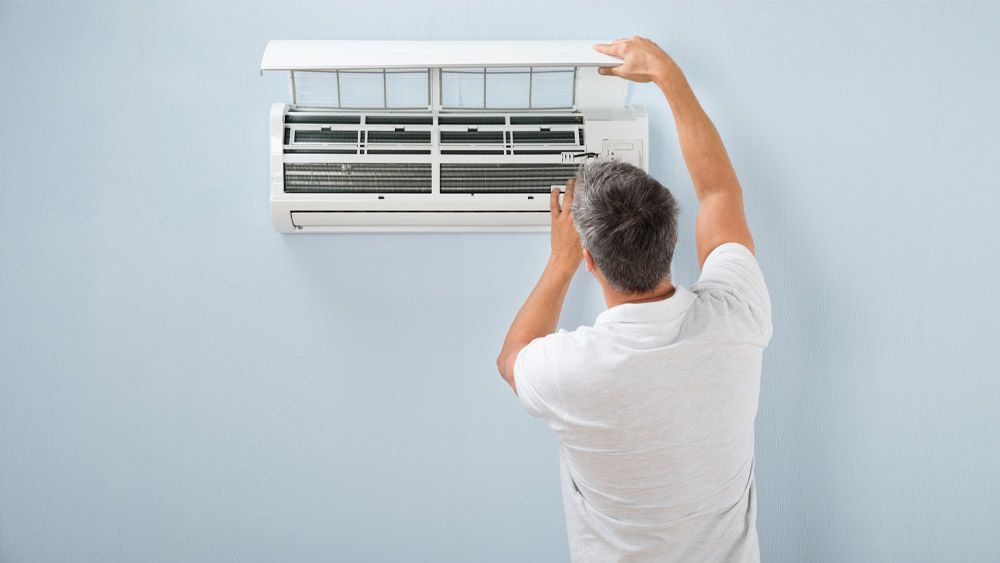
Always shut power to the unit before you start. Flip the breaker for the outdoor unit and the indoor air handler to avoid motor or fan accidents. Wear gloves and eye protection when handling cleaning chemicals and when combing fins. If you smell refrigerant or see oil, stop and call a pro—those are signs you should not attempt further DIY repairs.
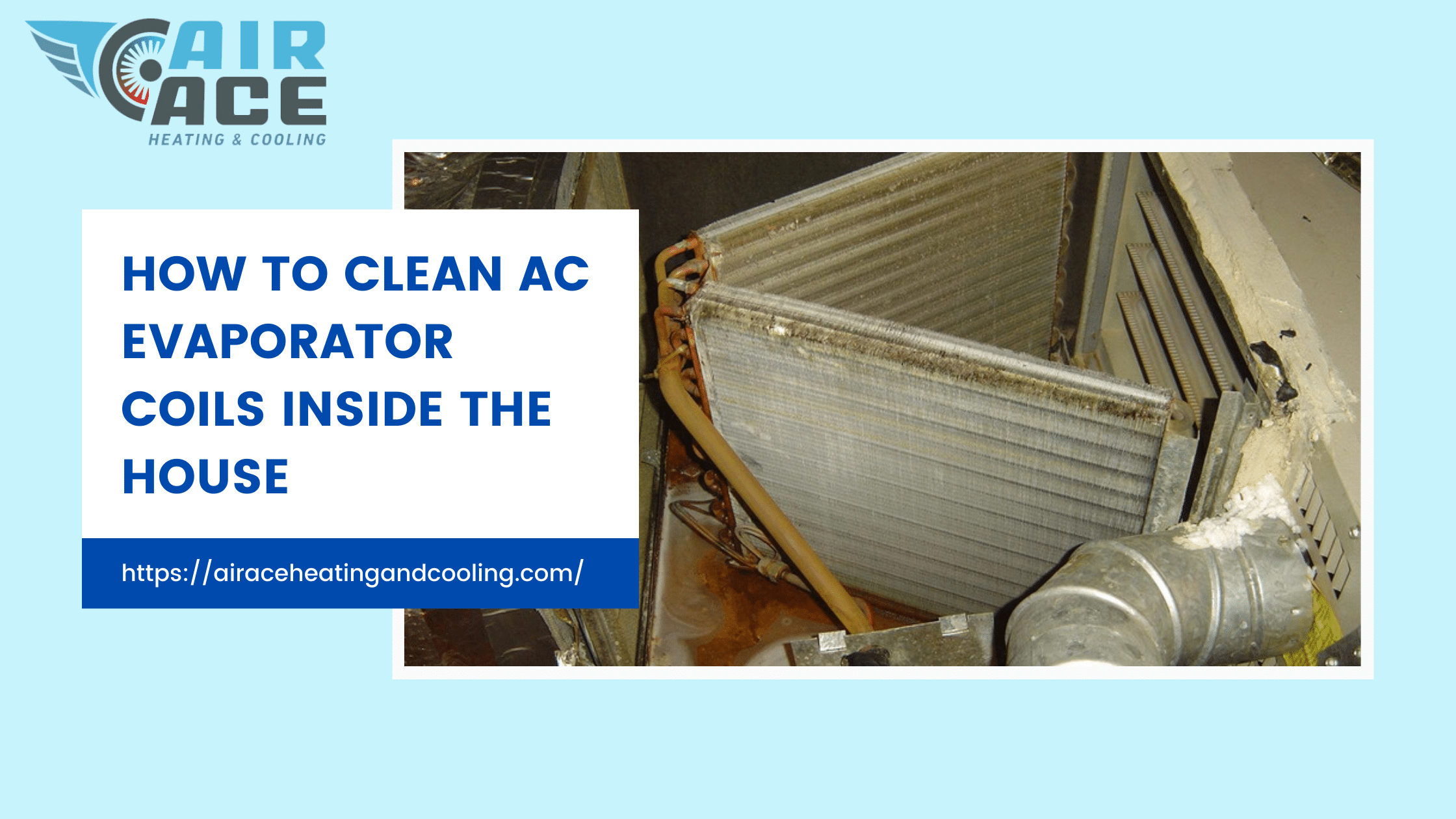
How to clean ac coils at home: evaporator coils (indoor)
- Turn off power at the breaker and the disconnect switch. Confirm power is off using the unit’s controls.
- Remove the access panel to reach the evaporator coil and blower area. Keep screws in a safe place.
- Inspect the coil for heavy dust, mold, or sticky residue. Use a soft brush or shop vacuum to remove surface debris.
- Apply a no-rinse foaming coil cleaner evenly across the coil. Let the foam work for the time shown on the product instructions.
- If the coil is very dirty, repeat cleaning and gently rinse with a little water on a spray bottle—avoid excess water near electrical parts.
- Straighten any bent fins with a fin comb to improve airflow. Replace panels and restore power after everything is dry.
Personal note: I once cleaned an evaporator coil that cut cooling time by half. Taking time to remove filter-clogged dust made the system feel like new. Doing this every year keeps the evaporator coil efficient and helps avoid costly repairs.
How to clean ac coils at home: condenser coils (outdoor)
- Turn off power at the outdoor disconnect and at the breaker. Confirm the condenser fan is not running.
- Clear debris around the unit—leaves, grass clippings, and sticks reduce airflow. Trim vegetation at least two feet away.
- Remove the top or side panels if needed to access the coils. Take care with electrical connections.
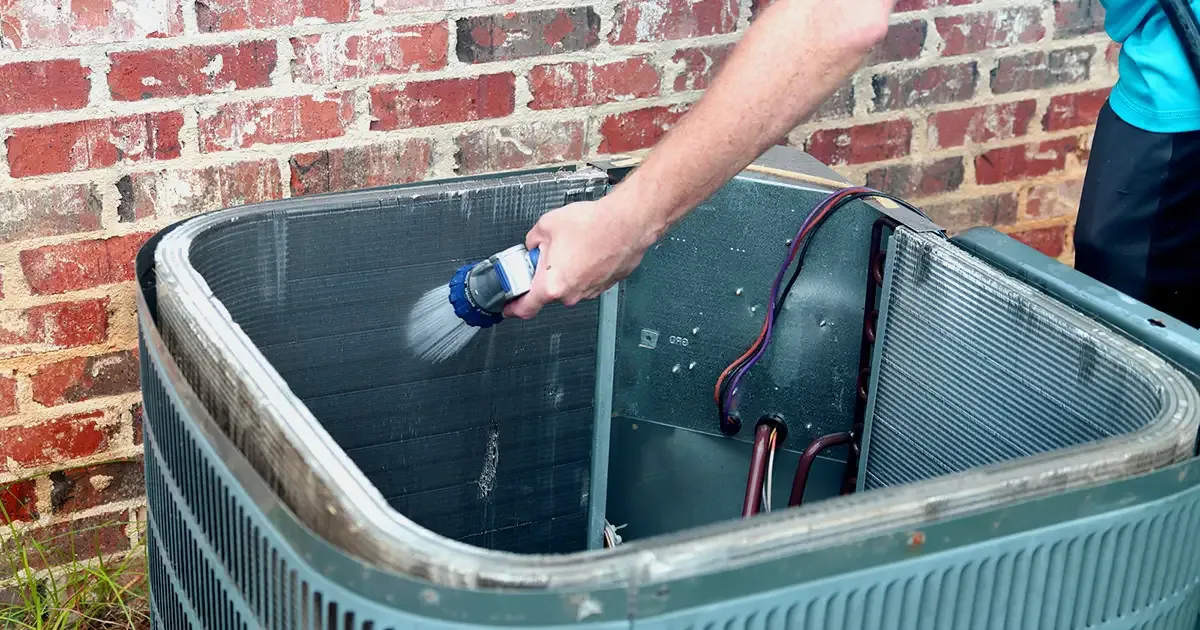
- Use a soft brush and vacuum to remove surface dirt. Work in the direction of the fins to avoid damage.
- Apply a heavy-duty foaming condenser coil cleaner and follow the product’s dwell time. Let loosened grime drip away.
- Rinse the coils gently with a garden hose using low pressure. High pressure can bend the fins or force water into electrical parts.
- Straighten fins with a fin comb if needed and reassemble the unit. Restore power and test the system.
Tip from experience: Rinse early in the morning or late afternoon to avoid rapid drying which can leave residue. Regular cleaning of how to clean ac coils at home for the condenser unit keeps compressors cooler and improves lifespan.
Maintenance schedule and practical tips
- Clean or replace air filters every 1–3 months to reduce coil buildup.
- Inspect evaporator coils yearly during a seasonal tune-up and clean as needed.
- Clean condenser coils at least once a year, more often in dusty or pollen-heavy areas.
- Keep a log of cleanings to track performance and energy savings.
- Consider a professional inspection every 2–3 years for refrigerant checks and deeper diagnostics.
Practical tip: When you follow a simple routine for how to clean ac coils at home, you’ll likely notice steadier temperatures and lower electric bills. Small, regular actions prevent major fixes.
Signs your coils need cleaning
- Airflow feels weak even when the fan runs at full speed.
- Cooling takes longer and thermostat cycles more frequently.
- The outdoor unit is hot to the touch and runs constantly.
- Ice forms on evaporator coils because insufficient heat transfer causes freezing.
- Higher energy bills without a change in usage or weather.

Common mistakes to avoid
- Using high-pressure water on condenser coils which can bend fins and damage components.
- Skipping power shutoff and risking electric shock or motor damage.
- Using the wrong chemical cleaner on evaporator coils or indoor components.
- Ignoring bent fins—small fin damage reduces airflow significantly.
- Over-wetting the air handler and causing mold or electrical problems.
Frequently Asked Questions of how to clean ac coils at home
What is the best cleaner for AC coils at home?
Use a no-rinse foaming cleaner for evaporator coils and a heavy-duty condenser coil cleaner for outdoor coils. Choose products labeled safe for HVAC use and follow the manufacturer’s instructions.
How often should I clean evaporator and condenser coils?
Clean evaporator coils annually and condenser coils at least once a year; more often if you have pets, construction dust, or heavy pollen. Check filters monthly to help reduce coil dirt.
Can I use household cleaners to clean AC coils?
Avoid general household cleaners unless they are specified for HVAC coils. Household cleaners can leave residues or damage fins and coatings on the coils.
Will cleaning coils improve my AC’s efficiency?
Yes. Clean coils transfer heat more effectively, so the system runs less and uses less energy. Many users see noticeable cooling improvement after cleaning.
Is it safe to clean AC coils myself?
Yes, for basic cleaning if you follow safety steps: turn off power, use correct cleaners, and avoid damaging fins. Call a pro if you encounter refrigerant leaks, oil, or excessive corrosion.
What if I find mold on the evaporator coil?
Use an HVAC-safe coil cleaner that targets biological growth and ensure the drain pan and lines are clear. If mold is extensive, consult a professional to avoid health risks and ensure thorough remediation.
Conclusion
Cleaning your AC coils is a practical way to boost comfort, lower energy costs, and extend equipment life. Follow the step-by-step procedures, use the right tools, and keep a routine schedule to make how to clean ac coils at home simple and safe. Try one cleaning session this season and see the difference—then subscribe to a maintenance habit that keeps your system efficient. Leave a comment below to share your experience or ask a question about your specific unit.