HVAC technicians use hand tools, power tools, diagnostic meters, refrigeration gear, and safety equipment.
I have spent years working on furnaces, split systems, and rooftop units. I know what tools do HVAC technicians use and why each tool matters. This guide explains the tools, how to use them, and real tips from the field so you can choose, maintain, or buy the right kit.
Overview: Why tools matter and what they cover
Tools let techs diagnose problems fast, fix systems safely, and test performance accurately. Knowing what tools do HVAC technicians use helps you spot quality work and plan tool purchases. This article breaks tools into clear categories. You will learn common tools, specialty gear, safety items, and buying tips.
Essential hand tools every HVAC technician uses
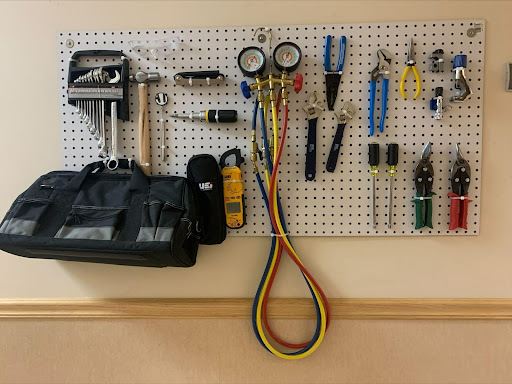
Hand tools form the backbone of a tech bag. These are simple, durable items used daily on jobs.
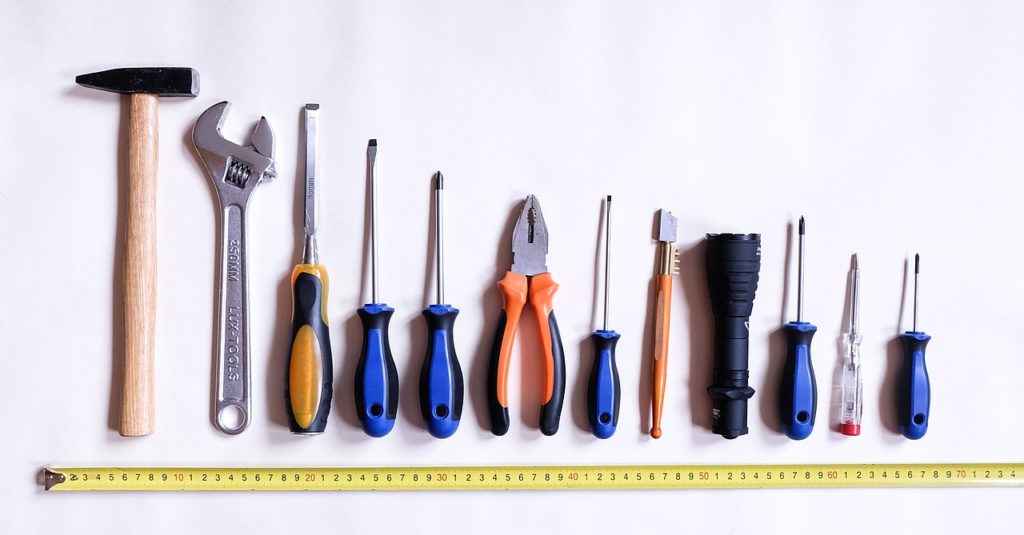
- Screwdrivers A set with flat, Phillips, and nut drivers for controls, panels, and terminals.
- Pliers Needle-nose, lineman, and groove-joint pliers for gripping, bending, and cutting wire.
- Wrenches Adjustable and combination wrenches for valves, fittings, and fasteners.
- Socket set Deep and shallow sockets for tight spaces and motor mounts.
- Utility knife For insulation, tape, and duct work.
- Tape measure For accurate duct, line set, and equipment placement.
- HVAC snips and shears For sheet metal cutting and trimming.
- Tape and fasteners Teflon tape, aluminum foil tape, and clamps for sealing and securing.
What tools do HVAC technicians use in hand-tool form? These basics are the answer. They are inexpensive but essential for safe, fast work.
Common power tools and accessories
Power tools speed up heavy tasks and make repeatable cuts and holes easy.
- Cordless drill/driver For screws, anchors, and light drilling.
- Impact driver For stubborn fasteners and quicker installs.
- Reciprocating saw For demolition and cutting larger pipes.
- Hole saws and step bits For clean holes in metal and HVAC panels.
- Portable band saw or mini circular saw For clean cuts on conduit and larger tubing.
- Pipe crimper and electric pipe cutter For speed on lines and conduit.
- Portable vacuum pump (for evacuation) Often used with gauges during refrigerant service.
These tools answer what tools do HVAC technicians use when speed and precision matter.
Diagnostic and measurement tools
Accurate diagnosis depends on good measurement gear. These tools show system health and guide repair.
- Digital multimeter Measures voltage, current, and resistance to find electrical faults.
- Clamp meter Quick current checks on compressors and motors without breaking circuits.
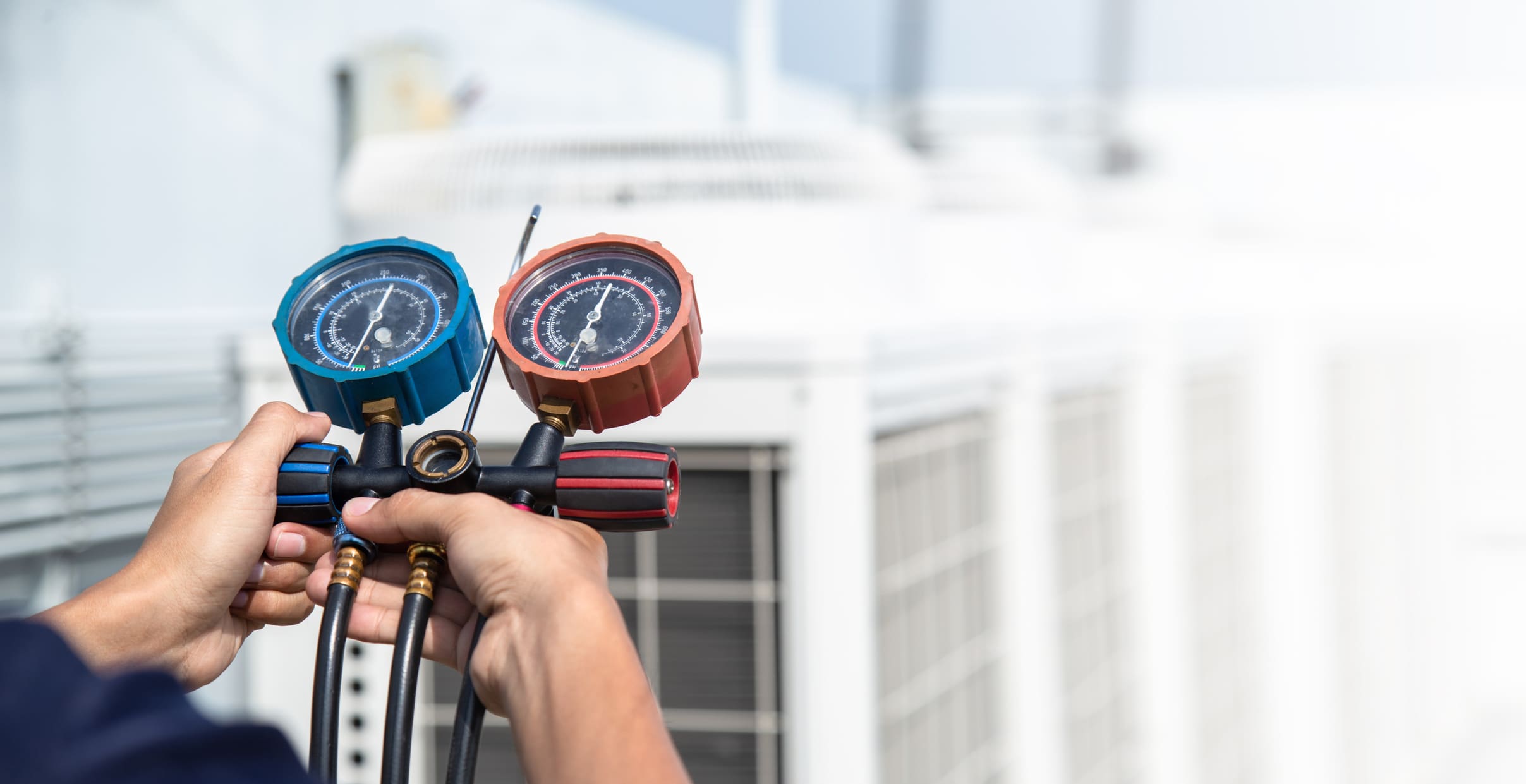
- Manifold gauge set Measures refrigerant pressures for charging and leak diagnosis.
- Refrigerant scale Ensures correct charge by weight for modern systems.
- Thermometers and infrared thermometer Checks surface and air temperatures quickly.
- HVAC thermometer probe or psychrometer For wet bulb/dry bulb readings and airflow checks.
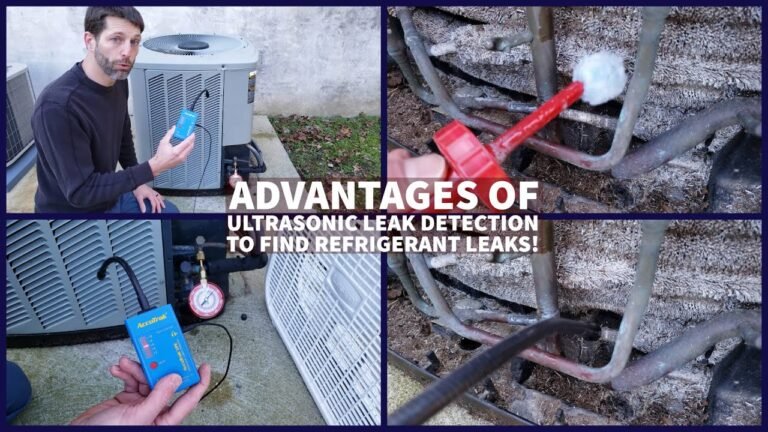
- Leak detector Electronic sniffer or ultrasonic detectors for refrigerant leaks.
- Combustion analyzer Tests gas furnaces for safe and efficient combustion.
- Anemometer Measures airflow in ducts and vents.
When you ask what tools do HVAC technicians use for diagnosis, these tools appear on nearly every truck.

Refrigeration and HVAC-specific tools
HVAC systems use refrigerant and special fittings. These tools are built for that work.
- Refrigerant recovery machine Recovers refrigerant per regulations during service.
- Vacuum pump Removes moisture and non-condensables before charging systems.
- Brazing kit and torch For joining copper lines with silver solder or braze rods.
- Flaring tool and tubing cutter For making clean line set connections.
- Line set bender Prevents kinks when bending copper tubing.
- Filter drier access tools For replacing or accessing driers and service ports.
These tools answer what tools do HVAC technicians use for refrigeration work and compliance.
Safety gear and personal protective equipment (PPE)
Safety tools protect techs and customers. They are non-negotiable.
- Safety glasses Protect eyes from sparks, debris, and refrigerant spray.
- Gloves Insulated gloves for electrical work and heavy leather for brazing.
- Respirator or mask For soldering fumes, insulation fibers, or chemical exposure.
- Hearing protection For loud power tools or rooftop units with high decibel levels.
- Insulated hand tools Reduce shock risk during live electrical work.
- Fall protection Harnesses and lanyards for rooftop jobs.
Safety answers part of what tools do HVAC technicians use: not just to fix, but to do so safely.

Specialty tools and emerging technology
Modern HVAC work includes smart tools and tech-driven diagnostics. These tools save time and add value.
- Thermal imaging camera Visualizes heat patterns on coils, motors, and ducts.
- Wireless refrigerant detectors Monitor leaks over time and send alerts.
- Tablet or smartphone with apps For wiring diagrams, equipment manuals, and digital forms.
- IoT sensor kits For building diagnostics and long-term monitoring.
- Digital manifolds and Bluetooth gauges For logging and sharing data with clients.
These items show how what tools do HVAC technicians use is evolving. Techs who adopt them work smarter.

Tool care, organization, and buying tips
Good tools last longer. Good habits save money and reduce downtime.
- Clean and dry tools after each job Prevent rust and wear.
- Calibrate diagnostic tools yearly Ensure readings stay accurate.
- Invest in quality for frequently used items A good multimeter or manifold saves time.
- Use a modular tool bag or box Keep essentials organized and easy to grab.
- Keep spare parts and common fittings Saves trips back to the shop.
When choosing what tools do HVAC technicians use, think of lifetime cost, not just price. Warranty and serviceability matter.
Real-world examples and personal experience
I once diagnosed a noisy compressor using thermal imaging and a clamp meter. The image showed a hot spot on the motor bearing. The clamp meter confirmed high current draw. Replacing the bearing fixed the noise and saved the customer a full compressor replacement.
A common mistake I’ve seen is skipping calibration on manifold gauges. That leads to wrong refrigerant charge and repeat calls. My tip: mark tool service dates and replace batteries before busy seasons.
These stories illustrate what tools do HVAC technicians use in practice and how they change outcomes.
Frequently Asked Questions of what tools do hvac technicians use
What basic tools should a new HVAC technician buy first?
Start with a quality multimeter, manifold gauge set, vacuum pump, basic hand tools, and safety glasses. These cover most entry-level service calls.
How often should diagnostic tools be calibrated?
Calibrate sensitive tools like manifold gauges and combustion analyzers at least once a year. More frequent checks are wise in heavy use or regulated work.
Are thermal cameras necessary for HVAC work?
Thermal cameras are not required but are highly useful for spotting leaks, blockages, and electrical hotspots quickly. They speed diagnosis and improve reporting.
Can HVAC technicians use generic tools instead of HVAC-specific tools?
Generic tools can work for simple tasks, but HVAC-specific tools like flaring kits and recovery machines ensure code compliance and correct repairs. Using the right tool reduces risk and rework.
What safety gear is most important on the job?
Eye protection, gloves, and an appropriate respirator are top priorities. Insulated tools are critical when working around live electrical components.
How much should a basic HVAC tool kit cost?
A basic starter kit varies by brand and quality but expect to invest several hundred dollars for reliable tools. Higher-end diagnostic gear raises the cost but pays off in speed and accuracy.
Conclusion
You now know what tools do HVAC technicians use and why each group matters. From simple screwdrivers to thermal cameras, the right tool saves time, money, and risk. Start with quality basics, invest in diagnostic gear, and keep tools well maintained. Try one upgrade this season—buy a reliable multimeter or a thermal camera—and watch how much smoother your work becomes. Share this guide, subscribe for more trade tips, or leave a comment about your go-to HVAC tool.