Locate studs by eye, tapping, and using outlets or trim as guides.
I’ve spent years renovating homes and teaching DIY basics. I’ll show clear, tested ways to find studs in a wall without tool, explain why they work, and share simple steps you can trust. This guide covers visual signs, knocking techniques, outlet and trim clues, spacing rules, safety tips, and a step-by-step method for how to find studs in a wall without tool so you can hang shelves, frames, or TVs confidently.

Visual clues and wall features to inspect
Look for small clues on the wall first. Paint bulges, nail pops, and dimples often mark where studs sit. Baseboards and crown molding are nailed into studs, so look for regular nail heads or slight bumps along the trim to trace stud lines. Checking around windows and doors helps too, because studs frame those openings.
How to find studs in a wall without tool starts with careful observation. Spend a few minutes scanning walls in bright light. This simple habit avoids random drilling and reduces damage.
Knock and listen: the classic no-tool method
Tap the wall with your knuckles and listen for changes in sound. A hollow sound means no stud; a solid, dull thud usually indicates a stud behind the drywall. Move horizontally in short steps and mark where the tone changes to map the stud line. Practice helps — my first few tries were shaky, but I got reliable at it after a couple of rooms.
Using sound is central to how to find studs in a wall without tool. It’s quiet, fast, and usually accurate within an inch or two when you move slowly.
Use outlets, switches, trim, and seams as anchors
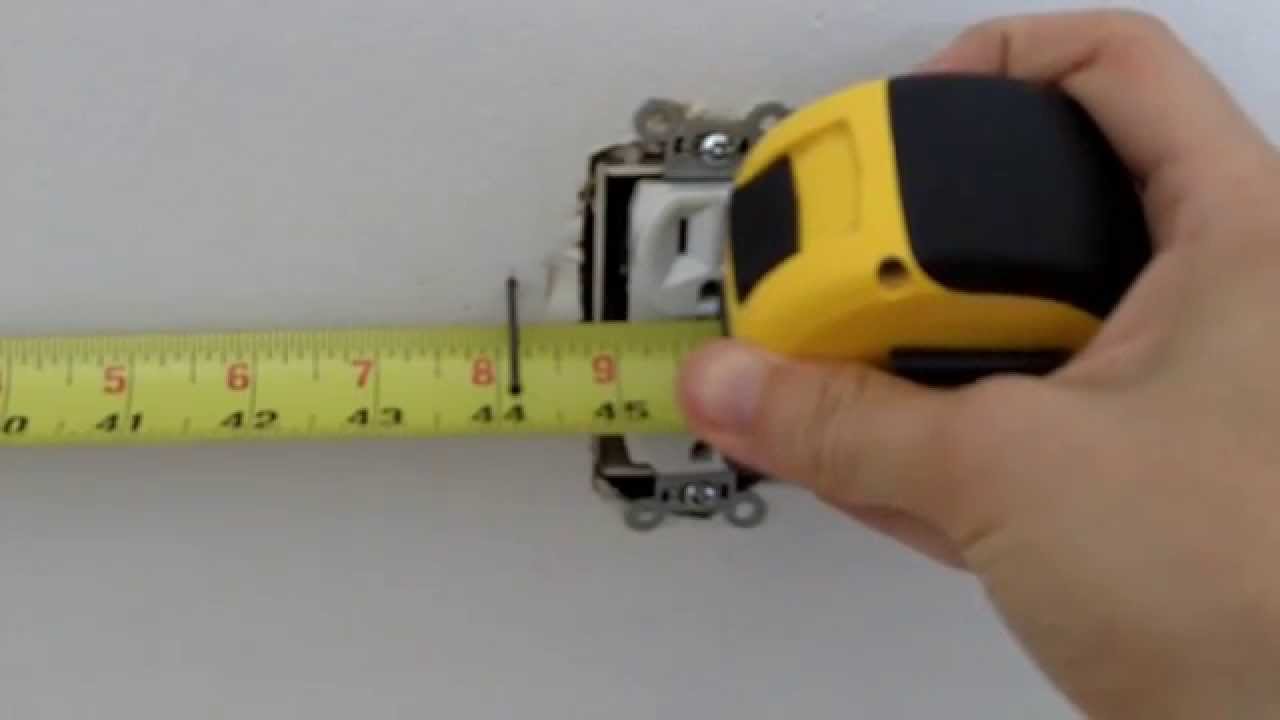
Electrical outlets and light switches are almost always mounted to the side of a stud. Remove the outlet cover (turn power off first) and look which side the box is attached to. Baseboards and crown molding nails often hit studs every 16 inches or 24 inches. Interior seams or butt joints in drywall sometimes align with stud locations too.
This practical approach to how to find studs in a wall without tool saves time. Start from a known anchor like an outlet, then measure and tap outward.

Typical stud spacing and measuring rules of thumb
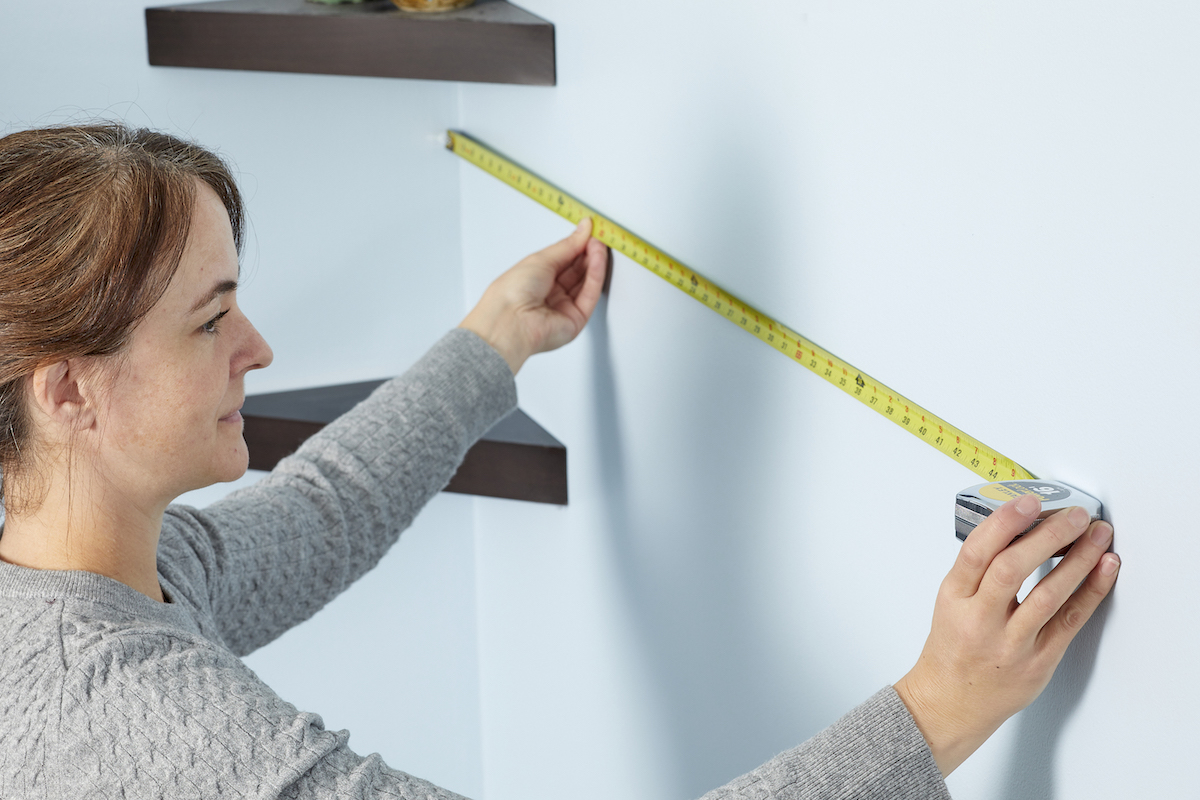
Most modern houses use studs spaced 16 inches on center. Older homes or some walls use 24-inch spacing. If you find one stud, measure 16 inches left and right for the next likely stud. For door and window frames, studs are closer together near the opening and often doubled up for support.
Knowing these patterns improves how to find studs in a wall without tool. Treat 16 inches as the default, but check spacing visually to confirm before drilling.

Step-by-step guide: find studs in a wall without tool
- Pick a starting point that’s easy to inspect, like an outlet or window trim.
- Scan the wall for bumps, nail heads, or paper tears in paint. Mark any signs.
- Tap the wall in 1–2 inch steps and listen. Mark solid spots as you go.
- Measure from an anchor point 16 inches at a time to predict studs. Mark predicted lines.
- Confirm by tapping along predicted lines and watch for consistent solid sounds.
- Make a small test hole only if necessary and safe; patch it later if wrong.
This step-by-step helps when you need a clear path for how to find studs in a wall without tool. I used this routine when mounting a heavy shelf; starting at an outlet saved time and kept my holes small.

When to avoid guessing and safety tips
Don’t guess when you need to support heavy loads. If you must hang very heavy items, use a stud finder or consult a pro. Always turn off power before opening outlet covers. Avoid cutting into walls where plumbing or wiring may run, especially near sinks and kitchens.
Safety matters whenever you learn how to find studs in a wall without tool. If anything feels uncertain, stop and get a second opinion.
:max_bytes(150000):strip_icc()/find-a-stud-in-a-wall-182288-02a-aae36145598949d184d73248f4397979.jpg)
Frequently Asked Questions of how to find studs in a wall without tool
How accurate is knocking to find studs?
Knocking is generally accurate within an inch or two when you move slowly and compare hollow and solid sounds. Practice increases accuracy.
Can I use a magnet or household item instead of a tool?
A small magnet helps locate nails or screws in studs, but that is technically a household tool. Without any items, rely on visual cues and tapping.
How far apart are studs usually placed?
Most studs are 16 inches on center, though some walls use 24 inches. Measure from a confirmed stud to check spacing before drilling.
What if there’s no outlet on the wall?
Start at trim, doors, or windows and follow nail patterns or seams. Use tapping and measure in 16-inch increments from those anchors.
Is it safe to drill after finding a stud by tapping?
If you confirm a stud by tapping and locating consistent solid spots, drilling is usually safe. Still turn off nearby power if you are near outlets or switches.
Conclusion
You can reliably learn how to find studs in a wall without tool by observing visual signs, tapping and listening, using anchors like outlets and trim, and applying stud spacing rules. Start simple, move slowly, and confirm before making big holes. Try these steps on a small wall area today and share what you find—leave a comment or subscribe for more hands-on DIY tips.