Basic hand tools, testers, PPE, and a small set of power tools will get beginners started.
I’ve worked as an electrician and trained apprentices for over a decade. This clear, practical guide shows what tools do electricians need beginners, why each item matters, and how to choose and use them safely. Read on for step-by-step gear lists, buying tips, and field-tested advice that will save time and keep you safe on the job.

Essential hand tools every beginner needs
As a starter, focus on durable hand tools that fit your hands. Knowing what tools do electricians need beginners helps you invest in gear that lasts and keeps you safe. Choose insulated handles for live work and mid-range prices for best value.
- Screwdriver set: Phillips and flat drivers in multiple sizes for switches, outlets, and panels.
- Nut drivers: Common sizes 1/4", 5/16", and 3/8" for terminal nuts and fixtures.
- Linesman pliers: Strong cutting and twisting tool for wires and connectors.
- Needle-nose pliers: Reach tight spots and bend small gauge wire.
- Wire strippers: Precision stripping for 14 to 10 AWG wire with clean cuts.
- Utility knife: Clean sheathing and open cable jackets safely.
- Tape measure: At least 25 feet for rough layouts and box placement.
- Adjustable wrench: Tighten bolts on fixtures and mounts.
- Flashlight or headlamp: Hands-free lighting for dark panels and attics.
Personal tip: I once tried cheap wire strippers and lost time on a single job. Buying a reliable striper saved me minutes on every outlet. Invest early in a few quality pieces rather than many cheap ones.
Measuring and testing tools beginners must have
Testing tools protect you and confirm circuits. Understanding what tools do electricians need beginners includes reliable testers and meters to prevent mistakes.
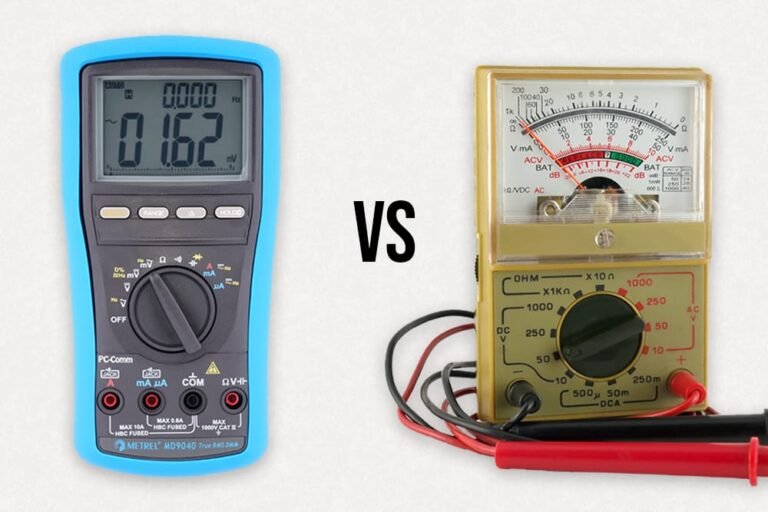
- Digital multimeter: Measures voltage, resistance, and continuity. Choose one with CAT ratings.
- Non-contact voltage tester: Quick check for live wires without touching conductors.
- Clamp meter: Measures current without disconnecting conductors, useful for HVAC and load checks.
- Outlet/receptacle tester: Detects wiring faults like open ground or reversed polarity.
- GFCI tester: Ensures ground-fault interrupters will trip correctly during tests.
- Continuity tester: Simple check to confirm wiring runs and switches work.
Experience note: I learned to check a circuit with a non-contact tester first, then confirm with a multimeter. That two-step habit reduced near-misses and built confidence on new jobs.

Power tools and cordless essentials for beginners
Power tools boost speed but pick ones that are compact and reliable. When deciding what tools do electricians need beginners should weigh battery life, weight, and ergonomics.
- Cordless drill/driver: For screws, anchors, and light drilling. Keep 18V or 20V as a baseline.
- Impact driver: Faster for heavy fastening and work with bolts.
- Reciprocating saw: Demolition and cutting through metal or wood in remodels.
- Right-angle drill or screwdriver: Access tight spaces in panels and studs.
- Fish tape or wire puller: Pull wire through conduits and walls easily.
- Portable cordless lights: Bright job-site lights with long run times.
Battery tip: Keep at least two battery packs and a fast charger. I once stalled an install waiting for a charge; spares kept the job moving.
 personal protective equipment (PPE)”
style=”max-width: 100%; height: auto; border: 2px solid black; border-radius: 10px; display: block; margin: 0 auto;”
loading=”lazy”
/>
Safety gear and personal protective equipment (PPE)
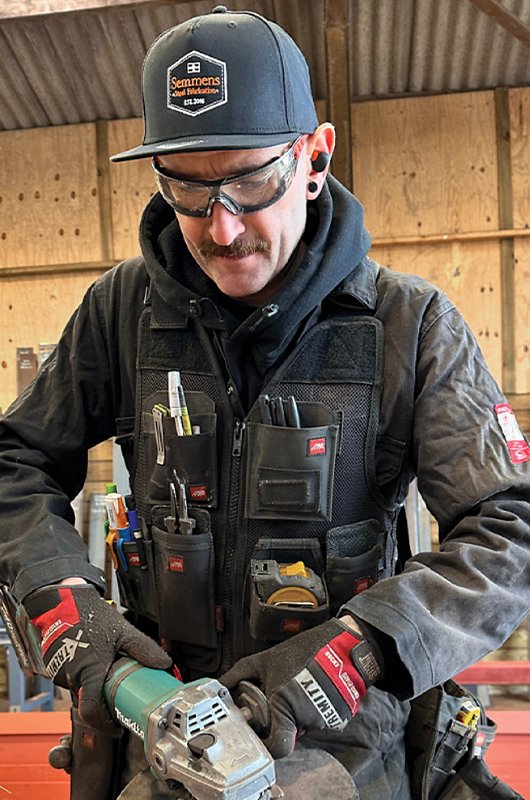
Safety gear is non-negotiable. Knowing what tools do electricians need beginners must include PPE to prevent serious injury.
- Safety glasses: Protect against sparks, dust, and wire shards.
- Insulated gloves: Use the right class for voltage and task; store and test them periodically.
- Hearing protection: For long work near loud tools or machinery.
- Work boots: Electrical-rated, slip-resistant boots with toe protection.
- Arc-rated clothing and face protection: For live-panel work and industrial environments.
- Hard hat: Required on many commercial sites for overhead risks.
Remember: PPE does not replace safe work practices but it does reduce risk. I always check gloves and tools before starting a live job.
Tool storage, organization, and maintenance
Organized tools save time and reduce mistakes. Planning what tools do electricians need beginners includes a system to store and care for gear.
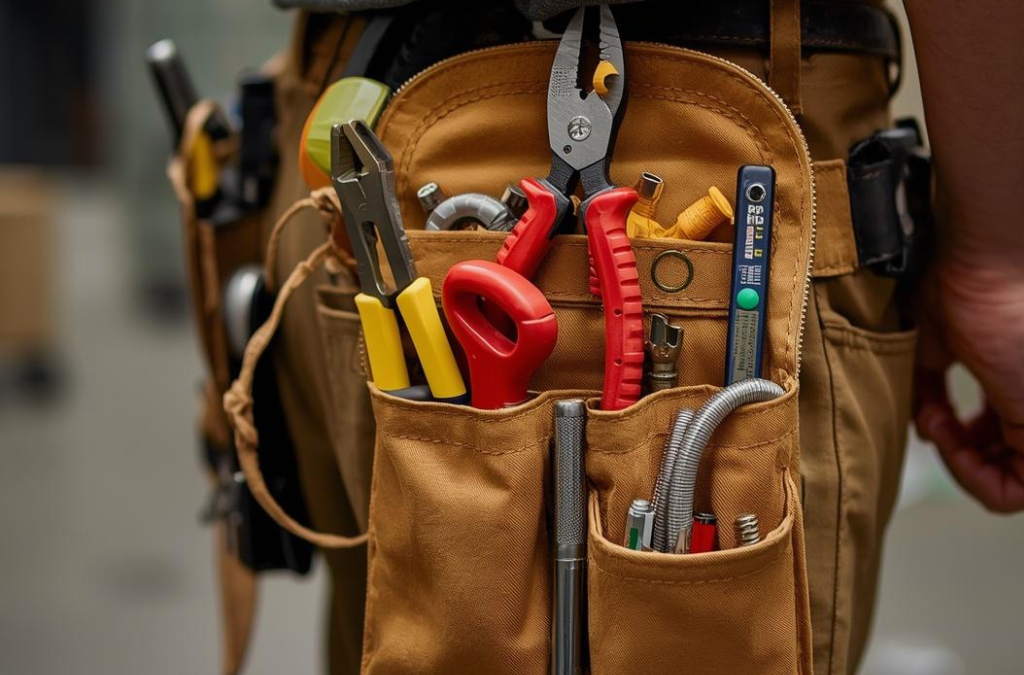
- Tool bag or box: Durable bag with pockets for pliers, strippers, and drivers.
- Small parts organizer: For screws, connectors, wire nuts, and terminal pins.
- Labeling: Mark tools and cases to prevent loss on busy sites.
- Battery care: Rotate and store batteries at moderate temperature to extend life.
- Calibration and inspection: Test multimeters and replace broken insulation on tools promptly.
My rule: return one tool to its spot after each task. Small habits like that stop lost tools and speed up the next job.

Buying tips and budget planning for beginners
Plan purchases and prioritize safety and testers first. When you wonder what tools do electricians need beginners, budget for quality in a few key areas.
- Prioritize safety gear and a reliable multimeter before expanding the kit.
- Buy a few high-quality hand tools rather than many cheap ones.
- Consider starter kits from reputable brands to cover basics at a lower cost.
- Evaluate warranties and tool service policies for long-term value.
- Shop sales or apprentice discounts to stretch your budget.
Budget snapshot: Expect to spend modestly for a basic kit, with key items costing the most. I saved by buying drivers and pliers from a trusted brand and adding accessories over time.
Common mistakes and tips from experience
Avoiding common mistakes speeds learning and prevents accidents. My experience shows simple habits make a big difference.
- Mistake: Relying on one cheap tester. Tip: use a non-contact tester then a multimeter to verify readings.
- Mistake: Skipping PPE to save time. Tip: wear safety glasses and gloves even for small jobs.
- Mistake: Overbuying power tools first. Tip: start with hand tools and a good tester, then add cordless tools.
- Mistake: Poor tool care. Tip: clean, inspect, and store tools after each job to extend life.
A real example: I once lost an afternoon tracing a miswired outlet because I skipped a quick continuity check. Now I always test from two angles.

Frequently Asked Questions of what tools do electricians need beginners
What is the first tool an electrician should buy?
Start with a good multimeter and a non-contact voltage tester. These protect you and verify circuits before other work.
How much does a beginner electrician toolbox cost?
A basic starter kit can range from a few hundred to around a thousand dollars depending on brand and whether you buy power tools. Focus spending on safety gear and reliable testers first.
Do beginners need insulated tools right away?
Yes, insulated tools rated for electrical work are essential for safety when working near live circuits. They reduce shock risk during accidental contact.
Can homeowners use the same tools as beginner electricians?
Homeowners can use basic testers and hand tools, but work on live circuits requires training. If unsure, consult a licensed electrician for safety.
How often should I calibrate or test my meters?
Check and test meters before each major job and follow manufacturer recommendations for calibration, typically annually for professional use.
Are apprentices allowed to use power tools on job sites?
Many apprentices use power tools under supervision and after training on safe operation and PPE. Site rules and local regulations determine allowed tasks.
What small tools save the most time for beginners?
Good wire strippers, a cordless drill, and a quality multimeter are the highest time-savers early on. They reduce redo work and speed installations.
Conclusion
You now have a clear map of what tools do electricians need beginners and how to choose them. Start with safety gear, a reliable multimeter, and a compact set of hand tools, then add power tools and organization gear as your skills grow. Take small steps, buy quality where it counts, and practice safe habits on every job. If this guide helped, try building your starter kit today, subscribe for more practical trade tips, or leave a comment about your first tool-buying experience.