Strip insulation cleanly using the right tool, the correct notch, and a steady pull every time.
I’ve stripped wires for over a decade in electronics repair and home projects. This guide explains clear, tested steps and tools so you can learn how to strip wires without damage safely, fast, and with confidence.
Why proper wire stripping matters
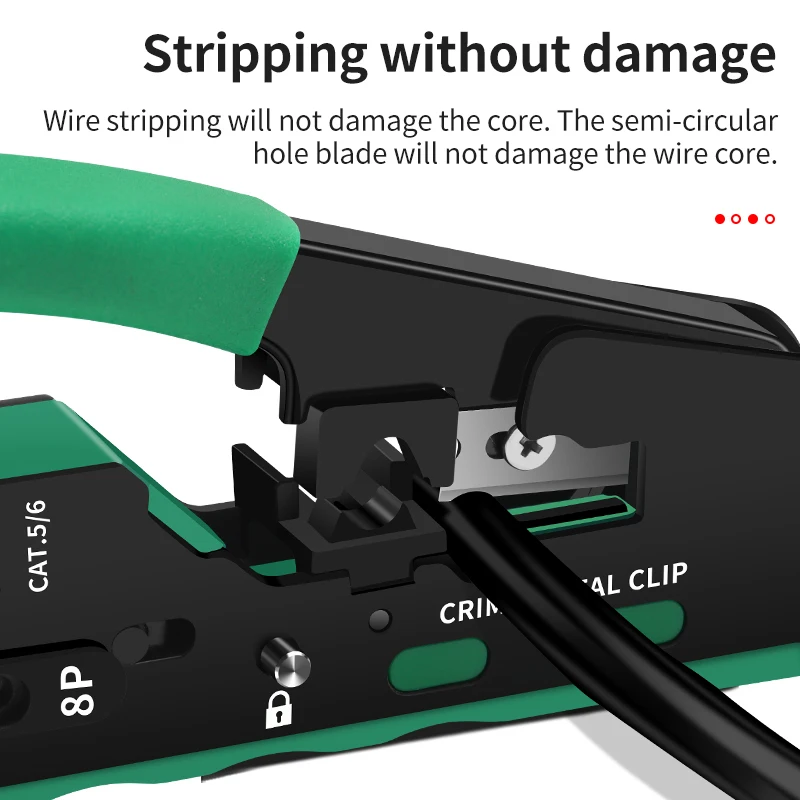
Stripping a wire without nicking the conductor keeps connections strong. A clean strip lowers resistance and prevents heat and corrosion.
Damaged strands cause poor joints and failures. Learning how to strip wires without damage saves time and prevents rework.
Tools you need to strip wires without damage
- Wire strippers with multiple gauge notches. Choose a quality model sized for your wire gauge.
- Precision or automatic strippers for small, stranded wires. They reduce the risk of cutting strands.
- Utility knife or X-Acto for controlled cuts on large cables. Use only for coax or armor with care.
- Pliers and side cutters to trim ends and cut cable cleanly.
- Heat-shrink tubing, solder, or crimp connectors to finish the joint.
- Multimeter to verify the wire is de-energized before you start.
- Safety glasses and gloves for protection.
Match tool to wire type to make learning how to strip wires without damage simple and repeatable.
Step-by-step guide to how to strip wires without damage
- Verify power is off. Always test with a multimeter. Never strip a live wire.
- Measure the needed exposed length. Mark with a pen or tape to be consistent.
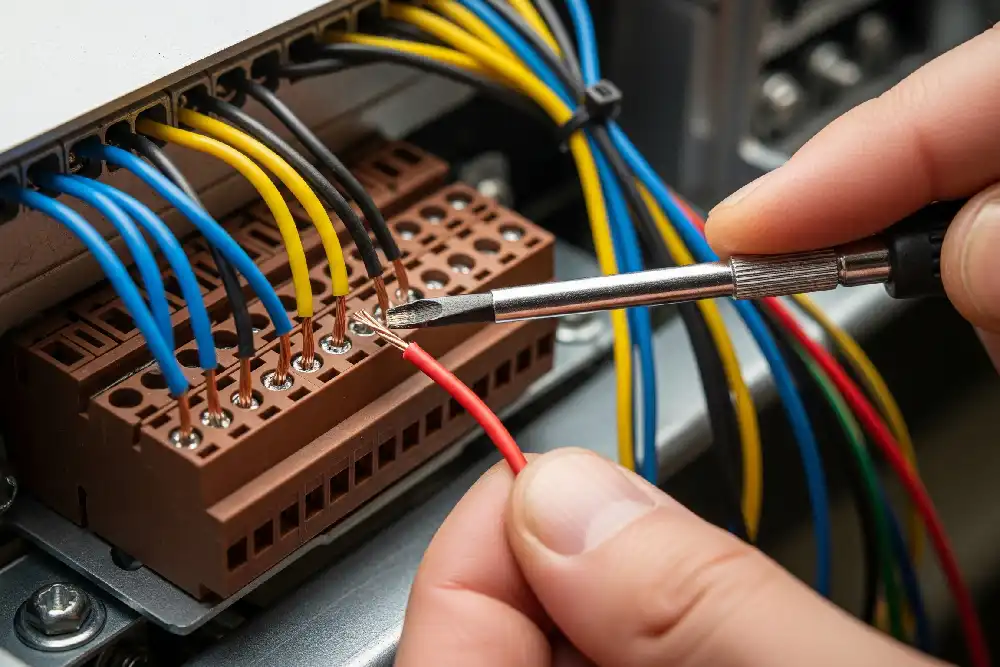
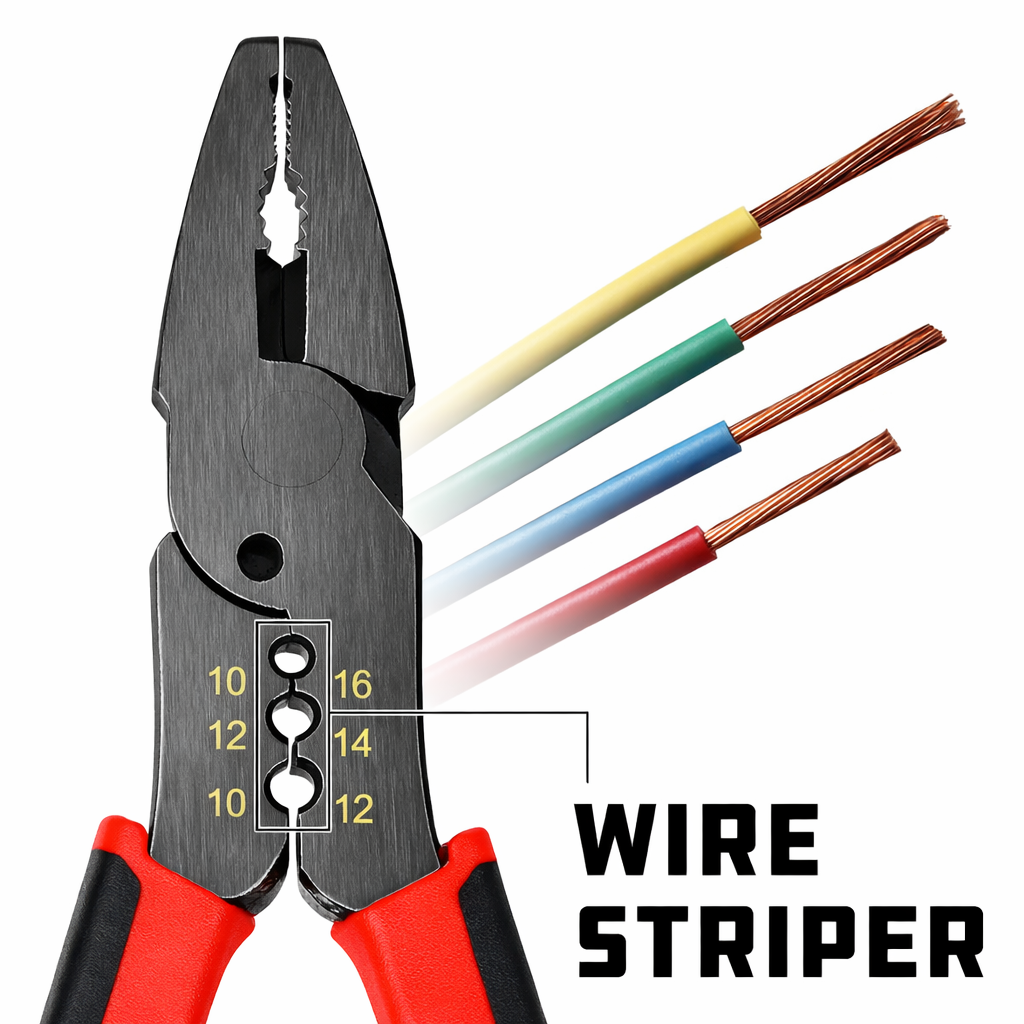
- Choose the correct notch on the wire strippers for the wire gauge. Wrong notches nick conductors.
- Place the insulation in the notch and close the jaws gently. Do not squeeze hard.
- Rotate the tool slightly to score the insulation if it is stiff. This helps release it.
- Pull the insulation straight off with one smooth motion. Avoid jerking or twisting the conductor.
- Inspect the conductor for nicks. If you see damaged strands, cut back and strip again.
- Finish the end: twist stranded wires, slide on heat-shrink, or crimp/solder as required.
Practice this routine to master how to strip wires without damage. Repeat each step slowly until it becomes natural.

How to strip different wire types safely
- Solid copper wire: Use a fixed-notch stripper sized to the gauge. A single clean pull works well.
- Stranded wire: Use a stripper or precision tool to avoid splaying strands. For very fine wire use automatic micro strippers.
- Enamelled or magnet wire: Scratch/abrade the enamel or use a chemical remover, then tin with solder. Do not score deeply.
- Coaxial cable: Trim the outer jacket, fold shielding back, and expose the center conductor carefully to avoid nicking it.
- Ribbon and flat cables: Use a specialized cutter or sharp blade and steady hand to expose contacts without cutting traces.
Choosing the right method is key to learning how to strip wires without damage for each wire type.
Safety tips and common mistakes
- Always turn off and test circuits. That is the first rule for how to strip wires without damage.
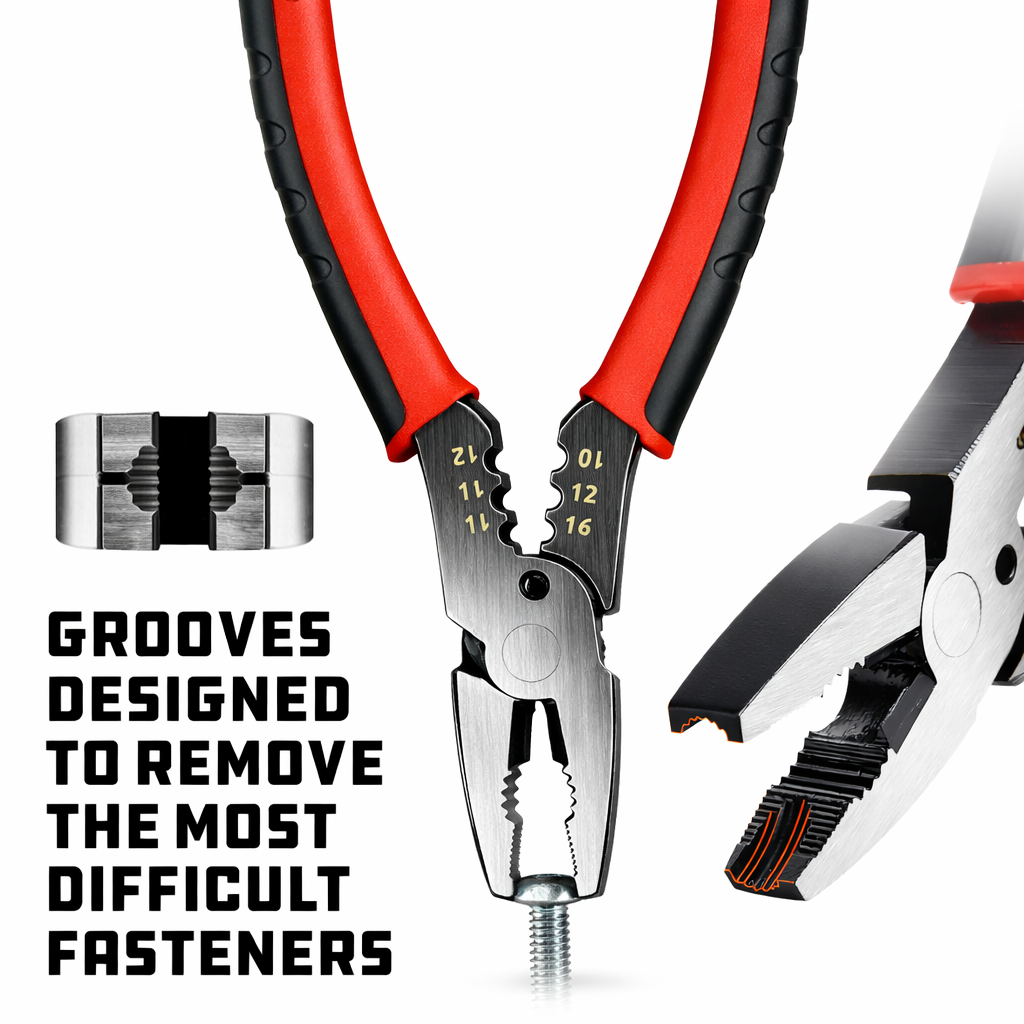
- Avoid using pliers as a stripper. That often nicks the conductor.
- Do not over-strip. Exposing too much conductor raises short risk.
- Replace cheap or worn tools. Dull jaws cut, they do not strip.
- Keep a steady hand and support the wire close to the strip point to prevent bending.
Common mistakes include using the wrong notch, pulling at an angle, and working on live circuits. Correct these to avoid damage.
Troubleshooting and repair after accidental damage
- If you nick strands slightly, trim back to undamaged wire and strip fresh. Never use a damaged section in a final joint.
- If strands are frayed, twist them tight, tin the end with solder, and then crimp or use a proper ferrule.
- For thin enamel or coated wires that won’t strip, use a fine sanding stick or a quick solder-and-wipe method to remove coating.
- If a conductor breaks or is deeply gouged, replace the cable or splice with a proper butt connector and heat-shrink.
Knowing how to repair mistakes helps you learn how to strip wires without damage faster and with less waste.

Personal experience and practical tips
Early in my career I used cheap strippers and nicked many wires. I learned three things fast. Use the right tool, measure twice, and stop if the tool feels wrong.
I now keep a small kit with an automatic stripper, fine pliers, heat-shrink, and a pen for marking lengths. This kit made learning how to strip wires without damage quick and consistent. My tip: mark the insulation with tape for repeatable lengths when bundling many wires.
Benefits and limitations of different stripping methods
- Benefit of automatic strippers: Fast and safe for many wire types. They reduce nicking.
- Benefit of notch strippers: Great control for thick gauge wire.
- Limitation of knives: Risk of slipping and cutting strands. Use only when needed.
- Limitation of solder-only methods: Not ideal for power wiring or where mechanical strength is required.
Understanding strengths and limits helps you pick the right way to strip wires without damage for each job.
Frequently Asked Questions of how to strip wires without damage
How do I strip very fine (micro) wires without breaking them?
Use precision or automatic micro strippers and hold the wire close to the strip point. Work slowly and avoid twisting the conductor while pulling the insulation.
Can I strip wire while it is still connected to a circuit?
No. Always disconnect power and confirm with a meter before you strip. Stripping a live wire is dangerous and risks shock or short circuits.
What gauge notch should I use on my wire stripper?
Match the notch to the wire gauge printed on the stripper or measure the gauge and pick the closest notch. If unsure, start one size larger to avoid nicking.
How long should the exposed conductor be?
Expose only the length needed for the connector or terminal, typically 1/4 to 1/2 inch for many terminals. Too much exposed wire increases short risk.
What do I do if I nick a stranded wire?
Cut back to undamaged copper and strip again. If you cannot, use a splice or replace the wire to ensure a reliable connection.
Conclusion
Stripping wires without damage is a skill you can learn with the right tools and careful steps. Start by using proper strippers, measuring the strip length, and practicing steady pulls. If you make a mistake, trim and re-strip or repair the end properly.
Try the steps on scrap wire first. Practice will build confidence and speed. If this guide helped, try a small project and share your results or questions below—subscribe for more hands-on tips.