Cut PVC at home using simple tools: measure, clamp, cut, and deburr for leak-free joins.
I’ve cut hundreds of pipes in my own projects and for clients, so I know what works. This guide on how to cut pvc pipe at home walks you through tools, safe techniques, and finishing steps. Read on to get clear, practical steps that save time and prevent leaks.

Why cut PVC pipe at home?
Cutting PVC yourself saves money and time. You can make repairs, build frames, or run new plumbing without waiting for a pro. Knowing how to cut pvc pipe at home also helps you avoid bad joints and material waste.
I’ll explain when to DIY and when to call a pro. You’ll get tips from real job-site experience and easy methods that beginners can master.
Tools and materials you’ll need
Choose the right tool for the pipe size and the cut you want. Here are common tools for how to cut pvc pipe at home:
- Measuring tape — for accurate lengths.
- Carpenter’s square or marker — for straight cut lines.
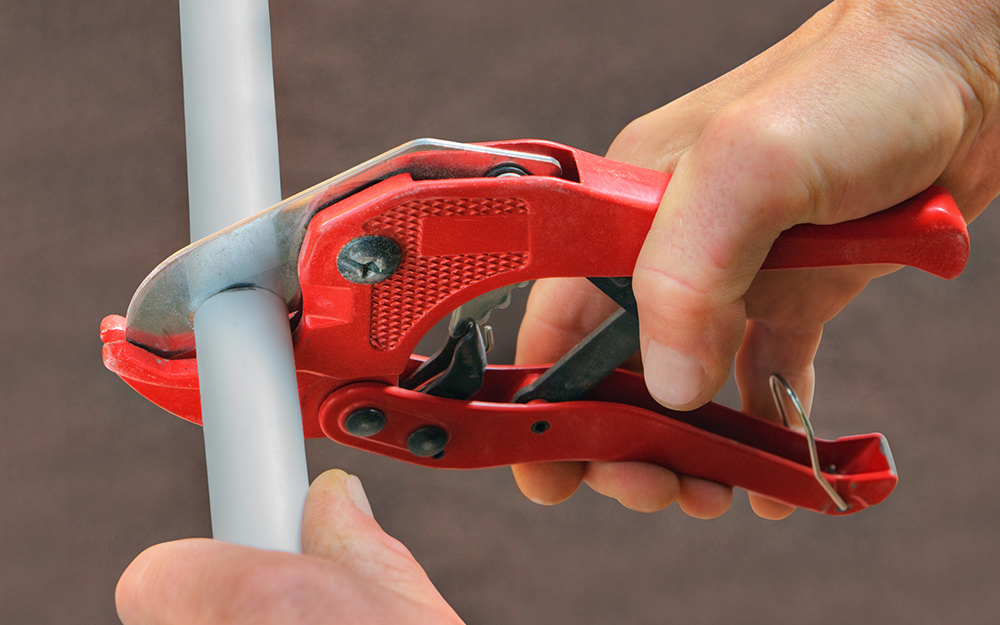
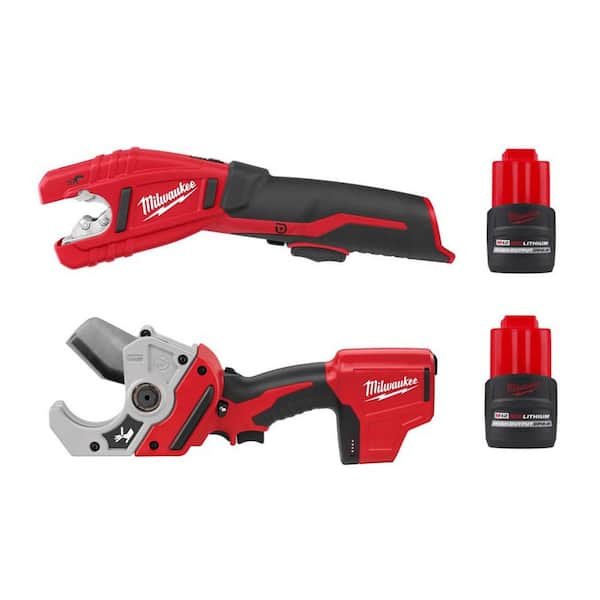
- PVC pipe cutter — quick, clean cuts for 1/2" to 2" pipes.
- Hacksaw and fine-tooth blade — good for larger or thicker pipe.
- Miter box — keeps cuts square when using a saw.
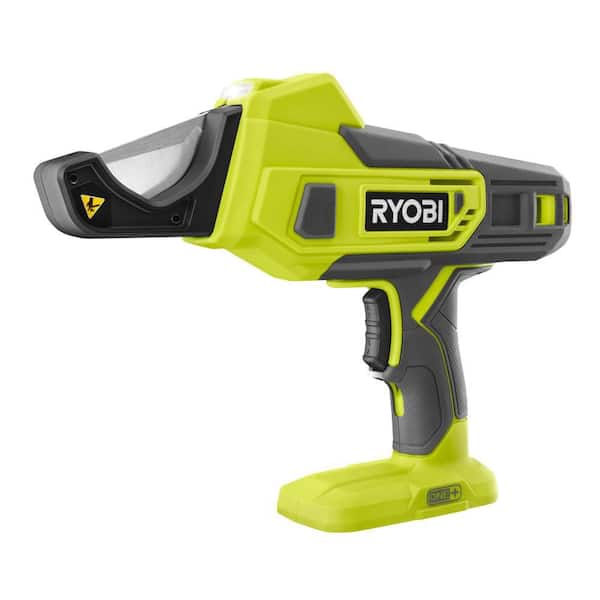
- Reciprocating saw or jigsaw — faster for large diameters or long runs.
- Rotary tool with cutting wheel — for tight spots and small trims.
- Sandpaper or deburring tool — to remove burrs and round edges.
- Clamps or vise — hold pipe steady while cutting.
- Safety gear — goggles, gloves, dust mask.
I recommend having both a PVC cutter and a hacksaw if you plan regular DIY work. That combination covers most needs for how to cut pvc pipe at home.

Types of cuts and when to use them
Different jobs need different cuts. Knowing the cut type helps you pick the tool.
- Straight cut — the most common for joining pipes end-to-end.
- Beveled cut — used for solvent weld fittings to ease insertion.
- Miter cut — angled cuts for frames and structures.
- Notch cut — to fit pipe over corners or obstacles.
Picking the right cut is a big part of learning how to cut pvc pipe at home well. A wrong cut can mean leaks or weak joints.

Step-by-step methods for how to cut pvc pipe at home
Below are safe, reliable methods. Choose the one that matches your pipe size and the finish you need.
Method 1: Using a PVC pipe cutter (fastest for small diameters)
- Measure the length and mark the cut line with a marker.
- Clamp the pipe or hold it against a solid surface.
- Open the cutter, place blade on the line, and squeeze steadily.
- Continue until the cutter slices through.
- Deburr the inside and outside with sandpaper.
Tips: This is the cleanest method for how to cut pvc pipe at home up to about 2 inches. Keep the cutter blade sharp.
Method 2: Using a hacksaw and miter box (versatile and cheap)
- Mark the line and secure the pipe in the miter box or a clamp.
- Place the saw on the line and use short, even strokes.
- Check alignment often to keep the cut square.
- Sand the edges and remove burrs.
Tips: Take your time. A fine-tooth blade gives a smoother finish. This method works for larger pipes too.
Method 3: Using a jigsaw or reciprocating saw (fast for big jobs)
- Clamp the pipe firmly to prevent vibration.
- Use a fine-tooth blade designed for plastics.
- Guide the blade straight and avoid forcing it.
- Clean up the cut edges with a deburring tool or sandpaper.
Tips: Wear a dust mask and goggles. This method produces chips; work outdoors or in a ventilated area.
Method 4: Using a rotary tool for tight spots
- Mark the line and secure the pipe.
- Use a cutting wheel and make several shallow passes.
- Finish with sanding to smooth the edge.
Tips: Rotary tools are precise but slow. Good for small corrections and trimming.
Throughout these methods, the basics of how to cut pvc pipe at home stay the same: measure twice, clamp, cut steadily, and deburr.

Safety tips and common mistakes
Work safely and avoid costly errors when you cut PVC.
- Always wear eye protection and a dust mask when cutting or sanding.
- Clamp the pipe to stop it from spinning or slipping.
- Don’t rush the cut; a slow steady motion gives a cleaner edge.
- Avoid using blades meant for metal; they can melt or chip plastic.
- Don’t over-tighten pipe cutters — you can crush thin-walled PVC.
From experience, the most common mistake is poor measurement. Measure twice, cut once.
Finishing the cut: deburring and test fitting
A smooth edge prevents leaks and makes fittings easier to use.
- Remove burrs inside and outside the pipe with a deburring tool or coarse sandpaper.
- Chamfer the outer edge slightly to help fittings slide on.
- Dry-fit the joint to check alignment.
- If using solvent cement, clean the pipe with a manufacturer-recommended cleaner before gluing.
Tip: A small chamfer is often the difference between a tight, clean joint and a stuck pipe. These finishing steps are core to how to cut pvc pipe at home properly.
Troubleshooting and tips from my experience
Here are real problems I’ve seen and how to fix them.
- Cut is slightly angled: re-cut with a miter box or sand the high side until square.
- Pipe is oval from pressure: place the pipe in hot water for a few minutes, then reshape gently.
- Blade melts plastic: use a finer-tooth blade or reduce cutting speed.
- Fit is too tight: sand the outside slightly and test again.
A pro tip: keep a small scrap piece and practice a cut before working on the final pipe. That practice helped me avoid mistakes on critical runs.
Frequently Asked Questions of how to cut pvc pipe at home
How do I cut PVC pipe without cracking it?
Use a sharp blade and steady pressure. Clamp the pipe and cut slowly; coarse blades and fast cuts increase the risk of cracking.
What tool gives the cleanest cut for PVC?
A ratchet-style PVC pipe cutter usually gives the cleanest, fastest cut for 1/2" to 2" pipes. For larger sizes, a fine-tooth hacksaw in a miter box works well.
Can I use a power saw to cut PVC at home?
Yes, but use a fine-tooth blade and cut at a controlled speed. Wear safety gear and secure the pipe to reduce vibration and melting.
How do I remove burrs after cutting PVC?
Use a deburring tool, utility knife, or sandpaper to smooth both the inner and outer edges. A small chamfer on the outside helps fittings slide on.
What size allowance should I leave for solvent welding?
Measure the fitting’s socket depth and mark the pipe so the pipe shoulder seats fully. Leave minimal allowance—roughly the insertion depth indicated by the fitting.
Is it safe to cut PVC indoors?
It can be, if you use manual tools and ventilate the area. For power tools, do cutting outdoors or use a mask and eye protection.
Conclusion
You can confidently learn how to cut pvc pipe at home with a few basic tools and a little practice. Measure carefully, choose the right tool, clamp securely, and finish the edge for leak-free joints. Try a practice cut on scrap pipe, apply these tips, and you’ll save time and money on DIY plumbing and projects. Share your project tips below, subscribe for more how-to guides, or leave a question if you need help with a specific cut.