Plumbers rely daily on wrenches, cutters, plungers, snakes, inspection cameras, and sealants.
From decades working in the field and talking with trade pros, I can confidently map out exactly what tools do plumbers use daily and why each tool matters. This guide breaks down the must-have hand tools, power tools, diagnostic gear, drain-cleaning equipment, sealing and joining supplies, safety gear, and smart buying tips. Expect clear definitions, real-world examples, common mistakes to avoid, and simple advice you can use whether you’re hiring a pro or building your own toolkit.
Essential hand tools every plumber keeps within reach
If you wonder what tools do plumbers use daily, start with hand tools. These are the backbone of most plumbing jobs. They handle tightening, cutting, gripping, and measuring in almost every service call.
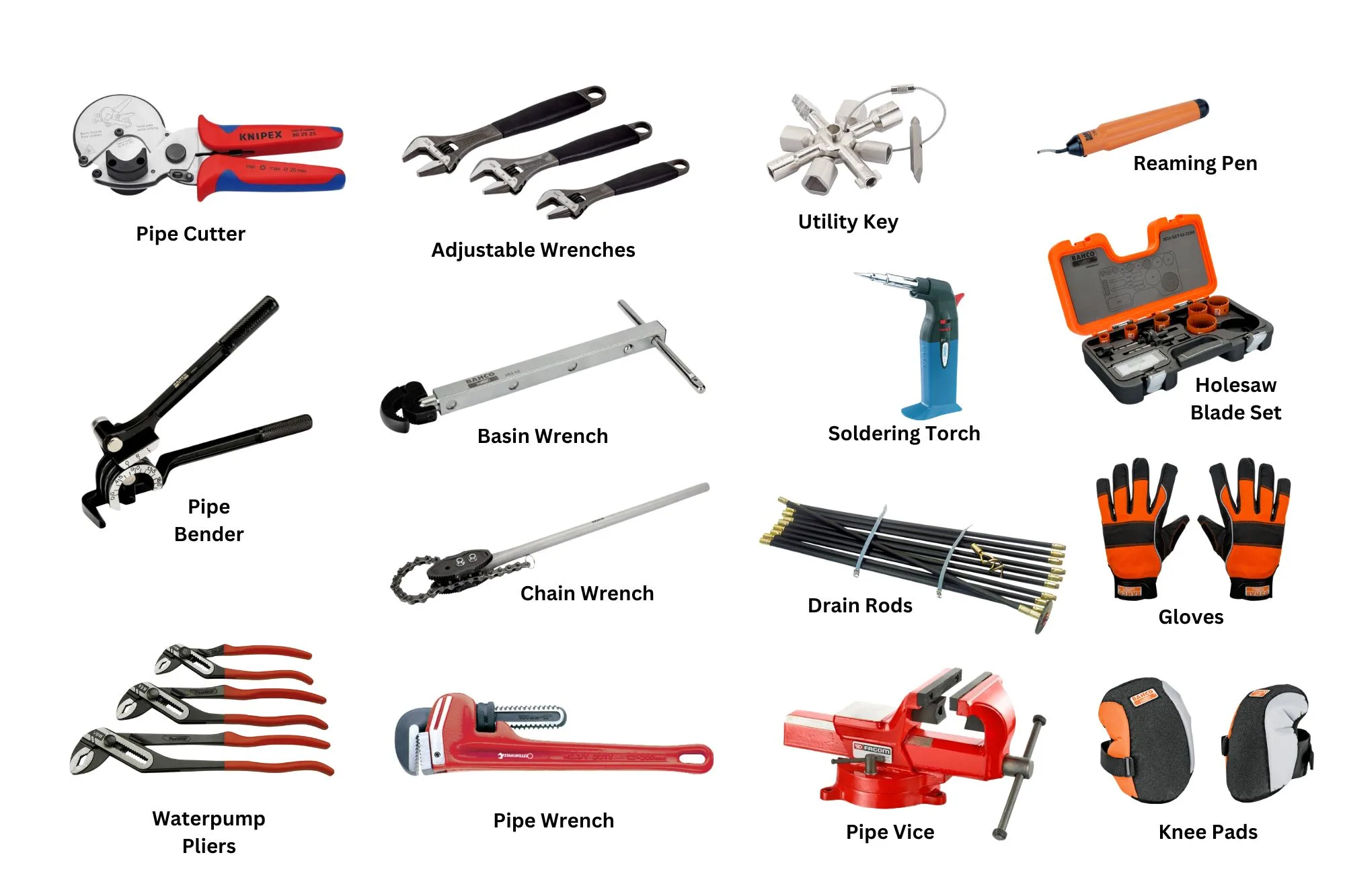
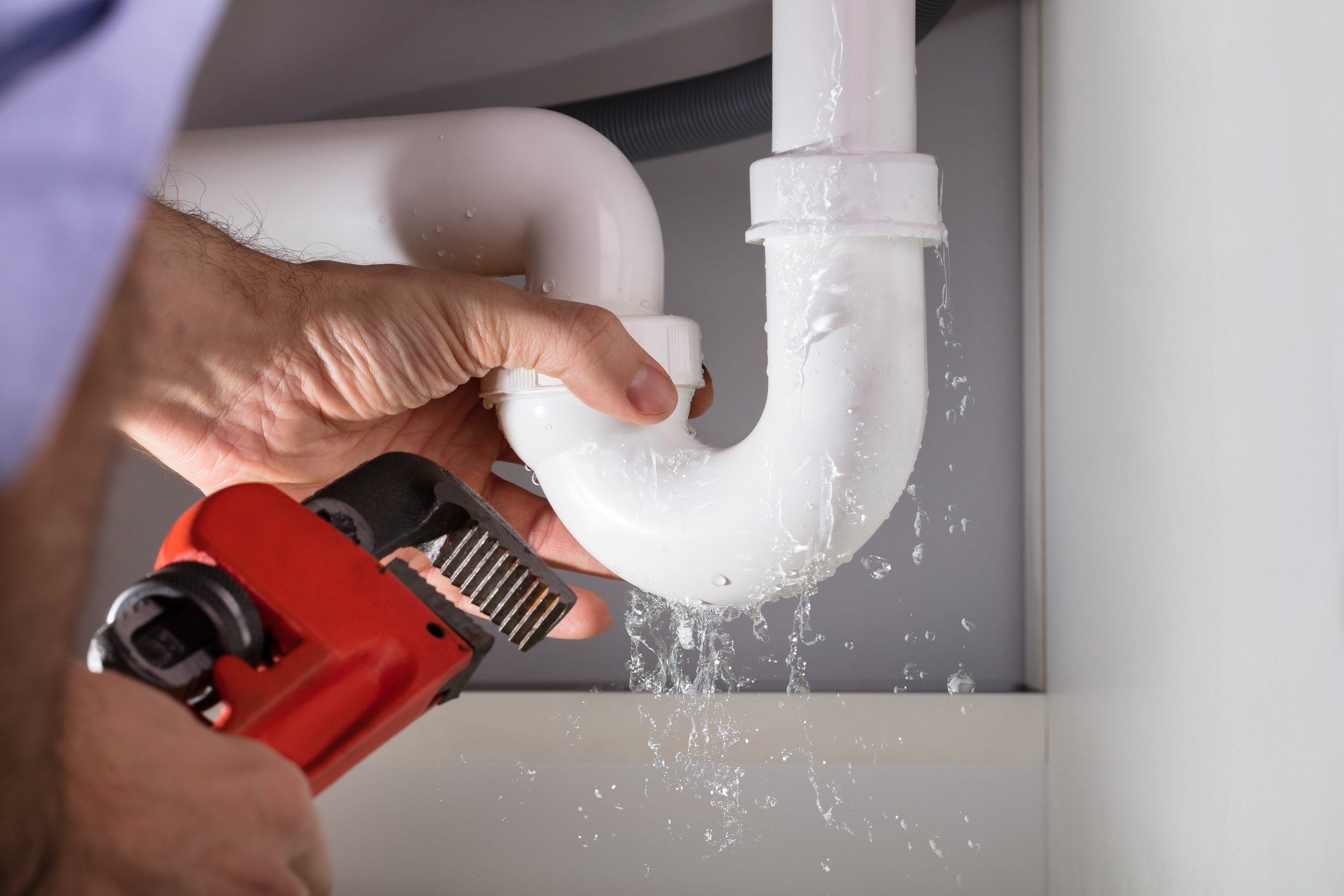
- Pipe wrench — Heavy-duty gripping for threaded pipe. I use a 14-inch wrench for most household work.
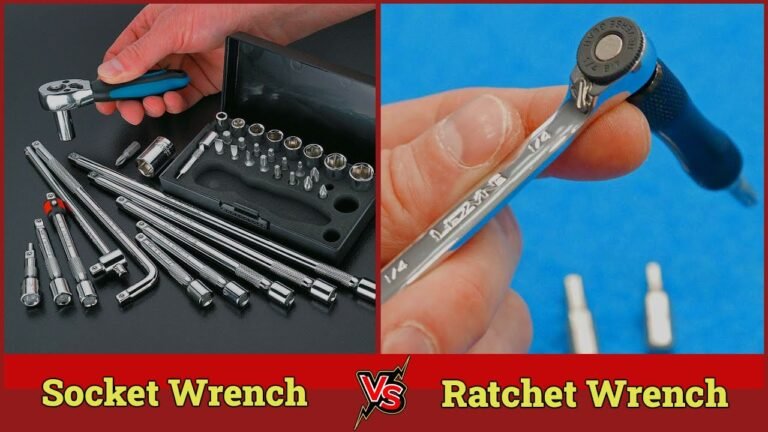
- Adjustable wrench — Quick adjustments on nuts and fittings when a pipe wrench is overkill.
- Slip-joint pliers — Versatile for grabbing irregular shapes and holding small parts.
- Basin wrench — Reaches nuts behind sinks. I once swapped a bad cartridge in tight space using only this tool.
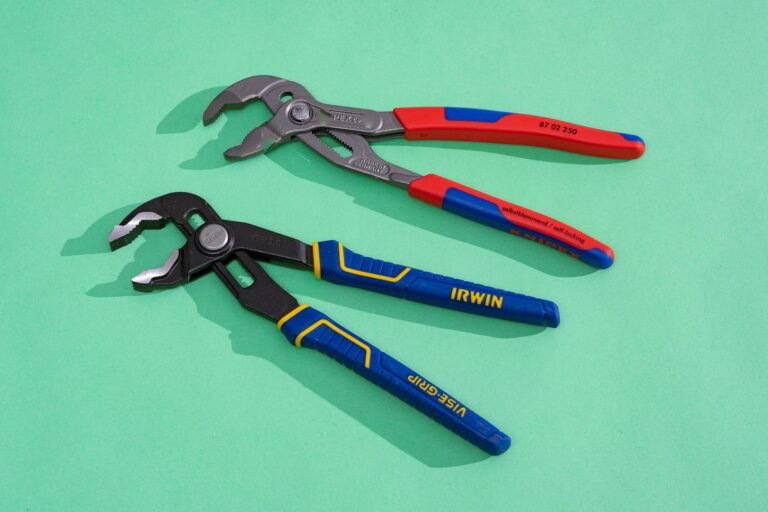
- Channel-lock pliers — Good for rotating and holding pipe parts without marring surfaces.
- Hacksaw and tubing cutter — Hacksaw cuts varied materials; tubing cutters make clean cuts on copper and thin-walled tubing.
- Tape measure and marker — Accurate cuts and consistent installations depend on these basics.
Common mistakes
- Using the wrong wrench can round off fittings and cause leaks.
- Cutting without measuring twice leads to wasted material.
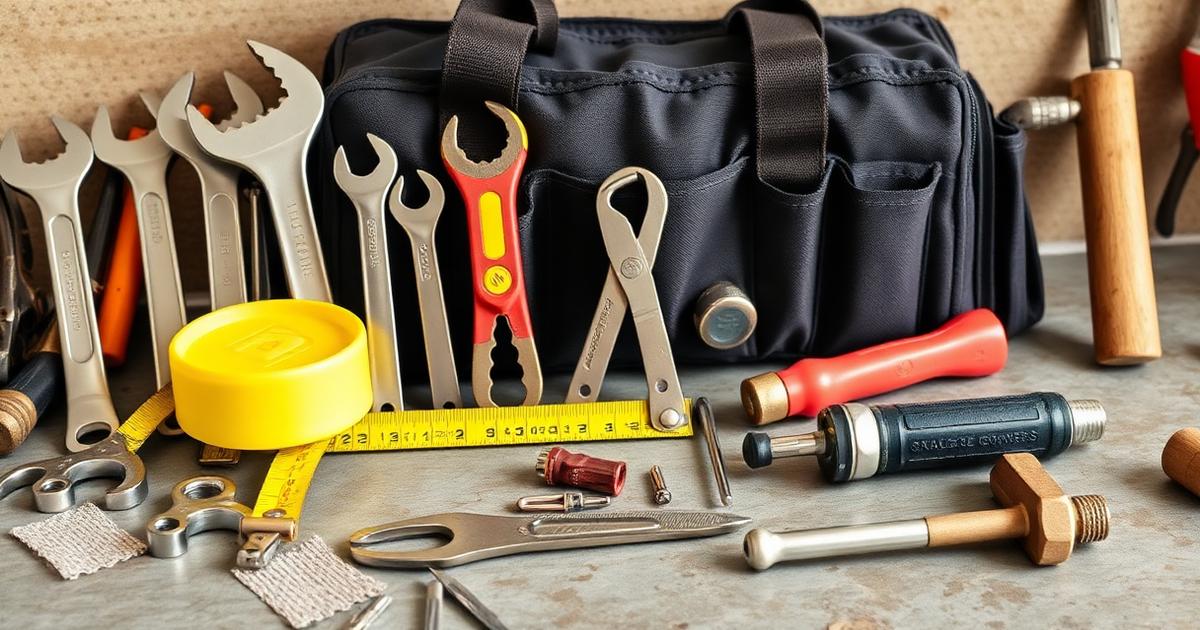
Practical tip: Keep a small kit bag with these hand tools for quick jobs. It saves time and increases professionalism.
:max_bytes(150000):strip_icc()/top-plumbing-tools-1824860-hero-867cc1e34408463dbab86838f89e7762.jpg)
Power tools and specialty equipment for efficiency
Knowing what tools do plumbers use daily includes power tools. These speed jobs and handle tougher materials.
- Cordless impact driver — Speeds screw and fastener work. I prefer brushless motors for longer runtime.
- Reciprocating saw — Cuts through metal pipe, plastic, and nails in demolition work.
- Power auger or plumber’s power snake — Clears long or tough clogs faster than hand snakes.
- Press tool — Joins copper or PEX with press fittings quickly and reliably on larger jobs.
- Portable drill with hole saws — For creating openings in cabinets and framing.
Real-world use: On a remodel, a cordless driver and press tool cut hours off assembly. Safety and correct blades are essential.

Diagnostic and inspection tools pros rely on
When asking what tools do plumbers use daily, diagnostic gear is key for fast, accurate fixes. These tools reduce guesswork.
- Inspection camera (pipe camera) — Visually locate blockages, breaks, and roots inside drains.
- Electronic leak detector — Finds hidden water and gas leaks behind walls or under slabs.
- Infrared thermometer — Checks hot water system performance and finds cold spots.
- Pressure gauge — Tests system pressure and checks for consistent output.
- Moisture meter — Confirms dry walls after a repair or checks for active leaks.
Personal insight: A handheld camera saved me a day of digging by pinpointing a root intrusion. Investing in diagnostic tools pays off in time saved and fewer callbacks.
Drain cleaning and pipe-opening tools every plumber uses
Drain work is a large part of plumbing. Knowing what tools do plumbers use daily for drains helps you understand response times and repair scope.
- Plunger — First line for simple sink and toilet clogs.
- Hand auger (snake) — For short clogs in sinks and tubs.
- Closet auger — Designed specifically for toilet clogs without damaging porcelain.
- Drum auger and power snake — For deeper or stubborn clogs in main lines.
- Hydro-jet (commercial) — High-pressure water blasting for heavy buildup and tree roots.
Tip: Use the right tool for the right clog. A power snake can damage older pipes if used carelessly. I learned to test with a camera before hydro-jetting older clay lines.

Pipe joining, sealing materials, and finishing tools
Plumbing repairs often hinge on proper joining and sealing. These are tools and materials plumbers use every day to make systems leak-free.
- Soldering torch and flux — For sweat-soldering copper joints.
- Propane or MAPP gas torch — For rapid heating on larger pipes.
- PEX crimp and clamp tools — For PEX systems, these ensure reliable joints.
- Thread seal tape (PTFE/Teflon tape) — Prevents leaks on threaded fittings.
- Pipe dope (thread compound) — Used where tape isn’t ideal or for added seal.
Common limitation: Soldering requires clean surfaces and proper ventilation. Press fittings reduce open-flame risks in tight spaces.

Safety gear and personal protective equipment
Safety is a daily priority. When considering what tools do plumbers use daily, PPE is part of the toolkit.
- Safety glasses — Protects from flying debris and solder splatter.
- Gloves — Protect hands from cuts, chemicals, and heat.
- Knee pads — Needed for long jobs under sinks or in crawl spaces.
- Respirator or dust mask — For work in dusty or chemical environments.
- Hearing protection — For extended use of loud power tools.
Personal note: A small investment in quality PPE prevented long-term discomfort for me. Never skip PPE to save time.
Tool maintenance, organization, and job preparedness
Good tools last with care. Knowing what tools do plumbers use daily includes how they are maintained.
- Clean tools after each job to prevent corrosion and buildup.
- Sharpen cutting blades regularly for clean cuts.
- Label and organize tools in a roll bag or chest for quick access.
- Keep spare parts: washers, gaskets, and common fittings in the van.
- Calibrate diagnostic tools annually for accurate readings.
Practical habit: I inventory the van every week. That simple routine avoids wasted trips and improves trust with customers.
Buying tips and building the right toolkit
If you want to know what tools do plumbers use daily and how to build a toolkit, start with quality basics and add specialized gear over time.
- Prioritize durable hand tools and a reliable wrench set first.
- Rent expensive specialty tools, like hydro-jets, for infrequent use.
- Buy cordless tools with interchangeable battery systems for efficiency.
- Consider warranties and local service networks when choosing brands.
- Balance price and durability — very cheap tools can cost more in the long run.
Lesson learned: I chose mid-range brands for everyday tools and high-quality brands for things that affect safety and precision. It saved money and kept jobs professional.

Common short questions (PAA-style)
Q: What are the top five essentials plumbers use daily?
A: Wrenches, pliers, basin wrench, pipe cutter, and a plunger are top essentials for most jobs.
Q: Do plumbers use power tools every day?
A: Not always. Power tools are used when speed or heavy work is needed, but many repairs use hand tools.
Q: Is an inspection camera worth the cost?
A: Yes. It reduces guesswork, saves time on drain and leak diagnosis, and prevents unnecessary demolition.
Frequently Asked Questions of what tools do plumbers use daily
What basic tools should a homeowner keep for plumbing emergencies?
Keep a plunger, adjustable wrench, slip-joint pliers, pipe tape, and a basic drain snake. These handle most small clogs and minor leaks.
How do plumbers choose between soldering and press fittings?
Plumbers choose based on pipe type, location, and safety. Press fittings avoid open flames and are faster for confined or retrofit work.
Can plumbers clear all clogs with a plunger?
No. Plungers work for simple blockages. Stubborn or deep clogs often require augers, snakes, or hydro-jetting.
How often should plumbing diagnostic tools be calibrated?
Calibrate electronic leak detectors and pressure gauges at least once a year or per manufacturer recommendations. Regular calibration ensures accuracy.
Are specialty tools like hydro-jets necessary for every plumber?
Hydro-jets are useful for severe buildup and root intrusion but are costly. Many plumbers rent or subcontract hydro-jetting for such jobs.
Conclusion
This article laid out what tools do plumbers use daily, from hand wrenches and plungers to cameras and hydro-jets, and explained why each tool matters. Use this guide to evaluate a plumber’s toolkit, assemble your own emergency kit, or invest in the right tools as you upgrade your trade gear. Take action: check your home toolkit, note what’s missing, and consider one high-impact tool to add this year. If you found this useful, subscribe for more practical plumbing tips or leave a comment with questions about tools or techniques.