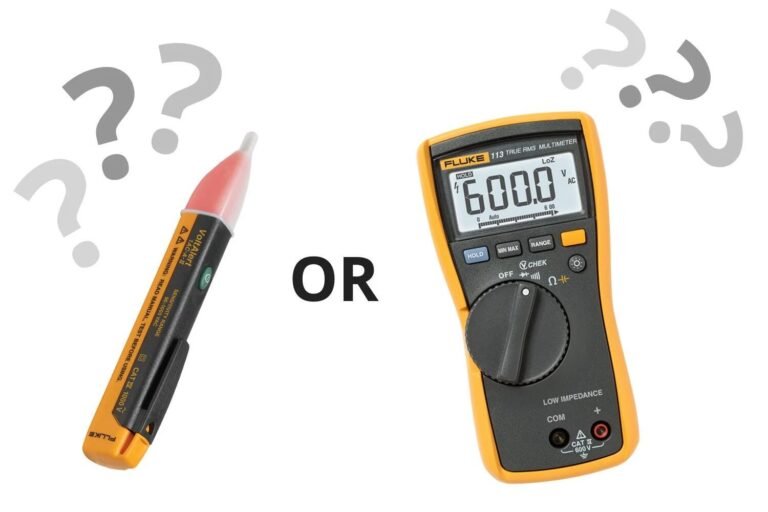
Use a clamp meter for quick current checks and a multimeter for detailed voltage, resistance, and continuity tests.
I’ve spent years troubleshooting circuits, swapping tools, and learning when each meter earns its keep. This article digs into clamp meter vs multimeter which to use, and gives clear, practical guidance so you pick the right tool every time. You’ll get simple definitions, side-by-side comparisons, real examples, safety tips, and hands-on advice from my own field experience.
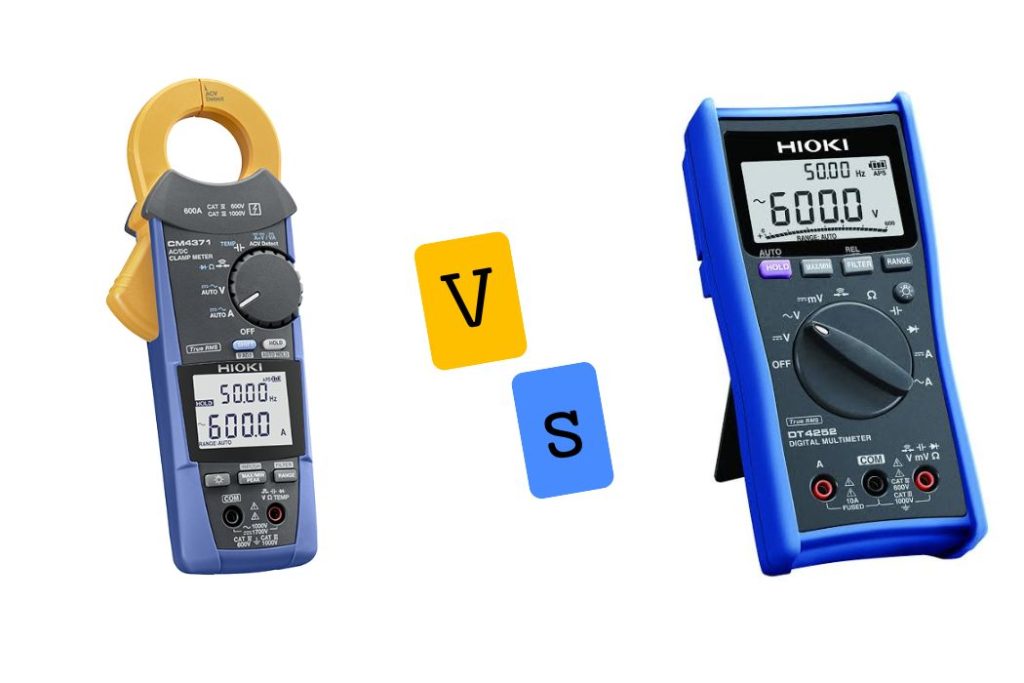
Clamp meter vs multimeter: quick definitions
A clamp meter measures current. It does so without touching live conductors. It clamps around a single wire and senses magnetic fields. Most clamp meters also measure voltage, but not always with the precision of a multimeter.
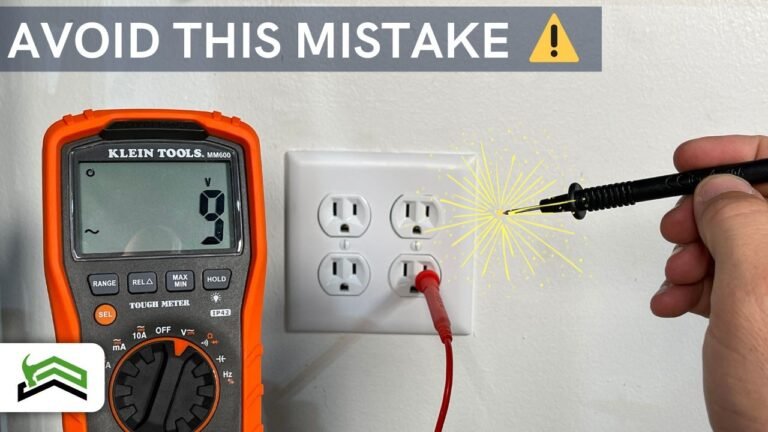
A multimeter measures voltage, resistance, continuity, and often current via test leads. It gives precise readings for troubleshooting circuits and components. Multimeters are the go-to tool for electronics and low-current work. When debating clamp meter vs multimeter which to use, think: speed and safety for clamp meters, detail and range for multimeters.

Key differences at a glance
-
Measurement method
- Clamp meter: senses current via a split-core jaw. No contact with the conductor needed.
- Multimeter: uses probes; direct contact is required for most measurements.
-
Typical functions
- Clamp meter: AC current, sometimes DC current, basic voltage.
- Multimeter: AC/DC voltage, resistance, continuity, diode checks, capacitance on some models.
-
Accuracy and resolution
- Clamp meter: good for larger currents. Lower resolution on small currents.
- Multimeter: higher resolution for low voltages and resistance.
-
Safety and convenience
- Clamp meter: safer for live mains since you don’t touch conductors.
- Multimeter: needs proper technique and PPE for live measurements.
When you weigh clamp meter vs multimeter which to use, let the task guide you. Use the clamp meter for quick current scans and the multimeter for precise work.
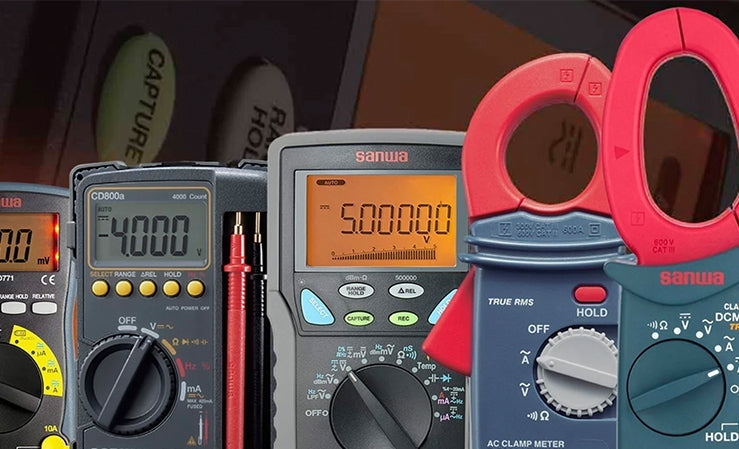
When to use a clamp meter
-
Quick load checks on HVAC, motors, and panels
- Clamp meters let you see current draw fast. You can compare load on phases without opening a panel.
-
Troubleshooting intermittent trips
- Clip the jaw around the conductor to check spikes and inrush current without disconnecting wiring.
-
High-current circuits
- Clamp meters handle heavy amps better than many handheld multimeters.
-
Safety-first live checks
- Because you don’t touch the conductor, clamp meters reduce contact risk.
Practical rule: pick a clamp meter when you need current info fast, or when touching wires is unsafe or impractical. When choosing between clamp meter vs multimeter which to use, clamp meters win for current-centric, on-the-job checks.

When to use a multimeter
-
Precision voltage measurement
- Use a multimeter when voltage tolerance matters. It reads small differences clearly.
-
Component testing
- Check resistors, diodes, capacitors, and continuity with probes.
-
Low-current work
- For electronics and small circuits, a multimeter gives accurate current readings via series connection.
-
Diagnostic sequences
- Step-by-step troubleshooting often needs multiple measurement types that only a multimeter offers.
If you need exact numbers or you are working on electronics, choose a multimeter. For many tasks, clamp meter vs multimeter which to use comes down to whether you need non-contact current or precise circuit detail.

Practical examples and scenarios
-
Home breaker panel: Use a clamp meter
- Clip around a hot wire to check load per circuit. No contact with screw terminals is needed.
-
Car battery and starter draw: Use both
- Use a clamp meter to measure cranking current. Use a multimeter for battery voltage and diode testing.
-
PCB troubleshooting: Use a multimeter
- Measure voltages at pins and test components. A clamp meter won’t help at this scale.
-
Motor startup diagnosis: Use a clamp meter
- Measure inrush current and compare to rated values.
These scenarios show how clamp meter vs multimeter which to use depends on the goal. Combine both tools when diagnosing systems with both high current and detailed electrical behavior.

Accuracy, limitations, and safety
-
Accuracy limits
- Clamp meters are less accurate at low amps and can be affected by nearby conductors.
- Multimeters can be damaged if used incorrectly on high-current circuits.
-
Limitations to watch
- Clamp meters need a single conductor in the jaw. Clamping around a cable with both hot and neutral cancels the reading.
- Multimeters require series connection for current; this can interrupt a circuit and pose risks.
-
Safety tips
- Always use the right category (CAT) rating for the environment.
- Wear PPE and follow lockout/tagout for panel work.
- Verify meter calibration and battery condition before critical tests.
When choosing clamp meter vs multimeter which to use, match the meter’s limits to the job and respect safety ratings.
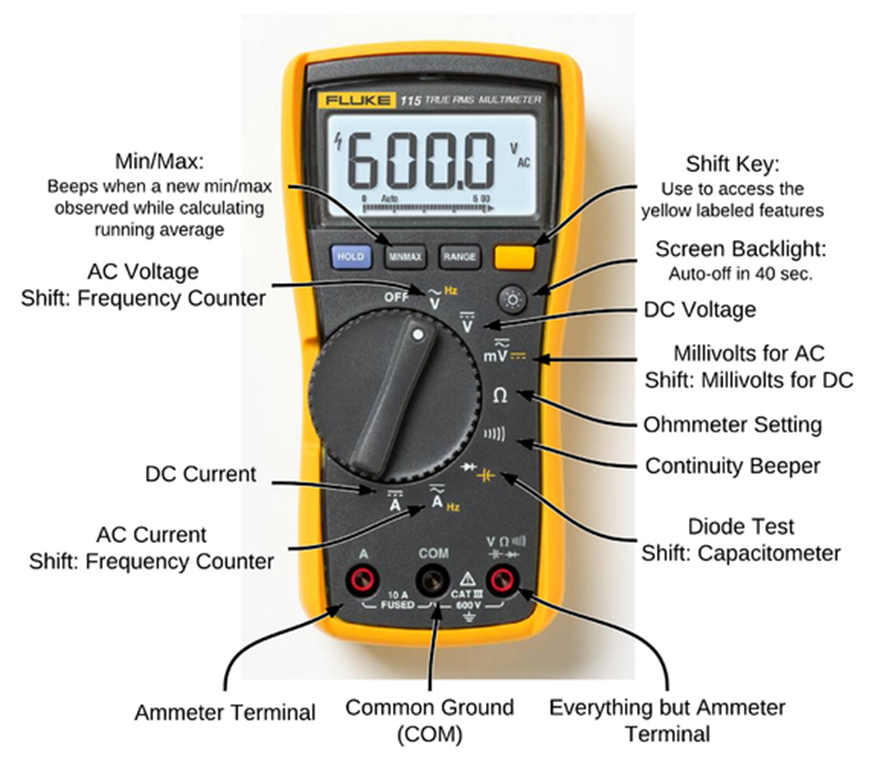
How to choose: a simple checklist
-
Task first
- Need current only? Pick a clamp meter.
- Need voltage, resistance, or component tests? Pick a multimeter.
-
Safety rating
- Use CAT III or CAT IV meters for mains and outdoor work.
-
Accuracy needs
- For electronics choose a high-resolution multimeter.
-
Features
- Look for true RMS on clamp meters for motor and non-sinusoidal loads.
- Choose multimeters with auto-ranging and hold functions for ease.
-
Budget and durability
- Higher-end clamp meters and multimeters cost more but last longer and are safer.
This checklist helps decide clamp meter vs multimeter which to use. Keep it near your toolbox as a quick guide.
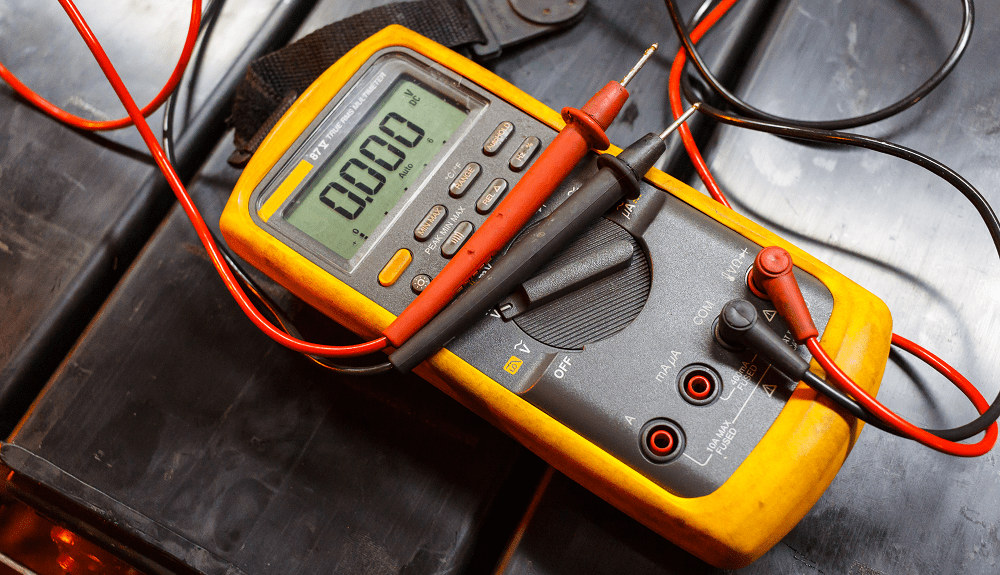
Personal experience and tips
I’ve spent years as a field electrician. I learned two lessons fast. First, a clamp meter saved time and kept me safe when checking panel loads. I could scan multiple circuits in minutes. Second, a multimeter saved diagnostics on tricky control boards. Small volt drops and bad resistors only show up on a good multimeter.
My tips
- Carry both. They complement each other.
- Use the clamp meter for initial scans and the multimeter to confirm.
- Calibrate your meters yearly. A cheap uncalibrated tool gives false confidence.
These are practical lessons from real jobs. They show how clamp meter vs multimeter which to use often ends with: use both when possible.
PAA-style quick questions
Q: Can a clamp meter measure voltage?
A: Some clamp meters measure voltage, but they are usually less precise than multimeters for voltage readings.
Q: Is a clamp meter safe for live wires?
A: Yes, clamp meters reduce contact risk since you don’t touch the conductor, but you must still follow safety rules.
Q: Do clamp meters measure DC current?
A: Many modern clamp meters can measure DC, but check the model for DC capability and accuracy.
Frequently Asked Questions of clamp meter vs multimeter which to use
What is the main advantage of a clamp meter?
A clamp meter excels at fast, non-contact current measurement, which is ideal for live mains and motor checks.
Can a multimeter replace a clamp meter?
A multimeter can measure current but usually not safely or easily at high amps; it does not replace clamp meters for live current scanning.
When should I use a clamp meter instead of a multimeter?
Use a clamp meter when you need to measure current quickly on live wires, especially for high-current circuits or multiple phases.
Are clamp meters accurate for small electronic currents?
No. Clamp meters are not as accurate at low currents. Use a multimeter for small electronics work.
Do I need special training to use these meters?
Basic training is recommended. For mains-level work, follow safety training and understand CAT ratings and proper procedures.
How often should I calibrate my meters?
Calibrate annually if you use the meter professionally. Hobbyists should check accuracy regularly and send for calibration if readings drift.
Conclusion
Choosing between a clamp meter vs multimeter which to use comes down to the job. Pick a clamp meter for quick, safe current checks and a multimeter for precise voltage and component diagnosis. My advice: carry both and let each tool do what it does best. Start using the checklist above on your next job, and leave a comment about your experiences or questions. Subscribe or follow for more practical tips and gear guides.