Use hot water, baking soda and vinegar, a wire hook, or a wet/dry vacuum to clear clogs.
I have years of hands-on experience clearing sinks and tubs without calling a plumber. This guide explains how to unclog a drain without a plunger in clear, tested steps. You will learn why clogs form, safe tools to try, step-by-step fixes, prevention tips, and when to call a pro. Read on for practical, friendly advice you can use right now.
Why drains clog and what causes slow flow
Drains clog from hair, grease, soap scum, and food scraps. In sinks, oils cool and stick to pipes. In showers, hair and soap bond into mats. Older pipes collect mineral scale over time. Misuse and poor strainers speed up clogs.
Understanding the cause helps choose the right fix. For example, hair clogs respond well to manual removal or enzymatic cleaners. Grease needs hot water and dish soap. Knowing why a clog formed helps you unclog a drain without a plunger faster and with less mess.
Safety first: precautions and tools (no plunger needed)
Safety keeps a small job from getting worse.
- Gloves. Protect your hands from grime and sharp debris.
- Eye protection. Splashing liquids can irritate eyes.
- Bucket and towels. Catch water when removing traps or working under sinks.
- Wire coat hanger or zip tie. Great for fishing hair out.
- Baking soda and vinegar. Gentle chemical reaction to loosen gunk.
- Boiling water. Softens grease and soap scum.
- Wet/dry vacuum. Can pull clogs out when used properly.
- Drain snake or hand auger. Small, manual models work well for deep clogs.
- Enzymatic drain cleaner. Safe for pipes and septic systems when used as directed.
I keep these items in my utility closet. They work in most common clogs and help you unclog a drain without a plunger without calling a pro.
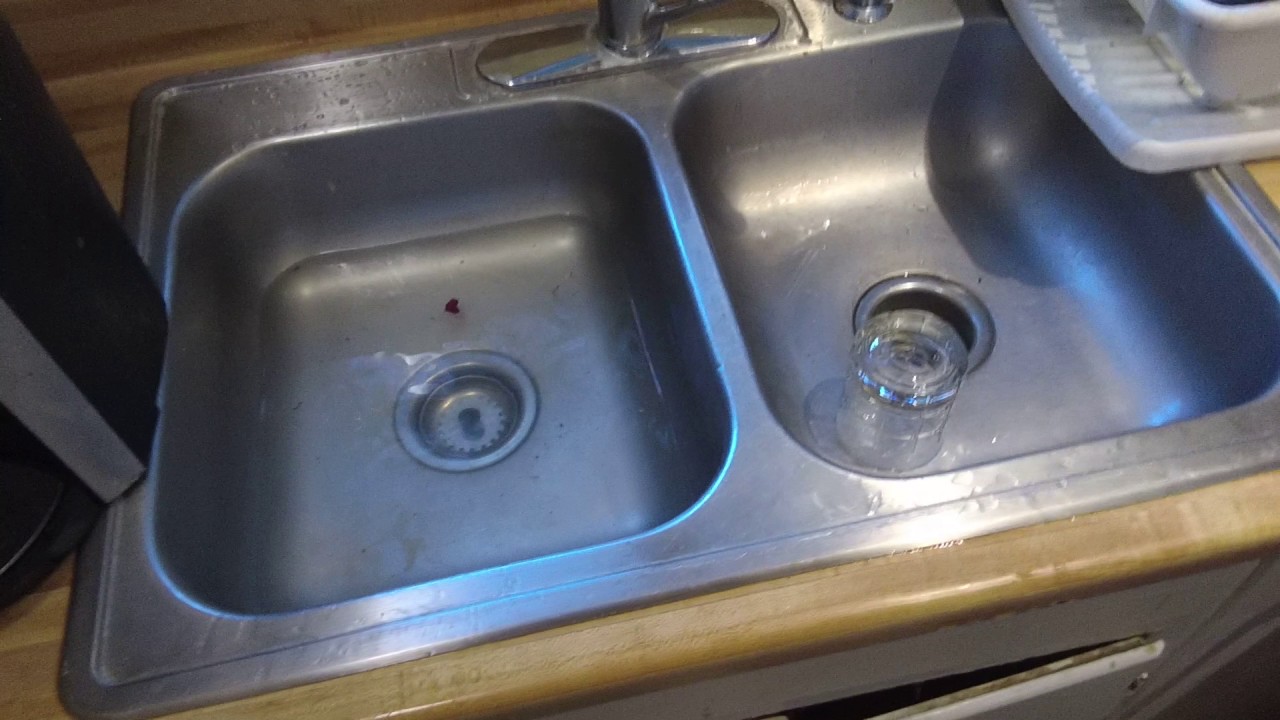
How to unclog a drain without a plunger: step-by-step methods
Here are reliable methods, ranked from simplest to more involved. Try them in order. They often work alone or together.
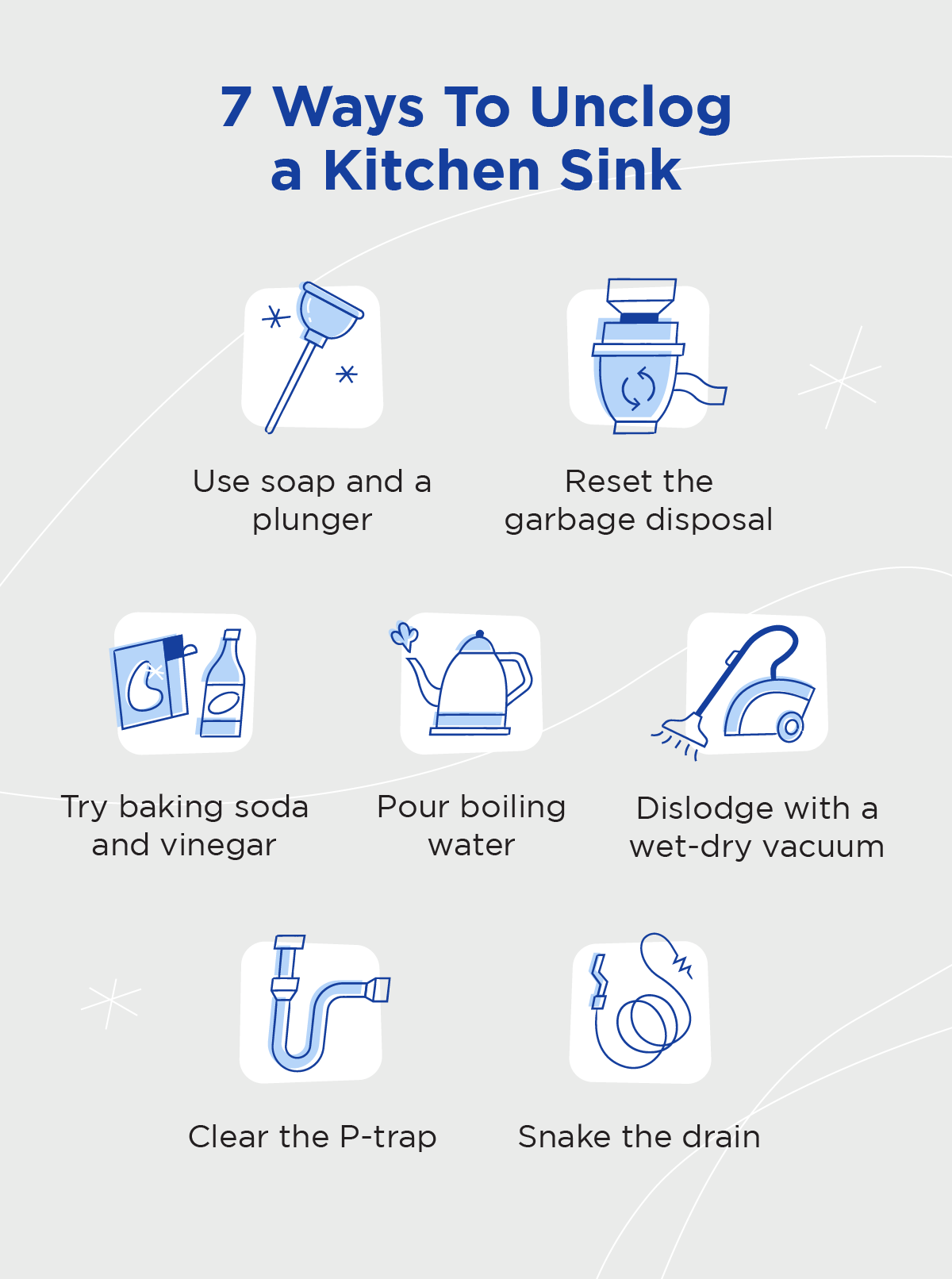
Method 1 — Hot water and dish soap
- Boil a kettle of water.
- Pour a small squirt of dish soap down the drain.
- Pour the boiling water slowly in two stages, waiting a minute between pours.
This melts grease and flushes loose debris. Repeat if the drain improves. This is one of the easiest ways to unclog a drain without a plunger.
Method 2 — Baking soda and vinegar
- Pour 1/2 cup baking soda down the drain.
- Add 1/2 cup white vinegar.
- Cover the drain for 5–15 minutes to keep the fizzing in the pipe.
- Flush with hot water.
This reaction loosens organic residue. It is safe and eco-friendly for most pipes.
Method 3 — Manual removal (the hair hook)
- Straighten a wire coat hanger leaving a small hook at the end, or use a plastic zip tie with a woven edge.
- Insert the hook and fish for hair or debris near the drain opening.
- Pull out accumulated gunk and wipe it into a trash bag.
I used this many times for bathroom drains. It is low-cost and effective for hair clogs. This is often the fastest way to unclog a drain without a plunger.
Method 4 — Remove and clean the P-trap
- Place a bucket under the sink.
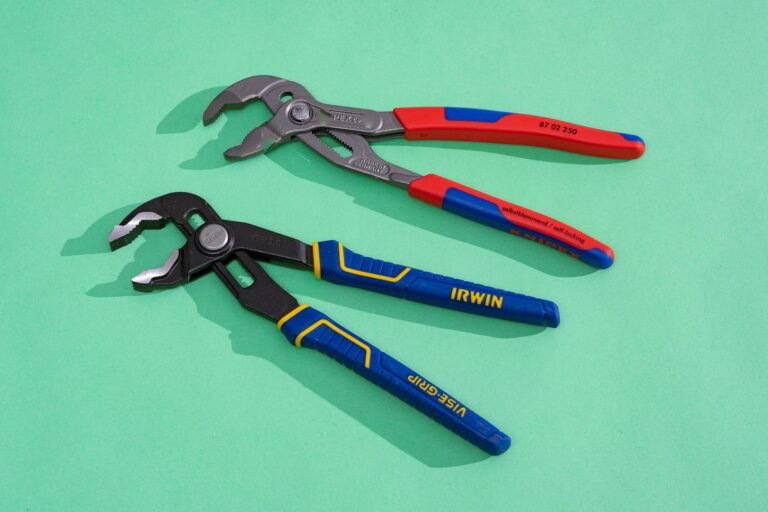
- Unscrew the slip nuts on the P-trap with pliers if needed.
- Empty and clean the trap of debris, then reassemble.
This works well for kitchen sinks and is essential if you smell sewer gases. It takes a bit more time but solves many mid-pipe blockages.
Method 5 — Wet/dry vacuum
- Set the vacuum to liquid mode if it supports liquids.
- Create a tight seal over the drain using a rag or adapter.
- Turn the vacuum on to pull the clog upward.
This can extract soft clogs. Use caution with chemical residues in the pipe.
Method 6 — Drain snake or hand auger
- Feed the snake into the drain and rotate while pushing forward.
- When resistance is felt, pull back while turning to break or grab the clog.
- Withdraw the snake slowly and clean the head.
This reaches deeper clogs and is a trusted way to unclog a drain without a plunger.
Method 7 — Enzymatic drain cleaners
- Use as directed, usually by pouring in and waiting overnight.
- These cleaners digest organic matter and are pipe-safe.
Avoid mixing enzymatic cleaners with harsh chemical drain cleaners. They are good for recurring organic clogs and long-term maintenance.
Notes on chemical drain cleaners
- Avoid strong caustic chemicals if you can. They can damage pipes and harm skin.
- If you must use them, follow instructions and ventilate the area.
Often, the non-chemical methods above will allow you to unclog a drain without a plunger and avoid harsh products.
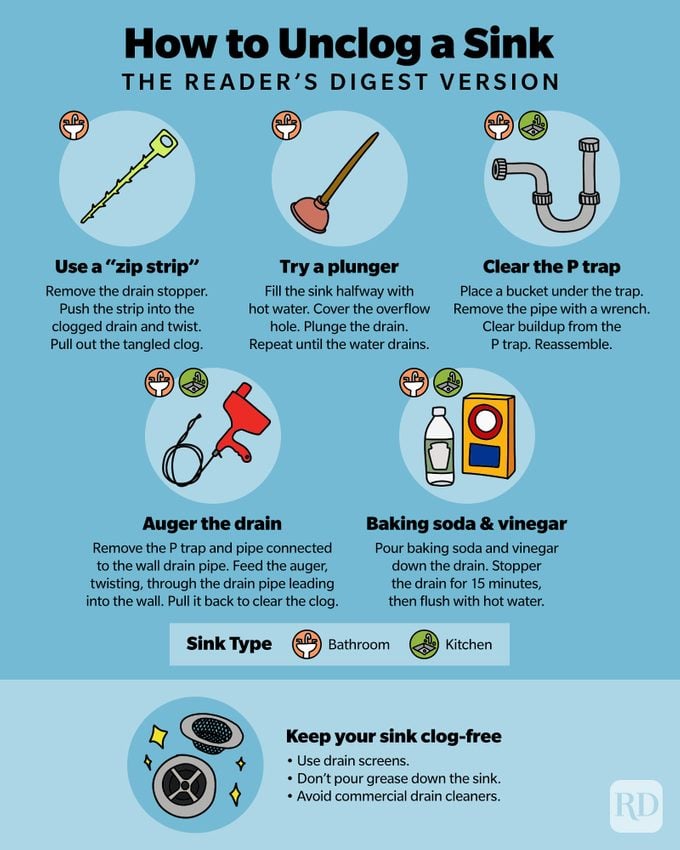
Source: rd.com
Troubleshooting common situations
Slow sink after using a disposal
- Run hot water and dish soap with the disposal on.
- If slow, remove and clean the P-trap. This often clears stuck food.
Shower or tub clogged with hair
- Use a hair hook or small drain snake first.
- Follow with baking soda and vinegar, then hot water.
Toilet water rising but not overflowing
- Try a toilet auger rather than a snake in sink lines.
- If water does not move, call a pro.
If the clog smells bad after cleaning
- Flush with hot water and a cup of baking soda, then vinegar, then hot water again.
- Check the P-trap seal for leaks or dry traps.
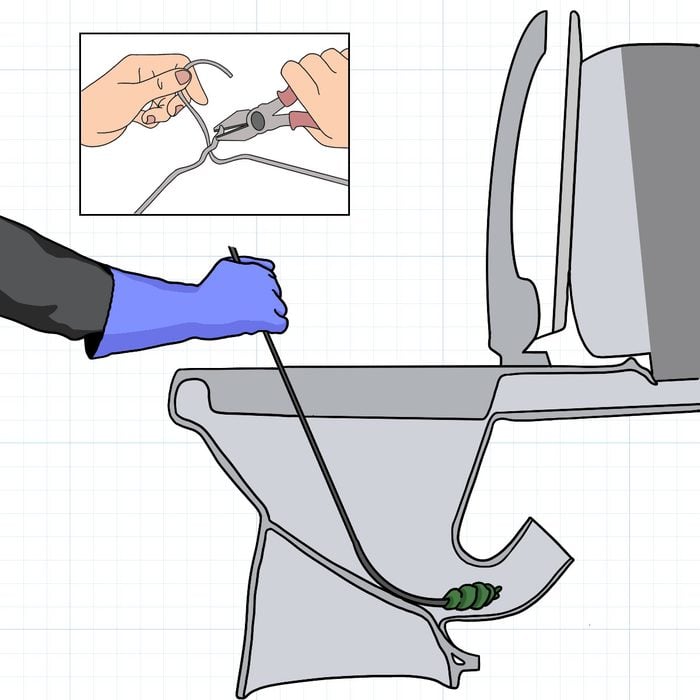
Source: familyhandyman.com
Prevention: simple habits to stop clogs
Small habits prevent most clogs.
- Use strainers in sinks and tubs and empty them regularly.
- Do not pour grease down the drain. Wipe pans before washing.
- Run hot water after each load in the dishwasher or after washing greasy dishes.
- For showers, brush 1–2 times a week to remove loose hair.
- Use enzyme drain cleaner monthly as a preventative.
- Periodically clean the P-trap and disposal according to manufacturer guidance.
These steps reduce how often you need to unclog a drain without a plunger and save money and time.
When to call a professional plumber
Call a pro if:
- Multiple fixtures are clogged at the same time.
- Water backs up into other drains or the yard.
- You hear gurgling after several fixes.
- Pipes are old, corroded, or you smell sewage.
- DIY methods fail after several attempts.
A pro has a powered auger, inspection camera, and experience for tough clogs. I call a plumber when I face persistent blockages or risk pipe damage. It saves time and can prevent costly repairs.

Personal tips, mistakes I made, and lessons learned
I once used too-hot water on PVC and worried about damage. I learned to let water cool slightly for plastic pipes. I also once mixed chemical cleaners and created a dangerous fume. Never mix chemicals.
What worked best in my toolbox:
- A simple wire hook fixed most shower clogs.
- A small hand auger cleared stubborn kitchen lines.
- Regular enzyme treatments prevented repeat clogs.
Mistakes to avoid
- Don’t force a metal snake into fragile fittings.
- Don’t mix chemical cleaners.
- Don’t ignore slow drains; small clogs become big ones.
These real tips come from hands-on fixes. They help you safely and effectively unclog a drain without a plunger.

PAA-style questions (short answers) to anticipate what people ask
What is the fastest way to unclog a drain without a plunger?
- Using a wire hook to pull out hair and debris is often fastest for bathroom drains. For grease, hot water and dish soap work quickly.
Can baking soda and vinegar really unclog a drain?
- Yes, for light, organic clogs the fizz helps loosen buildup. It is safe and eco-friendly for most pipes.
Will boiling water damage my pipes?
- Boiling water is safe for metal pipes. For PVC, let water cool slightly to avoid stress on joints.
How do I unclog a kitchen sink without a plunger?
- Remove and clean the P-trap, use hot water and dish soap, and fish debris with a wire if needed.
Is it safe to use a wet/dry vacuum on a drain?
- Yes if used properly and rated for liquids. Seal around the hose to build suction and be cautious with chemical residues.
Frequently Asked Questions of how to unclog a drain without a plunger
What materials do I need to unclog a drain without a plunger?
You need gloves, a bucket, a wire hook or small snake, baking soda, vinegar, hot water, and optionally a wet/dry vacuum or hand auger. These cover most common clogs.
Can I use baking soda and vinegar on all drains?
Yes, it is safe for most household drains and pipes. Avoid using it with strong chemical cleaners.
How long should I wait after pouring vinegar and baking soda?
Wait 5–15 minutes to let the fizz act on the clog, then flush with hot water. Overnight soak helps for tougher buildup.
Will enzyme cleaners work faster than mechanical methods?
Enzymatic cleaners take longer but are safer for pipes and septic systems. Mechanical methods give faster, visible results.
How often should I do maintenance to prevent clogs?
Monthly enzyme treatments and weekly strainer cleaning help prevent buildup. More frequent care is needed in high-use kitchens.
Conclusion
You can solve most household clogs using simple tools and safe steps. Start with hot water, baking soda and vinegar, and a wire hook. Move on to the P-trap, wet/dry vacuum, or a hand auger when needed. Prevent clogs with strainers and small maintenance habits. Try these methods today and see which works best for your home. If a clog resists or multiple fixtures back up, call a licensed plumber for a safe fix. Share your experience or questions below, and subscribe for more practical home tips.