Start slow, choose the right bit, steady pressure, and always wear eye protection.
I’ve taught beginners and fixed more than a few wobbly projects. This guide on how to use a drill for beginners breaks the process into clear steps. You’ll learn which drill to pick, how to hold it, which bits to use, safety tips, and real-world tricks I’ve learned on jobs and at home. Read on and you’ll go from nervous first-time driller to confident handyperson quickly.

Why learn how to use a drill for beginners?
A drill is one of the most useful tools you can own. Knowing how to use a drill for beginners opens up simple home fixes and fun projects. It saves money and gives you more control over repairs and builds.

Types of drills and when to use them
There are a few main drill types. Each fits different jobs.
- Cordless drill driver. Portable and great for most home tasks.
- Corded drill. Strong and consistent power for heavy work.
- Hammer drill. Use for masonry and concrete.
- Impact driver. Best for driving long screws and fasteners.
Match the drill to the job. For beginners, a mid-range cordless drill is usually the best first buy. It’s light, easy, and versatile.

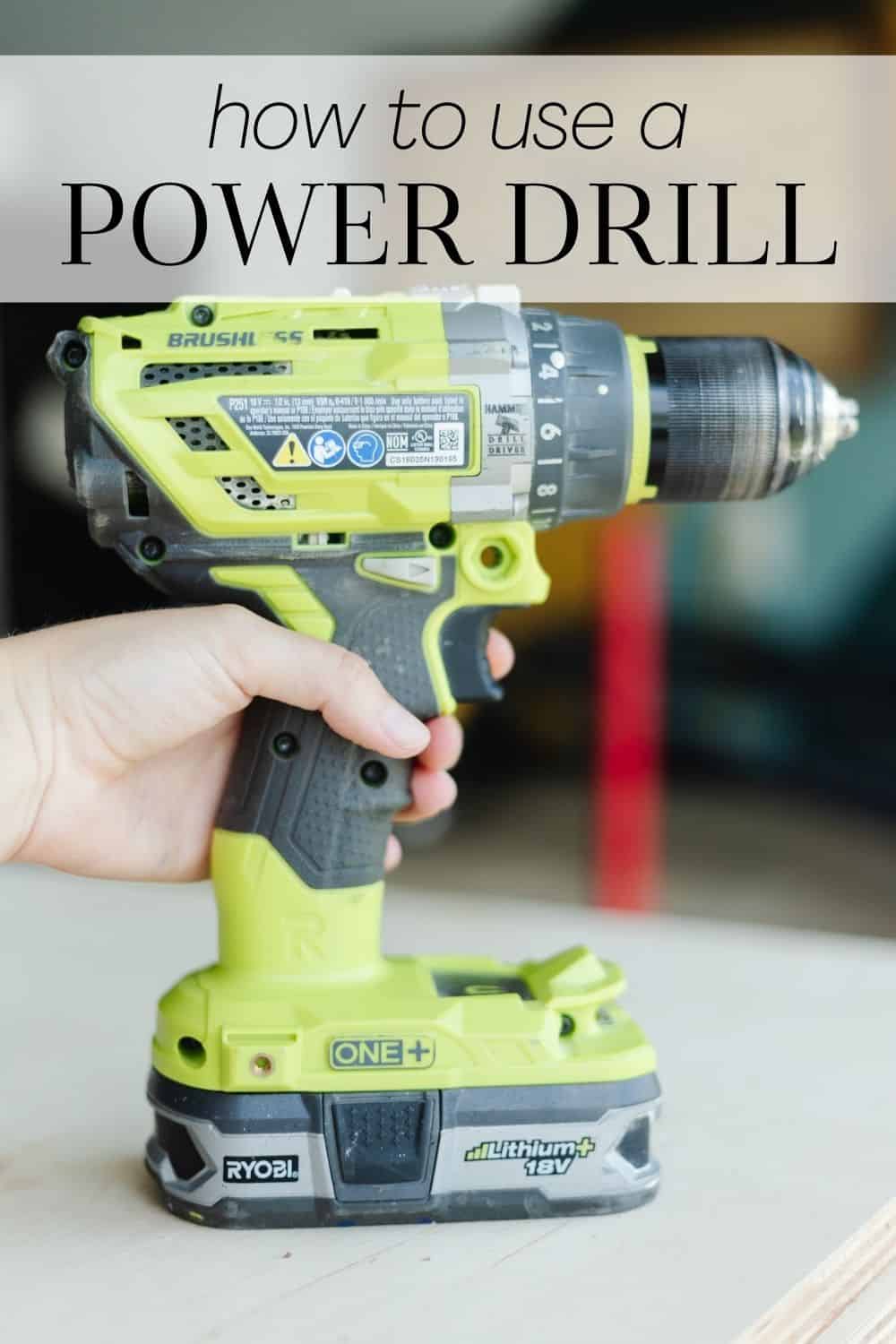
Drill parts and basic controls
Know the parts before you start. This reduces mistakes and improves safety.
- Chuck. The clamp that holds the bit.
- Torque collar (clutch). Limits rotation to avoid overdriving.
- Speed/trigger. Controls RPM by squeeze.
- Forward/reverse switch. Changes rotation direction.
- Battery or cord. Power source.
Handle the drill like a steady extension of your arm. I test controls before drilling every time.

Safety gear and preparation
Safety is simple but essential when learning how to use a drill for beginners.
- Eye protection. Always wear safety glasses.
- Hearing protection. Use earplugs for loud jobs.
- Dust mask. For wood or masonry dust.
- Stable work surface. Clamp the workpiece.
- Keep hands clear of the bit and cutting area.
Check for hidden wires or pipes when drilling into walls. I once hit closet wiring on a shelf mount—an avoidable mistake. That taught me to always scan and measure first.
How to choose the right drill bit
Bits matter as much as the drill. Choose the right one for the material.
- Twist bits. Good for wood and metal.
- Brad-point bits. Best for clean wood holes.
- Masonry bits. Made for concrete and brick.
- Spade bits and hole saws. For larger wood holes.
- Driver bits. For screws and fasteners.
Match bit size to screw or anchor. Bent or dull bits cause wandering. Replace bits when they show wear.

Step-by-step: how to use a drill for beginners
Follow these steps to drill a clean hole and drive screws safely.
- Mark and center. Use a pencil and center punch or nail for metal to stop slipping.
- Secure the work. Clamp wood or use a vise for small parts.
- Insert the bit. Open the chuck, push the bit in, and tighten firmly. Check it’s straight.
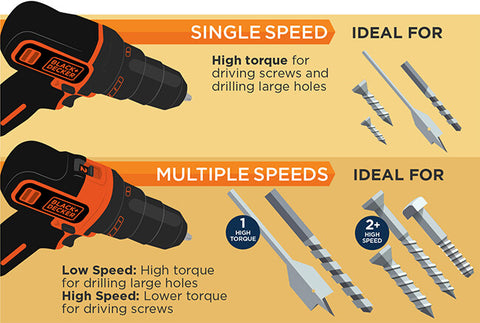
- Set torque. For driving screws, pick a lower clutch setting to avoid stripping.
- Start slow. Begin at low speed to make a guide hole. Increase speed once it’s steady.
- Apply steady pressure. Let the drill do the work. Don't push too hard.
- Back out to clear chips. For deep holes, pull the bit out occasionally.
- Reverse to remove screws. Use the reverse switch to back screws out cleanly.
I recommend practicing on scrap wood first. I practiced on a few boards before mounting shelves. That practice saved hours.
:max_bytes(150000):strip_icc()/How-to-use-a-power-drill-1825112_final-0b1f67f5a93147cd8f4c119261d648f0.png)
Quick PAA-style questions
How do I keep the bit from slipping?
Start at low speed and use a center punch or small pilot hole before drilling.
What speed should I use for metal?
Use a slow speed and steady pressure; higher speeds heat the bit and dull it.
Can I use any drill bit with my cordless drill?
Most drills accept standard bits, but confirm chuck size and bit type for best results.

Tips for drilling wood, metal, and masonry
Different materials need different approaches.
- Wood. Use brad-point bits or twist bits. Drill faster and clear chips often.
- Metal. Use lubricating oil, slower speed, and steady pressure. Pilot holes help.
- Masonry. Use a hammer drill and masonry bits. Drill with steady pulses rather than continuous heavy pressure.
If a hole binds or smoke appears, stop and reassess. I once ruined a drill bit by using high speed on steel. Slow and steady fixes that.
Driving screws with a drill
A drill can replace a screwdriver if used right.
- Use driver bits that fit the screw head precisely.
- Set the clutch to stop before the screw head sinks too deep.
- Use pilot holes for hardwood to prevent splitting.
- For long screws, use an impact driver for more torque.
Practice driving screws on scrap pieces to learn clutch settings. That practice prevents stripped heads and broken bits.
Common mistakes and troubleshooting
Beginners often make the same simple errors. Fix these early.
- Using the wrong bit. Choose bits for the material and job.
- Too much pressure. This can break bits or damage the work.
- High speed on hard metal. Heat will ruin bits.
- Loose chuck or bits. Tighten until the bit is secure.
If your drill stalls, check the clutch and battery charge. If holes wander, use a pilot hole or clamp a guide. These small fixes work most of the time.
Maintenance and care of your drill
A little care extends tool life and keeps performance strong.
- Keep vents clear of dust. Blow them out periodically.
- Charge batteries properly and store them cool.
- Replace worn brushes on corded motors as needed.
- Keep chucks clean and lightly lubricated.
I clean my drill after every big project. It pays off with smoother starts and longer life.
Frequently Asked Questions of how to use a drill for beginners
How do I choose between corded and cordless drills?
Cordless drills are portable and fine for most home jobs. Corded drills give continuous power and are better for heavy-duty tasks.
What is the correct grip for a drill?
Hold the handle with your dominant hand and support the front with your other hand. Keep wrists straight and stand steady.
How do I prevent splitting wood when driving screws?
Drill a pilot hole slightly smaller than the screw shank. Use the right screw length and drive slowly near the end.
Can I drill into tile or glass?
You can with the right bit and low speed. Use specialized bits and water to cool; go slowly to avoid cracking.
How often should I replace drill bits?
Replace bits when they dull or chip. A dull bit creates more work and poor holes, so swap bits once performance drops.
Conclusion
Learning how to use a drill for beginners is simple with the right steps. Choose the correct drill and bits, use safety gear, practice steady pressure, and maintain your tool. Start with small practice projects, learn from mistakes, and build confidence with each hole. Try one small project this week, and leave a comment about your first drill experience or question.