Pipe wrenches bite and turn round pipes; adjustable wrenches grip flat nuts and bolts.
I’ve spent years fixing pipes and tightening bolts in both home and professional settings. This guide explains the pipe wrench vs adjustable wrench difference clearly and simply. You’ll learn when each tool shines, why they fail when used wrong, and how to pick the right one for the job. Read on for practical tips, safety notes, and real-world examples from hands-on work.

What is a pipe wrench?
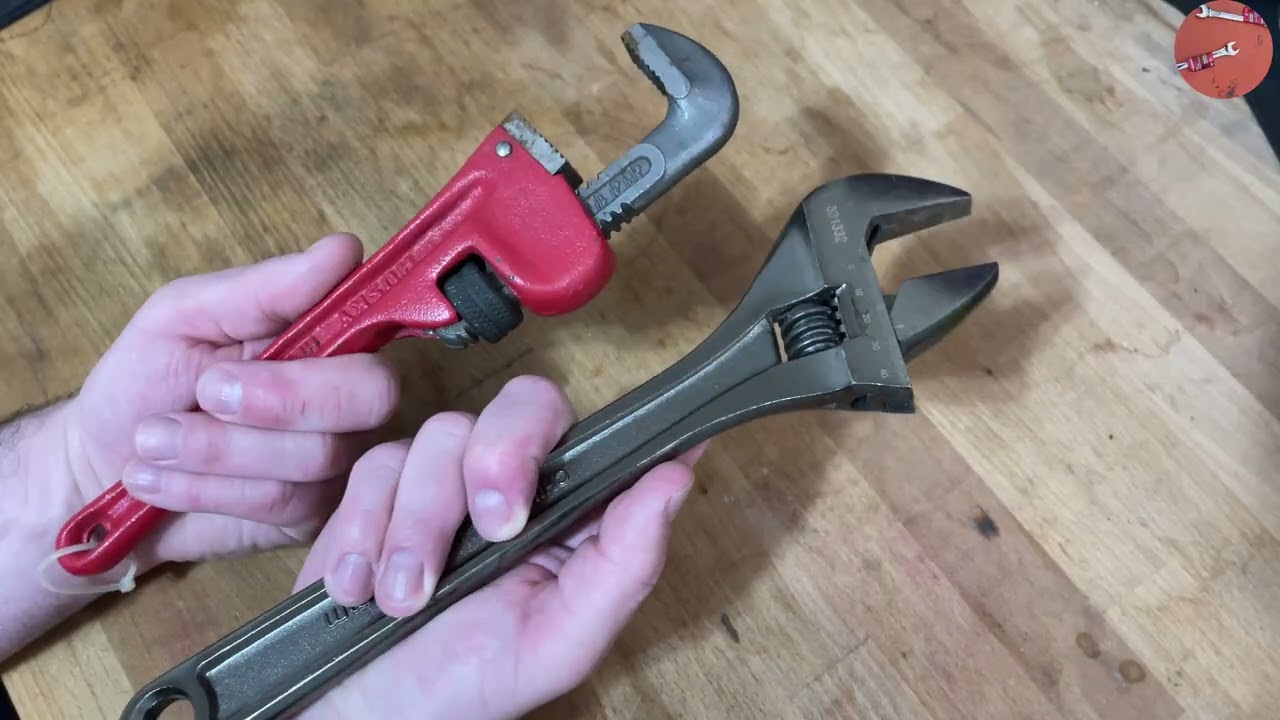
A pipe wrench is a heavy tool made to grip round pipe and fittings. It has serrated jaws and a movable lower jaw that bites into metal as you turn. The wrench uses leverage and a self-tightening action to hold pipes firmly. It is common in plumbing and gas work because it handles round shapes and smooth surfaces well.

What is an adjustable wrench?
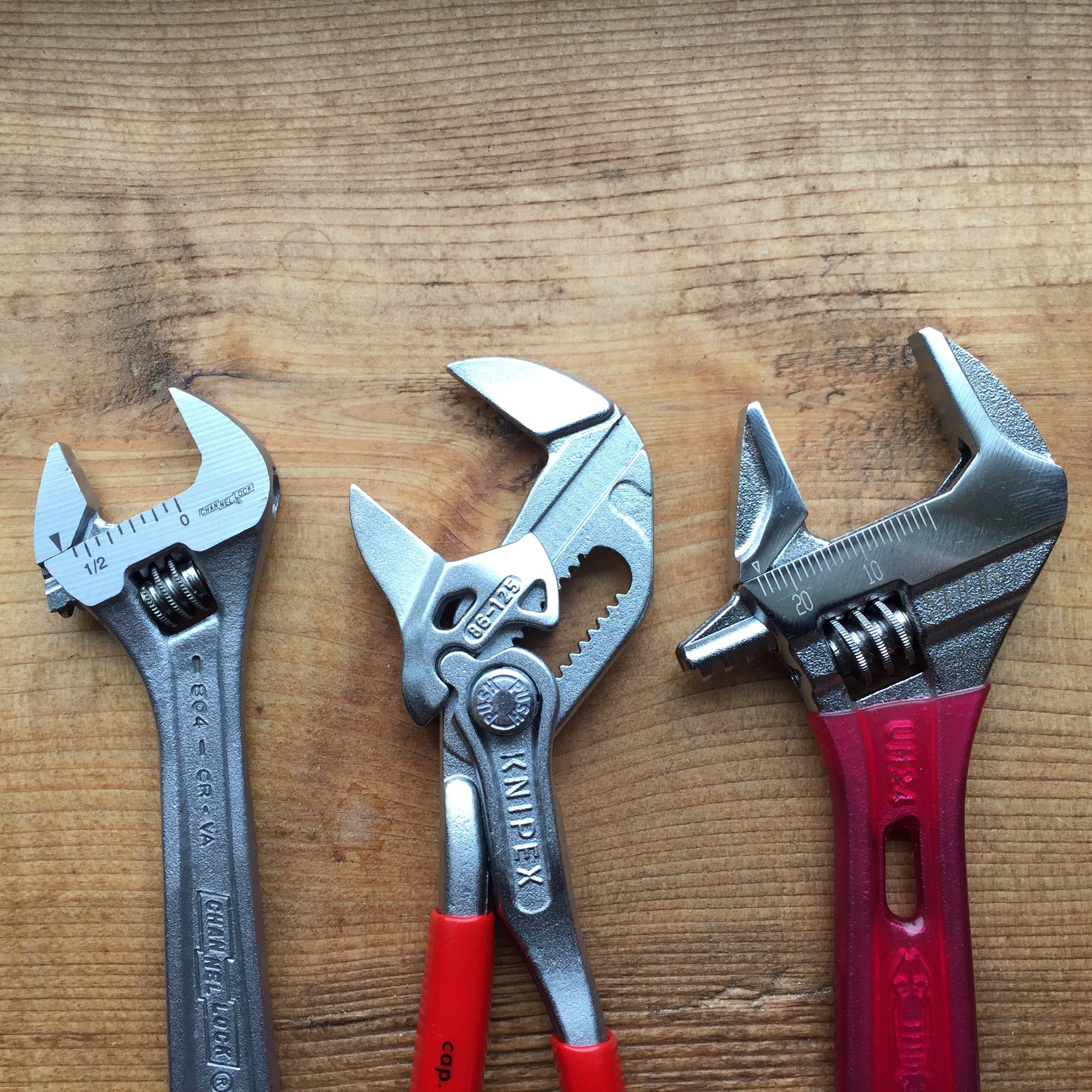
An adjustable wrench has flat, smooth jaws and a screw to set jaw width. It fits nuts and bolts with flat sides. This wrench is meant for hex heads and square fasteners. It provides a snug fit without biting into metal.

Key differences: design, grip, and use
The pipe wrench vs adjustable wrench difference shows up in shape, grip, and purpose. Below are clear points to compare.
- Design: Pipe wrench has curved, serrated jaws. Adjustable wrench has flat, smooth jaws.
- Grip: Pipe wrench bites into round pipe for a secure hold. Adjustable wrench grips flat sides of nuts and bolts.
- Purpose: Pipe wrench is for pipes and fittings. Adjustable wrench is for fasteners and hardware.
- Torque: Pipe wrench can apply large torque to round stock. Adjustable wrench risks slipping if used on rounded or damaged heads.
- Damage risk: Pipe wrench will scar metal surfaces. Adjustable wrench can round bolt corners if not fitted tightly.
- Size range: Pipe wrenches are long for leverage. Adjustable wrenches come in shorter, compact sizes for tight spaces.
The pipe wrench vs adjustable wrench difference also affects what you should carry in your toolbox. Keep both if you work with both pipes and fasteners.

PAA-style questions:
What makes a pipe wrench better for pipes?
A pipe wrench has serrated jaws that dig into round pipe. That bite prevents slip and allows high torque.
Can an adjustable wrench work on pipes?
It can in a pinch, but it often slips and may round the pipe. Use a pipe wrench for reliable grip.
Which tool will damage chrome or finished fittings?
Pipe wrenches can mar finishes because their teeth bite metal. Use protective pads or an adjustable wrench when finish matters.
Practical examples and use cases
Here are real scenarios that show the pipe wrench vs adjustable wrench difference.
- Tightening a galvanized pipe joint: Use a pipe wrench. The round shape needs the bite of serrated jaws.
- Loosening a hex head bolt on a bracket: Use an adjustable wrench or a box-end wrench for best fit.
- Working on chrome-plated faucet parts: Use an adjustable wrench with a cloth to avoid marking the finish.
- Emergency roadside repair on a strut bolt: An adjustable wrench or properly sized spanner is best.
These examples reflect common jobsite choices I’ve made. I swapped tools mid-job many times until I learned to match tool to task.
When to use which: quick guide
Match the tool to the work to avoid slips and damage. Use this short guide on choosing based on the task.
-
Use a pipe wrench when:
- You work on water, gas, or drain pipes.
- The surface is round or smooth.
- You need high grip and torque.
-
Use an adjustable wrench when:
- You work on nuts, bolts, or fasteners with flat sides.
- You need a smooth jaw to protect finishes.
- You work in tight spots where length hurts leverage.
This helps you decide fast. The pipe wrench vs adjustable wrench difference is practical, not picky.
Maintenance, safety, and common mistakes
Keep both wrenches clean and sharp. Inspect teeth on pipe wrenches and threads on adjustable jaws. Lubricate moving parts lightly.
-
Safety tips:
- Wear gloves and eye protection.
- Use the correct size wrench for the job.
- Pull, don’t push, to reduce slip risk.
-
Common mistakes:
- Using an adjustable wrench on round pipes causes slip. This is a classic error.
- Using a pipe wrench on a finished nut scars it.
- Over-tightening with the wrong tool can break fittings.
Knowing these points reduces accidents and repair time.

Buying guide: choose the right wrench
Pick tools that match your work. Look for quality, fit, and warranty.
-
For pipe wrenches:
- Choose drop-forged steel for strength.
- Pick a length that gives needed leverage but fits your workspace.
- Replace worn teeth rather than keep a slipping wrench.
-
For adjustable wrenches:
- Look for smooth jaw faces and tight adjustment threads.
- Choose models with a thin head for tight spaces.
- Test jaw play before buying; less play = better grip.
Budget matters, but cheap tools often fail on tough jobs. Invest where you need reliability.
My experience, tips, and lessons learned
I once used an adjustable wrench to turn a pipe in a cramped crawlspace. The wrench slipped and rounded the pipe. I switched to a pipe wrench and finished fast. Lesson learned: use the right tool first to save time.
Tips I use every day:
- Keep both wrenches in a marked pouch. This stops wrong-tool slips.
- Use a strap or chain wrench if the finish must stay perfect.
- Clean jaws after use to keep grip tight.
These small habits cut repair time and cut costs.

Frequently Asked Questions of pipe wrench vs adjustable wrench difference
What makes a pipe wrench different from an adjustable wrench?
A pipe wrench bites into round surfaces with serrated jaws. An adjustable wrench uses flat jaws and a screw to fit nuts and bolts.
Can an adjustable wrench replace a pipe wrench?
Not reliably. An adjustable wrench may slip on round pipe and damage the fastener or tool.
Will a pipe wrench damage chrome or brass fittings?
Yes. The serrated jaws will scar finished surfaces. Use protective covers or a different wrench when finish matters.
Which wrench gives more torque?
Pipe wrenches give more torque on round stock because they bite and self-tighten. Adjustable wrenches are limited by jaw fit and user strength.
How do I choose the right size wrench?
Match the wrench to the work. Use a longer pipe wrench for heavy pipes and a compact adjustable wrench for tight spaces.
Conclusion
Knowing the pipe wrench vs adjustable wrench difference helps you pick the right tool quickly. Pipe wrenches bite and hold round pipes. Adjustable wrenches fit flat nuts and bolts and protect finishes when used right. Use the right tool, keep it in good shape, and the job gets safer and faster. Try a small habit change today: carry both in your kit and mark them for their job. Share your experiences below, subscribe for more tool guides, or ask a question to get tailored advice.