Regular cleaning, sharpening, lubrication, and proper storage keep hand tools reliable and rust-free.
I’ve spent decades using and caring for wrenches, chisels, saws, and pliers in home shops and professional jobs. This guide on how to maintain hand tools properly condenses hands-on experience, shop-tested routines, and simple science into clear steps you can follow today. Read on for practical checklists, troubleshooting, and tips that will extend tool life, improve safety, and save money.

Why proper tool maintenance matters
Well-maintained tools perform better, last longer, and cost less over time. Learning how to maintain hand tools properly prevents rust, loss of precision, and sudden failures that can cause injury. This knowledge also keeps resale value higher and reduces replacement waste. Follow basic care habits and you’ll avoid many common tool problems.

Daily and weekly care: simple routines
A short daily routine keeps tools ready and safe. Wipe tools after use with a clean rag to remove dirt and moisture. Inspect cutting edges and moving parts for chips, burrs, or looseness. Weekly, check fasteners, oil pivot points, and clean off any surface rust you spot.
Cleaning, rust prevention, and lubrication
Cleaning and rust prevention are central to how to maintain hand tools properly. Remove grime with a mild degreaser or warm soapy water for non-finished tools. Dry thoroughly and apply a light coat of machine oil, camellia oil, or paste wax to steel surfaces. For rusted items, use fine steel wool, a rust eraser, or a vinegar soak, then neutralize and protect the metal with oil.
Tips for lubrication and rust protection:
- Use mineral oil or sewing machine oil for pivot points and hinges.
- Apply a thin layer of paste wax to wooden handles to seal and condition the wood.
- For pliers and wrenches, spray a light penetrating oil, then work the joint and wipe off excess.
- Avoid heavy grease on cutting edges. It attracts dust and can gum up blades.

Sharpening, adjustment, and calibration
Keeping edges sharp is part of how to maintain hand tools properly for safe, clean work. Files, chisels, plane irons, and knives need periodic sharpening with stones or files. Use the correct angle for each tool: bench plane irons often 25–30 degrees, chisels 25 degrees for general use. Keep screwdrivers squared and handles tight to avoid cam-out.
Sharpening checklist:
- Hone regularly with a fine stone or strop rather than waiting for heavy damage.
- Replace or regrind excessively worn tips rather than using them dangerously.
- Check measuring tools for accuracy and recalibrate when needed.

Storage and organization
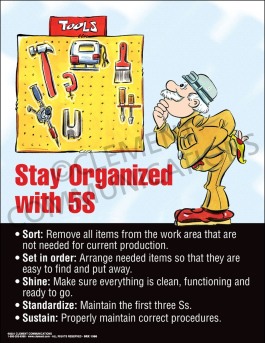
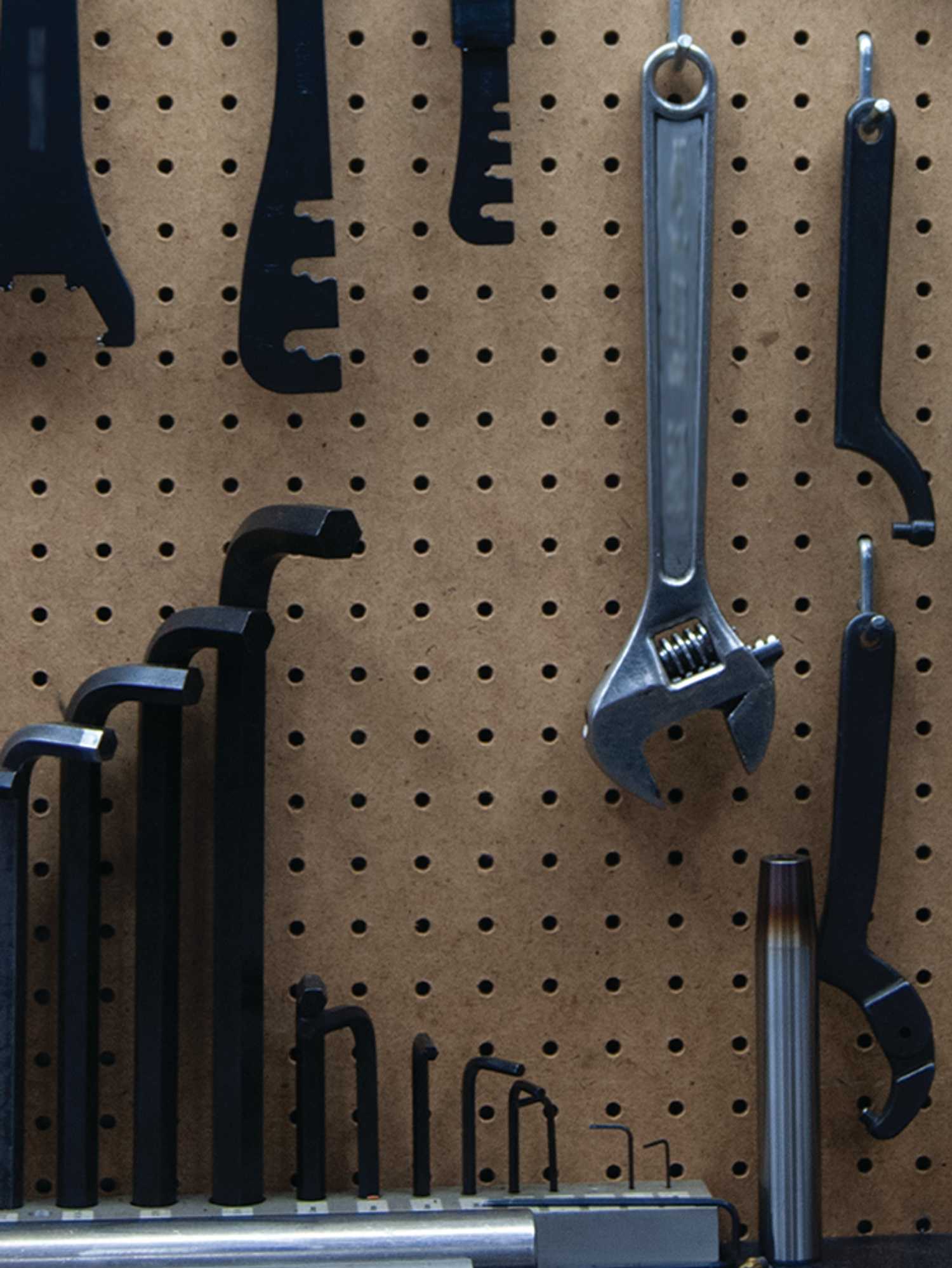
Good storage supports how to maintain hand tools properly by preventing damage and loss. Store tools in dry, well-ventilated places. Use a toolbox, pegboard, or shadow board so each tool has a place. Wrap edged tools in oilcloth or keep them in blade guards.
Storage best practices:
- Use silica gel packs or rust inhibitor tabs in toolboxes to reduce moisture.
- Store wooden handles vertically when possible to avoid warping.
- Label drawers or shadow boards for quick tool recovery and accountability.

Safety checks and regular inspections
Regular safety checks are essential when learning how to maintain hand tools properly. Inspect handles for cracks, heads for looseness, and blades for chips. Replace any tool that shows structural failure signs. Simple inspections before use prevent accidents and poor results.
Quick inspection steps:
- Test a hammer head and handle for secure fit.
- Check screwdriver tips for rounding; replace if stripped.
- Verify locking mechanisms on adjustable tools work smoothly.
Common mistakes and troubleshooting
Avoiding pitfalls makes maintaining tools easier and less time-consuming. A common mistake is over-oiling, which attracts grit. Another is storing tools in damp environments. When tools rust or seize, act quickly: clean, neutralize, and re-lubricate.
Troubleshooting examples:
- Seized pliers: soak pivot in penetrating oil, tap lightly to free, then clean and lubricate.
- Dull chisel: sharpen with coarse stone, finish with fine stone and strop for a keen edge.
- Wooden handle looseness: tap in a wedge or apply a little epoxy for a secure repair.
Quick answers (PAA-style)
How often should I oil my hand tools?
Oil pivot points and moving parts weekly if used often, and at least monthly otherwise. Wipe excess oil to prevent dust buildup.
What’s the best way to remove surface rust?
Use fine steel wool or a rust eraser with oil for light rust. For heavier rust, soak in a mild acid solution like vinegar, then neutralize and protect.
Personal tips from experience
Years in workshops taught me two things: consistency beats perfection, and small habits add up. I keep a small maintenance kit with a rag, light oil, a wire brush, and a fine stone. After each job, I do a 60-second wipe-down and a short look-over. That routine saved me time and money over decades.
Lessons learned:
- Fix small problems early. Loose handles become dangerous quickly.
- Use the right tool for the job to avoid stressing and damaging tools.
- Keep a log for calibration-sensitive tools; it helps track when adjustments were made.
Frequently Asked Questions of how to maintain hand tools properly
How often should I sharpen chisels and plane blades?
Sharpen them whenever they stop cutting cleanly. For regular use, that often means a light hone after a few hours of work.
Can I use WD-40 for long-term rust protection?
WD-40 is fine for short-term protection and cleaning, but for long-term rust prevention use a dedicated light oil or paste wax.
How do I store tools in a garage that gets damp?
Use sealed tool chests, silica gel packs, and rust inhibitor tabs. Elevate tools off cold concrete and keep them in a ventilated cabinet if possible.
Is it okay to put tools in the dishwasher for cleaning?
No. Dishwashers cause corrosion and can damage wooden handles and cutting edges. Clean by hand instead.
When should I replace a hand tool rather than repair it?
Replace a tool if it has major structural damage, badly worn teeth or cutting surfaces, or if a repair would cost more than a decent replacement.
Conclusion
Maintaining your tools is a small investment that yields big returns in performance, safety, and cost savings. Use simple daily routines, keep tools clean and oiled, sharpen and calibrate regularly, and store them properly. Start with a 60-second end-of-day habit and a monthly check; you’ll see fewer problems and enjoy better work. Try these steps for a month, then share your progress or questions in the comments — I’d love to hear what worked for you.