A plunger wins for simple clogs; a drain snake wins for deep, stubborn blockages.
I’ve spent years fixing sinks and showers in homes and rentals, so I know the strengths and limits of each tool. This article breaks down plunger vs drain snake which is better, step by step. You’ll get clear guidance, safety tips, cost ranges, and real-world examples so you can pick and use the right tool with confidence.

How a plunger works
A plunger uses air pressure and suction to move water and break up soft blockages near the drain opening. It is quick to use and needs no special skill. Plungers work best when the drain still has standing water to seal and push against.
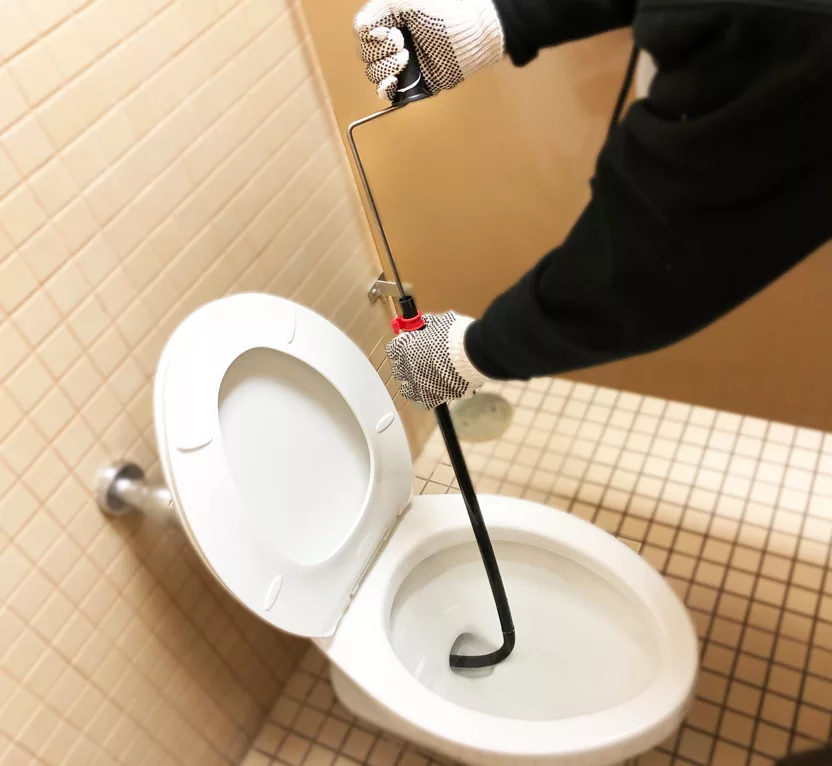
How a drain snake works
A drain snake, also called a plumber’s auger, is a flexible steel cable that reaches deeper into pipes. You feed it down the drain and turn the handle to break or pull out the clog. Snakes handle hair, grease, and objects lodged past the trap or further down the line.

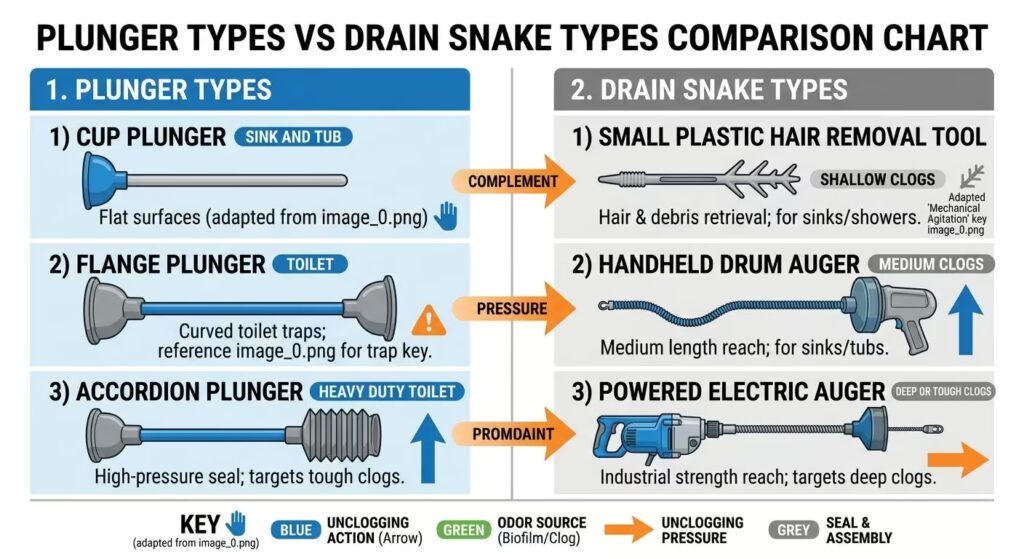
Plunger vs drain snake: side-by-side comparison
Here is a clear comparison to help decide plunger vs drain snake which is better for different situations.
- Effectiveness
- Plunger: Works well for soft, shallow clogs like toilet paper or soap scum near the drain.
- Drain snake: Better for hair, compacted grease, and items lodged deep in the pipe.
- Speed
- Plunger: Fast; you can often clear a clog in minutes.
- Drain snake: Slower setup, but faster at reaching and removing stubborn blockages.
- Cost and tools needed
- Plunger: Cheap and simple. Most cost less than $20.
- Drain snake: More expensive; manual snakes start around $20–$50 and power augers cost more.
- Mess and cleanup
- Plunger: Can be messy with splashes but cleanup is simple.
- Drain snake: Can pull up gross material and require careful cleaning of the cable.
- Damage risk
- Plunger: Low risk when used correctly.
- Drain snake: Greater risk if forced, especially with older or PVC pipes.
- Skill level
- Plunger: Low skill required.
- Drain snake: Moderate skill improves results and reduces pipe damage.
Overall, plunger vs drain snake which is better depends on the clog type and location. For shallow, soft clogs pick a plunger. For deep or tangled clogs use a drain snake.

When to use each tool
Choose based on the symptoms and the drain type.
- Use a plunger when:
- The water level is high and the drain bubbles but doesn’t flow.
- The clog is in a toilet, sink, or shower drain close to the trap.
- You need a fast, low-cost fix.
- Use a drain snake when:
- Water drains very slowly or not at all after plunging.
- Hair, roots, or non-degradable items are suspected.
- The clog is deeper than the trap or in a main drain line.
If you try a plunger first and the clog returns, move to a drain snake. This staged approach limits effort and risk.
Safety and practical tips
Follow these steps so you don’t make the problem worse.
- Before you start
- Wear gloves and eye protection.
- Remove excess standing water if possible to reduce splashing.
- Plunger tips
- Create a tight seal over the drain before plunging.
- Use several strong pumps and check results. Repeat if needed.
- Drain snake tips
- Turn the cable slowly and feed gently.
- Don’t force the auger if it won’t move; retract and try again at a different angle.
- Avoid mixing tools and chemicals
- Don’t use a snake if you’ve recently poured chemical drain cleaners; fumes and reactions can be dangerous.
- Stop and ventilate if chemicals were used, and consider calling a pro.
- When to stop
- Stop if you hear or feel resistance that doesn’t break after careful work.
- Call a professional plumber if the clog resists both tools or if multiple fixtures are affected.
These safety steps lower the chance of pipe damage and injury when deciding plunger vs drain snake which is better for your situation.

Costs, maintenance, and when to call a pro
Understand costs and limits before trying tools.
- Typical costs
- Plunger: $10–$30 for good models.
- Manual drain snake: $20–$60 depending on length.
- Power auger or professional service: $100+.
- Tool care
- Rinse and dry plungers and snakes after use. Apply light oil to snake cables to prevent rust.
- Store tools in a dry place.
- When to hire a pro
- Multiple fixtures back up at once.
- The clog is in a main sewer line or involves tree roots.
- Repeated clogs after DIY attempts suggest a deeper problem.
Knowing costs and limits helps you decide between plunger vs drain snake which is better for cost-effectiveness and long-term repair.
Personal experience: lessons from years of fixes
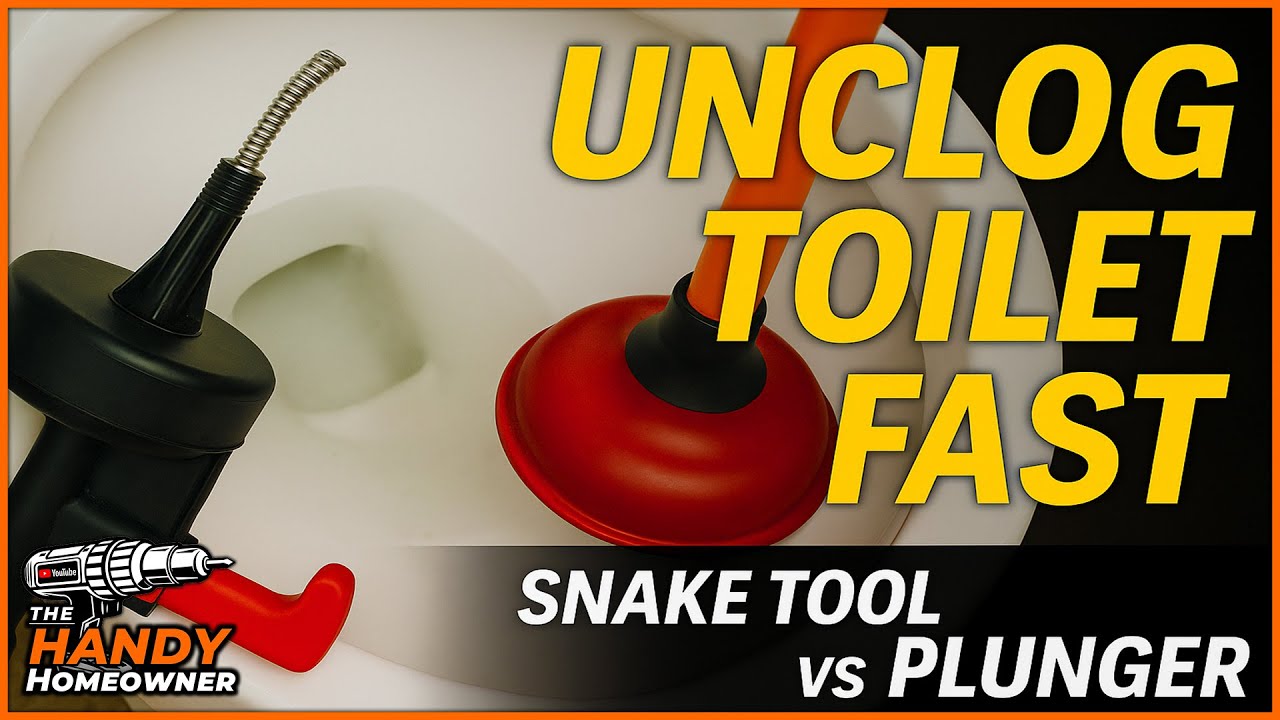
I’ve cleared hundreds of clogs with both tools. Early in my work I tried a snake first and often wasted time on shallow clogs. I learned to always try a plunger first for toilets and sinks. When a plunger failed, the drain snake usually finished the job. One time a bathroom shower had a recurring hair clog three times in a month; replacing the shower drain screen fixed it for good. My biggest lesson: match the tool to the symptom and don’t force either tool.
Frequently Asked Questions of plunger vs drain snake which is better
What type of clog should I try a plunger on first?
Try a plunger on soft, shallow clogs like toilet paper, soap scum, or food bits. It’s quick and cheap and often resolves simple blockages.
Can a drain snake damage pipes?
Yes, if used roughly or incorrectly, a drain snake can scratch or stress old pipes. Use gentle pressure and stop if you meet solid resistance.
How long is a typical drain snake cable?
Manual cables commonly range from 15 to 50 feet. Choose longer cables for main lines or deep blockages.
Should I use a plunger and then a drain snake in the same session?
Yes. Start with a plunger and then use a snake if the clog persists. This sequence reduces time and risk.
When is it time to call a professional plumber?
Call a pro when multiple fixtures back up, you can’t clear a clog with both tools, or you suspect sewer-line issues. Professionals have gear and cameras for hard cases.
Conclusion
A plunger and a drain snake both have clear roles. Use a plunger first for quick, shallow clogs and reach for a drain snake when the problem is deep or stubborn. Match the tool to the job, follow safety steps, and know when to call a pro. Try the suggested approach on your next clog, share your result, and subscribe or comment to get more practical home-fix tips.