A multimeter measures voltage, current, resistance, and continuity to diagnose electrical problems.
I’ve spent years working with electronics and home wiring, and I write this to help you understand exactly what a multimeter is used for and how it can save time and money. This guide explains what a multimeter is, how it works, its common uses, safety tips, buying advice, and real-world examples from my own experience. Read on to gain practical skills and clear answers about what a multimeter is used for.
What is a multimeter?
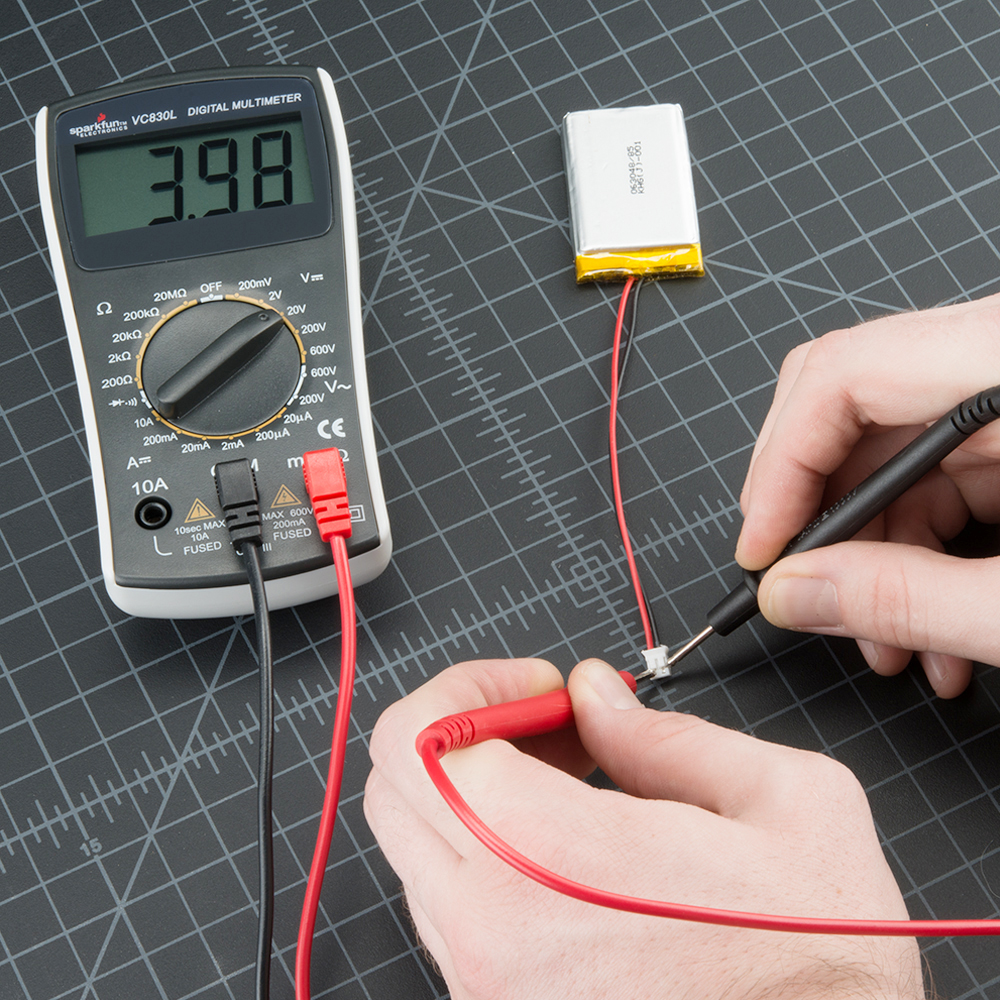
A multimeter is a handheld tool that measures electrical values. When people ask what is a multimeter used for, they usually want a tool that checks voltage, current, and resistance. Multimeters come in analog and digital forms. They help test batteries, outlets, fuses, motors, and circuit boards. I use them daily to confirm readings and to quickly find faults in circuits.
A multimeter saves time. It prevents guesswork. It keeps repairs safe when used correctly.
How a multimeter works
A multimeter has a meter movement, a selector switch, and probes. The meter measures how electricity flows or resists flow. For voltage, it measures the potential difference between two points. For current, it measures flow through a conductor. For resistance, it sends a small current and measures how much the circuit resists.
Most modern multimeters use a small microcontroller to read values and show them on a screen. Autoset and auto-ranging features simplify readings. When you wonder what is a multimeter used for, remember it converts electrical signals into numbers you can act on.
Types of multimeters
Multimeters vary by design and features. Choosing the right type depends on what you need to test and how often you’ll use it.
- Basic digital multimeter
- Measures voltage, current, resistance, and continuity.
- Good for hobbyists and basic home repairs.
- True RMS multimeter
- Gives accurate AC readings on non-sinusoidal waveforms.
- Useful for motors and variable-speed drives.
- Clamp meter
- Measures current without breaking the circuit.
- Handy for HVAC techs and electricians.
- Autoranging multimeter
- Selects the correct range automatically.
- Easier for beginners and fast checks.
- Bench multimeter
- High precision, for labs and calibration.
- Not portable but very accurate.
Knowing what is a multimeter used for helps pick the right model. If you work on electronics, a compact digital model is fine. For industrial work, choose a True RMS or clamp meter.
:max_bytes(150000):strip_icc()/how-to-use-a-multimeter-5194980-05-7904946b29144607b1f46e35964e5693.jpg)
Common uses and real-world examples
A multimeter is versatile. Here are common uses and examples from my work.
- Testing batteries
- Check voltage to see if a battery needs replacement.
- I once saved a client from buying a new tool by confirming the battery was dead.
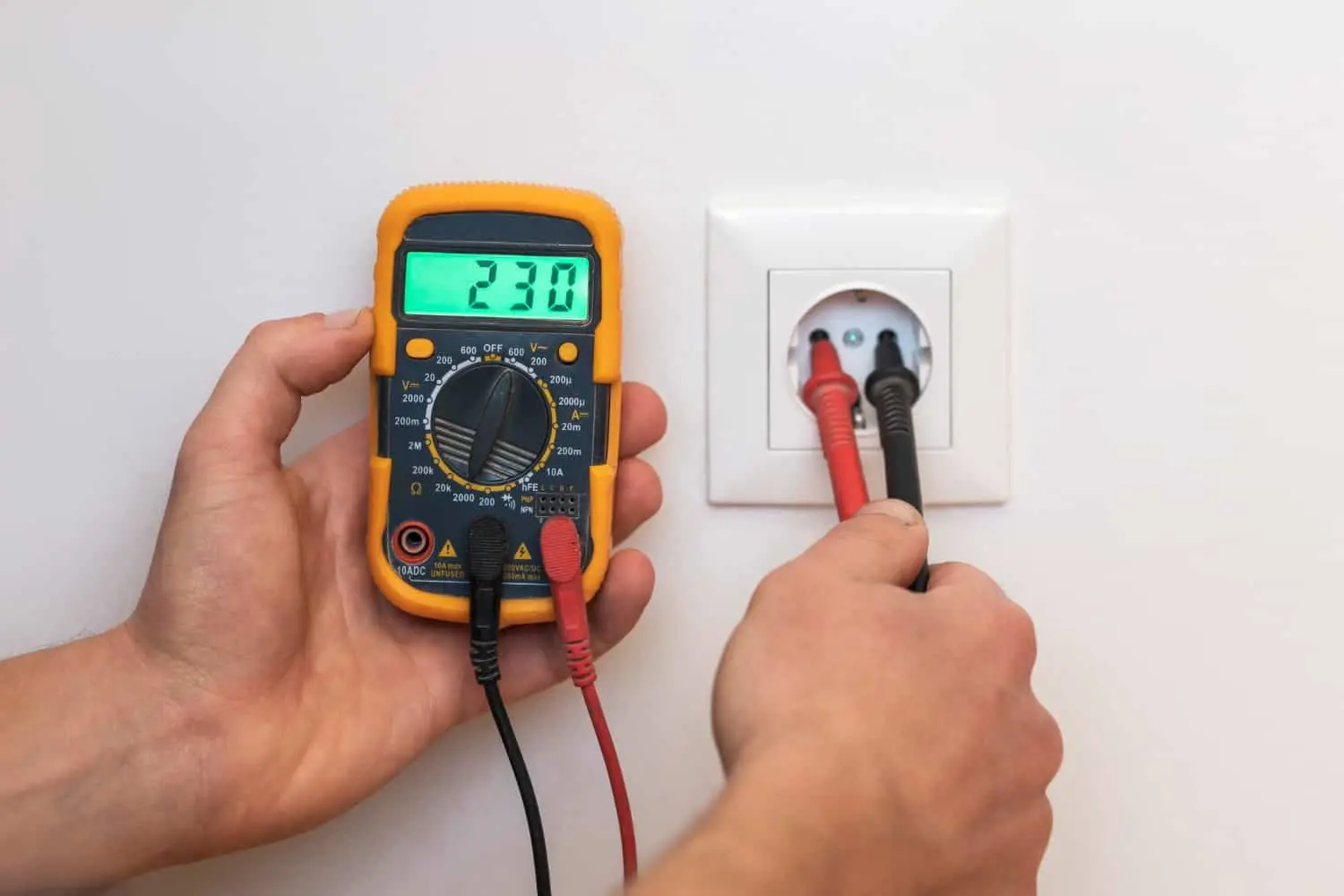
- Checking household outlets
- Measure AC voltage to confirm proper wiring.
- I used a multimeter to find a loose neutral on a kitchen circuit.
- Troubleshooting car electronics
- Test starter, alternator, and sensors for correct voltages.
- I traced a parasitic drain by measuring current overnight.
- Verifying continuity
- Find broken wires or bad switches by checking if current can flow.
- A continuity beep quickly exposed a broken headphone cable.
- Testing components on circuit boards
- Measure resistors, diodes, and capacitors in-circuit or on a bench.
- I replaced a failed regulator after a simple voltage check.
PAA-style quick questions
- How long does a multimeter take to test a battery?
- A few seconds to measure open-circuit voltage; a load test may take minutes.
- Can a multimeter damage electronics?
- Using the wrong setting can harm sensitive parts, so start with the highest range and confirm settings.
- Do I need a special skill to use a multimeter?
- Basic checks are simple; safety and accurate diagnosis improve with practice.
Knowing what is a multimeter used for means knowing these simple checks. Small habits, like testing leads and settings before use, will save mistakes.

How to use a multimeter: step-by-step and safety tips
Follow steps to test voltage safely.
- Inspect the multimeter and probes.
- Check for damaged insulation or loose connections.
- Set the function and range.
- Choose voltage (V), current (A), or resistance (Ω). Use auto-range if available.
- Place probes correctly.
- Black to common (COM), red to VΩmA or the appropriate current jack.
- Measure with care.
- For voltage, place probes across points. For current, place meter in series or use clamp mode.
- Turn off and store properly.
- Remove batteries if not used for long periods.
Safety tips
- Never measure resistance on a live circuit.
- Start on the largest range if unsure.
- Use protective gear for high-voltage situations.
- Replace frayed leads immediately.
From my experience, most mistakes come from wrong settings or rushing. Once, I attempted a current test without switching jacks and blew a fuse in the meter. Small patience prevents big problems. When thinking about what is a multimeter used for, remember safety is the first use.
:max_bytes(150000):strip_icc()/how-to-use-a-multimeter-5194980-01-acb6dc0e02254358b597206a4b1ba48e.jpg)
Buying and maintenance tips
Buy a multimeter that fits your needs. Consider these features and tips.
- Accuracy and True RMS
- Choose True RMS for accurate AC readings on complex signals.
- Safety ratings
- Look for CAT II, CAT III, or CAT IV ratings depending on the environment.
- Display and ergonomics
- Large display and backlight help in dim workspaces.
- Extra functions
- Continuity beep, diode test, capacitance, and temperature add value.
- Maintenance
- Keep the meter clean and dry.
- Replace batteries and fuses as needed.
- Calibrate if you use the meter professionally.
I prefer meters with clear markings and a protective rubber boot. These small features matter in real jobs. When considering what is a multimeter used for in your projects, think ahead about future needs and safety.

Frequently Asked Questions of what is a multimeter used for
What is the simplest thing a multimeter can test?
A multimeter can quickly test battery voltage and continuity in seconds. These are the easiest and safest checks for beginners.
Can a multimeter measure AC and DC?
Yes. Most multimeters measure both AC and DC voltage and sometimes AC and DC current. Ensure you select the correct setting before testing.
Is a multimeter safe to use at home?
Yes, when used correctly and within its safety rating. Avoid live high-voltage work unless you have proper training and equipment.
Do I need to be an electrician to use a multimeter?
No. Basic tests require minimal skill, but advanced diagnostics and high-voltage work need training. Practice on low-risk tasks first.
How often should I calibrate my multimeter?
For casual use, calibration every few years is fine. Professional environments may require annual calibration to keep measurements accurate.
Conclusion
A multimeter is a core tool for anyone who works with electricity. It tells you what is happening in a circuit and helps you make safe, informed repairs. Start with simple tests, learn safe habits, and choose a meter that fits your needs. Try a few basic checks today to build confidence, and consider upgrading to a True RMS or clamp meter as your skills grow. If this guide helped, subscribe or leave a comment with your questions or experiences.