Learn how to use a voltage tester safely: verify power, test twice, and wear proper PPE.
I’ve spent years testing wiring in homes and on job sites. In this guide I explain how to use a voltage tester safely with clear steps, real tips, and lessons from field experience. You’ll get easy instructions, safety checks, and troubleshooting so you can test circuits with confidence and avoid common hazards.
Why using a voltage tester safely matters
A voltage tester is a simple tool. But a simple tool used wrong can still cause shocks, burns, or fires. Knowing how to use a voltage tester safely reduces risk and protects you and your home.
Electrical work has hidden dangers. A tester helps you confirm a circuit is dead before you touch it. This reduces mistakes and makes repairs safer and faster.
Types of voltage testers and when to use them
Different testers suit different tasks. Choose the right one for the job to ensure accurate, safe checks.
- Non-contact voltage testers detect live wires without touching metal. Use them for quick checks on outlets, switches, and cables.
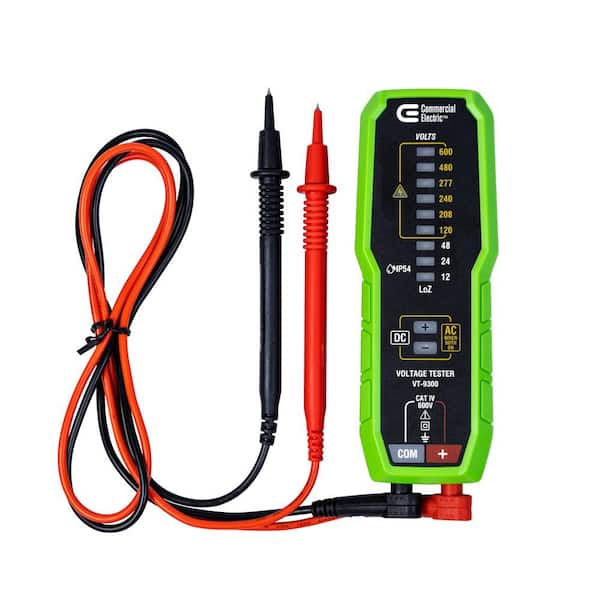
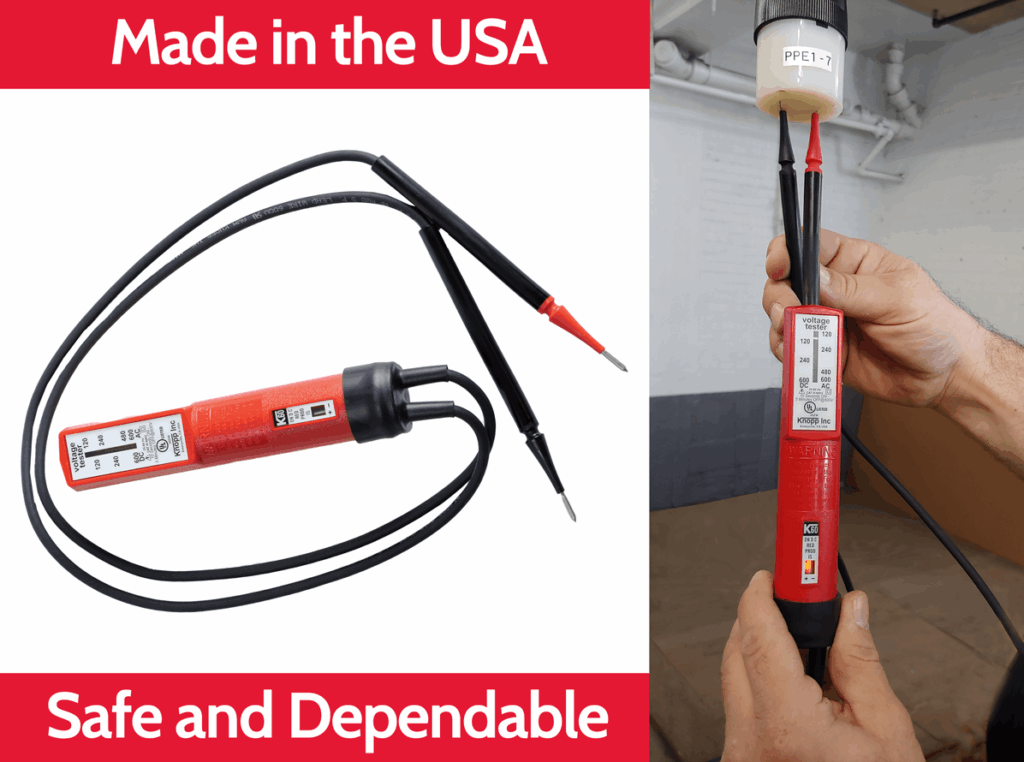
- Two-pole contact testers show voltage and polarity. Use them for outlets and junction boxes.
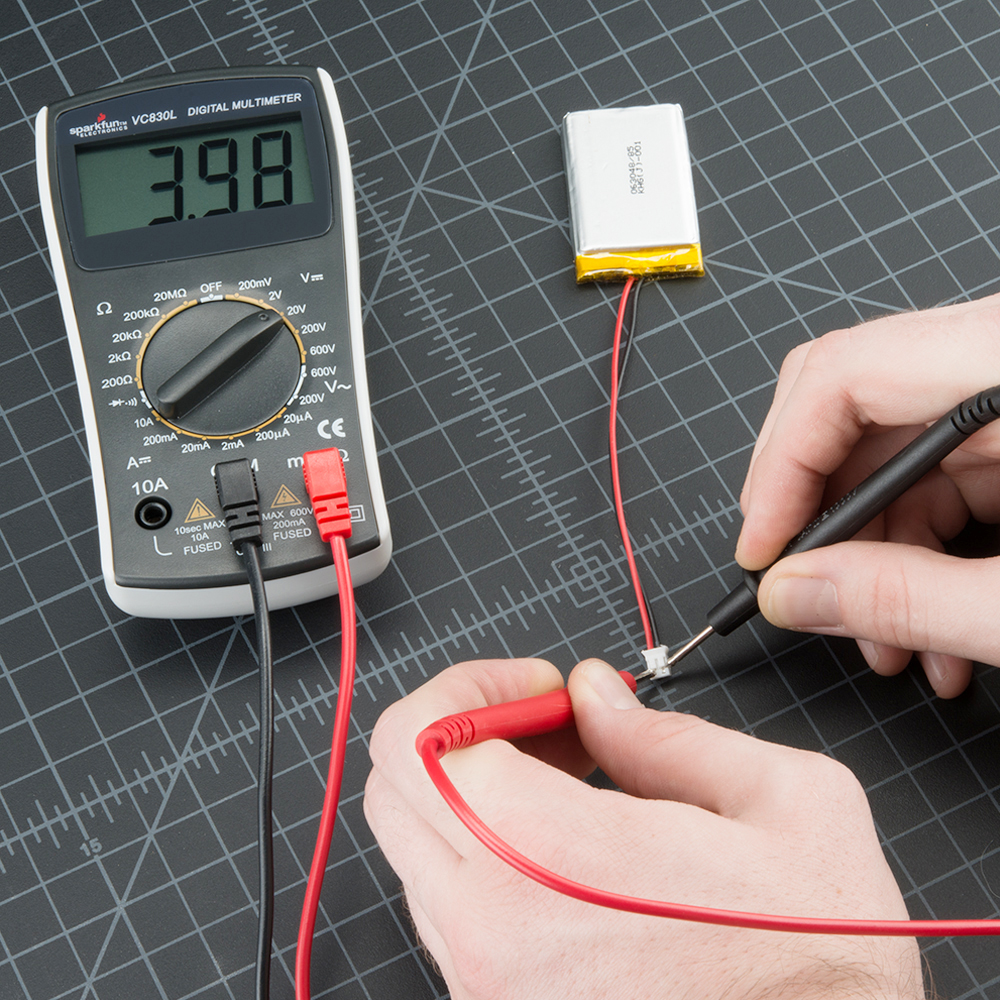
- Multimeters measure voltage, current, and resistance. Use them for detailed diagnostics and to confirm readings.
- Solenoid or neon testers are basic tools for quick checks but are less safe and less accurate than modern testers.
Match the tool selection to the task. If you’re unsure which to buy, pick a reliable non-contact tester for quick use and a digital multimeter for deeper troubleshooting.

Step-by-step: how to use a voltage tester safely
Following a clear sequence keeps you safe. Read each step and follow it every time you test.
-
Prepare and plan.
- Turn off power at the breaker or fuse box if possible.
- Remove jewelry and wear eye protection.
-
Choose and inspect the tester.
- Check the tester for cracks, damaged probes, or dead batteries.
- Prefer a tester rated for the voltage you will test.
-
Verify the tester works.
- Test the tester on a known live source first. This confirms it functions before you trust it.
- If the tester fails the known-live check, do not use it.
-
Test the circuit.
- Use a non-contact tester to scan wires first for obvious live voltage.
- For a contact test, attach probes correctly and read the display carefully.
-
Confirm power-off twice.
- After switching power off, test the same point again with the tester. Then test a second known-live point to confirm the tester still responds.
-
Proceed with work only after positive verification.
- Lock out and tag out the breaker when possible for extended work.
- Re-test before touching conductors if you move or the situation changes.
Repeat these steps to make how to use a voltage tester safely a routine, not a guess.
Safety tips and best practices
Small habits prevent big accidents. Keep these tips in mind every time.
- Always test your tester on a known live source before and after use.
- Use insulated tools and wear leather gloves if you expect accidental contact with live parts.
- Work in dry conditions and stand on an insulated mat when possible.
- Keep one hand behind your back when testing live circuits to reduce shock path across your chest.
- Use a tester rated for the highest voltage you might encounter.
- Replace batteries and damaged leads immediately; don’t improvise.
These practices reinforce safe behavior and make how to use a voltage tester safely second nature.

Common mistakes and troubleshooting
Knowing common errors helps you avoid them and resolve issues fast.
- Relying only on a non-contact tester for detailed checks. Non-contact tools can give false negatives in some setups.
- Forgetting to test the tester. A dead tester can give a false sense of safety.
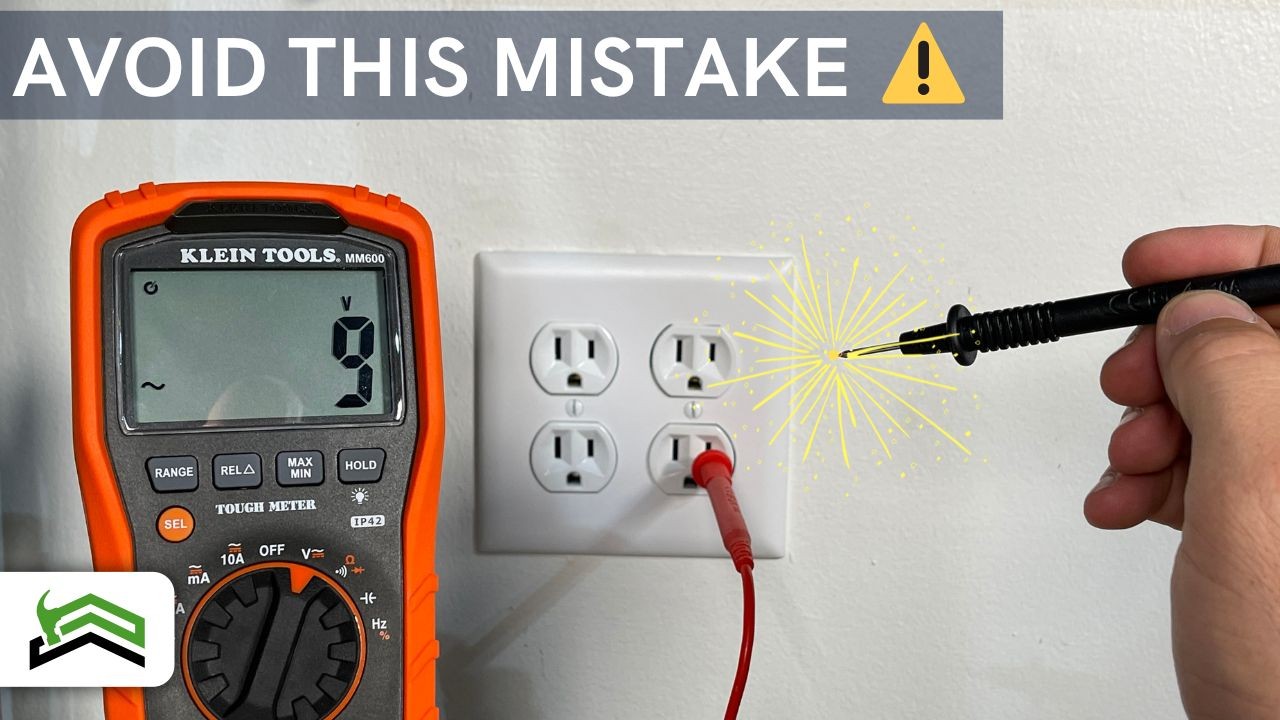
- Using the wrong range or mode on a multimeter, leading to bad readings.
- Poor probe contact causing intermittent or incorrect readings.
- Assuming a breaker off means a circuit is dead without verification.
If readings seem wrong, pause and re-check. Swap to a different tester type for confirmation and follow the step-by-step checks above.
Tools and PPE checklist
Having the right gear means safer testing and clearer results.
- Non-contact voltage tester
- Digital multimeter with insulated probes
- Insulated screwdrivers and pliers
- Safety glasses
- Insulated gloves
- Lockout/tagout supplies
- Flashlight or headlamp
Keep gear maintained and stored in a dry, safe place. A good checklist improves reliability when testing.

Personal experience and lessons learned
On a remodel job I once trusted a single quick scan and I nearly touched a live bundle. That close call taught me to always test the tester and to use a second tool for confirmation. In another job, battery failure on a tester produced a false negative. Now I test on a known live point before every use.
Lessons I learned:
- Test the tester first and last.
- Use two methods for critical checks.
- Keep tools and PPE ready and in good condition.
These habits made my work safer and faster over time. They can help you too.

PAA-style questions
What is the safest voltage tester to use at home?
A non-contact voltage tester is safest for quick home checks. Use a multimeter for detailed verification when needed.
How do I confirm a circuit is dead?
Turn off the breaker and test the circuit with a tester. Then re-test the tester on a known live source to confirm it still works.
Can a voltage tester fail?
Yes. Batteries, damage, or internal faults can make a tester unreliable. Always verify the tester before trusting its reading.
Frequently Asked Questions of how to use a voltage tester safely
What is the first step before using a voltage tester?
Always inspect the tester and test it on a known live source to confirm it works. Never skip this check.
How do I test an outlet safely?
Turn off the breaker if possible, test the outlet with a non-contact tester, then use a contact tester or multimeter to confirm voltage readings.
Can I use a non-contact tester for all checks?
Non-contact testers are good for quick scans but can miss certain situations. For definitive checks, use a contact tester or multimeter.
What PPE should I wear when testing?
At minimum wear safety glasses. Use insulated gloves and tools if you expect live contact or high voltage.
How often should I replace tester batteries?
Check batteries before each job and replace them when performance drops. Regular checks prevent false negatives.
Is it okay to test near water?
No. Avoid testing in wet or damp conditions. Water increases shock risk. Move the work to a dry area or fix water before testing.
What if my tester shows no voltage but equipment still powers on?
Double-check the tester on a known live source. Consider using a different tester. There may be backfeed or a wiring error.
Conclusion
Keep safety simple and consistent. Choose the right tester, inspect and verify it, follow step-by-step checks, and wear PPE. These habits make how to use a voltage tester safely a reliable routine.
Take action today: check your tester, review your routine, and practice the verification steps on a harmless circuit. Share your experiences, ask questions, or subscribe for more practical safety tips.