Channel lock pliers grip odd shapes and pipes better; adjustable wrench gives cleaner fits on nuts and bolts.
I have spent years fixing sinks, bikes, and engines. I will walk you through channel lock pliers vs adjustable wrench with clear, practical advice. You will learn when to pick each tool, how to avoid common mistakes, and which features matter when buying. This guide blends hands-on experience and practical facts to help you choose the right tool for the job.
Tool basics: what they are and how they work
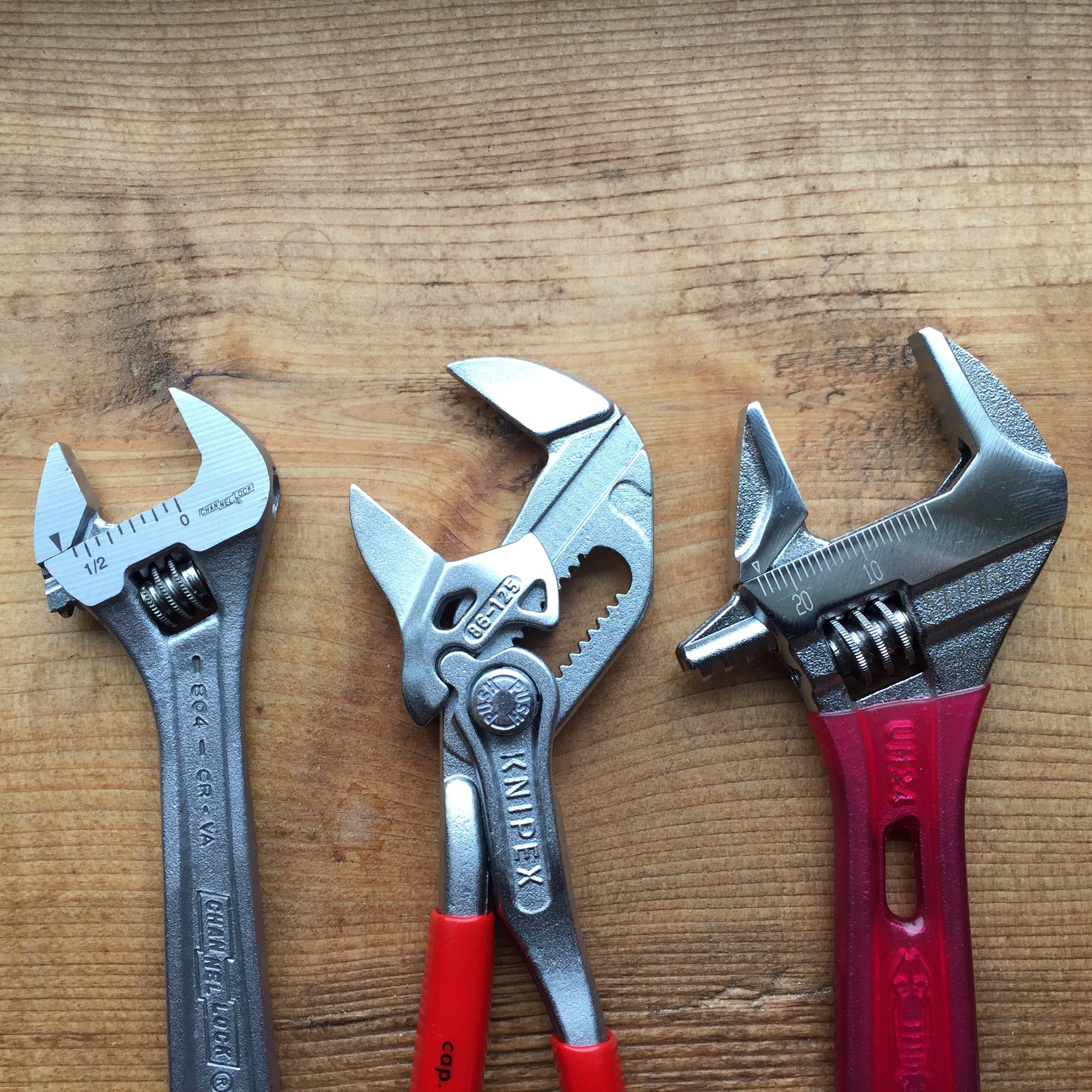
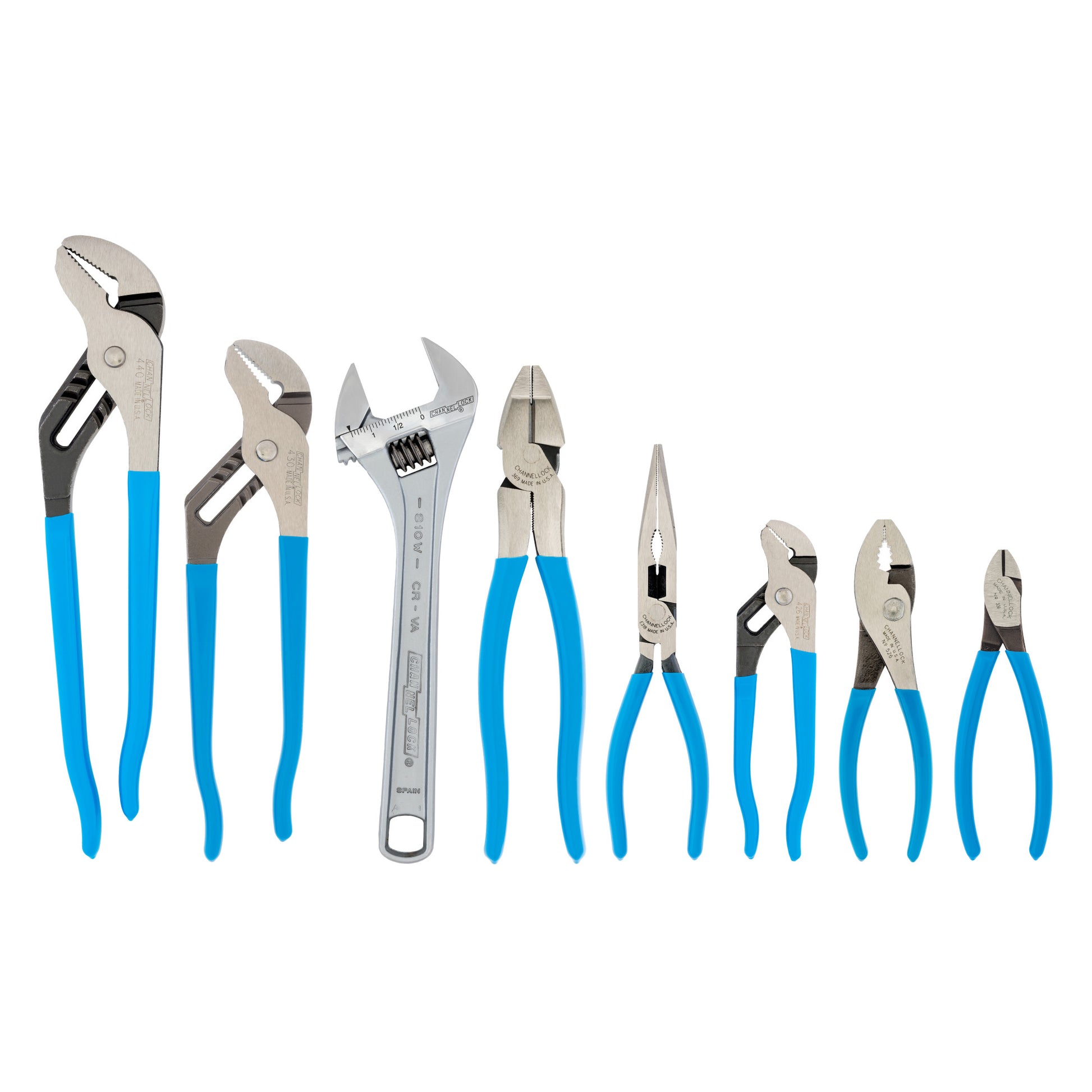
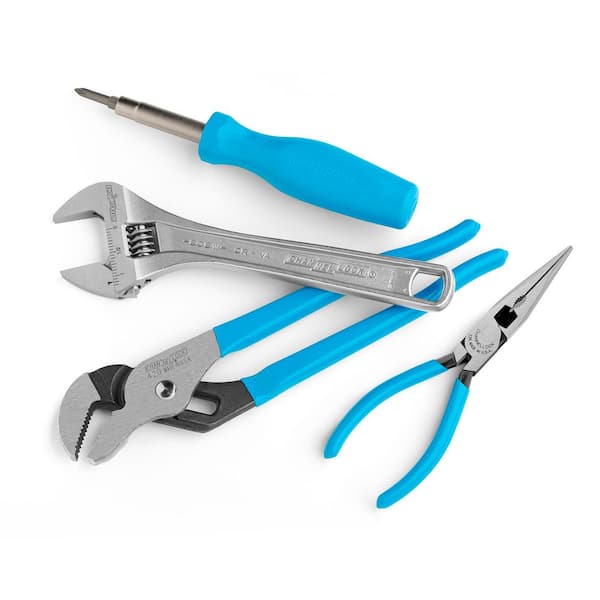
Channel lock pliers are slip-joint pliers with a sliding pivot. They have angled, serrated jaws that lock into multiple positions. They grab round, flat, and irregular shapes well. These pliers are often called tongue-and-groove pliers or slip-joint pliers.
An adjustable wrench has a smooth jaw and a screw to set the jaw width. It fits hex nuts and square fasteners. The flat, smooth jaws reduce damage to fastener faces when used correctly.
Both tools are handheld, mechanical, and used to apply torque. Choosing between channel lock pliers vs adjustable wrench depends on the fastener shape, finish, and the need for torque control.
 comparison: grip, precision, and torque”
style=”max-width: 100%; height: auto; border: 2px solid black; border-radius: 10px; display: block; margin: 0 auto;”
loading=”lazy”
/>
Performance comparison: grip, precision, and torque
Grip
- Channel lock pliers: Grip is strong on pipes and odd shapes. Serrated teeth bite well into the surface.
- Adjustable wrench: Grip relies on parallel smooth jaws. It grips flats of nuts cleanly when aligned.
Precision
- Channel lock pliers: Less precise. Jaws slip slightly on exact flats and can round nuts.
- Adjustable wrench: More precise for hex nuts when properly sized and tightened.
Torque and safety
- Channel lock pliers: Good for brute force. Use with care to avoid crushing thin metal.
- Adjustable wrench: Better for controlled torque. Less likely to damage a nut if sized and used squarely.
Speed and versatility
- Channel lock pliers: Fast to reposition and adapt. Good for odd jobs.
- Adjustable wrench: Slower to adjust but cleaner results on bolts and nuts.
In short, channel lock pliers are forgiving and fast. Adjustable wrench offers cleaner, more precise work on fasteners. The phrase channel lock pliers vs adjustable wrench helps you weigh grip against precision in real tasks.
Common use cases and real-world examples
Plumbing
- Channel lock pliers: Great for tightening or loosening slip nuts on sink traps and gripping round pipe fittings.
- Adjustable wrench: Useful for tightening compression fittings and hex nuts on valves.
Automotive
- Channel lock pliers: Handy for holding hoses or odd clamps when a socket won’t fit.
- Adjustable wrench: Used for roadside tightening of nuts and bolts when a specific size socket is not available.
Home repairs and furniture
- Channel lock pliers: Good for assembling furniture that uses irregular fasteners or when you need extra grip.
- Adjustable wrench: Best for furniture bolts that have hex heads.
Electronics and finish work
- Channel lock pliers: Avoid; serrated jaws can mar surfaces.
- Adjustable wrench: Preferred to protect bolt faces and achieve a neat finish.
My garage work shows a clear pattern: use channel lock pliers for shapes and pipes and use an adjustable wrench for fasteners that need clean faces. This comparison of channel lock pliers vs adjustable wrench should guide your tool choice by task.

Pros and cons
Channel lock pliers
- Pros: Versatile grip; quick adjustment; strong bite on round objects.
- Cons: Can damage nuts and finished surfaces; less precise torque; serrated teeth can mar metal.
Adjustable wrench
- Pros: Smooth jaws protect fastener faces; precise for hex heads; controlled torque.
- Cons: Slower to size; can slip if not seated squarely; limited on round or odd shapes.
Choosing between channel lock pliers vs adjustable wrench means trading off speed and versatility for precision and finish. Keep both on hand if you do varied work.
Maintenance and care
Keep jaws clean. Wipe away grit after each job. Lightly oil the pivot washer on channel lock pliers. Add a drop of oil to the adjustment screw on an adjustable wrench.
Check jaws for wear. Replace pliers if teeth are rounded. Replace adjustable wrenches if the screw-stem has excessive play. Store tools dry to prevent rust.
Small care steps extend tool life and keep performance steady when comparing channel lock pliers vs adjustable wrench use in the long run.

Personal experience and practical tips
A basic rule I learned: match the tool to the fastener. I once ruined a decorative bolt head using channel lock pliers. Since then, I use an adjustable wrench for any exposed hex head.
Tips I use daily
- Always seat the adjustable wrench fully on the nut with the movable jaw toward the direction you will pull.
- Use channel lock pliers when you need to hold a pipe steady or when the object has no flat faces.
- Add a thin cloth between serrated jaws and a soft surface to prevent marring.
- Use two tools when needed: one to hold, one to turn.
Mistakes to avoid
- Don’t use channel lock pliers on soft, plated fasteners without protection.
- Don’t crank an adjustable wrench like a cheater bar; that risks jaw spread and slipping.
From many jobs, the channel lock pliers vs adjustable wrench choice often comes down to protecting the workpiece versus getting the job done quickly. Trust your hands, but follow simple habits to save fasteners.
Buying guide and recommendations
What to look for in channel lock pliers
- Solid pivot with minimal play.
- Long handles for leverage and comfort.
- Good jaw alignment and sharp serrations for reliable grip.
What to look for in an adjustable wrench
- Smooth, fine-threaded adjustment screw.
- Minimal jaw play when tightened.
- Comfortable handle and good material quality.
Sizes to keep
- One small adjustable wrench (6-inch).
- One medium adjustable wrench (10-12 inch).
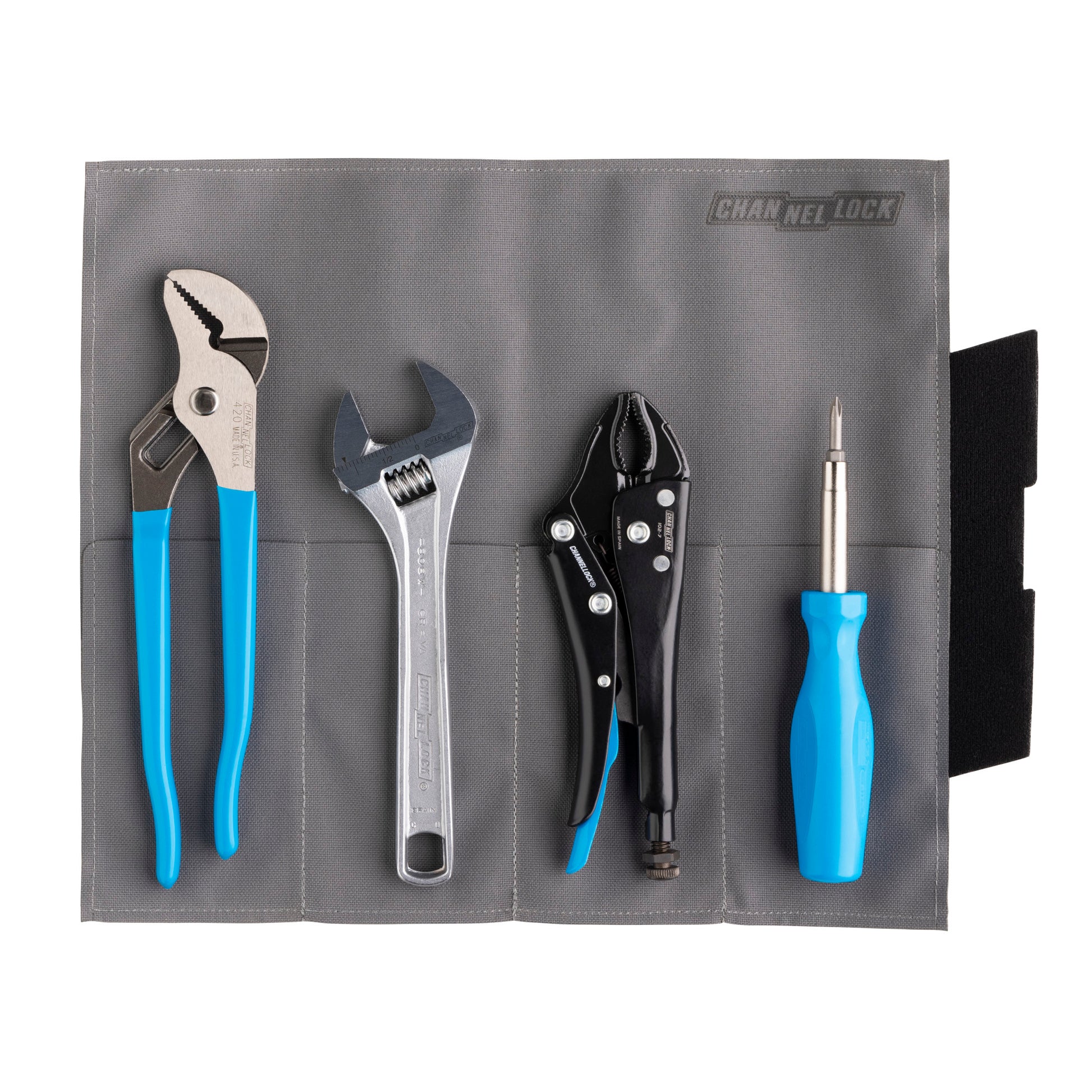
- One pair of 8–10 inch channel lock pliers for general use.
- One larger pair (12–14 inch) for heavier plumbing.
Budget advice
- Buy the best adjustable wrench you can within budget. A smooth, tight jaw makes a big difference.
- For channel lock pliers, favor a trusted build over novelty features.
If you often ask channel lock pliers vs adjustable wrench when shopping, consider which jobs you do most. For plumbing and irregular shapes, prioritize good pliers. For furniture and mechanical work with nuts, buy a quality adjustable wrench.

Frequently Asked Questions of channel lock pliers vs adjustable wrench
Which is better for plumbing — channel lock pliers or adjustable wrench?
Channel lock pliers are usually better for plumbing because they grip round pipes and fittings well. Adjustable wrench works for hex plumbing nuts but may slip on round or thin fittings.
Will channel lock pliers damage nuts more than an adjustable wrench?
Yes, channel lock pliers can mar or round nuts because of serrated teeth. Use a cloth or protective sleeve if you must use pliers on finished fasteners.
Can I use an adjustable wrench instead of a socket set?
An adjustable wrench can replace a socket in a pinch for some tasks, but sockets give better torque and less chance of slipping on fasteners. Use the adjustable wrench only for light to moderate torque needs.
How do I prevent an adjustable wrench from slipping?
Seat the wrench fully on the flat sides of a nut and pull the handle so the movable jaw faces the direction of force. Keep the jaw tight and use the correct size when possible.
Should I carry both tools in my toolbox?
Yes. Carrying both gives versatility. Channel lock pliers handle odd shapes and pipes, while an adjustable wrench protects fasteners and provides cleaner torque control.
Conclusion
Channel lock pliers vs adjustable wrench is not an either-or choice for most people. Keep both. Use channel lock pliers for round or irregular work and adjustable wrench for clean, precise nut work. Practice safe habits, protect finishes, and choose quality tools that match your tasks. Try swapping tools on your next job and note which one saves time or prevents damage—then adjust your kit accordingly. Leave a comment with your experience, or subscribe for more practical tool guides.