Teflon tape is best for most DIY threaded joints; pipe dope shines on metal, high-pressure, or permanent installs.
As a licensed plumber and longtime DIYer, I’ll walk you through teflon tape vs pipe dope which is better for each job. This guide breaks down how each product works, when to choose one over the other, and real-world tips from years of hands-on plumbing. Read on to make confident, leak-free choices for your pipes.

What are Teflon tape and pipe dope?
Teflon tape, also called PTFE tape, is a thin, white film wrapped around male pipe threads. It fills small gaps and helps threads slide together. Installation is quick and clean, and it is common in household plumbing.
Pipe dope, also called thread sealant, is a paste or compound applied to threads before assembly. It contains lubricants and fillers that seal and lock joints. Pipe dope often handles higher pressures, wider temperature ranges, and some chemical exposure better than tape.
teflon tape vs pipe dope which is better depends on the job, thread type, and material of the piping you use. I will explain these differences so you can choose the right method every time.
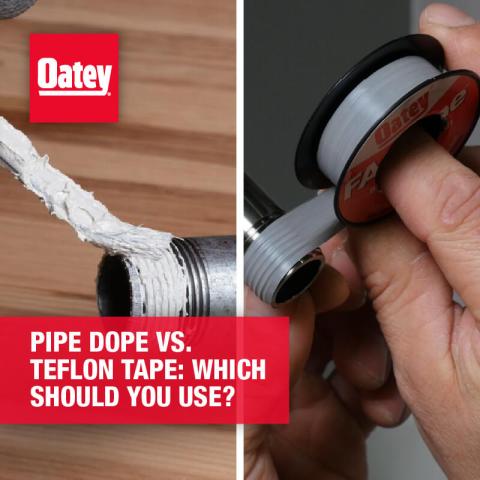
How they work
Teflon tape works by creating a thin, low-friction layer between threads. The tape slightly compresses into voids and creates a barrier that resists leaks. It also helps prevent galling on metal threads.
Pipe dope fills gaps with a paste that hardens slightly or remains malleable to keep fluids from leaking. Many formulas include solvents, fillers, and polymers that bond to threads and resist vibration and pressure.
When deciding teflon tape vs pipe dope which is better, think about sealing method: tape relies on a physical PTFE layer, while dope forms a bonded seal that can handle tougher conditions.

Pros and cons: side-by-side
- Teflon tape: fast to apply, clean, and inexpensive. Good for water lines and common household repairs.
- Pipe dope: better gap-filling, durable under vibration, and suited for high-pressure systems.
- Teflon tape: poor choice for filling large thread gaps or damaged threads. Not ideal for some gas or oil fittings unless rated.
- Pipe dope: messier, requires cleanup, and the wrong formula can be incompatible with plastics or certain gases.
- Teflon tape: can be reused only by replacing; over-wrapping or wrong direction causes leaks.
- Pipe dope: some types cure to a rigid sealant, making future disassembly harder.
Overall, teflon tape vs pipe dope which is better comes down to trade-offs between convenience and long-term sealing performance.
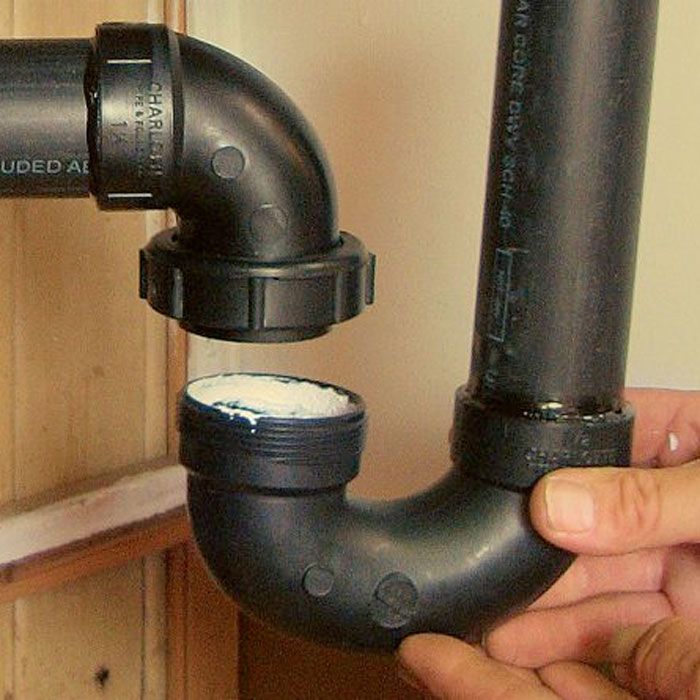
When to use which: quick decision guide
-
Use teflon tape when:
- You need a quick, clean repair on household water or low-pressure lines.
- Threads are in good condition and fit tightly.
- You want an easy DIY solution with minimal cleanup.
-
Use pipe dope when:
- You are working with metal piping under high pressure or vibration.
- Threads are old, slightly damaged, or require gap-filling.
- The joint needs a long-lasting, more permanent seal.
People also ask: Is teflon tape okay for gas lines?
- Short answer: Only use PTFE tape rated for gas and follow local codes; many pros prefer gas-rated pipe dope.
People also ask: Can you use pipe dope on plastic fittings?
- Short answer: Not always; use a non-solvent, plastic-safe formula to avoid damage or cracking.
People also ask: Which is better for water heater connections?
- Short answer: Many pros use pipe dope on metal heater fittings and PTFE tape on threaded water lines; check the heater manual.
When thinking teflon tape vs pipe dope which is better for a specific fixture, check thread type, system pressure, and whether future disassembly will be needed.

Compatibility, certifications, and code considerations
- Gas lines: Many plumbing codes require thread sealants certified for fuel gas. Use a gas-rated pipe dope or PTFE tape labeled for gas.
- Plastic fittings: Some pipe dopes contain solvents that degrade plastic. Choose a plastic-safe sealant or use PTFE tape.
- Temperature and chemicals: High heat or aggressive chemicals demand specific formulas. Pipe dope often offers higher temp ratings than standard PTFE tape.
- Thread types: Tapered threads (NPT) seal by thread interference and sealant; straight threads usually need an O-ring or gasket in addition to sealant.
Always check local codes and manufacturer guidance before choosing. When teflon tape vs pipe dope which is better is influenced by regulations, safety, and material compatibility.

How to apply: step-by-step best practices
Teflon tape application:
- Clean threads so they are dry and free of old sealant.
- Wrap tape clockwise around male threads 2 to 3 times, starting at the second thread.
- Press the tape into the threads, tear, and assemble fittings by hand, then tighten with tools as required.
Pipe dope application:
- Clean threads thoroughly.
- Apply an even, thin coat to male threads only, avoiding excess inside the bore.
- Assemble the joint and tighten to the recommended torque. Wipe away excess immediately.
Common tips:
- Do not combine heavy layers of tape with thick dope; choose one method.
- For gas fittings, use the product rated for gas and follow torque specs.
- Replace tape and reapply dope when disassembling joints for reuse.
When trying to decide teflon tape vs pipe dope which is better for application ease, tape wins for speed while dope wins for gap-filling and longevity.

Troubleshooting and maintenance
- Leaks after using tape: Often caused by tape wrapped in the wrong direction or too few wraps. Disassemble, remove tape, and rewrap correctly.
- Leaks after pipe dope: Might be due to improper cure time or excess that blocked threads. Clean and reapply a compatible formula.
- Stuck fittings: Heavy dope or cured sealant can make removal hard. Apply heat or penetrating oil and use appropriate tools to avoid damage.
- Corrosion or chemical attack: Switch to compatible sealants if you see chemical degradation or leaks.
If you ask teflon tape vs pipe dope which is better for long-term reliability, pipe dope often reduces rework on critical runs.

My experience, recommendations, and common mistakes
I’ve worked on residential and commercial systems for years. I learned three lessons the hard way:
- Never use a dope that is not rated for the material you’re joining; I once had a plastic fitting crack from a solvent-based compound.
- For quick bathroom repairs, PTFE tape saved time and kept things tidy.
- For main shutoffs and appliances, a quality pipe dope reduced return calls and held up under pressure.
My recommendation: keep both on hand. Use teflon tape for fast, simple jobs and pipe dope for metal mains, high-pressure lines, and when code or manufacturer advice favors it. This balanced approach answers teflon tape vs pipe dope which is better by matching product to purpose.
Frequently Asked Questions of teflon tape vs pipe dope which is better
What makes PTFE tape different from pipe dope?
PTFE tape is a thin film that creates a low-friction barrier on threads, while pipe dope is a paste that fills gaps and bonds to threads. Tape is cleaner and faster; dope generally offers stronger seals for tough conditions.
Can I use both tape and dope together?
Combining heavy tape with thick dope is not recommended because it can prevent proper thread engagement and cause leaks. If you must, use a light tape layer and a compatible, thin dope, but it's usually better to pick one.
Is one product safer for gas lines?
Safety depends on the product rating. Use only sealants labeled and certified for gas service. Many professionals prefer gas-rated dope for a more secure, code-compliant joint.
How many wraps of Teflon tape should I use?
Usually 2 to 3 wraps for standard 1/2" to 3/4" threads are sufficient. Too few wraps can leak; too many can prevent proper thread seating.
Will pipe dope make future disassembly harder?
Some pipe dopes cure to a firmer seal and can make disassembly harder than tape. Choose a non-permanent formula if you expect frequent servicing, or plan for careful removal.
Conclusion
Choosing between teflon tape vs pipe dope which is better depends on the job, materials, and codes. Use PTFE tape for quick, clean household repairs and pipe dope for high-pressure, metal, or permanent connections. Keep both on hand, read product labels, and match the sealant to the system for best results.
Try one recommended approach on a small, noncritical joint to build confidence. If this guide helped, leave a comment with your project details or subscribe to get more practical plumbing tips.