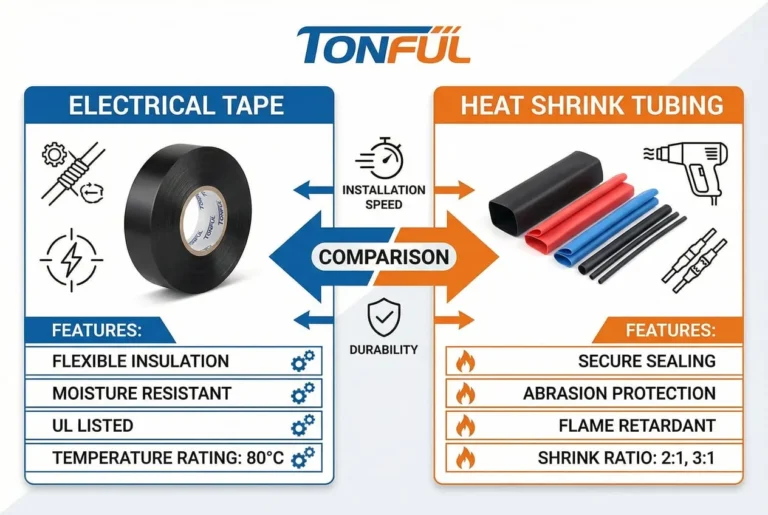
Teflon tape for quick sealing and easy disassembly; thread sealant paste for heavier duty, permanent seals.
I’ve worked with plumbing, HVAC, and DIY repairs for over a decade. In this article I’ll explain teflon tape vs thread sealant paste clearly and help you pick the right option for any threaded joint. You’ll learn how each product works, when to use one over the other, safety and compatibility tips, and hands-on application steps I use on the job. Read on to avoid leaks, wasted time, and costly mistakes.
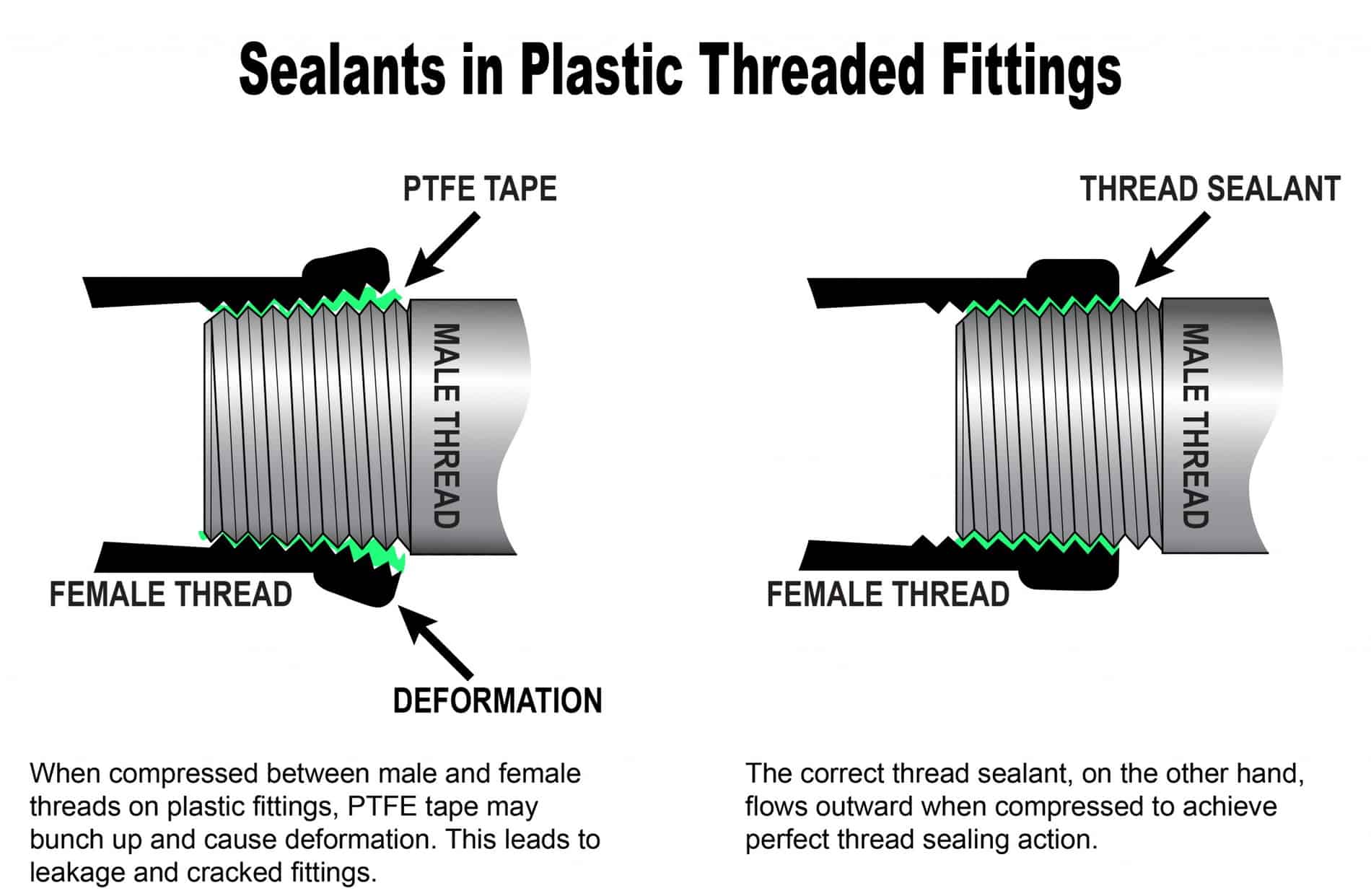
What are Teflon tape and thread sealant paste?
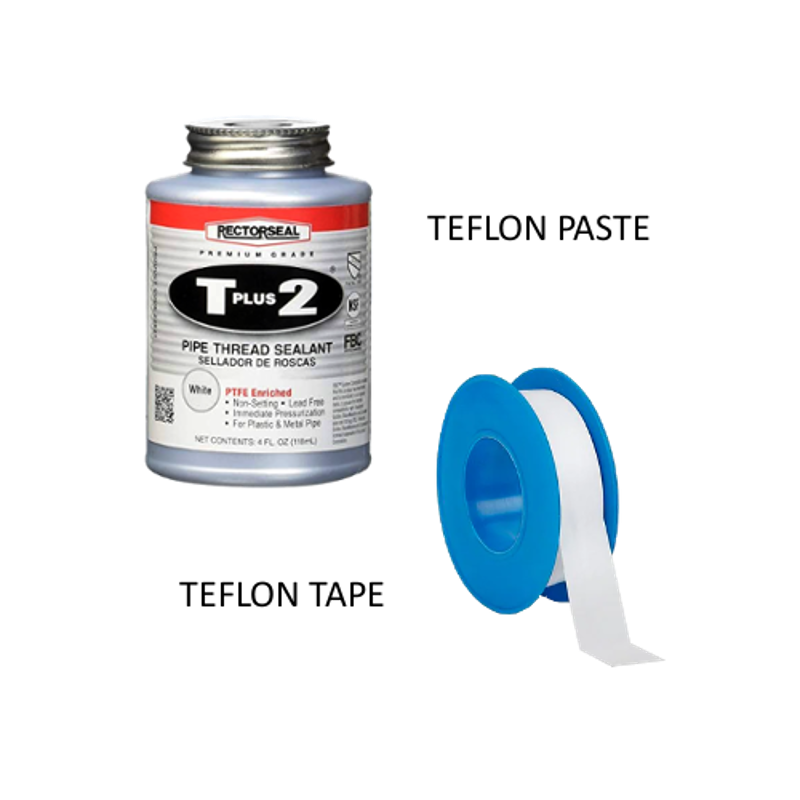
Teflon tape is a thin, white polytetrafluoroethylene (PTFE) tape wrapped around male pipe threads. It fills microscopic gaps and lubricates threads so fittings tighten smoothly.
Thread sealant paste is a thick compound applied to male threads. It cures into a flexible seal that fills gaps and bonds the joint. Formulas vary for fuel, water, gas, and high‑temp uses.
Both products aim to stop leaks at threaded pipe connections. The choice depends on pressure, media, thread type, and need for future disassembly. I use both regularly and often combine them for tough jobs.

How each product works
- Provides a thin barrier that prevents metal-on-metal contact.
- Acts as a lubricant so fittings tighten to a true seat.
- Does not harden—remains flexible and removable.
Thread sealant paste
- Fills threads and small imperfections.
- Some pastes cure chemically or dry to a rubbery film.
- Creates a stronger, more permanent bond than tape in many cases.
The main difference is that tape mainly seals by filling small gaps and lubricating, while paste creates a thicker, gap-filling seal that can resist higher pressures and chemicals better.
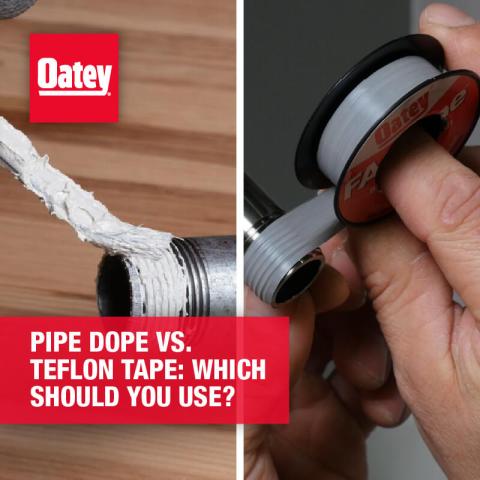
When to use Teflon tape vs thread sealant paste
Use Teflon tape when:
- You need a quick, clean, low‑pressure seal.
- You want easy disassembly later.
- Threads are standard pipe threads (NPT) and the media is water or air.
- You prefer a dry, non-messy application.
Use thread sealant paste when:
- The connection will face higher pressure, vibration, or chemical exposure.
- Threads are worn or mismatched and need gap filling.
- You want a more permanent seal.
- The system carries gas, fuel, or hydraulic fluids (use a paste rated for that media).
I rarely use tape alone on natural gas or hydraulic systems. For gas, I use a gas-rated paste or a combination of paste plus tape on select jobs.
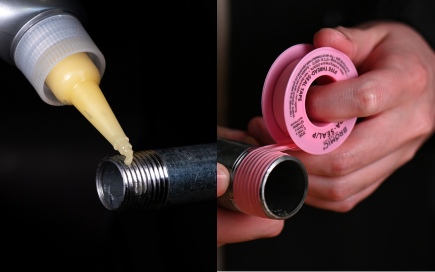
Advantages and limitations
Advantages of Teflon tape
- Clean and easy to apply.
- Low cost and widely available.
- Easy to remove for repairs or replacements.
Limitations of Teflon tape
- Thin layer may not seal large thread gaps.
- Can shred if applied poorly.
- Some versions are not rated for fuel or oxygen services.
Advantages of thread sealant paste
- Fills larger gaps and irregular threads.
- Many formulas resist chemicals, oils, and high temps.
- Often provides a stronger long-term seal.
Limitations of thread sealant paste
- Can be messy to apply and remove.
- May make future disassembly harder.
- Some pastes take time to cure fully.
Balancing these pros and cons helps you choose the right seal for each job. In my experience, pastes save time on repeat leak fixes; tape saves time when the joint may come apart later.

Application tips and step-by-step guidance
Applying Teflon tape
- Clean threads. Remove old sealant, oil, and dirt.
- Wrap clockwise around male threads. Overlap by about 50 percent per turn.
- Make 3 to 5 wraps on standard pipe threads. Avoid excess bulk at the shoulder.
- Tighten fittings by hand then wrench to spec.
Applying thread sealant paste
- Clean threads thoroughly and dry them.
- Apply a thin, even coat to male threads with a brush or nozzle.
- Avoid packing paste into the first thread or the pipe bore.
- Assemble and torque to the recommended value. Allow cure time if required.
Common mistakes to avoid
- Wrapping tape counter-clockwise so it bunches when tightened.
- Using fuel-unsafe tape on gas lines.
- Over-applying paste that squeezes into flow paths.
- Not allowing paste to cure fully before pressurizing.
Compatibility, pressure, and temperature considerations
Thread type
- Tapered threads (NPT) seal by thread interference. Both tape and paste work well.
- Parallel threads often need a gasket or O-ring; tape alone is usually not enough.
Pressure and temperature
- Low-pressure water and air: tape is fine.
- High-pressure systems, hydraulic lines, and compressed gases: use a rated paste.
- High temperature: pick a paste with the needed temperature rating; standard tape may degrade.
Chemical compatibility
- Some PTFE tapes are rated for gas or oxygen; many are not. Check labels.
- Pastes are formulated for specific media: water, fuel, gas, or chemical service. Always use the correct type.
When in doubt, choose the sealant specified for the system. On a commercial HVAC job, I always follow the manufacturer’s recommendation for sealants and thread prep.

Environmental and safety considerations
- PTFE tape is generally inert. Avoid using non-rated tape on oxygen systems; some tapes can support combustion in high-O2 environments.
- Some pastes contain solvents or reactive compounds. Use gloves and avoid skin contact.
- Disposal: cured paste is stable; liquid or solvent-laden waste may need special handling.
Always read product datasheets. Safety labels often include limits for temperature, pressure, and media that are crucial to follow.
Real-world examples and lessons from the field
Example 1: Household sink faucet
- Problem: Slow drip at a faucet tailpiece.
- Fix: Clean threads, wrap 3 turns of PTFE tape, hand-tighten and test. Leak stopped. Tape was ideal because the joint might be serviced.
Example 2: Boiler feed line
- Problem: Small, persistent leak on a high‑pressure threaded fitting.
- Fix: Clean threads, apply gas-rated thread sealant paste, torque to spec. No further leaks. Paste handled pressure and tiny thread damage.
Lessons learned
- Don’t reuse heavily damaged fittings; sealants have limits.
- Use the right product for the media. One job where I used general paste on a diesel fuel line taught me to always pick fuel-rated compounds.
- When combining tape and paste, apply paste first and then tape sparingly, or vice versa depending on product guidelines. Check manufacturer instructions before combining.
Practical combos and special cases
When combining products
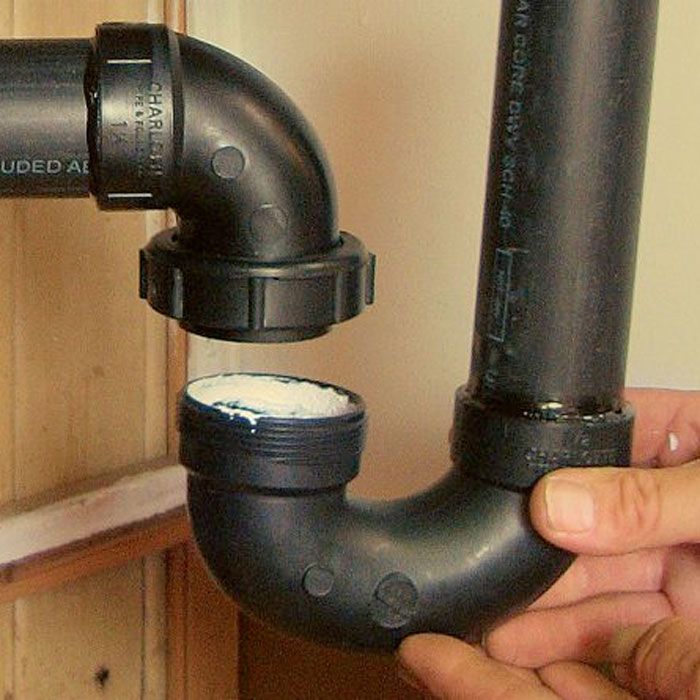
- Some pros use a light wrap of tape followed by a thin coat of paste for tough leaks. This can give lubrication and gap filling.
- Many manufacturers advise against mixing products. Always check the product data sheet.
Special materials
- Brass, stainless steel, and galvanized steel react differently to sealants. Use compatible products and avoid dissimilar-metal corrosion.
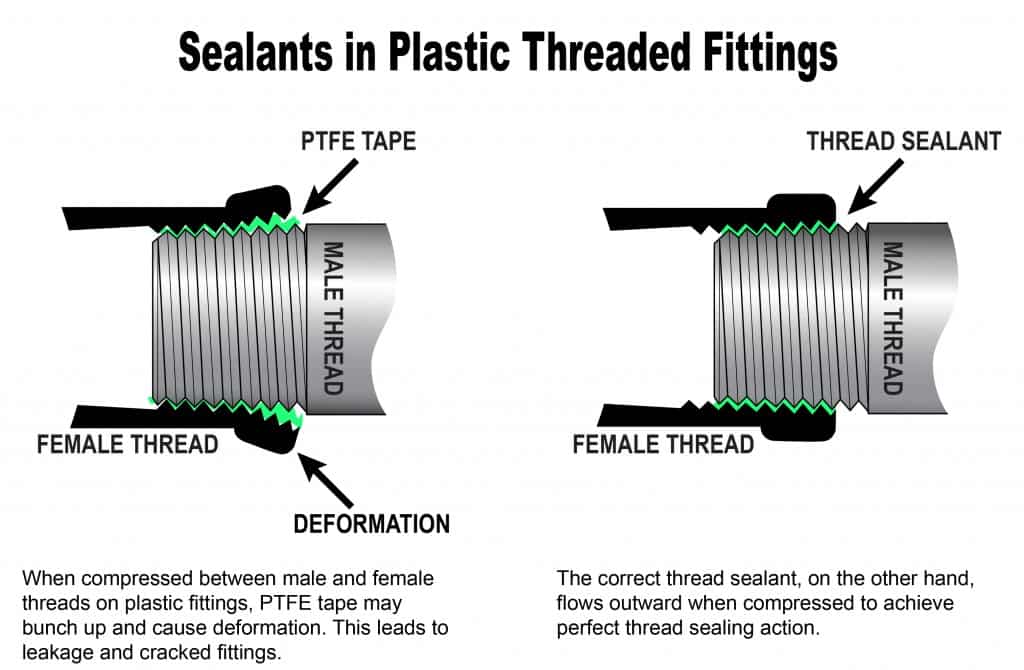
- Plastic threads: use paste designed for plastics; avoid excessive torque.
Quick, user-focused questions and concise answers
Q: Can I use teflon tape on gas lines?
A: Only use tape specifically rated for gas service and follow codes. Gas-rated paste is often a safer choice.
Q: Will thread sealant paste make the joint permanent?
A: Many pastes create a strong bond, but most allow disassembly with tools. Some anaerobic pastes are designed for permanent locks.
Q: Is PTFE tape safe for drinking water systems?
A: Standard PTFE tape is generally safe for potable water. Use tapes labeled for plumbing and potable water to be sure.
Frequently Asked Questions of teflon tape vs thread sealant paste
What is the main difference between teflon tape vs thread sealant paste?
Teflon tape is a thin PTFE wrap that lubricates and seals small gaps. Thread sealant paste is a thicker compound that fills larger gaps and often gives a stronger, more permanent seal.
Can I use both teflon tape and thread sealant paste together?
Some technicians combine them for difficult seals, but manufacturer guidance varies. Check product datasheets before mixing to avoid incompatibility.
Which is better for gas lines: tape or paste?
Use a gas-rated thread sealant paste or gas-rated PTFE tape. Many pros prefer gas-rated paste for its reliability under pressure.
How many wraps of teflon tape should I use?
Typically 3 to 5 wraps for standard NPT threads. Too much tape can prevent proper thread engagement.
Does thread sealant paste need curing time?
Some pastes cure instantly by solvent evaporation; others require minutes to hours. Follow the product instructions before pressurizing the system.
Can I use teflon tape on plastic fittings?
Yes, but use caution. Over-torquing can crack plastic threads. Some tapes and pastes are formulated specifically for plastic compatibility.
How do I remove old thread sealant paste?
Use a solvent recommended by the paste maker or mechanically scrape away cured paste, then clean with a rag and appropriate cleaner. Always wear gloves and eye protection.
Conclusion
You now have a clear, practical view of teflon tape vs thread sealant paste. Use tape for quick, low-pressure jobs and when you expect to disassemble the joint. Choose paste for higher pressures, chemical or fuel service, and when threads are worn or need gap filling. Match the product to the media, temperature, and thread type. My advice: read labels, follow torque specs, and test the joint carefully after assembly. Try the right option on your next repair and share the results or questions below — your feedback helps others pick the right seal.