Tool bags offer faster access and mobility; tool boxes provide tougher protection and larger storage.
As a tradesperson and longtime tools tester, I have used both on jobs small and large. This guide on tool bag vs tool box breaks down the key differences, real-world use cases, and smart buying tips so you pick the best tool carrier for your work and budget.

What is a tool bag and what is a tool box?
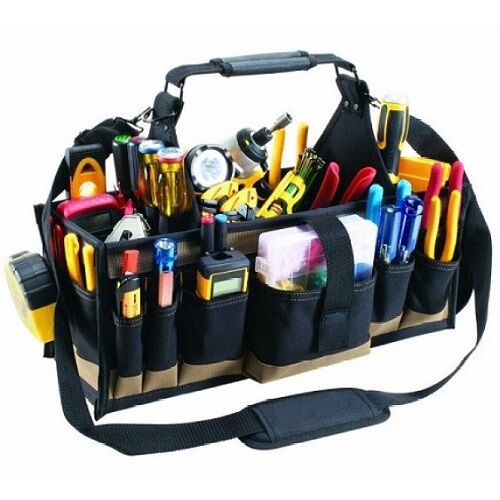
A tool bag is a soft-sided carrier made from fabric or polymer. It usually has many open pockets. Tool bags are light. They let you grab tools fast.
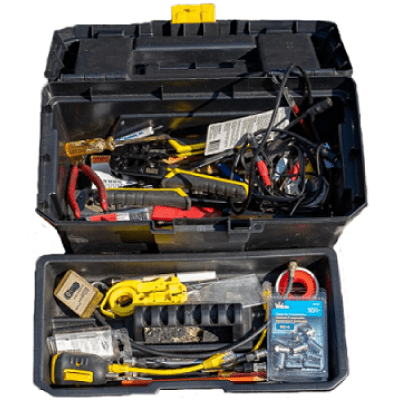
A tool box is a hard-sided container. It can be metal or heavy plastic. Tool boxes keep tools protected. They lock and stack well on a truck or bench.
Both carry tools. Both come in many sizes and styles. Understanding tool bag vs tool box helps match the carry system to the work.

Head-to-head comparison: tool bag vs tool box
This direct comparison covers the features most people care about.
- Portability
- Tool bag vs tool box: Tool bags are lighter and easier to sling over a shoulder. Tool boxes are heavier but easier to carry with two hands.
- Access and speed
- Tool bag vs tool box: Bags give quick open access to pockets. Boxes may require opening lids and sorting through compartments.
- Organization
- Tool bag vs tool box: Bags rely on pockets and elastic loops. Boxes usually have trays and dividers that keep tools neat.
- Capacity
- Tool bag vs tool box: Boxes typically hold more weight and bulk. Bags suit moderate sets and hand tools.
- Protection
- Tool bag vs tool box: Boxes protect tools from drops and weather better. Bags can soak up water or collapse under heavy load.
- Security
- Tool bag vs tool box: Boxes lock and can be chained. Bags usually lack strong locking options.
- Cost and value
- Tool bag vs tool box: Bags often cost less up front. Heavy-duty boxes can be pricier but last longer.
This clear set of trade-offs makes it easy to pick based on how you work and where you work.

Pros and cons of tool bag vs tool box
Below is a compact view of strengths and weaknesses to help you decide.
-
Tool bag pros
- Fast access to tools and parts on the job.
- Lightweight and easy to carry for one person.
- Often cheaper and available in many pocket layouts.
-
Tool bag cons
- Less protection from impacts and weather.
- Harder to organize large tool sets.
- Can sag and wear faster.
-
Tool box pros
- Strong protection and better weather resistance.
- Locks and stacks for secure transport.
- Better for heavy tools and large collections.
-
Tool box cons
- Heavier and less mobile for single-person use.
- Opening and searching can take longer.
- Bulkier to store in tight spaces.
Weigh these pros and cons when thinking about tool bag vs tool box for a given job.

When to choose a tool bag vs tool box
Pick the right carrier for your trade, the job type, and the work environment.
-
Choose a tool bag if:
- You move a lot during a job.
- You use hand tools and small parts often.
- You need fast access and a light load.
-
Choose a tool box if:
- You carry heavy power tools and metal hand tools.
- Your tools need locking and weather protection.
- You need to stack gear or store it in a truck.
Common job-based examples:
- Electricians often use tool bag setups for fast access and mobility.
- Mechanics and roofers lean toward tool boxes for heavy tools and better protection.
- Home DIYers choose either, depending on storage space and tool count.
Question: Which is better for outdoor work—tool bag or tool box?
- For outdoor work, a tool box usually wins. It offers better weather resistance and security.
Question: Can I use both together?
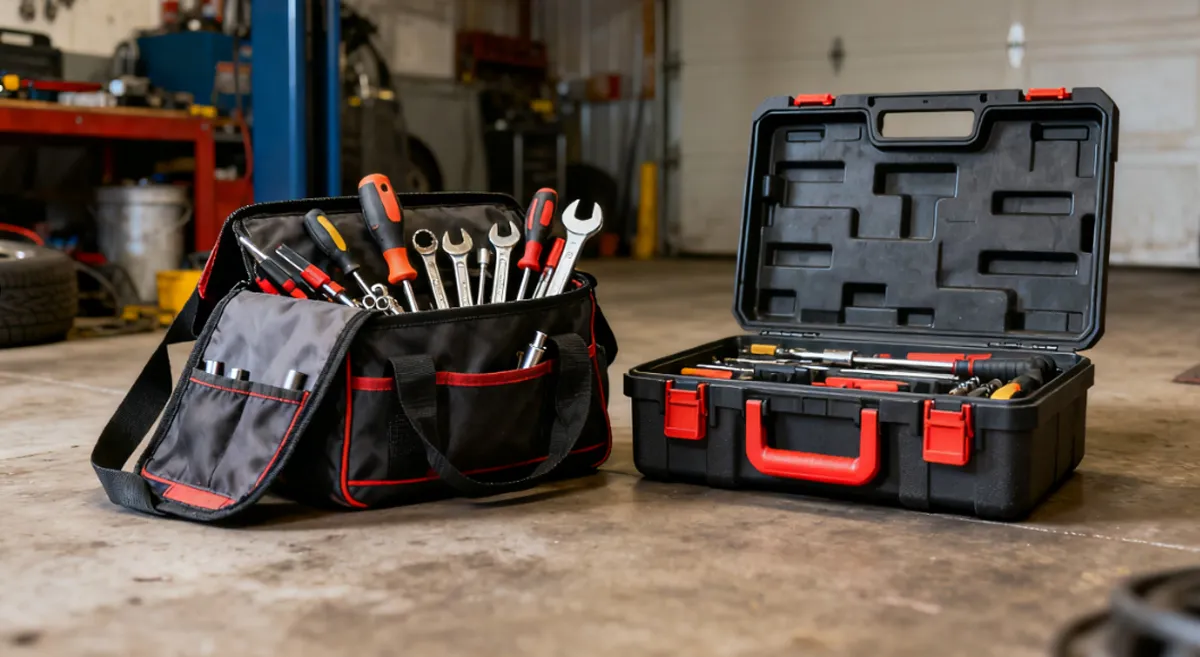
- Yes. Many pros use a main tool box for heavy gear and a small tool bag for immediate tools and parts.
Source: ironlandtoolbag.com
Key features to look for when buying tool bag vs tool box
Check these features before you buy. They impact function and long-term value.
- Material and build
- For bags: look for durable fabric, reinforced bottoms, and good stitching.
- For boxes: look for corrosion-resistant metal or thick plastic.
- Handles and straps
- For bags: padded shoulder straps and sturdy grab handles matter.
- For boxes: strong molded handles and balanced design are key.
- Organization options
- Pockets, trays, dividers, and removable organizers help you stay efficient.
- Weight capacity and size
- Match capacity to your tool list. Don’t overload bags; avoid tiny boxes.
- Weather and security features
- Seals, drain holes, and lock hasps improve protection and theft prevention.
- Mobility features
- Wheels, telescoping handles, and stackability can change how you transport gear.
Always test how the bag or box feels when full. Comfort and access beat a low price later.

Maintenance, care, and packing tips
A small routine keeps your tools safe and easy to use.
- Keep tools clean before storing them.
- Dry tool bags before storing to avoid mold.
- Lubricate metal box latches and hinges yearly.
- Use foam inserts or liners to prevent tool movement in boxes.
- Label trays and pockets for common tools to speed access.
Packing tips for spacing and balance:
- Put heavy tools low and centered.
- Keep hand tools you use most near the top or in outer pockets.
- Use small bins or pouches for screws and fasteners.
Good care extends the life of both tool bags and tool boxes.
Personal experience with tool bag vs tool box
I worked on service vans for years. I tested many combinations of bags and boxes. I learned two big truths.
First, mobility wins in tight spaces. A small shoulder bag kept me moving and saved time. Second, protection matters on rough sites. A heavy-duty box stopped tools from breaking and saved money in replacements.
Mistakes I made:
- I once overloaded a soft bag. The bottom tore and I lost tools. I later used a reinforced base.
- I left a metal box unlocked on a job site. Some tools were taken. Now I lock every box.
Simple habits from my experience:
- Keep a small repair kit in your bag for fast fixes.
- Use a box for power tools and a bag for hand tools.
These habits reduced stress and saved hours on jobs.
Source: initibag.com
Buying guide and smart picks for tool bag vs tool box
Follow this step-by-step guide to choose right.
- List your tools and typical load per job.
- Choose bag if you carry under 40 pounds and need speed.
- Choose box if you carry heavy tools or need locks.
- Pick materials that match your climate and job site.
- Try weight and access in person before you buy.
- Budget for durability rather than lowest price.
Quick budget tiers:
- Entry level: basic bag or plastic box for hobbyists.
- Mid range: reinforced bags and metal or thick plastic boxes for pros.
- Pro level: weatherproof, lockable boxes and high-denier tool bags.
Make a plan for how you will carry tools daily. That plan makes the choice between tool bag vs tool box simple.

Frequently Asked Questions of tool bag vs tool box
Is a tool bag better than a tool box for electricians?
Electricians often prefer tool bags for quick access and mobility. For large tool sets or harsh sites, a box can be a better secondary option.
Can I fit power tools in a tool bag?
Most power tools will fit only in large or reinforced tool bags. Heavy power tools are better stored in a hard tool box for protection.
Are tool boxes more secure than tool bags?
Yes. Tool boxes usually offer lock hasps and tougher walls that protect tools from theft and impact more than bags.
How do I choose the right size between a tool bag and tool box?
List your daily tools and check weight and size. Pick a bag for light, fast loads and a box for heavy or large tool sets.
Can I use both a tool bag and a tool box together?
Yes. Many pros use a box for heavy gear and a bag for the tools they use most often. This combo gives mobility and protection.
What maintenance is needed for tool bags?
Keep bags dry and clean. Repair torn seams and replace worn straps. Use a reinforced base if you carry heavy loads often.
Do tool boxes rust or degrade?
Metal tool boxes can rust without care. Choose corrosion-resistant finishes and keep boxes dry. Plastic boxes can crack in extreme cold.
Conclusion
Choosing between a tool bag vs tool box comes down to how you work. Pick a bag for speed and light loads. Choose a box for protection and heavy gear. Use both if you want mobility and security.
Takeaway: match the carrier to the job, not the brand. Try gear in person, plan how you pack, and protect your tools. If this guide helped, subscribe, leave a comment, or share your own tool bag vs tool box story.