Pipe reamer removes inside burrs; deburring tool cleans edges—each serves a specific finishing role.
I’ve worked on plumbing and metal shops for years, teaching pros and DIYers how to finish pipes cleanly. This article compares pipe reamer vs deburring tool in plain terms. You’ll learn what each tool does, when to use which, how to use them safely, and buying tips based on hands-on experience. Read on for clear guidance that helps you pick the right tool for cleaner joints and safer work.

Core definitions and how they differ
A pipe reamer is a tool that removes internal burrs and shapes the inside of a cut pipe. It fits into the pipe and scrapes metal or plastic to smooth the bore. Reaming helps pipe fit better onto fittings and reduces flow restriction.
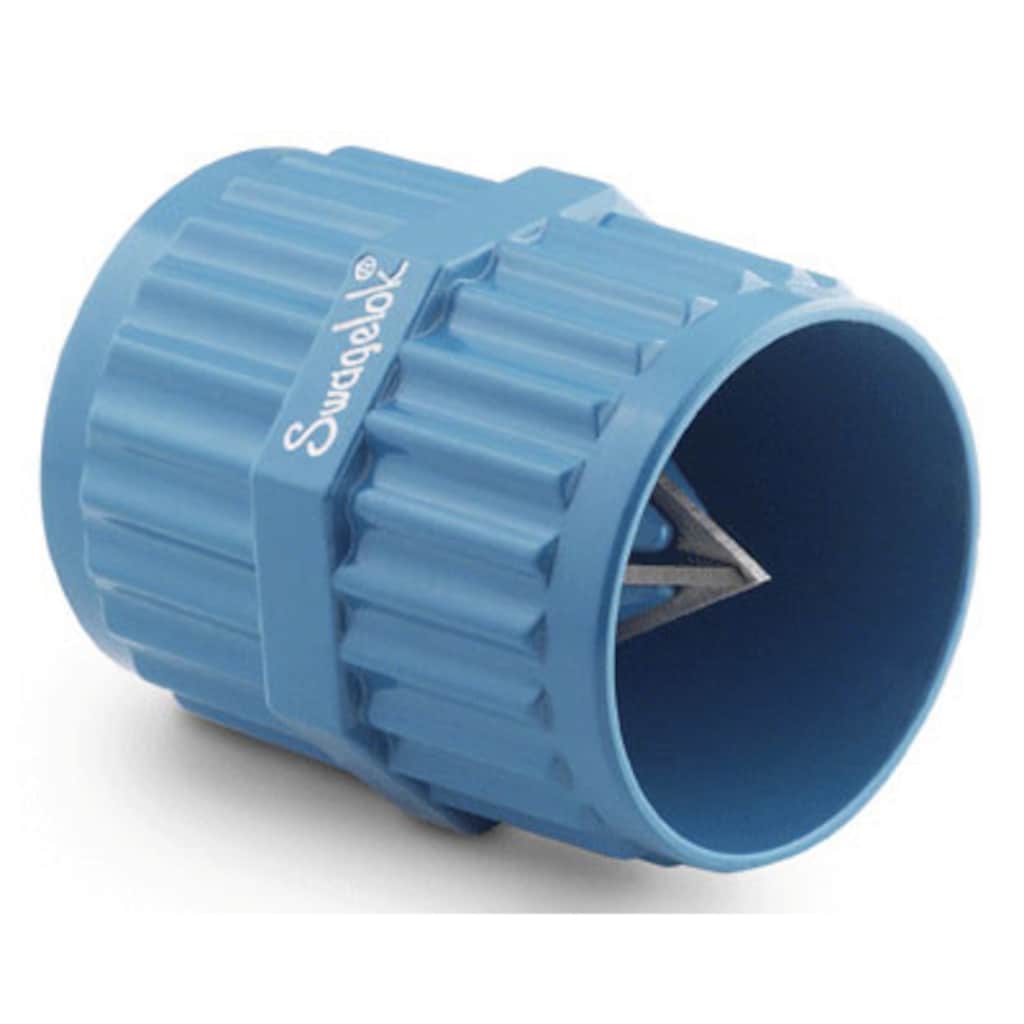
A deburring tool removes sharp edges and burrs from the outer rim of a cut pipe or sheet metal. It cleans the lip so you can handle the part safely and seal it well. Deburring tools come in hand-held knives, rotary heads, and powered units.
The phrase pipe reamer vs deburring tool often confuses new users. Think of a pipe reamer as working inside the tube and a deburring tool as finishing the outside edge. That simple split covers most jobs and decisions.

Key differences: function, form, and results
Function
- Pipe reamer: smooths inside surfaces and sizes the bore.
- Deburring tool: smooths outside edges and removes the sharp lip.
Tool form
- Pipe reamers often are T-handles with tapered blades or powered heads.
- Deburring tools include handheld scrapers, fluted cutters, and rotary wheels.
Results
- Pipe reamer improves joint fit and flow.
- Deburring tool improves safety and sealing for fittings.
In short, pipe reamer vs deburring tool answers come down to inside vs outside work. Use both when you want a professional finish.

When to use which: practical scenarios
Plumbing copper or PVC
- Use a pipe reamer after cutting copper or PVC to remove interior burrs that block fittings.
- Use a deburring tool on the outside to ensure a tight seal and avoid cutting your O-ring or gasket.
Gas lines and tight seals
- Interior burs can interrupt gas flow or trap moisture. Use a pipe reamer first.
- Then deburr the exterior so threads and fittings seat evenly.
Sheet metal and general fabrication
- Deburring tools are used for edges and flanges.
- Pipe reamer vs deburring tool is less relevant for flat parts, but the concept still applies: inside vs outside finishing.
Personal note: I once installed a batch of copper lines and skipped the reamer. The fittings leaked. Reaming first fixed the issue fast. That taught me never to skip inside cleaning.
Types and designs to know
Pipe reamer types
- Manual tapered reamer: cheap and simple for occasional work.
- Rotary reamer: fits power drills for quick work on many pipes.
- Adjustable reamer: for precision sizing and larger diameter ranges.
Deburring tool types
- Hand deburring knife: good for quick, low-volume jobs.
- Fluted cutter: removes burrs in one pass on many materials.
- Rotary burrs and wheels: powered, fast, and good for heavy work.
Choosing depends on material, volume, and precision needs. For frequent plumbing jobs I favor a quality rotary reamer and a good fluted deburring tool.

How to use them: step-by-step basics
Using a pipe reamer
- Secure the pipe in a vice or hold it steady.
- Insert the reamer into the pipe and twist clockwise while applying light pressure.
- Remove the reamer and brush out debris. Inspect the inside with light.
Using a deburring tool
- Clamp the work if possible.
- Run the tool around the outside edge, keeping a steady angle.
- Check the edge by touch (wear gloves) and repeat until smooth.
Tips from experience
- Turn slowly at first to avoid removing too much material.
- Clean chips and shavings between passes to prevent new scratches.
- Always wear gloves and eye protection.
Safety, maintenance, and best practices
Safety
- Wear eye protection. Bits and shavings can fly.
- Use gloves to avoid cuts, but be cautious around rotating tools.
- Keep fingers behind the cutting edge when scraping.
Maintenance
- Keep blades sharp. Dull blades create torn edges.
- Clean and oil moving parts on rotary tools.
- Replace bent or chipped cutters promptly.
Best practices
- Ream before deburring when working with pipes—fix the inside, then the edge.
- Match the tool to the material: metal needs stiffer cutters than plastic.
- Test on scrap first to dial in pressure and angle.

Buying guide and cost considerations
Decide by frequency
- Occasional use: cheap manual reamer and a basic deburring knife.
- Regular pro use: mid-range rotary reamer and a set of fluted deburrers.
Consider material
- Hardened steel cutters for steel pipe.
- Carbide tips for abrasive or stainless work.
- Plastic reamers for PVC to avoid scoring.
Value tips
- Buy a reamer with replaceable blades.
- Look for a deburring set with multiple sizes to cover common pipe diameters.
- Spend a bit more for good handles—ergonomics matter on long jobs.

Common quick questions (PAA-style) with short answers
How do I choose between a pipe reamer vs deburring tool for copper?
- Use a pipe reamer first to clear internal burrs, then deburr the outer edge for a good seal.
Can a deburring tool replace a pipe reamer?
- Not reliably. Deburring tools clean outside edges but usually won’t remove internal burrs effectively.
Do power reamers work better than manual ones?
- For volume and speed, yes. Manual reamers give more control on small jobs.
Is reaming necessary for PVC and plastic pipes?
- Yes, reaming removes melt and beads that can interfere with fittings.
How often should I replace blades?
- Replace when you see torn edges or need more force. Dull blades reduce quality and safety.

Frequently Asked Questions of pipe reamer vs deburring tool
What exactly does a pipe reamer do?
A pipe reamer removes internal burrs and smooths the inside of a cut pipe. It ensures better fit and flow for fittings and connectors.
Can I use a deburring tool on the inside of a pipe?
Some small deburring bits can work inside pipes, but most deburring tools are designed for external edges and may not reach deep inside.
Which tool should I buy first as a DIYer?
Start with a basic pipe reamer and a simple handheld deburring knife. These two cover most small plumbing and DIY tasks.
Will using both tools speed up installation?
Yes. Using a pipe reamer followed by a deburring tool reduces leaks and saves time by preventing rework.
Are powered versions worth the cost?
If you do many cuts, powered reamers and rotary deburring tools save time and reduce fatigue. For rare jobs, manual tools are fine.
How do I check if reaming and deburring were done properly?
Inspect the inside with light and run a finger (gloved) around the edge. There should be no sharp lips and fittings should slide on smoothly.
Conclusion
Choosing between a pipe reamer vs deburring tool is simple once you know their roles: ream the inside, deburr the outside. Use both for a clean, safe, and leak-free joint. From my shop experience, skipping either step often leads to leaks or cuts—so invest a little time and the right tools. Try a ream-then-deburr routine on your next job and notice how much smoother assembly goes. If this helped, leave a comment with your project questions or subscribe for more practical tool guides.