Internal pipe wrenches grip from inside the pipe; external pipe wrenches grip the outside for faster, heavier turning.
If you have ever fought a stuck pipe in a tight space, you already know the real choice is not just about tools. It is about control, grip, and how much damage you can afford to avoid. In the internal pipe wrench vs external pipe wrench debate, the best pick depends on access, pipe condition, and how much turning power you need.
What an internal pipe wrench is
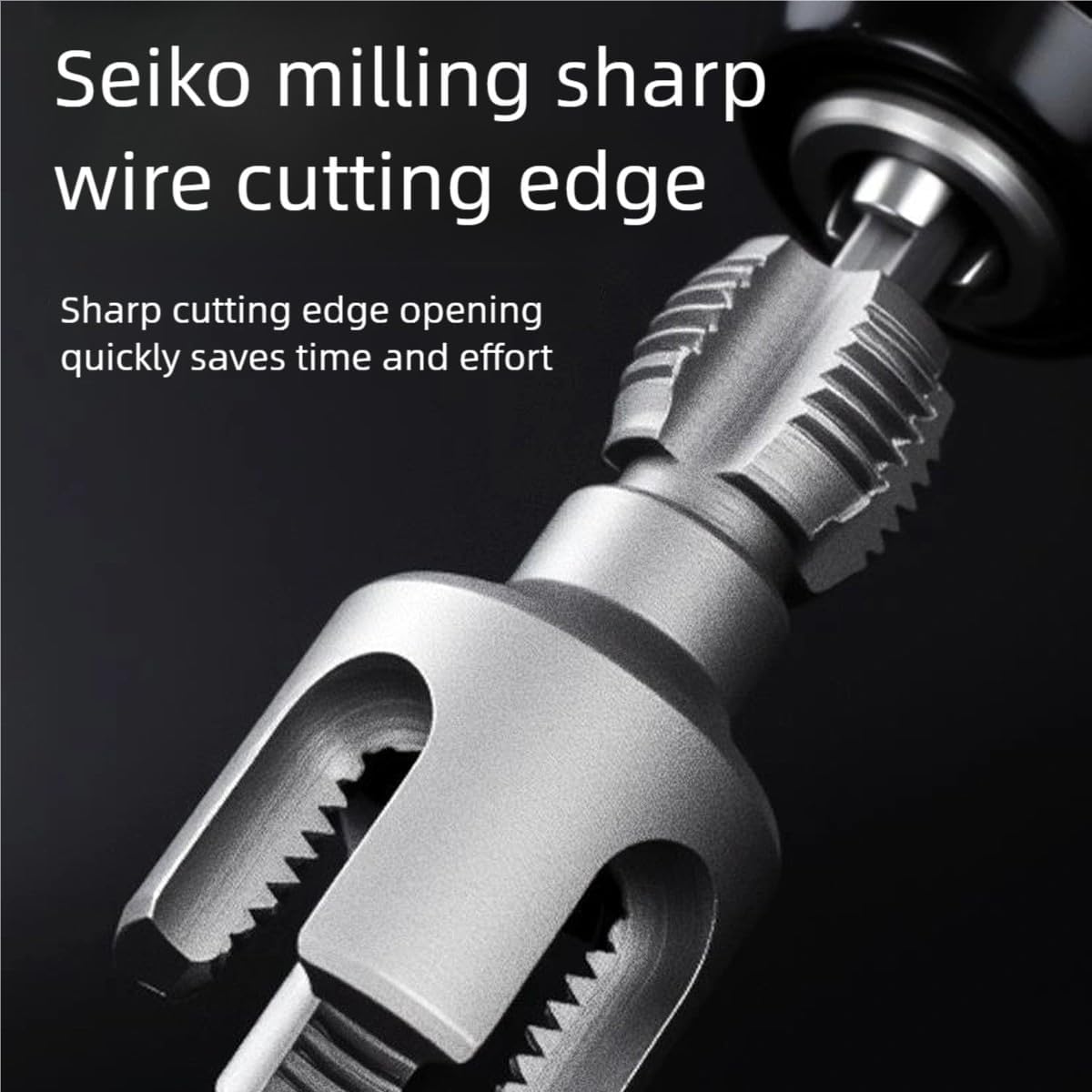
An internal pipe wrench is a tool that grips the inside wall of a pipe. It is often used when the outside of the pipe is smooth, damaged, or hard to reach. The tool expands or cams into place, then lets you twist the pipe from within.
In my experience, this tool is a lifesaver in tight plumbing jobs where the outside of the pipe is already chewed up. I have seen it save a repair when an outside tool could not get enough bite. The big advantage is clean access when you cannot safely clamp the pipe from the outside.
Internal pipe wrenches are commonly used for:
• Removing broken pipe sections
• Working on smooth pipes with no external grip points
• Tight spaces where outer jaws cannot fit
• Repairs where you want to avoid crushing the pipe exterior
They are not the fastest tool to set up, and they usually need a good fit to work well. But when the pipe opening is available and the outside is blocked, the internal pipe wrench can be the only practical answer.
What an external pipe wrench is
An external pipe wrench grips the outside of a pipe with serrated jaws. It is the classic plumber’s wrench that most people picture first. It uses leverage to turn threaded pipe, fittings, and stubborn couplings.
The external pipe wrench is popular because it is simple, strong, and fast to use. If the pipe is in decent shape, it can grab hard and deliver a lot of torque. That is why it shows up so often in plumbing, construction, and maintenance work.
Common uses include:
• Loosening corroded pipe fittings
• Turning threaded pipe during installation
• Holding pipe steady while tightening connections
• General plumbing and mechanical work
From real-world use, I would say this tool feels like the hammer of the pipe world. It is not subtle, but it works. When there is enough room to swing it and the pipe can handle the bite, it is often the first tool to try.
Internal pipe wrench vs external pipe wrench: the key difference
The main difference in the internal pipe wrench vs external pipe wrench comparison is where the tool grips. One works from the inside, and the other works from the outside. That one change affects nearly everything else: access, torque, pipe damage, and speed.
Here is the simplest way to think about it:
• Internal pipe wrench: best when the outside of the pipe is not usable
• External pipe wrench: best when you can reach the outside and need strong leverage
The internal pipe wrench vs external pipe wrench choice also depends on the pipe’s condition. If the outside is rusted, rounded, or hidden, an internal tool may be better. If the pipe is exposed and strong enough, an external wrench is usually easier and faster.
How each tool works
Internal pipe wrench
An internal pipe wrench slides into the pipe opening. Once inside, it expands or locks against the inner wall. As you turn the handle, the tool transfers force to the pipe from within.
This design is useful when the pipe has no outer surface left to grab. It is also handy when the pipe end is flush with a wall or tucked in a narrow space. The catch is that it needs a proper pipe diameter and enough opening to engage.
External pipe wrench
An external pipe wrench uses upper and lower jaws to bite into the pipe’s outside surface. The more force you apply, the tighter the jaws can hold. That makes it a strong tool for heavy turning jobs.
Because it grips from the outside, it is easy to position and remove. It is also the tool many workers trust for quick field work. The downside is that it can mar, dent, or crush softer pipe materials if used carelessly.
Internal pipe wrench vs external pipe wrench: pros and cons
Internal pipe wrench advantages
• Works on damaged or smooth pipe exteriors
• Useful in tight or awkward spaces
• Helps avoid crushing the outside of the pipe
• Can remove broken sections from inside the line
Internal pipe wrench limitations
• Needs the right pipe size and opening
• Usually less common than external tools
• May take longer to set up
• Not ideal for high-speed repetitive work
External pipe wrench advantages
• Strong grip and high torque
• Fast to place and remove
• Widely available and familiar to users
• Great for general plumbing tasks
External pipe wrench limitations
• Needs access to the pipe exterior
• Can damage pipe surfaces
• May slip on wet, rusty, or rounded pipe
• Not useful when the pipe is recessed or blocked
In practice, the internal pipe wrench vs external pipe wrench debate usually comes down to one simple question: can you grab the pipe from the outside without causing trouble? If yes, the external wrench wins most everyday jobs. If no, the internal wrench may save the day.
When to use an internal pipe wrench
Use an internal pipe wrench when:
• The pipe opening is exposed, but the outside is not reachable
• The exterior is too damaged for a normal grip
• You need to remove a broken pipe piece from inside
• The job is in a tight cavity or deep recessed opening
I once watched a repair drag on for nearly an hour because someone kept trying to force an external wrench onto a pipe with almost no exposed wall. An internal pipe wrench would have solved it in minutes. That is the lesson: the right tool often looks less powerful, but it is the one that fits the job.
When to use an external pipe wrench
Use an external pipe wrench when:
• The pipe is exposed and easy to reach
• You need strong turning force
• You are loosening or tightening threaded pipe
• The pipe surface can handle jaw pressure
This is the better choice for most standard plumbing work. It is also more forgiving for beginners because the setup is simple. Still, you should always watch the jaw pressure so you do not deform softer metals or plastic pipe.
Materials and pipe types
The internal pipe wrench vs external pipe wrench decision changes with material. Steel and cast iron can often tolerate more aggressive gripping. Copper, PVC, and thinner-walled pipes need more caution.
Here is a practical rule:
• Steel pipe: external wrench usually works well
• Cast iron pipe: either tool may work, depending on access
• Copper pipe: use care with external jaws because dents happen fast
• PVC pipe: avoid crushing force; use tools made for that material
Pipe material matters because the tool is only half the story. The other half is what the pipe can survive. A good wrench used the wrong way can cause more damage than the original problem.
Torque, grip, and pipe damage
Torque is the turning force you apply. The external pipe wrench is usually the stronger torque tool because its jaws can clamp hard on the outside. But that strength can come with damage if the pipe is thin or worn.
The internal pipe wrench spreads force inside the pipe opening. That can be useful when preserving the outside surface matters. Still, if the fit is poor, the tool can slip and waste effort.
A few field-tested tips:
• Choose the largest wrench that fits the job safely
• Keep the pipe dry and clean when possible
• Use steady pressure instead of jerking hard
• Replace worn jaws or worn internal grips before they fail
A slipping wrench is more than annoying. It can round off fittings, injure hands, or make a small job much bigger. That is why the internal pipe wrench vs external pipe wrench choice should always include a look at safety and pipe condition.
Safety tips for both tools
• Wear gloves with a good grip
• Keep hands clear of pinch points
• Stand in a stable position before pulling
• Inspect the tool for wear before use
• Match the wrench size to the pipe size
• Do not overload the tool beyond its intended use
These tools are simple, but they can still cause injuries. A wrench that suddenly releases can send your hand into a wall, edge, or nearby fixture. I have learned that slow, controlled force usually beats a hard yank every time.
Internal pipe wrench vs external pipe wrench in real jobs
In real plumbing work, the choice often looks like this:
• For routine pipe installation, external pipe wrench
• For broken pipe extraction, internal pipe wrench
• For recessed or hidden pipe ends, internal pipe wrench
• For fast general maintenance, external pipe wrench
The internal pipe wrench vs external pipe wrench decision is rarely about which tool is “better” in a broad sense. It is about which one gives you better control with less damage in that exact situation. That is the kind of judgment that comes from experience, not just specs.
How to choose the right one
Ask these questions:
• Can I reach the outside of the pipe?
• Is the pipe exterior strong enough for jaw pressure?
• Do I need high torque or careful extraction?
• Is the pipe end open and usable from the inside?
• Will one tool reduce the chance of damage or rework?
If the answer favors outside access and strong leverage, use the external pipe wrench. If the pipe is broken, recessed, or smooth on the outside, reach for the internal pipe wrench. When in doubt, check the pipe material and job site space before forcing a choice.
Frequently Asked Questions of internal pipe wrench vs external pipe wrench
What is the main advantage of an internal pipe wrench?
The main advantage is that it grips from inside the pipe, so it works when the outside is damaged or blocked. It is especially helpful for broken pipe removal and recessed openings.
Is an external pipe wrench stronger than an internal pipe wrench?
In most everyday jobs, yes, because an external pipe wrench can deliver very high torque with a firm outside grip. But the internal pipe wrench can be better when outside gripping is not possible.
Can an internal pipe wrench damage the pipe?
Yes, it can damage the inside wall if it is the wrong size, poorly fitted, or used with too much force. Using the correct size and steady pressure helps reduce that risk.
Which wrench is better for beginners?
The external pipe wrench is usually easier for beginners because it is simple to set and remove. It is also more familiar, so most people learn it first.
When should I avoid using an external pipe wrench?
Avoid it when the pipe is too thin, too soft, too recessed, or already badly damaged. In those cases, the jaws may slip or crush the pipe.
Conclusion
The internal pipe wrench vs external pipe wrench choice comes down to access, grip, and pipe condition. The internal tool shines when the outside is unusable, while the external tool is the go-to for strong, everyday turning jobs. Knowing when to use each one can save time, reduce damage, and make your repair work much smoother.
If you work on pipes often, keep both tools in your kit and learn the signs that tell you which one fits the job. The more carefully you match the tool to the pipe, the fewer headaches you will have later. If this guide helped, keep exploring practical tool advice and share your own experience with these wrenches.

Mick Thomas
Contributor