A chain wrench grips harder for rough jobs, while a strap wrench protects delicate surfaces.
If you’re comparing chain wrench vs strap wrench, you’re probably trying to solve one of those annoying real-world problems where the tool you pick can either save the day or make a mess. I’ve used both on stubborn filters, smooth pipes, and awkward fittings, and the difference is bigger than most people expect. This guide breaks down chain wrench vs strap wrench in plain English so you can choose the right one with confidence.
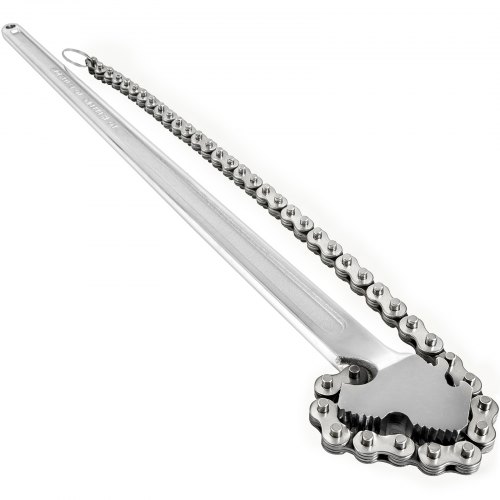
What a Chain Wrench Is
A chain wrench is a heavy-duty gripping tool made with a metal chain and a handle or yoke. You wrap the chain around a pipe, round fitting, or cylinder, then pull the handle to tighten the grip. The chain bites into the surface, which gives you strong holding power.
In my experience, a chain wrench is the tool you reach for when the job is ugly and tough. It shines on rusty pipes, steel fittings, and parts that won’t move with a normal wrench. The tradeoff is simple: it can mark or damage the surface, so it is not the best choice for soft or finished materials.
Common uses include:
- Removing stubborn pipe fittings
- Turning metal cylinders or drums
- Working on rusted plumbing parts
- Loosening seized mechanical components
A chain wrench is all about raw grip. If the surface can take some abuse, this tool can be a lifesaver.
What a Strap Wrench Is
A strap wrench uses a flexible strap, usually rubber, nylon, or reinforced material, instead of a metal chain. You wrap the strap around the object and pull the handle so the strap tightens around it. The pressure spreads across a wider area, which helps prevent scratches and dents.
This is the tool I trust when the finish matters. I’ve used strap wrenches on chrome parts, plastic fittings, glass jars, and oil filters where a chain wrench would have been too aggressive. It does not bite as hard as a chain wrench, but that is actually the point.
Common uses include:
- Loosening oil filters
- Turning plastic plumbing fittings
- Opening jars and round lids
- Gripping chrome or painted surfaces
A strap wrench is gentler, cleaner, and better for delicate work. It gives you control without leaving ugly marks.

Chain Wrench vs Strap Wrench: The Core Difference
The main chain wrench vs strap wrench difference comes down to grip style and surface protection. A chain wrench uses metal teeth-like pressure from the chain links, while a strap wrench uses broad, even pressure from a flexible strap. One is built for brute force, and the other is built for care.
Here’s the simplest way to think about it:
- Chain wrench: stronger bite, rougher on surfaces
- Strap wrench: softer grip, safer for finishes
- Chain wrench: best for metal and seized parts
- Strap wrench: best for smooth, painted, plastic, or polished parts
If I had to compare them to shoes, the chain wrench is the work boot and the strap wrench is the soft sneaker. Both work, but they are made for very different ground.
How Each Tool Works in Real Use
A chain wrench works by increasing friction as the chain tightens around the object. The tighter you pull, the more the chain digs in. That makes it excellent for stubborn parts that need a strong, no-nonsense grip.
A strap wrench works by wrapping around the object and tightening without sharp contact points. The strap molds itself to the shape and spreads force evenly. That makes it ideal when you need grip without damage.
Here is how I think about their behavior on the job:
-
Chain wrench performance
- Best when the object is stuck, rusty, or oily
- Can slip less on metal surfaces
- May leave marks, scratches, or dents
-
Strap wrench performance
- Best when the object is smooth or fragile
- Usually safer on finishes and coatings
- May slip if the surface is very oily or the item is too large
The real lesson is that “more grip” is not always “better.” Sometimes the smarter tool is the one that protects the part.

Best Applications for a Chain Wrench
A chain wrench is the better pick when strength matters more than appearance. I have seen it work well in settings where the part is old, corroded, or already cosmetically rough. It is especially useful when you need leverage on round metal objects that refuse to move.
Good situations for a chain wrench include:
- Old plumbing pipes
- Steel couplings
- Industrial maintenance
- Drums and cylinders
- Rusted or seized round parts
It is a strong choice for mechanics, plumbers, and facility workers. If you need to turn something that laughs at a regular wrench, the chain wrench earns its place.
Best Applications for a Strap Wrench
A strap wrench is the better pick when the surface matters as much as the grip. It is one of the nicest tools to use on plastic parts because it avoids cracking, gouging, or scarring. I have also found it useful on tight oil filters where metal tools would chew up the housing.
Good situations for a strap wrench include:
- Oil filter removal
- Plastic plumbing fittings
- Chrome fixtures
- Glass lids and jars
- Painted or polished parts
It is a practical, low-risk tool that fits well in home repair kits. If you want force with a softer touch, the strap wrench is hard to beat.
Chain Wrench vs Strap Wrench: Strength, Grip, and Surface Safety
When people compare chain wrench vs strap wrench, they usually focus on strength alone. But strength is only part of the story. Surface safety, control, and ease of use matter just as much.
Here is a simple comparison:
-
Strength
- Chain wrench: stronger overall bite
- Strap wrench: moderate grip, less aggressive
-
Surface safety
- Chain wrench: higher chance of marks
- Strap wrench: much safer on finishes
-
Best on
- Chain wrench: metal, rusted, hard-to-move parts
- Strap wrench: plastic, chrome, painted, and polished surfaces
-
User comfort
- Chain wrench: can feel rough and heavy
- Strap wrench: usually easier for light home tasks
If you only remember one thing, remember this: the chain wrench is about force, and the strap wrench is about control.
Pros and Cons of Each Tool
A good tool choice is not about which one is “better” in general. It is about which one fits the job.
Chain Wrench Pros
- Very strong grip
- Great for rusted or stuck parts
- Works well on metal surfaces
- Good for rough industrial jobs
Chain Wrench Cons
- Can damage the surface
- Less suitable for delicate materials
- Not ideal for polished or painted finishes
- Can be overkill for simple tasks
Strap Wrench Pros
- Gentle on surfaces
- Great for plastic, chrome, and glass
- Easy to use on oil filters and lids
- Less likely to leave marks
Strap Wrench Cons
- Less gripping force than a chain wrench
- May slip on greasy or very stubborn parts
- Not ideal for heavily seized hardware
- May wear out faster depending on strap material
I have learned the hard way that forcing the wrong tool can create a bigger problem than the original one. Sometimes the smartest move is not stronger pressure, but better judgment.

How to Choose Between a Chain Wrench vs Strap Wrench
Choosing between a chain wrench vs strap wrench gets easier when you ask a few simple questions. Start with the material, then think about how stuck the part is, and finally decide whether surface protection matters.
Use this quick checklist:
-
Is the object metal and badly seized?
- Go with a chain wrench.
-
Is the object plastic, chrome, or painted?
- Go with a strap wrench.
-
Do you need maximum grip with less concern about marks?
- Choose a chain wrench.
-
Do you need to remove an oil filter or a smooth cover?
- Choose a strap wrench.
-
Are you unsure and want the safer option?
- Start with a strap wrench if the part is delicate, or a chain wrench if it is rough and disposable.
A good rule from the field is this: match the tool to the material first, then to the resistance level. That simple habit saves time, money, and frustration.
Practical Tips From Real-World Use
Over time, I’ve found that both tools work best when you use them with patience. Rushing usually leads to slips, damaged parts, or sore hands. A little prep goes a long way.
Helpful tips include:
- Clean the surface first if possible
- Make sure the tool sits squarely before pulling
- Use steady pressure instead of jerking the handle
- Check for strap wear or chain damage before use
- Stop if the tool starts slipping and reassess
One mistake I made early on was grabbing a chain wrench for a chrome part because I wanted a faster result. It worked, but it left marks I did not want. That taught me a simple truth: the best tool is not the one that wins fastest, but the one that solves the problem cleanly.

Maintenance and Safety Tips
Both tools last longer when you treat them well. A dirty chain or worn strap can reduce performance and make the tool less safe. This is especially important in professional settings where reliability matters.
Keep these safety basics in mind:
- Inspect the chain or strap before each use
- Replace cracked, frayed, or bent parts
- Wear gloves for better control
- Keep hands clear of pinch points
- Do not use either tool beyond its rated size or purpose
From a trust and safety standpoint, this matters more than people think. Tool makers and industry guidance consistently emphasize matching the tool to the job and checking wear before use. That is not just cautious advice; it is how you avoid damage and injury.
Chain Wrench vs Strap Wrench for Different Users
Not every user needs the same tool. A homeowner, mechanic, plumber, and industrial tech will all look at chain wrench vs strap wrench a little differently.
For homeowners:
- Strap wrench is usually the better first buy
- It handles jars, filters, and plastic fittings well
- It is easier to use and less risky on fixtures
For mechanics and plumbers:
- Both tools can be useful
- Chain wrench is better for rough, stuck metal parts
- Strap wrench is great for filters and finishes
For industrial and maintenance workers:
- Chain wrench is often the heavy-duty choice
- Strap wrench still matters for delicate or finished parts
- Having both gives the most flexibility
If you only buy one, think about your most common tasks. That one choice usually tells you which wrench deserves space in your toolbox.
Frequently Asked Questions
Which is stronger, a chain wrench or a strap wrench?
A chain wrench is stronger because the chain gives a tighter, more aggressive grip. It is better for seized, rusty, or heavy-duty metal parts.
Will a strap wrench damage a surface?
Usually, no. A strap wrench is designed to spread pressure and reduce scratching, which makes it a safer choice for plastic, chrome, painted, and polished surfaces.
Can a chain wrench be used on plastic?
It is not a good idea unless the plastic part is very tough and damage is not a concern. A chain wrench can crack or deform plastic because it concentrates force in a small area.
What is the best tool for removing an oil filter?
A strap wrench is often the better choice for oil filters because it grips well without crushing the filter housing. If the filter is badly stuck, some mechanics may switch to another tool, but strap wrenches are the safest first option.
Which tool should I keep in a home toolbox?
A strap wrench is usually the more versatile and beginner-friendly option for home use. It handles jars, filters, and many smooth parts without causing damage.
Conclusion
When it comes to chain wrench vs strap wrench, the right choice depends on the material, the shape, and how much surface damage you can accept. A chain wrench gives you more brute force for rough, stubborn jobs, while a strap wrench gives you safer grip and better control on delicate parts.
If you remember only one rule, make it this: use the chain wrench for power and the strap wrench for protection. That simple habit will save you time and protect your tools, your parts, and your patience.
If this guide helped, take a moment to compare the tools in your own kit and decide which one fits your most common jobs. For more hands-on tool guides and practical repair advice, keep exploring and share your questions or experiences in the comments.

Mick Thomas
Contributor