A coping saw handles curves and detail work; a hacksaw cuts metal and rigid materials fast.
If you have ever stood in a workshop holding both tools and wondering which one actually belongs in your hand, you are not alone. The coping saw vs hacksaw choice comes up a lot because they look similar at a glance, but they solve very different problems. I have used both on job sites and in home projects, and the right one almost always comes down to the material, the cut shape, and how clean you need the result to be.

Coping saw vs hacksaw: the core difference
The simplest way to think about coping saw vs hacksaw is this: a coping saw is for precision and curves, while a hacksaw is for tougher straight cuts, usually in metal. A coping saw has a thin, narrow blade that can turn inside a cut, which makes it ideal for trim, molding, and scroll-type work. A hacksaw uses a tighter frame and a fine-tooth blade built to cut harder materials like steel pipe, bolts, and plastic.
That difference matters more than people expect. I have seen beginners try to use a hacksaw for delicate wood trim and end up with ragged edges. I have also seen someone reach for a coping saw to cut a steel rod and quickly learn that the tool was never meant for that job.
What is a coping saw?
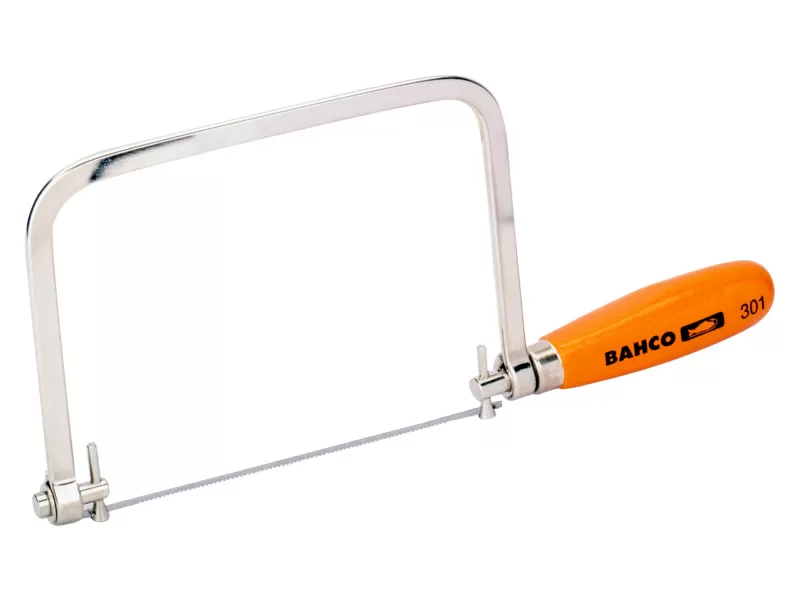
A coping saw is a hand saw with a U-shaped frame and a very thin blade. The blade is usually held under tension and can often be rotated, which helps when cutting curves or inside shapes. Woodworkers often use it to remove waste from joints, shape moldings, and make detailed cuts where control matters more than speed.
It is a small tool, but it can do precise work. I like to think of it as the “artist’s saw” in the hand-tool family. It is not made for brute force. It is made for finesse.
Best uses for a coping saw
A coping saw works well for:
• Cutting curved lines in wood
• Coping inside corners on trim and molding
• Cutting small plastic pieces
• Detailed scrollwork and craft projects
• Fine shaping where a jigsaw would feel too bulky
Main strengths of a coping saw
The coping saw stands out because it offers control. Its thin blade can turn sharply, and that makes it easy to follow a line by hand. It also removes less material, which helps when you want a cleaner final fit.
Another plus is that it is inexpensive and simple. There is not much to maintain beyond blade changes and basic tension. For small wood projects, it is one of the most useful hand tools you can own.
Limits of a coping saw
The coping saw is not a power tool, and it is not built for thick or hard materials. If you push too hard, the blade can bend or snap. It also cuts slowly compared with powered tools, so it is better for accuracy than for volume.
What is a hacksaw?
A hacksaw is a hand saw with a rigid frame and a narrow blade made for cutting metal and other hard materials. It usually has many fine teeth per inch, which helps it slice through harder surfaces without grabbing too much at once. The blade is often mounted with the teeth facing forward, and the cut happens on the push stroke.
In real-world use, the hacksaw is one of the most dependable cutting tools in a toolbox. I have used it on plumbing jobs, fastener removal, conduit, and small metal repairs. It is not fancy, but it gets the job done when a clean, straight cut matters.
Best uses for a hacksaw
A hacksaw is a solid choice for:
• Steel and aluminum pipe
• Bolts, screws, and rods
• Conduit and light tubing
• Plastic pipe and PVC
• Small metal fabrication tasks
Main strengths of a hacksaw
The biggest strength of a hacksaw is versatility with hard materials. It can handle metal that would quickly dull or damage a wood saw. It also offers good control for straight cuts, especially if the blade is sharp and the frame is set correctly.
A hacksaw is also easy to carry and use in tight spaces. In repair work, that matters a lot. Sometimes a power saw is too much trouble for a small cut, and the hacksaw saves time.
Limits of a hacksaw
A hacksaw is not ideal for curves. The frame and blade geometry make tight turning difficult. It can also struggle with very thick material if you are using a standard manual frame, and cutting can feel slow without the right blade count.
Coping saw vs hacksaw: head-to-head comparison
When people compare coping saw vs hacksaw, they are usually trying to answer one simple question: which one should I buy first? The answer depends on the kind of work you do. If you mostly work with wood trim or craft-style cutting, the coping saw is the better match. If you deal with metal, pipe, or hardware, the hacksaw is the more practical choice.
Here is the easiest way to compare them:
• Material: coping saw for wood and light materials; hacksaw for metal, plastic, and tubing
• Cut shape: coping saw for curves and inside cuts; hacksaw for straight cuts
• Blade style: coping saw uses a thin removable blade; hacksaw uses a fine-tooth metal blade
• Control: coping saw gives more turn control; hacksaw gives more straight-line stability
• Speed: hacksaw is usually faster on hard materials; coping saw is slower but more precise
• Best use case: coping saw for trim and detail; hacksaw for repair and fabrication
Blade design and how it affects cutting
Blade design is a huge part of the coping saw vs hacksaw debate. The coping saw blade is thin and narrow, which allows it to pivot and work through curved paths. That same thinness also means it is more fragile, so it needs a lighter hand.
The hacksaw blade is broader in purpose, though still narrow compared with power saw blades. Its teeth are designed to bite into metal without clogging too quickly. In the shop, blade choice is often what separates a smooth cut from a frustrating one.
Tooth count matters
A higher tooth count per inch usually gives a smoother cut, especially on thin metal or fine trim work. A lower tooth count can remove material faster, but it may leave a rougher edge. I always tell beginners to match the tooth count to the material thickness, because using the wrong blade is one of the easiest mistakes to make.
Which tool cuts what material best?
This is where the coping saw vs hacksaw decision becomes very practical. The coping saw is most comfortable in wood, soft plastics, and decorative work. The hacksaw is better for metal, PVC, conduit, and other rigid materials.
Good materials for a coping saw
• Softwood trim
• Hardwood molding
• Thin plywood
• Plastic craft pieces
• Interior profile cuts
Good materials for a hacksaw
• Steel bolts
• Copper pipe
• Aluminum tube
• PVC pipe
• Thin sheet metal
Materials to avoid
• Do not use a coping saw on thick metal
• Do not use a hacksaw for tight decorative wood curves
• Do not force either tool through material it was not made for
My practical experience using both tools
One thing I learned early is that tool choice saves time and saves the workpiece. I once tried to “make do” with a hacksaw on a curved trim repair because I did not want to walk back to the truck for the coping saw. The result was a cut that looked like a zigzag drawn by a nervous hand. I had to replace the piece.
I have also seen the opposite mistake on plumbing work. A coworker tried to use a coping saw on a small metal pipe because the cut was in a tight corner. The blade dulled fast, started to wander, and snapped before the cut was finished. That job taught us both the same lesson: the coping saw vs hacksaw choice is not about preference alone. It is about matching the tool to the material.
How to choose between a coping saw vs hacksaw
If you are standing in the aisle or at your bench, ask yourself a few quick questions.
• What am I cutting?
• Do I need a curve or a straight line?
• Is the material soft or hard?
• Do I care more about speed or precision?
If the answer points to wood, trim, or curves, go with the coping saw. If the answer points to metal, pipe, or straight cuts, choose the hacksaw. That simple rule covers most real-life uses.
Tips for better results with a coping saw vs hacksaw
Small technique changes can make a big difference. I have found that most bad cuts come from rushing, not from the tool itself. A steady hand and the right blade do more for quality than muscle ever will.
Tips for using a coping saw
• Keep the blade tight
• Let the saw do the work
• Use short, smooth strokes
• Start with a light guide cut
• Rotate the blade when cutting inside shapes
Tips for using a hacksaw
• Clamp the workpiece first
• Use even pressure on the forward stroke
• Choose the right teeth per inch
• Keep the blade straight in the frame
• Replace dull blades early
Common mistakes to avoid
A lot of frustration with coping saw vs hacksaw comes from simple mistakes. The good news is that most of them are easy to fix once you know what to look for.
• Using a dull blade and expecting a clean cut
• Applying too much pressure
• Cutting without securing the material
• Picking the wrong blade tooth count
• Forcing curves with a hacksaw
• Trying to cut hard metal with a coping saw
Safety considerations
Even hand saws deserve respect. A slipped blade can still cut skin, scratch surfaces, or ruin a finished piece. I always recommend eye protection, especially when cutting metal or brittle plastic.
Keep your non-cutting hand away from the blade path. If the material is small, clamp it down instead of holding it freehand. That one habit prevents a lot of accidents and makes cuts more accurate too.
Coping saw vs hacksaw for home projects and DIY
For home DIY, the coping saw vs hacksaw decision often comes down to common tasks.
Use a coping saw for:
• Baseboard corners
• Crown molding touch-ups
• Small wood repairs
• Decorative projects
• Interior cutouts in thin material
Use a hacksaw for:
• Plumbing repairs
• Bolt trimming
• Metal rack adjustments
• PVC pipe cuts
• Light home renovation tasks
If you only buy one, think about your most common job. For many homeowners, a hacksaw gets used more often because of pipe, hardware, and repair work. For trim and finish carpentry, the coping saw becomes the more helpful tool.

Frequently Asked Questions
What is the main difference between a coping saw and a hacksaw?
A coping saw is designed for curved and detailed cuts, mostly in wood and light materials. A hacksaw is built for straight cuts in metal, plastic, and rigid tubing.
Can a coping saw cut metal?
A coping saw can cut very thin soft metal in some cases, but it is not the right tool for most metal work. A hacksaw is much safer and more effective for metal cutting.
Is a hacksaw better than a coping saw for wood?
Not usually. A hacksaw can cut wood in a pinch, but it is not made for clean woodworking cuts, especially curves or trim joints. A coping saw is the better choice for that kind of work.
Which saw is easier for beginners?
A hacksaw is often easier for basic straight cuts because the frame gives more stability. A coping saw takes a little more hand control, but it becomes easy once you learn to guide the blade gently.
What blade should I use for a coping saw vs hacksaw?
Use a fine coping saw blade for wood and light detail work. For a hacksaw, choose a blade with the right teeth per inch for the material, with finer teeth for thin metal and slightly coarser teeth for thicker stock.
Conclusion
The coping saw vs hacksaw choice becomes simple once you focus on the job in front of you. A coping saw gives you control, curves, and clean detail work in wood and light materials. A hacksaw gives you strength, straight cuts, and reliable performance on metal, plastic, and pipe.
If you remember only one thing, let it be this: pick the saw that fits the material and the shape of the cut, not the one that merely looks close enough. That small decision can save time, protect your work, and make every project feel easier. If you found this guide helpful, keep exploring practical tool guides, try both saws on a simple project, and share your own experience in the comments.