A utility knife is more versatile; a snap off knife is better for clean, repeatable light cuts.
If you have ever stood in a hardware aisle and wondered which blade belongs in your hand, you are not alone. The utility knife vs snap off knife debate comes up a lot because both tools look simple, but they solve different problems. I have used both on job sites, in packing rooms, and during home projects, and the right choice usually comes down to the material, the cut quality you need, and how often you want to change blades.
Utility knife vs snap off knife: what each tool really is
A utility knife is a broad category of hand knife used for cutting jobs like cardboard, rope, flooring, vinyl, drywall paper, and packaging. It usually has a replaceable blade that can be retracted for safety. In many shops, “utility knife” means the classic fixed or retractable knife with a sturdy trapezoid blade.
A snap off knife is a specific type of utility knife with a segmented blade. When the tip gets dull, you snap off one section and get a fresh edge. That design makes it popular for light-duty, high-volume cutting where sharpness matters more than blade strength.
The big idea is simple. The utility knife vs snap off knife choice is really about strength versus convenience. One is built for tougher, messier work. The other is built for fast, clean cuts with easy blade refresh.
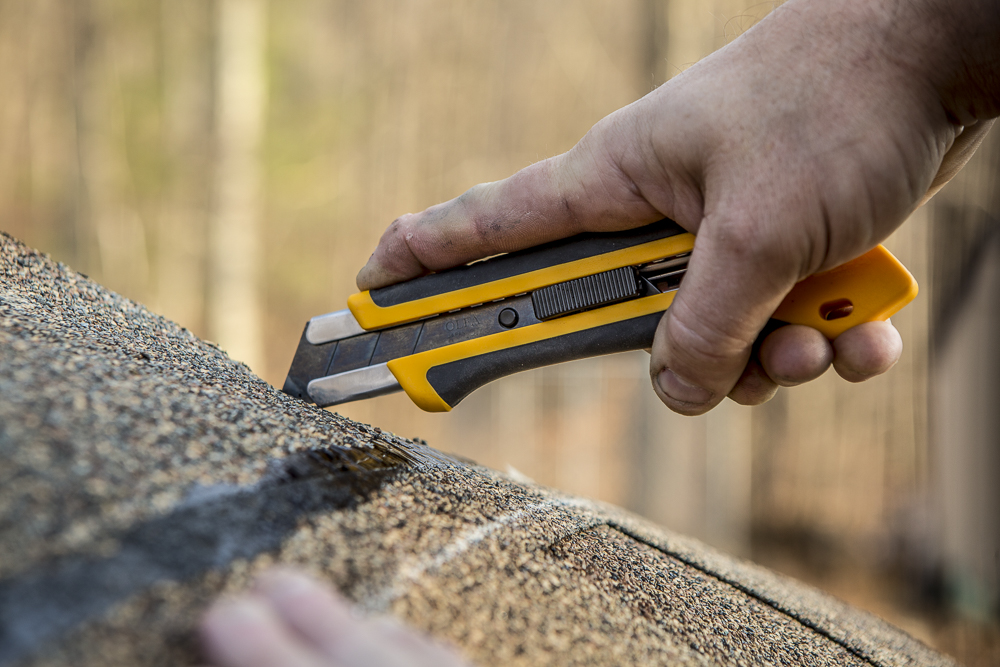
Utility knife vs snap off knife: key differences you should know
The utility knife vs snap off knife comparison becomes clearer when you look at the details that affect real use. These differences are small on paper, but they matter a lot in daily work.
Blade design
A standard utility knife usually uses a fixed, retractable blade with a solid shape. It feels more rigid in the cut. That makes it better for thicker materials and heavier pressure.
A snap off knife uses a segmented blade. When one section dulls, you break it off at the scored line. This gives you a fresh edge without swapping the entire blade.
Cutting strength
Utility knives tend to handle more force. If you are cutting thick cardboard, vinyl flooring, plastic sheeting, or dense packing straps, the extra stability helps.
Snap off knives are sharper at the tip, but the blade is thinner and more fragile. They are best for light to medium tasks, not hard prying or twisting.
Blade life
Snap off knives offer a built-in blade refresh system. You do not need a screwdriver or extra blade pack every time the edge dulls. That is a huge advantage in busy work.
Utility knives need blade replacement when they dull. The tradeoff is that their blades often last longer under rough use before they must be changed.
Safety
Both tools can be safe when used correctly. Still, a retractable utility knife often feels safer for general-purpose work because you can close the blade when not in use.
Snap off knives can be safe too, but the broken segments must be handled carefully. I have seen people leave snapped pieces on benches, which is a bad habit and an easy way to get cut.
Cost and maintenance
Snap off knives are usually affordable to buy and easy to maintain. The blades are inexpensive, and many models let you keep working without much downtime.
Utility knives can cost a bit more depending on the handle design, locking system, and blade type. Still, they are often the better long-term buy if you need durability.
When a utility knife makes more sense
The utility knife vs snap off knife decision often favors the utility knife when the work is rough or varied. If you do not want a delicate blade, this is usually the safer pick.
A utility knife is a strong choice for:
- Cutting carpet and flooring materials
- Opening heavy cartons and strapping
- Trimming rubber, vinyl, or gasket material
- Scribing drywall or insulation wrap
- General warehouse and construction tasks
From experience, this is the knife I reach for when I expect resistance. The thicker blade feels more stable, especially when I need a controlled cut through dense material. I have also learned not to force it at a bad angle, because even a sturdy utility knife can slip if the blade is dull or the hand position is poor.
When a snap off knife makes more sense
The utility knife vs snap off knife comparison often favors the snap off knife for office, retail, and light trade work. It shines when speed and a clean edge matter more than brute force.
A snap off knife is a smart choice for:
- Opening boxes all day
- Cutting shrink wrap and tape
- Trimming paper-backed materials
- Light craft and layout work
- Tasks where a fresh edge is needed often
I have found snap off knives especially useful during long packing jobs. The fresh blade section saves time, and the cut stays neat. The main mistake people make is using them like a pry tool. That bends or breaks the blade fast and can turn a simple cut into a safety problem.
Utility knife vs snap off knife: safety tips that actually help
No matter which side of the utility knife vs snap off knife debate you land on, safe habits matter more than the tool name. A sharp knife in a steady hand is safer than a dull knife used with force.
Use these basics:
- Cut away from your body whenever possible
- Keep the blade retracted or covered when not in use
- Replace dull blades instead of pushing harder
- Wear cut-resistant gloves for repeated cutting jobs
- Snap off segments only in the proper direction and over a safe container
- Store spare blades away from children and loose tool bags
One thing I always tell people is this: a dull blade is a risky blade. You press harder, and your control gets worse. That is when slips happen.
Materials and jobs: which knife fits best?
The utility knife vs snap off knife choice gets easier when you match the tool to the material.
Best for utility knife
A utility knife is usually better for:
- Thick cardboard
- Rubber and vinyl flooring
- Dense packaging
- Roofing underlayment
- Materials that need more blade support
Best for snap off knife
A snap off knife is usually better for:
- Tape
- Shrink wrap
- Paperboard
- Lightweight plastic film
- Repetitive office or retail cutting
If you are working on a project where the cut has to stay very neat and you will make the same cut many times, the snap off knife can feel almost like a pen. If the material fights back, the utility knife is the stronger tool.
Blade replacement and upkeep
Blade upkeep is a big part of the utility knife vs snap off knife decision. A tool is only as good as the edge on it.
With a utility knife, you usually replace the whole blade when it dulls. That means carrying spares and changing them when needed. It takes a bit more effort, but the blade system is often tougher.
With a snap off knife, upkeep is faster. You break off a segment and keep going. This is convenient, but it also means the blade gets shorter over time, and you eventually need a full replacement.
Best habits for both:
- Keep a pack of spare blades nearby
- Change blades before they get too dull
- Inspect the handle for cracks or loose locks
- Clean adhesive buildup off the blade area
- Never use a damaged blade holder
Which one is better for professionals?
The utility knife vs snap off knife answer depends on the trade.
Professionals who often prefer utility knives:
- Builders
- Flooring installers
- Roofers
- Maintenance staff
- Warehouse workers
Professionals who often prefer snap off knives:
- Retail staff
- Office teams
- Package handlers
- Designers and crafters
- Light-duty technicians
In my experience, many pros keep both nearby. That is not indecision. It is just smart. One tool covers heavy work, and the other handles fast, repetitive cuts without wasting time.
Cost, value, and long-term use
If you are buying one tool for the first time, the utility knife vs snap off knife choice can come down to value. The cheapest tool is not always the best value if it slows you down or wears out too fast.
A snap off knife is often cheaper upfront and easier to maintain for light work. It is a great everyday cutter for simple jobs.
A utility knife usually gives better value when your work is rough, frequent, or varied. The stronger body and blade system can save money over time by reducing breakage and replacing fewer tools.
Common mistakes to avoid
A lot of people get tripped up by the utility knife vs snap off knife decision because they ignore how they actually work.
Avoid these mistakes:
- Using a snap off knife on hard material that needs more strength
- Forcing a dull blade instead of replacing it
- Cutting toward your hand or thigh
- Leaving broken blade segments on the work surface
- Choosing the cheapest handle without checking the lock quality
- Treating either knife like a pry bar or scraper
I learned the hard way that a poor grip can ruin a clean cut. A blade that is perfect on paper still fails if the handle slips in your hand. Comfort and lock strength matter more than most buyers expect.
Frequently Asked Questions of utility knife vs snap off knife
Is a snap off knife the same as a utility knife?
A snap off knife is a type of utility knife, but not every utility knife is a snap off knife. The snap off version uses segmented blades, while a standard utility knife usually uses a solid replaceable blade.
Which is safer, utility knife or snap off knife?
Both can be safe when used correctly, but a retractable utility knife often feels safer for general tasks. A snap off knife is also safe if you snap blades properly and keep track of the broken pieces.
Can a snap off knife cut thick materials?
It can cut some thicker materials, but it is not the best choice for heavy resistance. If the material is dense or needs pressure, a standard utility knife usually works better.
Which knife is better for box cutting?
For simple box cutting, a snap off knife is often the better pick because it stays sharp and is easy to refresh. For heavy cartons or tough tape, a utility knife may perform better.
How often should I replace the blade?
Replace the blade as soon as it feels dull or starts tearing the material. A sharp blade is safer and gives cleaner cuts, so waiting too long usually creates more problems than it saves.
Conclusion
The utility knife vs snap off knife choice comes down to your work, your material, and how often you need a fresh edge. If you want more strength and durability, a utility knife is the better match. If you want quick, clean cuts with easy blade refresh, a snap off knife is hard to beat.
The smartest move is to think about the job before you buy. Match the knife to the task, keep the blade sharp, and use safe habits every time. If you are still unsure, try both and see which one feels better in your hand.