Solder ring fitting is faster and more consistent, while solderless fitting offers cleaner, heat-free installation.
When you compare solder ring fitting vs solderless fitting, the real difference comes down to speed, skill level, and how permanent you want the joint to be. I’ve seen both used in tight plumbing jobs, and the best choice usually depends on the pipe material, the space you’re working in, and whether you want a joint that needs heat or one that locks together by design. In this guide, I’ll break down solder ring fitting vs solderless fitting in plain English so you can choose with confidence and avoid the mistakes that cost time, leaks, and money.
What solder ring fitting means
A solder ring fitting is a copper plumbing fitting that already contains a measured ring of solder inside the joint. When you heat the fitting, the solder melts and flows around the pipe, creating a sealed connection. This is why many plumbers like it for fast, repeatable work.
In simple terms, the solder is built in, so you do not need to apply it by hand. That makes solder ring fitting a good option for consistent results, especially if you have done a lot of copper pipe work and want to keep the process smooth. In my own work, I’ve found these fittings helpful on jobs where speed matters, but only if the pipes are cleaned and fitted properly first.
Key traits of solder ring fittings include:
- Preloaded solder for easier installation
- Requires heat from a torch
- Works best on clean copper pipe
- Common in domestic plumbing
- Creates a strong, long-lasting joint when done correctly

What solderless fitting means
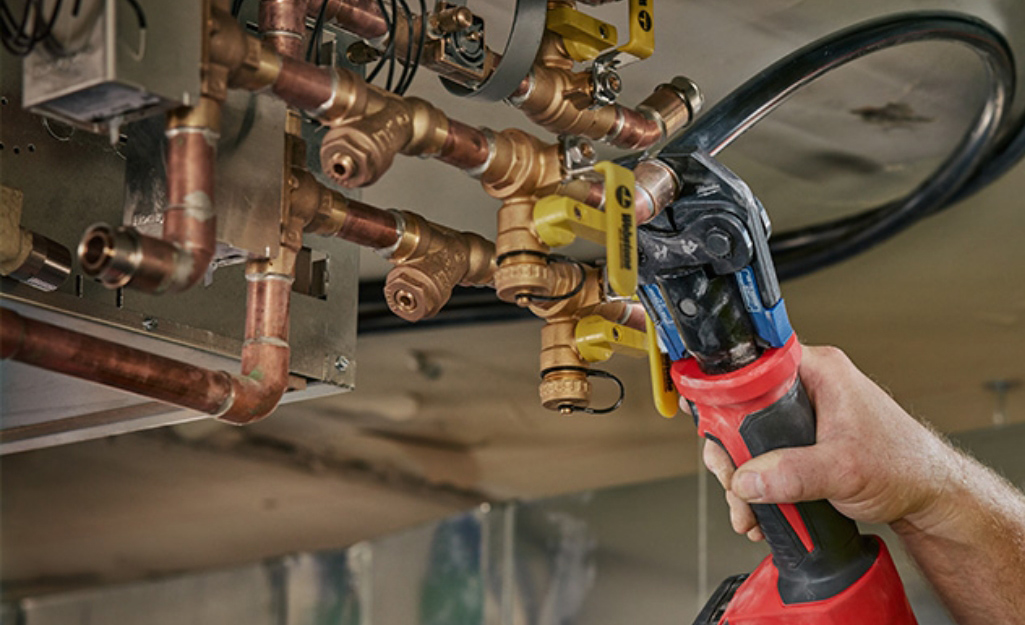
A solderless fitting joins pipe without heat or melted solder. These fittings often use compression, push-fit, or mechanical sealing methods to make a watertight connection. For many installers, that means less mess, less risk from heat, and fewer tools.
Solderless fitting is often the better choice in areas where fire risk is a concern or where a quick repair is needed. I’ve used solderless fittings in hard-to-reach spots where bringing in a torch would have been awkward or unsafe. They are also useful for homeowners who want a simpler installation process.
Common types of solderless fitting include:
- Compression fittings
- Push-fit fittings
- Mechanical couplings
- Grip-ring style connectors
Solder ring fitting vs solderless fitting: the core difference
The biggest difference in solder ring fitting vs solderless fitting is how the seal is made. Solder ring fittings use heat to melt preloaded solder, while solderless fittings use pressure, seals, or locking parts to hold the pipe in place.
That difference changes everything about the job. Solder ring fittings usually demand more prep and heat control. Solderless fittings are often faster to install and easier for beginners, but they may cost more per fitting and can have different space or access limits.
Here’s a simple comparison:
- Solder ring fitting: heat-based, permanent, traditional
- Solderless fitting: heat-free, mechanical, flexible
- Solder ring fitting: often more affordable per piece
- Solderless fitting: often quicker and safer in tight spaces
- Solder ring fitting: better for skilled copper work
- Solderless fitting: better for speed and convenience
When solder ring fitting makes sense
Solder ring fitting is a strong choice when you want a proven copper joint and you have the tools and skill to do it right. It works well in many residential plumbing systems, especially when the pipe runs are accessible and you can safely use a torch. A good joint can last for years with very little trouble.
From experience, solder ring fitting is best when the job is planned and the pipe ends are easy to prepare. If you rush the cleaning step, the joint can fail no matter how good the fitting is. That lesson has saved me from more than one headache.
Good uses for solder ring fitting:
- Copper water lines
- Straightforward pipe runs
- Jobs where heat is safe to use
- Installers with soldering experience
- Situations where a durable, permanent seal is needed
When solderless fitting makes sense
Solderless fitting is the smart move when speed, safety, or access is the priority. It is especially useful in small spaces, repair work, and areas where open flame is not practical. In real projects, this can save a lot of time when one joint is the only thing standing between you and a finished job.
I’ve seen solderless fitting shine during emergency repairs. If a pipe bursts and you need to stop the problem fast, a solderless connector can be a lifesaver. It is also friendly to DIY users who want to avoid the learning curve of torch work.
Good uses for solderless fitting:
- Emergency plumbing repairs
- Tight or awkward spaces
- Projects where heat is risky
- DIY installations
- Temporary or service-access connections
Pros and cons of solder ring fitting vs solderless fitting
Every method has tradeoffs. The right answer depends on the job, not just the price tag.
Solder ring fitting pros
- Fast once you know the process
- Strong, proven connection
- Good for many copper pipe systems
- Often cheaper per fitting than solderless types
Solder ring fitting cons
- Requires heat and torch skills
- Higher fire risk if done carelessly
- Needs clean, dry pipe surfaces
- Less ideal in cramped areas
Solderless fitting pros
- No flame needed
- Easier for beginners
- Quick installation
- Useful in tight or sensitive spaces
Solderless fitting cons
- Can cost more per fitting
- Some types take more space
- Quality varies by brand and design
- May not be the best fit for every system
Which is easier to install
For most people, solderless fitting is easier to install. You do not need to manage a torch, watch for overheating, or wait for solder to flow properly. That makes it a friendlier option for DIY repairs and quick fixes.
Still, easier does not always mean better. I’ve seen beginners use solderless fittings well on the first try, but I’ve also seen them misread pipe depth or fail to deburr the pipe end. Good technique still matters, even when the fitting is simple.
Which lasts longer
A properly installed solder ring fitting can last a very long time. Copper soldered joints have been used for decades in plumbing because they are durable and well understood. In many cases, the joint lasts as long as the pipe system itself.
Solderless fittings can also last a long time when installed correctly and used within their design limits. The key is using the right type of fitting for the pressure, temperature, and pipe material. If you buy quality parts and follow the instructions, solderless fittings can be very reliable.
Cost comparison: material and labor
At first glance, solder ring fittings often look cheaper. The fitting itself usually costs less than many solderless options. But labor tells a different story, because soldering takes more skill, more prep, and more time.
Solderless fittings can reduce labor time, which may offset the higher fitting cost. That is why contractors often use them in repairs or time-sensitive work. In my experience, the real cost is not just the part, but the time, safety, and chance of rework.
Things that affect cost:
- Fitting price
- Tool cost
- Labor time
- Risk of leaks or rework
- Access to the work area
Safety considerations
Safety is one of the biggest reasons people choose solderless fitting. Any time you bring a flame near framing, insulation, or old building materials, the risk goes up. If the area is cramped, dusty, or hidden behind walls, heat work can become risky fast.
Solder ring fitting is still safe when handled properly, but it requires focus. You need to protect nearby surfaces, control the flame, and make sure all water is drained from the line. Solderless fitting removes a lot of that stress, which is why many people prefer it for indoor repair work.
Safety tips for both methods:
- Turn off the water supply first
- Measure twice before cutting
- Clean and deburr pipe ends
- Use the correct fitting size
- Follow manufacturer instructions closely
Common mistakes to avoid
A lot of plumbing problems come from simple mistakes, not bad materials. That has been true in every job I’ve seen. Most failures happen because someone rushed the prep.
Avoid these errors:
- Using dirty or wet pipe
- Failing to cut the pipe square
- Skipping deburring
- Heating solder ring fittings unevenly
- Forcing solderless fittings onto the pipe
- Using the wrong fitting type for the system
One mistake I’ve seen more than once is assuming a fitting will fix a bad pipe end. It will not. A fitting is only as good as the pipe prep behind it.
How to choose between solder ring fitting vs solderless fitting
The best choice depends on your situation. If you have copper pipe, good access, and comfort with a torch, solder ring fitting is often a solid choice. If you want speed, safety, or a simpler install, solderless fitting usually wins.
A practical way to decide:
- Choose solder ring fitting if you want a classic copper joint and can solder safely
- Choose solderless fitting if you need a fast, heat-free option
- Choose solderless fitting for repairs in tight or risky spaces
- Choose solder ring fitting for cost-effective copper installations when you have the skill
I like to think of it like cooking. Solder ring fitting is like using a stove: classic, precise, and reliable if you know the heat. Solderless fitting is like a ready-to-eat meal: faster, simpler, and very useful when time matters.
Best use cases by project type
Different jobs call for different tools. That is why this comparison matters so much.
- New plumbing runs: solder ring fitting often works well if the installer is skilled
- Emergency leaks: solderless fitting is usually faster
- Tight wall spaces: solderless fitting is easier and safer
- Budget copper work: solder ring fitting may save money on materials
- DIY home fixes: solderless fitting is often the better starting point
Material and system compatibility
Compatibility matters more than many people think. Solder ring fitting is mainly used with copper pipe, and it depends on a clean metal surface and a proper heat bond. Solderless fitting may work with copper, PEX, or other pipe types depending on the product.
Always check the pipe size, pressure rating, temperature limit, and intended use. Plumbing standards and local codes can also affect which fitting is allowed. If you are working on potable water, heating lines, or a hidden repair, it pays to confirm the product is approved for that use.

Frequently Asked Questions of solder ring fitting vs solderless fitting
Is solder ring fitting better than solderless fitting?
Not always. Solder ring fitting is better when you want a traditional copper joint and have the skill to solder safely. Solderless fitting is better when speed, safety, or ease of use matters more.
Can solderless fittings be used permanently?
Yes, many solderless fittings are designed for long-term use. The key is using the right fitting type and installing it exactly as directed.
Are solder ring fittings more reliable?
They can be very reliable when installed correctly. Their long track record in plumbing makes them a trusted choice, but they still depend on proper heat control and clean pipe prep.
Which is better for beginners?
Solderless fitting is usually better for beginners. It avoids open flame and is simpler to install, though careful measuring and proper pipe prep are still important.
Can I replace a solder ring fitting with a solderless fitting?
Often, yes, but only if the pipe size, material, and system conditions match the fitting’s rating. It is smart to check local code and the manufacturer’s guidance before making the switch.
Conclusion
Solder ring fitting vs solderless fitting is really a choice between tradition and convenience. Solder ring fitting gives you a time-tested copper joint with strong results, while solderless fitting gives you a fast, flame-free option that is often easier and safer to use.
If you are planning a repair or installation, think about your space, your tools, your experience, and how permanent the joint needs to be. The best plumbing choice is the one that fits the job cleanly and safely. If this guide helped, keep learning, compare fitting types before your next project, and share your experience or questions in the comments.

Mick Thomas
Contributor