Framing nailers drive big nails for structure; finish nailers use thin nails for trim.
I’ve spent years building frames and finishing interiors. I know the feel of both tools. This guide on framing nailer vs finish nailer breaks down when to use each, how they differ, and real tips from the job site so you make the right choice every time. Read on to learn clear, practical advice that saves time and avoids costly mistakes.

Types and key differences between framing nailer vs finish nailer
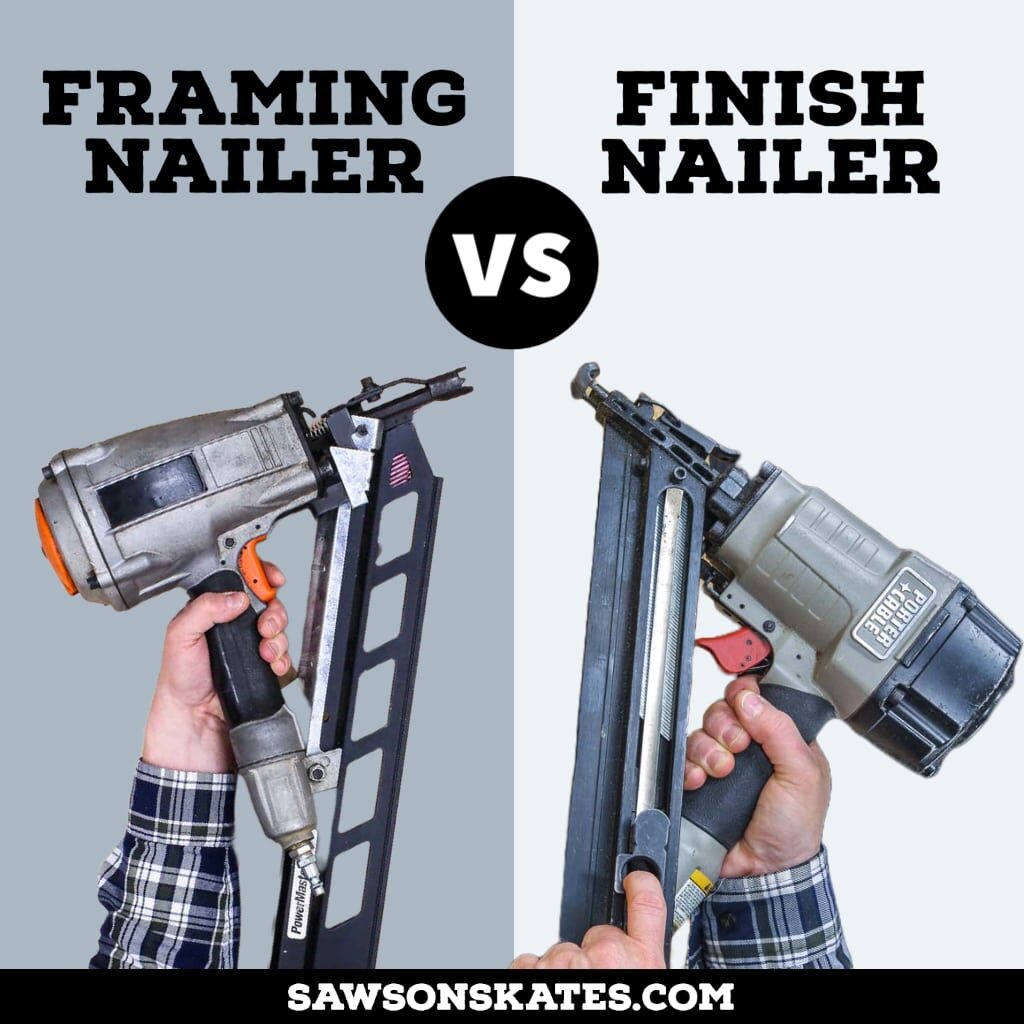
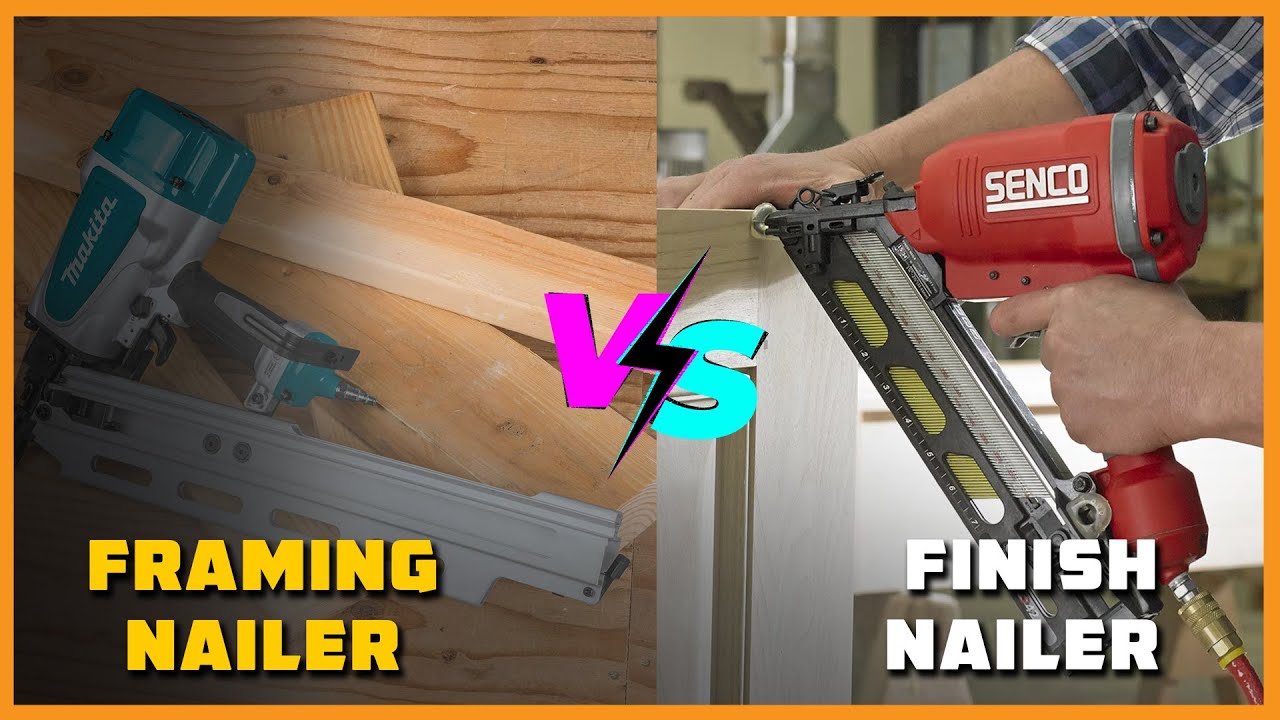
Framing nailer vs finish nailer centers on size, power, and purpose. Framing nailers drive large nails. They are built for heavy framing and rough construction. Finish nailers drive thinner nails. They are made for trim, molding, and clean work.
Key differences at a glance:
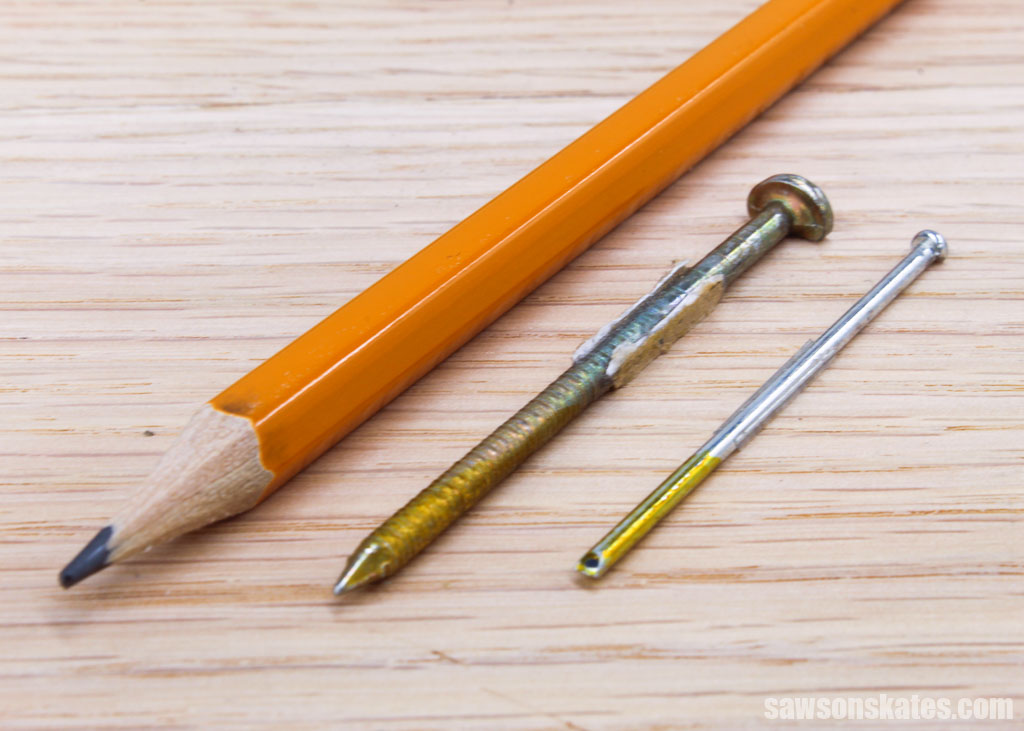
- Nail size and gauge: framing nailers use 0.120–0.162 inch nails or larger; finish nailers use 15 or 16 gauge nails.
- Typical nail length: framing nails range from 2 to 3-1/2 inches; finish nails range from 1 to 2-1/2 inches.
- Power and weight: framing nailers are heavier and more powerful; finish nailers are lighter and easier to maneuver.
- Use case: framing for structure; finish for visible trim and final touches.
I often reach for a framing nailer when building walls and a finish nailer when installing baseboards. The right tool reduces rework and speeds the job. This is the core of framing nailer vs finish nailer decisions.
When to use a framing nailer vs finish nailer
Choose a framing nailer when you need strength and speed. Use it for:
- Framing walls and roofs.
- Building decks and fences.
- Installing subfloor or ledger boards.
Choose a finish nailer for neat, visible work. Use it for:
- Baseboards and crown molding.
- Door and window casings.
- Cabinet trim and decorative millwork.
A simple rule I follow: if the nail head will be seen, use a finish nailer. If the joint needs sheer strength, use a framing nailer. That rule keeps projects clean and secure when deciding framing nailer vs finish nailer.
Technical specs and nail types explained
Understanding gauges and nail types helps pick the right tool. Keep it simple:
- Gauge vs diameter: smaller gauge equals thicker nail. 15-gauge is thicker than 16-gauge.
- Ring shank vs smooth shank: ring shank nails hold better in wood. Use them where pull-out resistance matters.
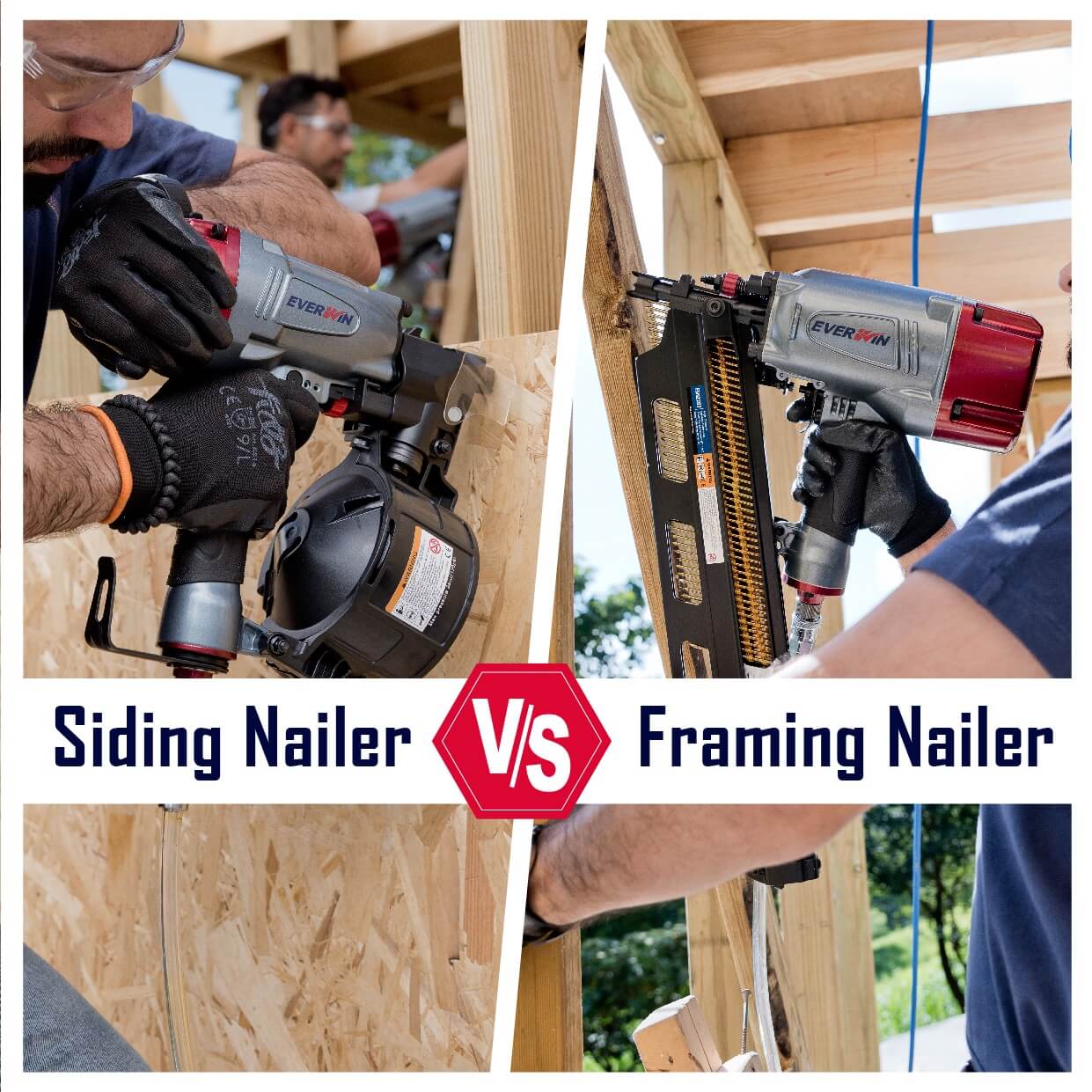
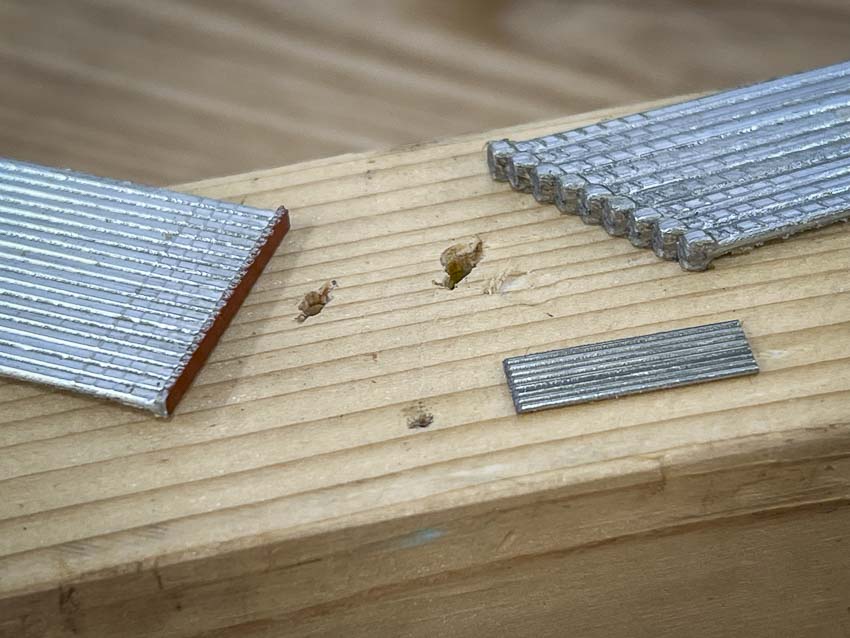
- Coil vs strip: framing nailers often use coil or clipped-head nails. Finish nailers use straight strips.
- Power sources: pneumatic (air), cordless (battery), and gas-driven models exist. Pneumatic models are common on job sites for consistency.
When I switched from smooth to ring shank on deck boards, the boards stayed tight through seasons. That real change came from understanding nail types. This is a key part of framing nailer vs finish nailer knowledge.
Pros and cons, plus practical examples
Pros of framing nailers:
- Fast and powerful.
- Great for structural work and rough framing.
- Handles long nails and heavy-duty jobs.
Cons of framing nailers:
- Heavy and bulky.
- Larger holes and visible nail heads.
- Overkill for trim and fine work.
Pros of finish nailers:
- Clean finish with small holes.
- Light and easy to control.
- Ideal for trim and small projects.
Cons of finish nailers:
- Not suitable for structural loads.
- Smaller nails can back out in soft wood or with vibration.
Practical examples from my work:
- Framing a shed: framing nailer for studs, joists, and rafters.
- Installing crown molding: 16-gauge finish nailer for hidden fasteners.
- Repairing a floorboard: finish nailer for trim; framing nailer would split the wood.
These examples show real trade-offs when choosing framing nailer vs finish nailer.
Buying guide and tips for real-world use
How to choose:
- Match nailer to task. Buy a framing nailer for structural work. Buy a finish nailer for trim.
- Consider power source. Pneumatic is lighter on the wrist but needs an air compressor. Cordless gives mobility.
- Weight and balance matter. Try the tool before you buy if possible.
- Check magazine type. Coil magazines reduce reloads on framing jobs.
Maintenance tips:
- Keep the nailer clean. Dust and wood chips cause jams.
- Use the right oil if pneumatic. Follow the manual.
- Check depth settings often. A quick test on scrap wood avoids mistakes.
Common mistakes to avoid:
- Using framing nails for trim. You’ll split trim and leave big holes.
- Overdriving finish nails in soft wood. Use the correct gauge or add glue.
- Skipping safety gear. Always wear eye and ear protection.
From my experience, buying the correct nailer saves time and money. That is the practical heart of framing nailer vs finish nailer advice.
Safety and best practices
Safety keeps the project moving smoothly. Key steps:
- Wear eye and ear protection at all times.
- Disconnect power or air before clearing jams.
- Keep hands clear of the muzzle and nail exit.
- Use the right fastener depth and avoid crowded nail patterns.
On one job I saw a rushed trim installation lead to many nail pops later. We slowed down, set depth correctly, and the finish held through transport. Small safety and setup steps prevent big rework when comparing framing nailer vs finish nailer.

Frequently Asked Questions of framing nailer vs finish nailer
What is the main difference between a framing nailer and a finish nailer?
The main difference is size and purpose. Framing nailers drive large nails for structural work; finish nailers drive smaller nails for trim and finish work.
Can I use a finish nailer for framing?
No. Finish nailers use thin nails that lack the shear strength needed for framing and could fail under load.
Which nailer is better for installing baseboards?
A finish nailer is better for baseboards because it leaves small, less visible holes and reduces splitting of thin trim pieces.
Do framing nailers use different power sources than finish nailers?
Both can use similar power sources: pneumatic, cordless battery, or gas. The main difference is tool size and air consumption for pneumatic framing nailers.
How do I prevent splitting when nailing trim with a finish nailer?
Use the correct gauge and shorter nails, predrill in very thin or hardwood trim, and use a nail set or depth control to avoid overdriving.
Is a 16-gauge finish nailer strong enough for cabinet face frames?
Yes, a 16-gauge finish nailer is commonly used for cabinet face frames; it balances holding power with small holes for finishing.
Should I rent a framing nailer or buy one for DIY use?
If you frame rarely, renting saves money. If you do multiple projects or plan frequent use, buying a framing nailer is a good investment.
Conclusion
Choosing between a framing nailer vs finish nailer comes down to purpose. Use a framing nailer for strength and structure. Use a finish nailer for neat, visible work and delicate trim. Match nail size, gauge, and power source to the job. Start small when learning. Practice on scrap wood to set depth and avoid mistakes. Try both tools if you can and pick the one that fits your projects and budget. Share your project questions, subscribe for more tips, or leave a comment about your experience with framing nailer vs finish nailer.