AFCI stops arcing fires; GFCI stops electric shocks from ground faults.
I am an electrician with years of hands-on experience. I explain the afci vs gfci breaker difference clearly and simply. Read on for practical, code-aware guidance and real-world tips so you can choose the right protection for your home.
afci vs gfci breaker difference: What each device does
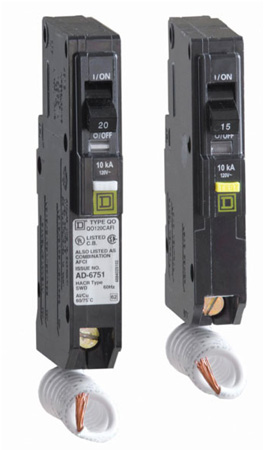
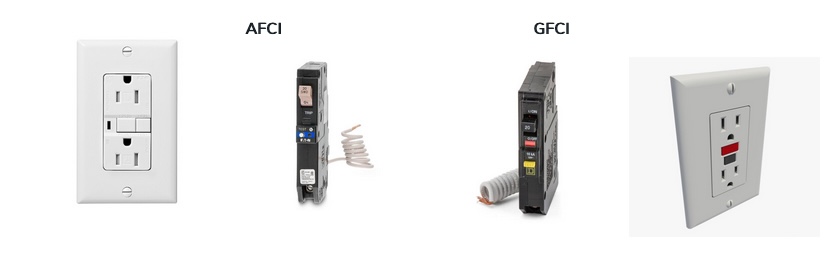
AFCI stands for arc-fault circuit interrupter. It looks for dangerous arcing that can start fires. AFCI trips when it detects unique arc patterns.
GFCI stands for ground-fault circuit interrupter. It senses small current imbalances between hot and neutral wires. GFCI trips quickly to stop electric shock.
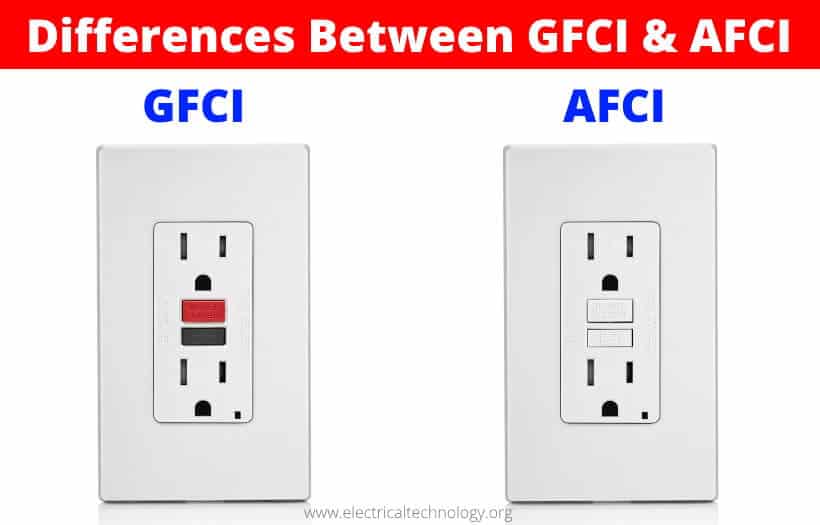
The afci vs gfci breaker difference is mainly what they protect. AFCI protects wiring and property from fire. GFCI protects people from shock and electrocution.

How AFCI and GFCI work (simple technical view)
AFCI
- Detects patterns from series and parallel arcs.
- Uses electronic sensing to spot arcing that normal breakers miss.
- Trips when it recognizes sustained or dangerous arcing signatures.
GFCI
- Compares current on hot and neutral conductors.
- Trips within milliseconds when imbalance exceeds about 5 milliamps.
- Stops current flow to prevent fatal shock even if wiring is not shorted.
Understanding the afci vs gfci breaker difference means knowing detection method and trip thresholds. AFCI detects arc patterns. GFCI detects current imbalance.
Key differences and typical locations
-
Protection type
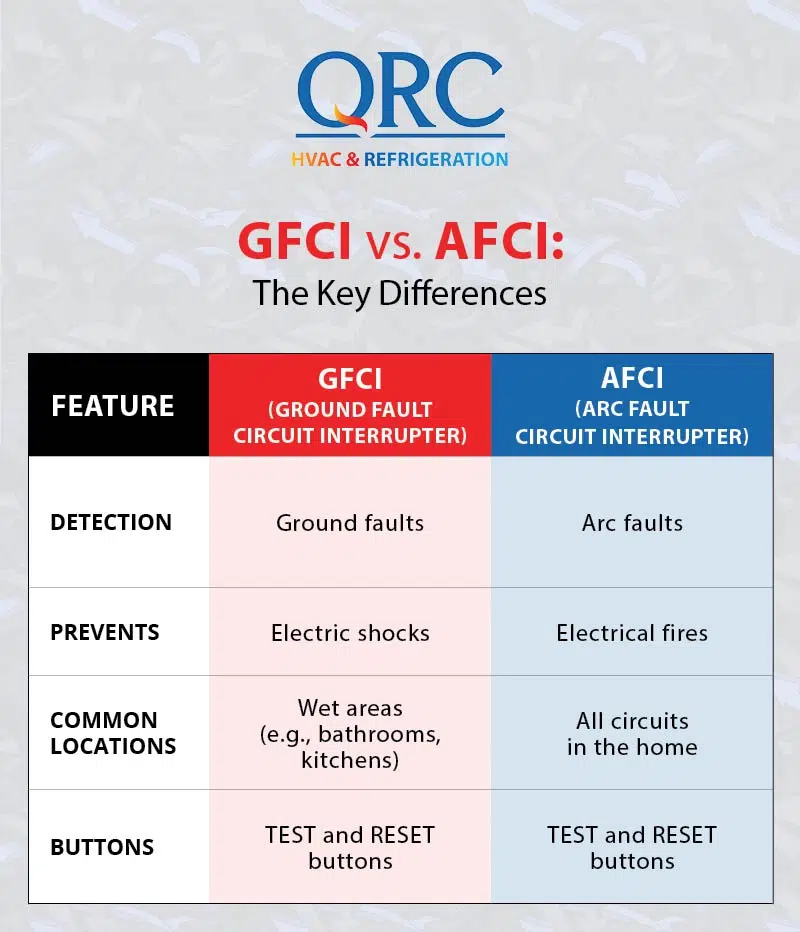
- AFCI: Prevents electrical fires from arcing.
- GFCI: Prevents shock from ground faults.
-
Trip trigger
- AFCI: Detects arcing signatures and high-frequency noise.
- GFCI: Detects current leakage of roughly 5 mA or more.
-
Typical locations
- AFCI: Bedrooms, living rooms, kitchens, and most 120V circuits per modern electrical code.
- GFCI: Bathrooms, kitchens (near sinks), outdoor outlets, garages, basements, and near pools.
-
Combined devices
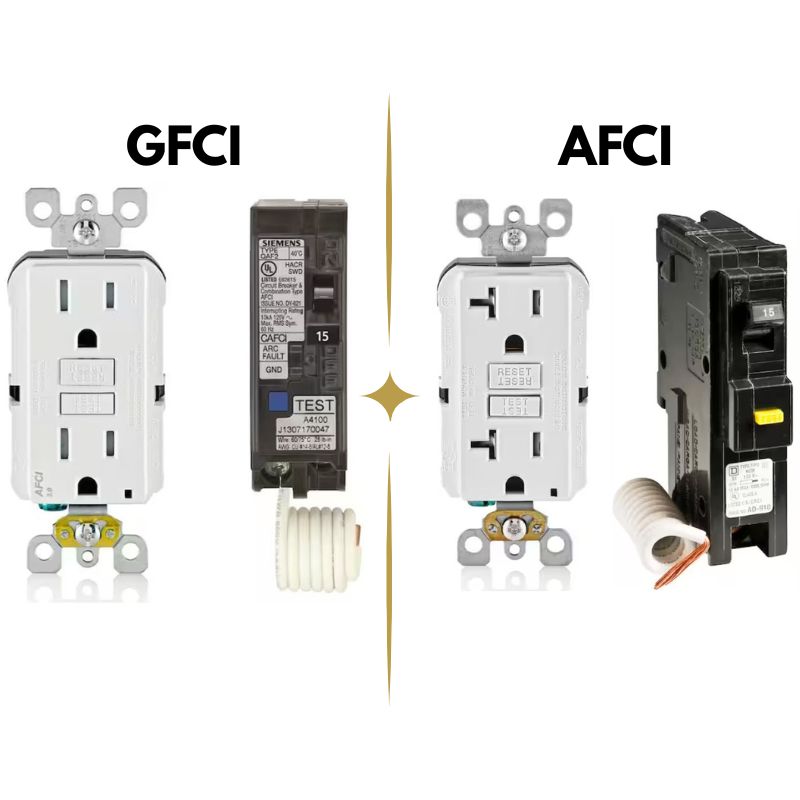
- Some breakers combine AFCI and GFCI functions in one unit.
- Use a combo breaker when you need both shock and arc protection on the same circuit.
These points clarify the afci vs gfci breaker difference and show where each is most useful.
Code requirements and safety standards
Modern electrical codes require both devices in many places. Bedrooms and living areas often need AFCI protection. Wet or damp zones need GFCI protection. Kitchens and garages may need either or both, depending on local rules and installation details.
Always check your local code or consult a licensed electrician. Rules change over time. The afci vs gfci breaker difference matters for code compliance and safety.

Installation, testing, and maintenance
-
Installation tips
- Use the correct breaker type for the circuit and location.
- Avoid miswiring the neutral on combo breakers; that can defeat protection.
- Label breakers clearly in the panel.
-
Testing and maintenance
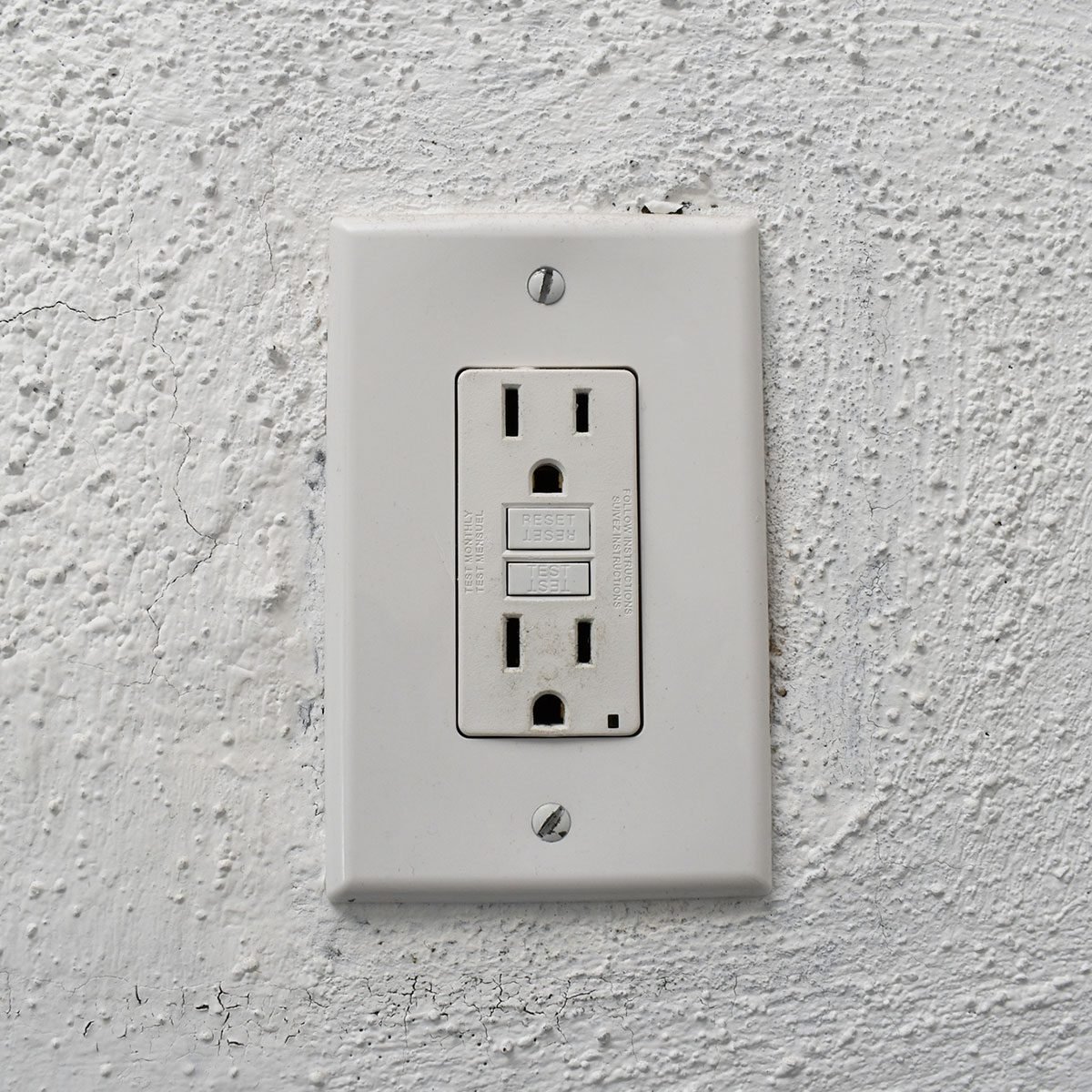
- Test GFCI outlets monthly using the built-in test button.
- Test AFCI breakers per manufacturer guidance; many have test buttons.
- Replace aging panels or breakers if they fail tests or show wear.
-
When to call a pro
- If you get nuisance trips that don’t resolve.
- If you are unsure about line and load wiring.
- If adding combo protection or replacing a panel.
Proper installation reduces false trips and ensures the afci vs gfci breaker difference works as intended.
Benefits and limitations of each device
Benefits
- AFCI prevents many common electrical fires.
- GFCI protects people from fatal shock.
- Combo breakers save space and simplify protection.
Limitations
- AFCI does not stop ground-fault shock hazards.
- GFCI does not detect or prevent arc-caused fires.
- Both can nuisance-trip under certain conditions. Proper installation often fixes that.
Know these strengths and limits when you decide which protection to install. The afci vs gfci breaker difference is about matching protection to real hazards.

Real-life experience and practical tips
I once debugged a kitchen circuit that tripped constantly. The homeowner had a dishwasher and disposal on the same AFCI-protected circuit. Small motors caused arcing patterns that looked like trouble. We moved the disposal to a separate GFCI-protected branch. Trips stopped and safety improved.
Lessons learned
- Test new installations before finishing drywall.
- Keep motors and sensitive electronics on separate circuits when possible.
- Use combo breakers where both fire and shock risks exist on one circuit.
These practical steps help you apply the afci vs gfci breaker difference correctly in your home.
How to choose the right breaker for your home
-
Step 1: Identify circuit use
- Wet areas and outdoor outlets need GFCI protection.
- Bedrooms and living areas need AFCI protection.
-
Step 2: Check local code
- Follow your local code or talk to your inspector.
- Code may require combo protection in some rooms.
-
Step 3: Decide combo vs separate
- Use a combo breaker if one circuit serves multiple needs.
- Use separate devices if circuits are distinct and simpler to manage.
Make a checklist and consult a licensed electrician. That approach aligns safety with the afci vs gfci breaker difference for your property.
Frequently Asked Questions of afci vs gfci breaker difference
What is the main difference between AFCI and GFCI breakers?
AFCI breakers protect against dangerous electrical arcing that can cause fires. GFCI breakers protect people by detecting small ground-fault current and cutting power quickly.
Can one breaker do both AFCI and GFCI jobs?
Yes. Combo breakers exist that offer both arc-fault and ground-fault protection in a single unit. They are useful when code or layout requires both protections on one circuit.
Do kitchens need AFCI or GFCI?
Kitchens often need both. GFCI is required near sinks and countertops. AFCI is typically required for general kitchen circuits under current code.
Why does an AFCI trip with motors or electronics?
Motors and some electronics create electrical noise or arcing-like signatures. This can mimic dangerous arcs and cause nuisance trips. Proper wiring and separate circuits usually prevent this.
How often should I test these breakers?
Test GFCI devices at least monthly using the test button. Test AFCI breakers per manufacturer instructions or during routine electrical checks. Replace any device that fails testing.
Is it safe to install these breakers myself?
Working in a service panel is hazardous and requires knowledge of wiring and local codes. If you are not experienced and licensed, hire a qualified electrician to install or replace AFCI or GFCI breakers.
What causes a GFCI to trip repeatedly?
Repeated GFCI tripping can be caused by moisture, damaged cords, or wiring faults. Check wet locations, appliances, and wiring, and call an electrician if the cause is not obvious.
Conclusion
AFCI and GFCI protect different risks. AFCI defends against arc-caused fires. GFCI defends people from shock. Knowing the afci vs gfci breaker difference helps you meet code and keep your home safe.
Take action: test devices now, label your panel, and consult a licensed electrician for upgrades. Share your experience or ask questions below to learn more.