A basin wrench grips fasteners under sinks while a pipe wrench bites and turns round pipes.
I’ve worked on dozens of plumbing jobs and I know how confusing tool choice can be. This article explains the basin wrench vs pipe wrench difference in plain terms. You will learn what each tool is for, how they work, when to use them, and how to pick the right one. I’ll share hands-on tips from real repairs, common mistakes, and quick decision rules so you can finish jobs faster and with less damage. Read on to get a clear, practical guide to these two staples of the toolbox.
:max_bytes(150000):strip_icc()/types-of-wrenches-6831283-V1-18ad13e48b3a47eebdcf471e0d139844.jpg)
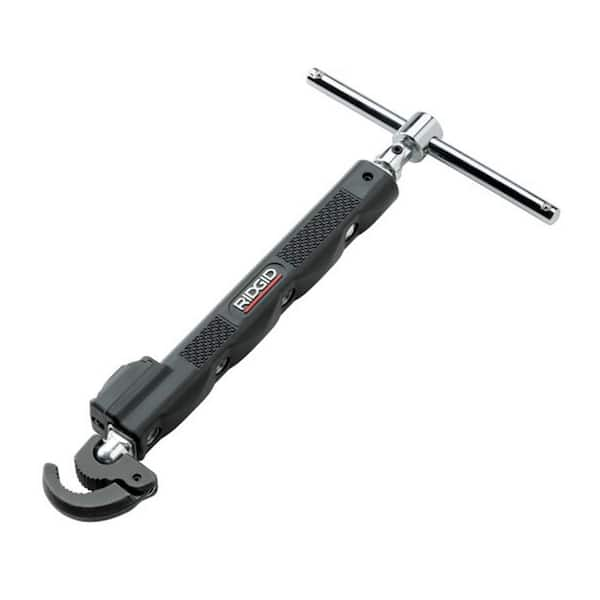
What is a basin wrench?
A basin wrench is a specialty plumbing tool. It has a long shaft and a pivoting jaw at one end. The jaw is shaped to grab nuts that sit behind sinks and faucets. The handle often includes a T-bar or loop for turning in tight spots.
Key features
- Long, narrow shaft to reach deep under sinks.
- Spring-loaded pivoting jaw that self-centers on hex nuts.
- Compact head design to work around supply lines and trap pipes.
- Common sizes range from 10 to 24 inches in length.
Why plumbers keep one
- It saves time when loosening faucet mounting nuts.
- It avoids removing pipes or fixtures to reach the nut.
- It reduces the risk of damaging sink finishes.
Source: homedepot.com
What is a pipe wrench?
A pipe wrench is a heavy-duty wrench for round pipe. It uses serrated jaws that bite into pipe metal as you apply torque. The jaws lock tighter as force increases, making it ideal for turning threaded pipes and fittings.
Key features
- Adjustable jaw opening for different pipe diameters.
- Serrated teeth for strong grip on round stock.
- Sturdy, often cast-iron body for high torque.
- Comes in many sizes, from 6 inches to 36 inches or more.
Common uses
- Assembling or disassembling steel or iron pipe.
- Tightening and loosening threaded fittings on plumbing runs.
- Turning heavy valves when needed.
:max_bytes(150000):strip_icc()/SPR-how-to-use-a-basin-wrench-2718720-hero-A-6ba9e7b86b5c4c978b68a58c483237a9.jpg)
Source: thespruce.com
Key design differences
The basin wrench vs pipe wrench difference comes down to shape and purpose. Each tool is optimized for different tasks and spaces.
Head and jaw
- Basin wrench: narrow, curved jaw that fits behind fixtures and on flat-sided nuts.
- Pipe wrench: wide, straight jaws with teeth that bite into round pipe.
Reach and access
- Basin wrench: long shaft for confined spaces under sinks.
- Pipe wrench: shorter reach but high torque for open areas.
Grip and contact
- Basin wrench: grips flat or hex nuts without teeth, minimizing surface damage.
- Pipe wrench: bites into metal; can mar soft finishes and round off thin-walled pipe.
Torque and strength
- Basin wrench: moderate torque for fastening fixtures.
- Pipe wrench: high torque for heavy pipe work.
Typical materials
- Basin wrench: lighter steel, sometimes chrome plated.
- Pipe wrench: heavy cast iron or forged steel for strength.
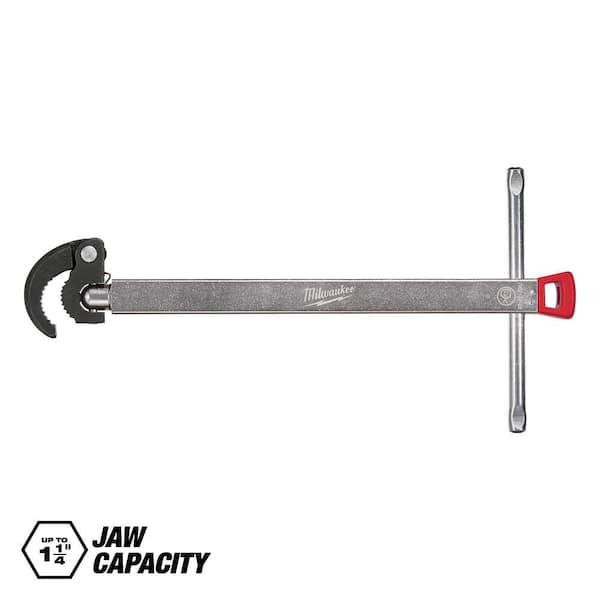
Source: homedepot.com
When to use each tool
Knowing the basin wrench vs pipe wrench difference helps you pick the right tool fast.
Use a basin wrench when
- You need to loosen or tighten faucet mounting nuts.
- The nut is behind the sink or in a narrow space.
- You must avoid scratching a nut or fixture.
Use a pipe wrench when
- You work on threaded pipe or large metal fittings.
- High torque is needed to break a tough joint.
- You have room to position the wrench and allow the teeth to bite.
Practical examples
- Replacing a faucet: choose a basin wrench to remove mounting nuts.
- Replacing a section of iron pipe: use a pipe wrench to unthread fittings.
- Removing a stuck supply line nut on a compression fitting: start with a basin wrench; use a pipe wrench on pipe sections only.

Source: reddit.com
How to choose: practical buying guide and tips
Decide by task, space, and frequency of use. My experience helps here. I learned to match the tool to the job to save time and avoid damage.
Pick a basin wrench if
- You work on sinks and faucets often.
- You need reach and a slim profile.
- You want a tool that won’t mar nuts.
Pick a pipe wrench if
- You work on steel or iron piping.
- You need high torque and a durable tool.
- You often deal with large-diameter pipes.
Buying tips
- Choose a basin wrench with a comfortable T-handle and a robust pivot spring.
- For pipe wrenches, pick the largest size you can handle. Larger wrench gives more leverage.
- Consider an adjustable model or a set to cover common sizes.
- Inspect jaw teeth on a pipe wrench; they should be sharp and replaceable.
Personal experience and mistakes to avoid
- I once tried using a pipe wrench on a faucet nut. It damaged the nut and added hours. Now I always reach for the basin wrench first when working under sinks.
- Don’t force a basin wrench past its torque limits. If a nut won’t move, inspect the connection and switch to proper methods rather than over-torquing.
Quick rule of thumb
- If the fastener is a flat-sided nut behind a sink, use a basin wrench. If it is a round threaded pipe or fitting, use a pipe wrench.
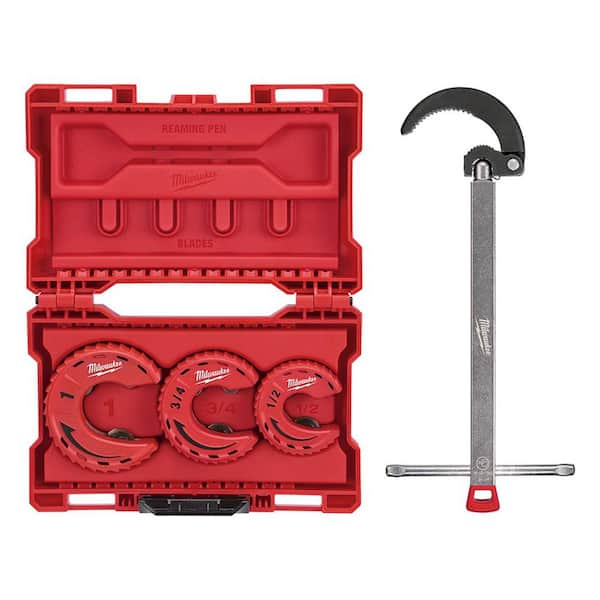
Source: homedepot.com
Maintenance and safety tips
Keep both tools in good shape. Proper care extends life and improves safety.
Maintenance
- Clean jaws and remove grit after each job.
- Lubricate moving parts on basin wrenches to keep the pivot smooth.
- Replace or file dull teeth on a pipe wrench only if safe and possible.
Safety
- Wear gloves to protect hands from teeth and sharp edges.
- Use proper body position to avoid slips and falls.
- Don’t use a pipe wrench on chrome-plated soft pipes if you want to keep finishes intact.
- Match wrench size to the job to avoid over-tightening and damage.

Source: finehomebuilding.com
Pros and cons comparison
Here is a clear view of the basin wrench vs pipe wrench difference in pros and cons.
Basin wrench pros
- Reaches tight spaces easily.
- Protects nut faces from damage.
- Lightweight and easy to handle.
Basin wrench cons
- Limited torque capacity.
- Not suitable for round pipes.
- Heads can be fragile on heavy jobs.
Pipe wrench pros
- High torque and strong bite.
- Works well on round, threaded pipe.
- Durable for heavy tasks.
Pipe wrench cons
- Can mar metal and finishes.
- Hard to use in cramped spaces.
- Teeth may damage thin-walled pipe.
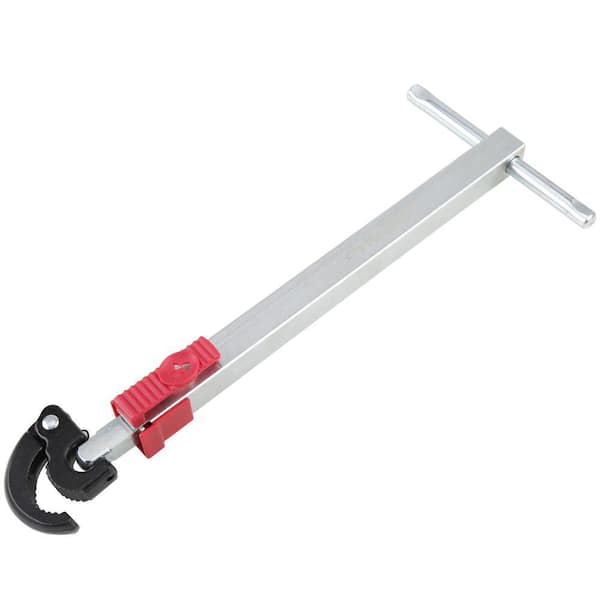
Source: homedepot.com
Frequently Asked Questions of basin wrench vs pipe wrench difference
What is the main difference between a basin wrench and a pipe wrench?
The main difference is purpose: a basin wrench reaches and turns flat nuts behind sinks, while a pipe wrench grips and turns round threaded pipes. Each tool has a jaw design suited to its task.
Can I use a pipe wrench instead of a basin wrench?
You can in some cases, but a pipe wrench may damage the nut or fixture and is hard to use in tight spaces. It’s best to use a basin wrench for sink hardware.
Which wrench gives more torque, basin wrench or pipe wrench?
A pipe wrench provides more torque due to its heavy body and serrated jaws. Basin wrenches give moderate torque and are for lighter fasteners.
Will a pipe wrench damage chrome fittings?
Yes, a pipe wrench can scratch or dent chrome and soft metals because its teeth bite into the surface. Use padded jaws or a basin wrench for plated fixtures.
How do I know which size wrench to buy?
Choose a basin wrench sized for reach under your sinks and a pipe wrench sized to match the largest pipe you’ll work on. A set or mid-size pipe wrench often covers most jobs.
Conclusion
Knowing the basin wrench vs pipe wrench difference saves time and prevents damage. The basin wrench is the go-to tool for tight spaces and faucet nuts. The pipe wrench is best for heavy pipe work and threaded fittings. Pick the tool that fits the shape of the fastener and the space you have. Try a basin wrench first under sinks, and keep a strong pipe wrench for mains and iron pipe. If you liked this guide, try the tips on your next repair, subscribe for more hands-on tool advice, or leave a comment with your toughest wrenching story.