PEX tubing often wins for cost and flexibility; copper leads in longevity and heat resilience.
I’ve worked on dozens of plumbing projects, from small bathroom remodels to whole-house repipes. I’ll walk you through pex tubing vs copper pipe with clear comparisons, real-world pros and cons, cost and installation tips, and safety considerations. By the end you’ll know which material fits your budget, local code, and long-term needs.

Head-to-head overview: pex tubing vs copper pipe
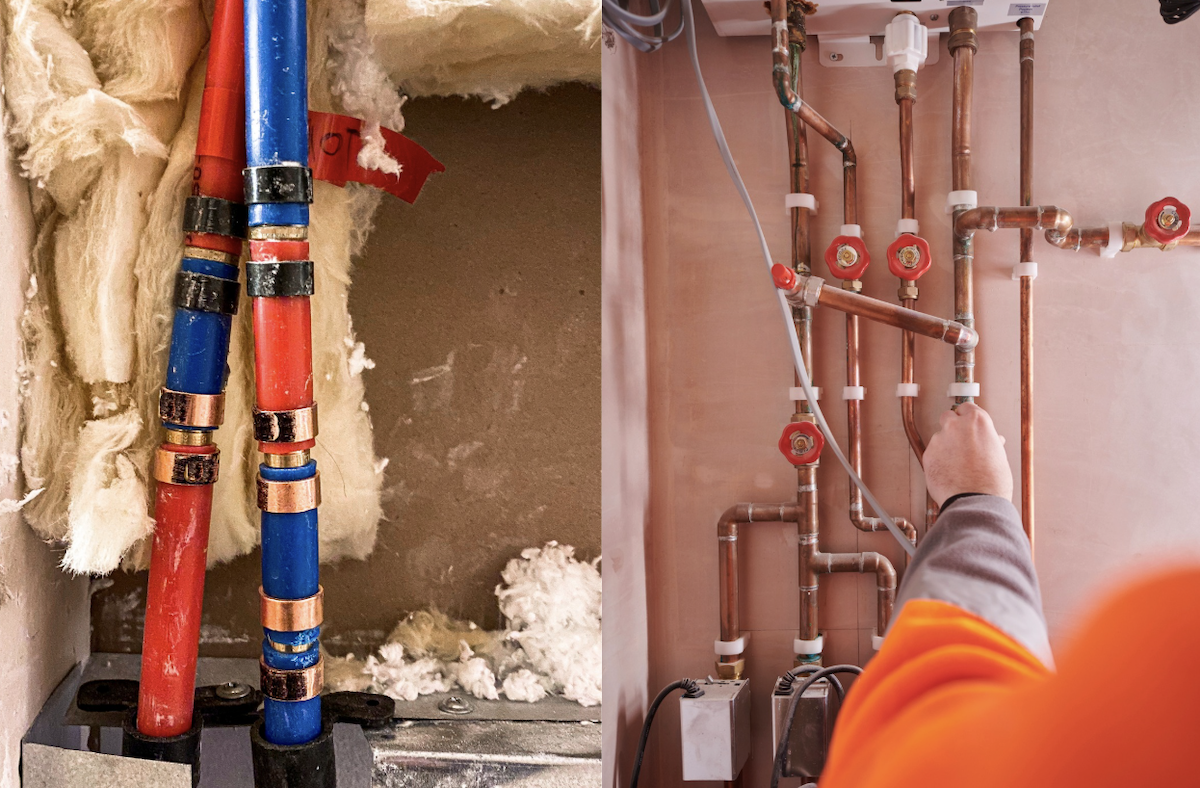
PEX tubing and copper pipe serve the same job: moving water. They differ in material, installation, cost, and long-term performance. PEX is a flexible plastic that bends around corners and uses simple fittings. Copper is rigid metal that resists high heat and has a long track record in plumbing. When comparing pex tubing vs copper pipe, think about durability, water quality, freeze resistance, and labor costs. Each choice has clear trade-offs depending on the project.

What is PEX and what is copper pipe?
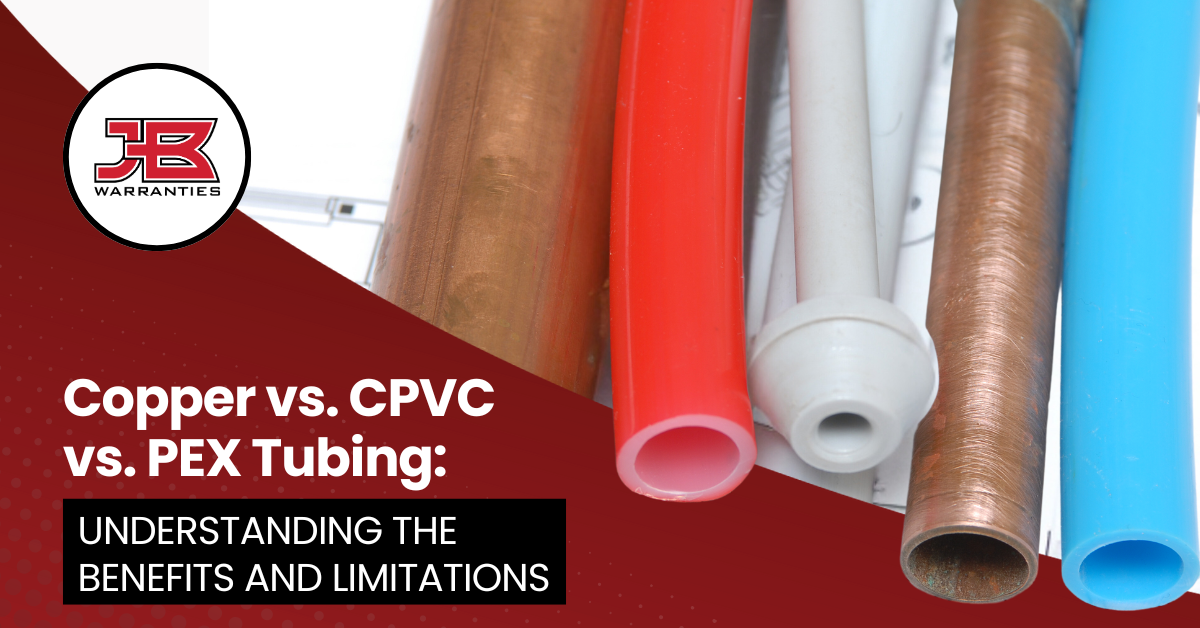
PEX tubing explained
- PEX stands for cross-linked polyethylene. It comes in types like PEX-A, PEX-B, and PEX-C, which differ by manufacturing method.
- PEX is flexible, resists scale buildup, and is usually joined with crimp, clamp, or push-fit fittings.
- PEX can expand slightly, which helps resist freezing damage.
Copper pipe basics
- Copper pipe comes in grades K, L, and M, indicating wall thickness and pressure tolerance.
- Connections use soldering (sweat), compression, or push-fit fittings.
- Copper carries heat well and withstands higher temperatures than most plastics.
Comparing the two
- PEX shines where flexibility and speedy installs matter.
- Copper shines where heat resistance, long-term proven performance, and certain building codes require metal.

Performance: durability, lifespan, and reliability
Lifespan and durability
- Copper pipes can last 50 years or more in many conditions when water chemistry is normal.
- PEX is rated for 25 to 50 years depending on brand and installation quality.
- Hard water and acidic conditions can shorten copper life due to corrosion. PEX resists corrosion but can be damaged by sunlight and some chemicals.
Freeze resistance
- PEX expands when frozen and returns to shape after thawing, reducing bursting risk.
- Copper is rigid and more likely to split if water inside freezes.
Pressure and temperature limits
- PEX typically handles standard residential pressures and hot water up to around 180°F for short periods.
- Copper withstands higher continuous temperatures and may be preferred near boilers and water heaters.
When thinking about pex tubing vs copper pipe, match the material to your climate and water quality. If you have freeze risk, PEX can reduce emergency repairs. If you need maximum heat resistance, copper remains strong.

Installation: tools, labor, and time
PEX installation highlights
- PEX installs faster. It bends around structures and needs fewer fittings.
- Tools needed: crimp or clamp tool, PEX cutter, and sometimes a heat fusion tool for PEX-A.
- Manifold systems work well with PEX for individualized supply lines.
Copper installation highlights
- Copper requires cutting, cleaning, and soldering or using compression fittings.
- Tools needed: tubing cutter, torch for sweat joints, and pipe benders.
- Labor time is typically higher for a copper install, increasing cost.
Typical labor and cost differences
- PEX material cost is usually lower per foot than copper. Labor savings can be substantial.
- Copper material is more expensive and costs rise further due to skilled soldering labor.
Practical tip from experience
- For reroutes behind drywall, PEX often cuts the job time in half. For exposed or high-heat runs, I’ve preferred copper for peace of mind.
Cost comparison and budget planning
Breakdown of costs
- Material costs vary by region and brand. PEX commonly costs less per foot than copper.
- Labor is a big driver. Copper soldering takes skill and time. PEX is faster to install.
Typical price ranges (approximate)
- PEX tubing material: lower cost per foot; whole-house repipe materials are often 30–50% cheaper than copper.
- Copper pipe material: higher per foot; whole-house repipe materials can be significantly costlier.
- Total install cost depends on home size, accessibility, and local labor rates.
Cost-saving tips
- Use PEX manifolds to reduce line length and fittings.
- For copper in tight spaces, combine copper in exposed areas with PEX where concealed, if code allows.
When deciding pex tubing vs copper pipe, budget and labor skill often determine the practical choice.

Water quality, health, and safety
Taste and leaching
- New PEX can impart a slight plastic smell when first used, which usually dissipates after flushing and continued use.
- Copper can add a metallic taste if plumbing is new or if water is acidic and causes leaching.
Health and safety concerns
- PEX has been tested for drinking water safety and is approved by many plumbing codes. Ensure you use certified PEX for potable water.
- Copper is naturally antimicrobial and has a long history of safe use in drinking water systems.
Code and insurance
- Many codes allow PEX, but some jurisdictions restrict types or locations of use.
- Check local building code and insurance requirements before choosing.
Personal note
- I always verify local code and use certified materials. In one remodel, switching to certified PEX solved recurring pinhole copper leaks and reduced complaints about metallic taste.

Maintenance and repairs
Routine maintenance
- Both systems require minimal routine maintenance.
- Check fittings and visible joints for leaks periodically.
Repair differences
- PEX repairs are often quicker. Push-fit or clamp fittings make fixes simple.
- Copper repairs may require soldering or replacement of sections. Repairs can be more labor-intensive.
Common mistakes to avoid
- Cutting PEX too short without leaving slack for movement causes stress at fittings.
- Using improper flux or contaminated joints can cause poor copper soldering and leaks.
- Leaving PEX exposed to sunlight degrades the tubing over time.
Environmental impact and sustainability
Material production and recyclability
- Copper is a mined metal and requires energy to extract and refine, but it is highly recyclable.
- PEX is plastic derived from petrochemicals. Recycling options are limited and vary by locality.
Longevity and waste
- Longer copper lifespan can mean less frequent replacement in some conditions.
- PEX reduces installation waste and may lower transportation emissions due to lighter weight.
Choosing greener options
- If recyclability matters most, copper scores higher.
- If energy efficiency in installation and reduced leaks matter, PEX can be advantageous.

Real-world examples and lessons learned
Example 1: Older home repipe
- Problem: Repeated pinhole leaks in old copper with acidic water.
- Solution: Replaced interior runs with PEX and installed a neutralizing filter.
- Outcome: Leaks stopped, labor was shorter, and homeowner savings were immediate.
Example 2: Kitchen remodel
- Problem: Tight crawlspace and many bends.
- Solution: Used PEX with a home-run manifold system.
- Outcome: Fewer fittings, faster install, and more balanced water flow at fixtures.
Lessons learned
- Always test water chemistry before choosing copper.
- Protect PEX from UV and rodent exposure.
- Choose the right fittings and follow manufacturer instructions for either system.
Frequently Asked Questions of pex tubing vs copper pipe
Is PEX as reliable as copper?
PEX is reliable for most residential uses and is approved in many building codes. Copper remains more heat-tolerant and historically proven in many settings.
Which costs less: PEX tubing vs copper pipe?
PEX typically costs less in materials and labor, making it more budget-friendly for repipes and new builds. Copper has higher upfront material and installation costs.
Can I use PEX with a water heater?
Yes, you can use PEX for hot water lines but verify temperature ratings. For very high-temperature zones, copper may be preferred near boilers and commercial equipment.
Does PEX affect water taste or safety?
New PEX may produce a mild plastic smell initially that fades after flushing and use. Certified PEX products meet standards for potable water and are considered safe when installed correctly.
Will PEX freeze and burst in cold climates?
PEX expands when frozen, which reduces bursting risk compared with copper. Insulation and proper routing are still important to prevent freezing.
Can copper corrode in my house?
Copper can corrode if water is acidic or contains high chloride levels. Testing water chemistry helps decide whether copper is appropriate.
Are PEX fittings as durable as copper joints?
Modern PEX fittings are very durable when installed correctly. Copper solder joints are also durable but require skilled installation for long-term reliability.
Conclusion
Choosing between pex tubing vs copper pipe comes down to priorities: budget, climate, water chemistry, and long-term expectations. PEX wins for fast installs, flexibility, and lower upfront cost. Copper wins for heat tolerance, proven longevity, and recyclability. I recommend testing water chemistry, checking local code, and weighing labor costs before deciding. If you want faster installs and lower cost, choose PEX; if you need maximum heat resistance and proven metal piping, choose copper. Try a mixed approach when appropriate, and always use certified materials and skilled installers. Share your project details or questions below, subscribe for more plumbing guides, or leave a comment with your experience.