Copper wire generally outperforms aluminum wire for conductivity and durability, but costs more upfront.
I have spent years specifying and installing building wiring and utility lines. I know the trade-offs between copper wire vs aluminum wire from field work, testing, and code reviews. This article breaks down the differences clearly. You will learn practical pros and cons, cost and safety issues, real-world performance, and how to choose the best wire for your job or home. Read on to make a confident, informed decision about copper wire vs aluminum wire.
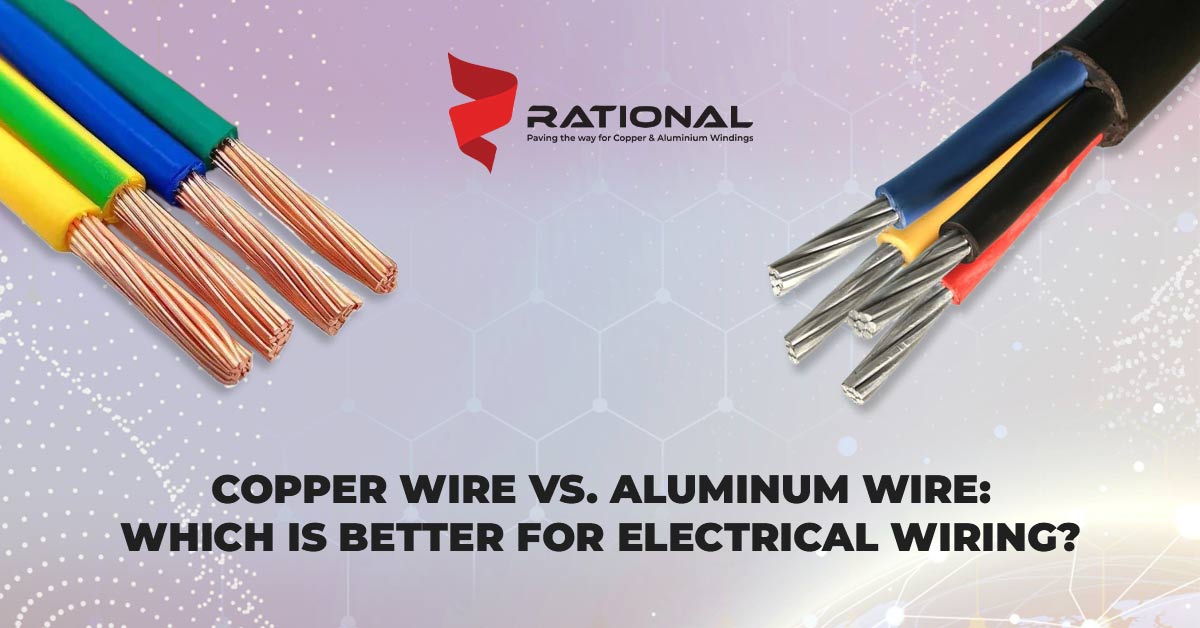
Why compare copper wire vs aluminum wire?
Choosing the wrong conductor can raise bills, cause failures, or create hazards. Copper wire vs aluminum wire matters for homes, service drops, and industrial systems. Both metals carry current. But they behave very differently under load, heat, and age.
Key reasons to compare:
- Safety and code compliance affect liabilities.
- Long-term cost includes repairs and energy loss.
- Practical issues include connectors, terminations, and size.
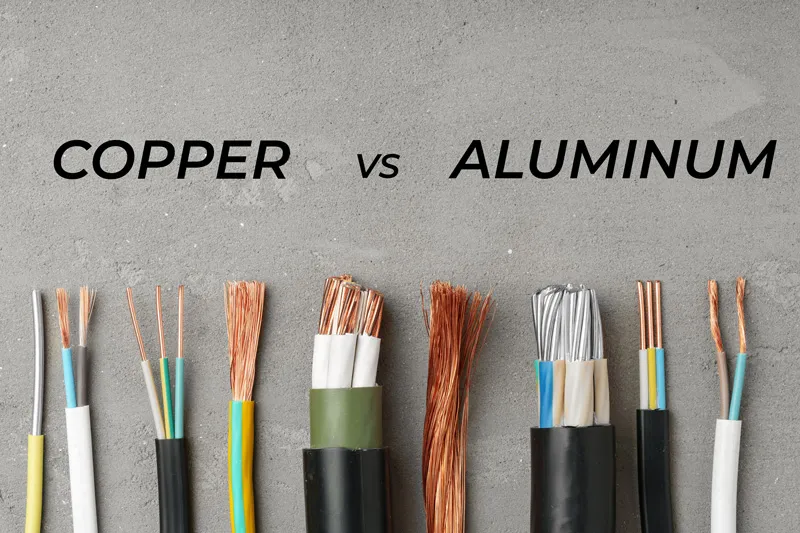
Source: ngoclancable.com
Electrical and physical properties
Understanding basic properties helps you predict real use.
Conductivity and resistance
- Copper has higher conductivity than aluminum. This means less energy loss for the same size.
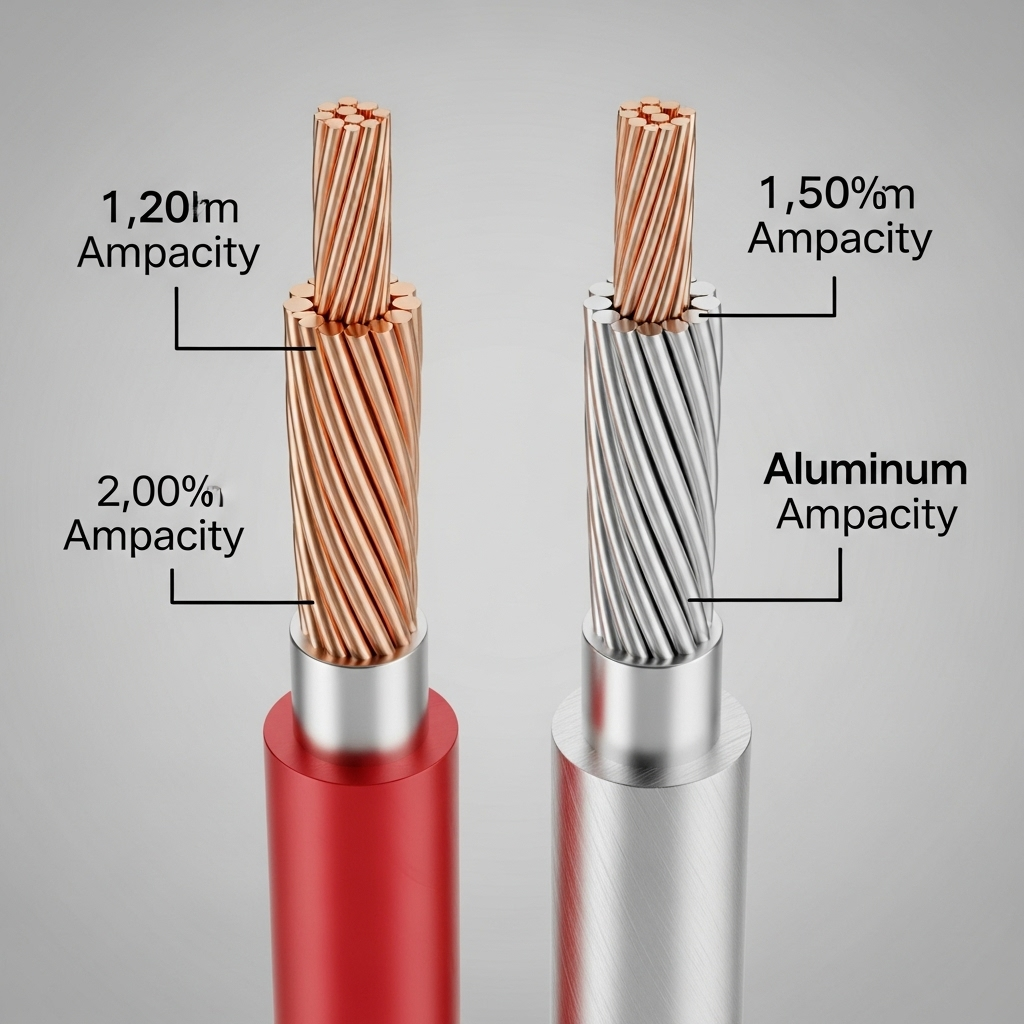
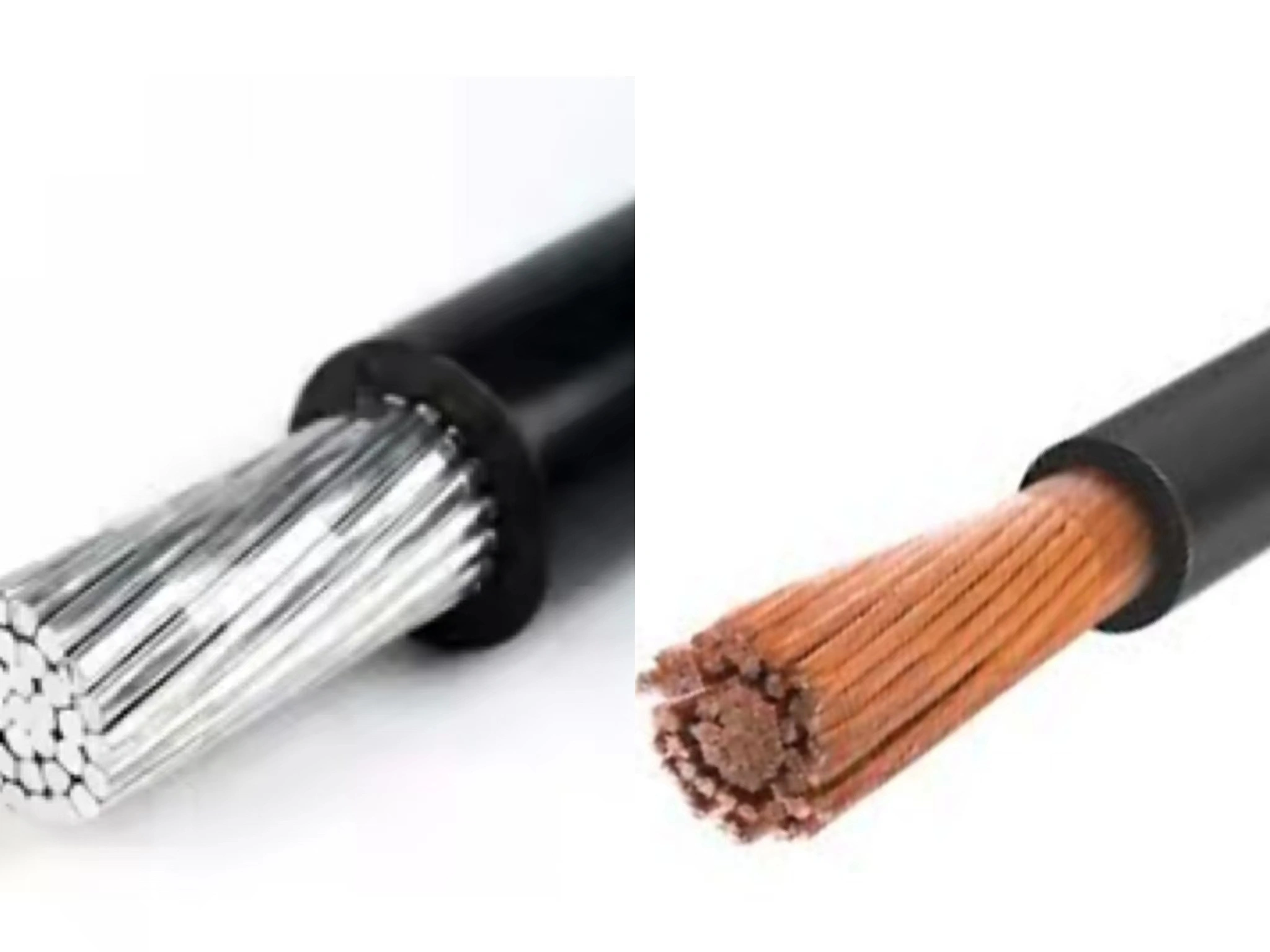
- Aluminum has about 61% of copper’s conductivity. So you need a larger aluminum conductor to match copper.
Weight and density
- Aluminum is lighter. That helps for long runs and overhead lines.
- Lighter wire reduces support costs but may need larger bolts and clamps.
Thermal behavior
- Aluminum expands and contracts more with temperature changes.
- Repeated thermal cycling can loosen terminations if not handled properly.
Mechanical strength
- Copper is stronger and more flexible at small sizes.
- Aluminum becomes more brittle when work-hardened and can crack with repeated bending.
Practical note from my experience: on long service drops, aluminum made the install easier. For inside branch circuits, copper felt safer and lasted longer.

Cost, sizing, and installation differences
Cost is often the deciding factor. But size and labor change the equation.
Material cost
- Aluminum costs less per foot. This saves on material for long spans.
- Copper costs more up front.
Conductor sizing
- To carry the same current, aluminum conductors must be larger. That raises material and labor costs a bit.
- Code tables typically require upsizing aluminum compared to copper for the same ampacity.
Labor and connector costs
- Aluminum needs special connectors and antioxidant compounds.
- Termination work often takes longer for aluminum because of torque and anti-oxidation steps.
- Poor terminations on aluminum can lead to failures and repairs.
Hidden cost example: I once saved on cable by using aluminum for a long feeder. Rework due to poor clamps nearly erased the savings. Proper installation is key.
Safety, corrosion, and durability
Safety drives codes and best practice. Know the failure modes.
Oxidation and corrosion
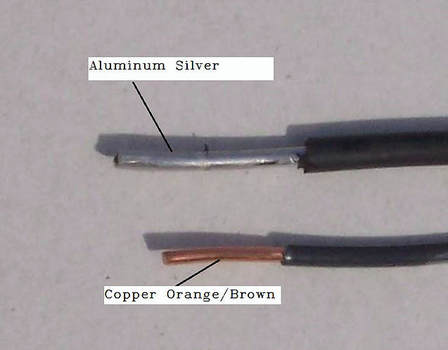
- Aluminum forms a white oxide that is non-conductive. This can increase resistance at joints.
- Copper forms a conductive oxide layer less likely to harm connections.
Creep and loosening
- Aluminum exhibits creep. Under constant pressure, it deforms slowly.
- Creep makes terminations loosen over years if not re-torqued or properly installed.
Fire risk and overheating
- Higher resistance and poor connections can cause localized heating.
- Copper’s lower resistance reduces this risk when both are installed correctly.
Codes and mitigation
- Modern codes allow aluminum for service conductors and feeders when proper materials and methods are used.
- Use connectors rated for aluminum. Use anti-oxidant paste where required. Follow torque specs.
From hands-on work: I rechecked many aluminum terminations left by others. Tightening and replacing old connectors prevented hotspots.
Typical applications and industry standards
Different tasks favor different metals.
Common uses for aluminum
- Overhead service drops and long utility spans.
- Large feeders where weight savings matter.
- Some industrial feeders where cost is critical.
Common uses for copper
- Indoor branch circuits and final terminations.
- Short runs where space and flexibility matter.
- Sensitive equipment or where high reliability is needed.
Standards and approvals
- Building and electrical codes set ampacity and connection rules.
- Many manufacturers offer AL-CU rated connectors suited for copper to aluminum transitions.
Example trade practice: Utilities use aluminum for long runs. Electricians prefer copper for indoor final wiring.
Environmental impact and recycling
Consider life-cycle and sustainability.
Recycling and resource use
- Both metals are recyclable. Aluminum recycling uses far less energy than primary production.
- Copper recycling also saves energy, but copper mining has higher environmental costs per unit.
Longevity and waste
- Copper systems often last longer with fewer repairs.
- Aluminum systems may need earlier maintenance or replacement if not installed correctly.
Sustainability tip: If sourcing recycled metal is possible, aluminum has a strong energy advantage. Copper remains highly recyclable and durable.

How to choose: practical checklist
Use this checklist when deciding between copper wire vs aluminum wire.
Assess load and distance
- Choose copper for short, critical runs.
- Consider aluminum for long runs where weight matters.
Check code and inspector preferences
- Confirm local code allowances for aluminum on feeders.
- Ask inspectors about preferred connectors and installation practices.
Factor total cost
- Include wire size increase, special connectors, and labor for aluminum.
- Compare lifecycle costs, not only sticker price.
Plan for maintenance
- If choosing aluminum, schedule periodic inspection of terminations.
- Use anti-oxidant paste and correct torquing for aluminum terminations.
My rule of thumb from field work: pick aluminum for long external feeders and copper for indoor circuits and critical panels.
Common quick questions (PAA-style)
Will aluminum wire save me money?
- Yes, material cost is lower. But you must add larger size and special connectors. Net savings depend on the project.
Is aluminum safe for home wiring?
- Yes, when installed per code with proper connectors and torque. Poor installation raises risk.
Do aluminum wires corrode faster than copper?
- Aluminum oxidizes more readily and forms non-conductive oxide. Proper connectors and paste prevent problems.
Can I mix copper and aluminum wiring?
- You can mix them using approved AL-CU rated connectors. Direct contact without proper connectors is a hazard.
How much larger must aluminum be?
- Typical tables show aluminum needs about 1.6 times the cross-sectional area, but follow local ampacity charts.

Source: com.au
Personal insights, mistakes to avoid, and practical tips
I have wired homes and worked with utilities. These lessons come from real jobs.
Lessons learned
- Never assume the same connector works for both metals.
- Always follow torque specs. Loose clamps are the main cause of failures.
- Use anti-oxidant compounds on aluminum terminations when required.
Mistakes to avoid
- Skipping upsizing for aluminum feeders.
- Using copper-rated lugs on aluminum without AL-CU rating.
- Ignoring periodic checks on older aluminum installations.
Practical tips
- Label aluminum feeders to remind future technicians.
- Keep a small kit of AL-CU connectors and anti-oxidant paste on the truck.
- If in doubt, use copper for short runs and sensitive loads.
Frequently Asked Questions of copper wire vs aluminum wire
Which is better: copper wire vs aluminum wire for home wiring?
Copper is generally better for branch circuits due to higher conductivity and durability. Aluminum is acceptable for larger feeders if installed correctly.
How much larger should aluminum wire be compared to copper?
Aluminum conductors typically need a larger cross-sectional area to match copper ampacity; consult ampacity tables. Exact sizes depend on conductor type and installation conditions.
Are aluminum wire connections more likely to fail?
They can be if not properly installed. Use AL-rated connectors, anti-oxidant paste, and correct torque to reduce failure risk.
Can I replace aluminum wire with copper easily?
Yes, but it often requires upsizing service equipment and connectors. Professional assessment and permit work are usually needed.
Do electrical codes allow aluminum wiring?
Many codes permit aluminum for specific uses like service feeders and overhead lines when proper materials and methods are used. Check local code requirements.
Will aluminum wire save on energy bills?
Aluminum has higher resistance, which can cause slightly higher losses if not sized properly. Properly sized aluminum will perform well, but copper is more efficient per size.
What maintenance does aluminum wiring need?
Periodic inspection of terminations and torque checks help. Re-tightening or replacing aged connectors prevents hotspots.
Conclusion
Choosing between copper wire vs aluminum wire comes down to the application, budget, and long-term goals. Copper wins for conductivity, flexibility, and low maintenance. Aluminum wins for weight and lower initial material cost on long runs. My advice: weigh total lifecycle cost, follow code, use correct connectors, and plan for maintenance if you choose aluminum. Make a choice that fits your project and safety needs. Share your project details or questions below, subscribe for more guides, or leave a comment about your experience with copper wire vs aluminum wire.