Corded wins for raw power; cordless wins for freedom and on-site convenience every time.
I’ve used both corded angle grinder vs cordless angle grinder for years on jobs and DIY projects. I’ll walk you through clear differences, real-world trade-offs, and how to pick the right tool for your work. You’ll get practical tips, safety notes, and buying advice based on hands-on experience and industry knowledge. Read on to make a smart choice between corded angle grinder vs cordless angle grinder.

Key differences at a glance
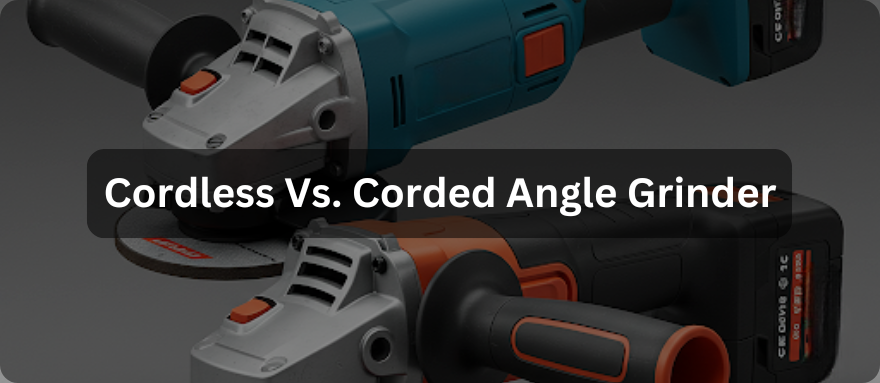
A corded angle grinder vs cordless angle grinder differ mainly in power source, run time, and mobility. Corded models deliver constant power through an outlet. Cordless models run on batteries and offer freedom to move. Choose corded for heavy cuts and long sessions. Choose cordless for quick jobs and remote sites.
What is a corded angle grinder and what is a cordless angle grinder?
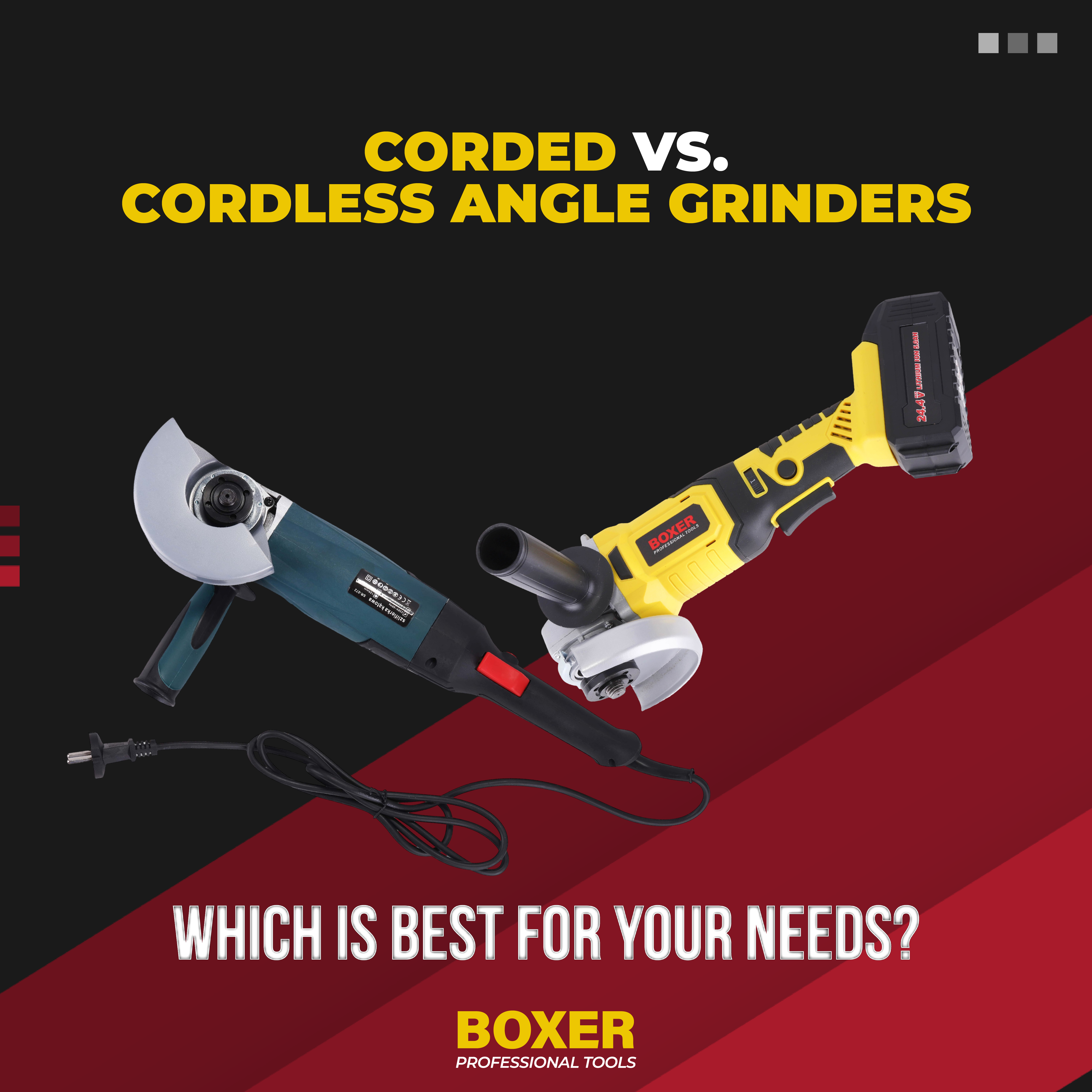
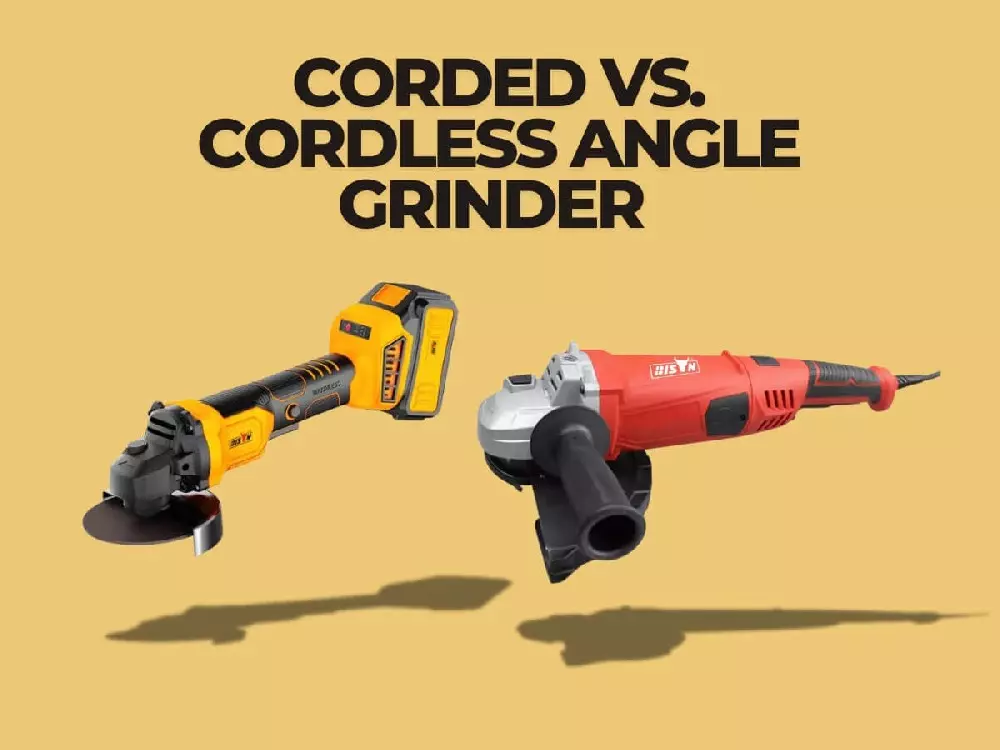
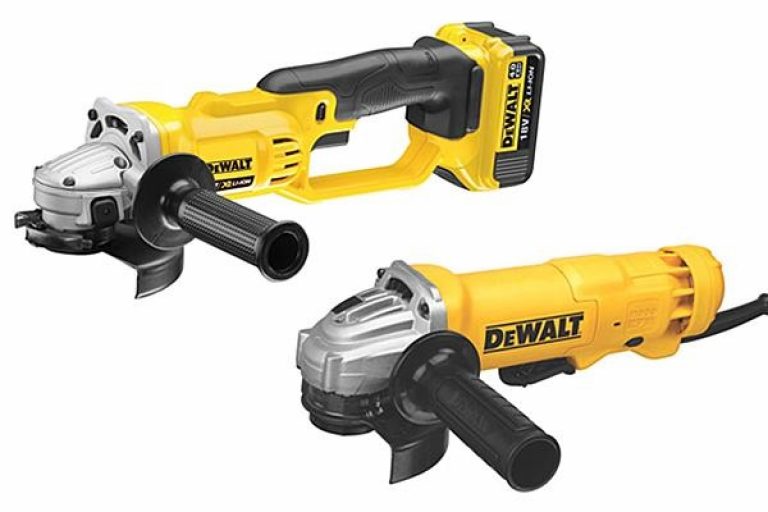
A corded angle grinder is a handheld power tool that plugs into mains power. It gives steady torque and high RPM for cutting, grinding, and polishing. A cordless angle grinder uses a rechargeable battery pack. It trades wired power for portability and ease of use on jobs without outlets.
- Corded angle grinder vs cordless angle grinder: corded units rely on outlet power while cordless units depend on battery capacity.
- Typical corded power ranges from 500W to 2,000W depending on model and disc size.
- Cordless models use lithium-ion batteries at voltages like 18V, 20V, or 36V and vary by amp-hours.
Source: onevantool.com
Power and performance
Power matters for tough tasks. Corded tools usually deliver more wattage. They keep constant speed under load. That makes corded units ideal for heavy metal cutting, masonry, and long grinding sessions.
Cordless grinders have improved a lot. High-voltage battery packs now match many tasks. But battery drain and thermal cut-off can limit long, continuous work.
- When to prefer corded:
- Long cuts, thick metal, brick, or masonry.
- Jobs that need steady RPM and torque.
- When to prefer cordless:
- Light to medium metalwork.
- On-site jobs without power access.
- Quick fixes and portable sanding.
Source: bisongenerator.com
Runtime and battery management
Batteries change the workflow. With cordless, runtime depends on battery size and load. A single 4.0 Ah battery may run 20–40 minutes under heavy load. Swapping batteries or carrying spares extends work.
Corded grinders eliminate runtime worry. You can work as long as needed. No battery replacements. No drop in power over time.
- Tips for cordless battery care:
- Use matched brand batteries for best performance.
- Rotate charged batteries to avoid downtime.
- Let batteries cool between heavy cuts to prevent overheating.

Source: youtube.com
Portability and convenience
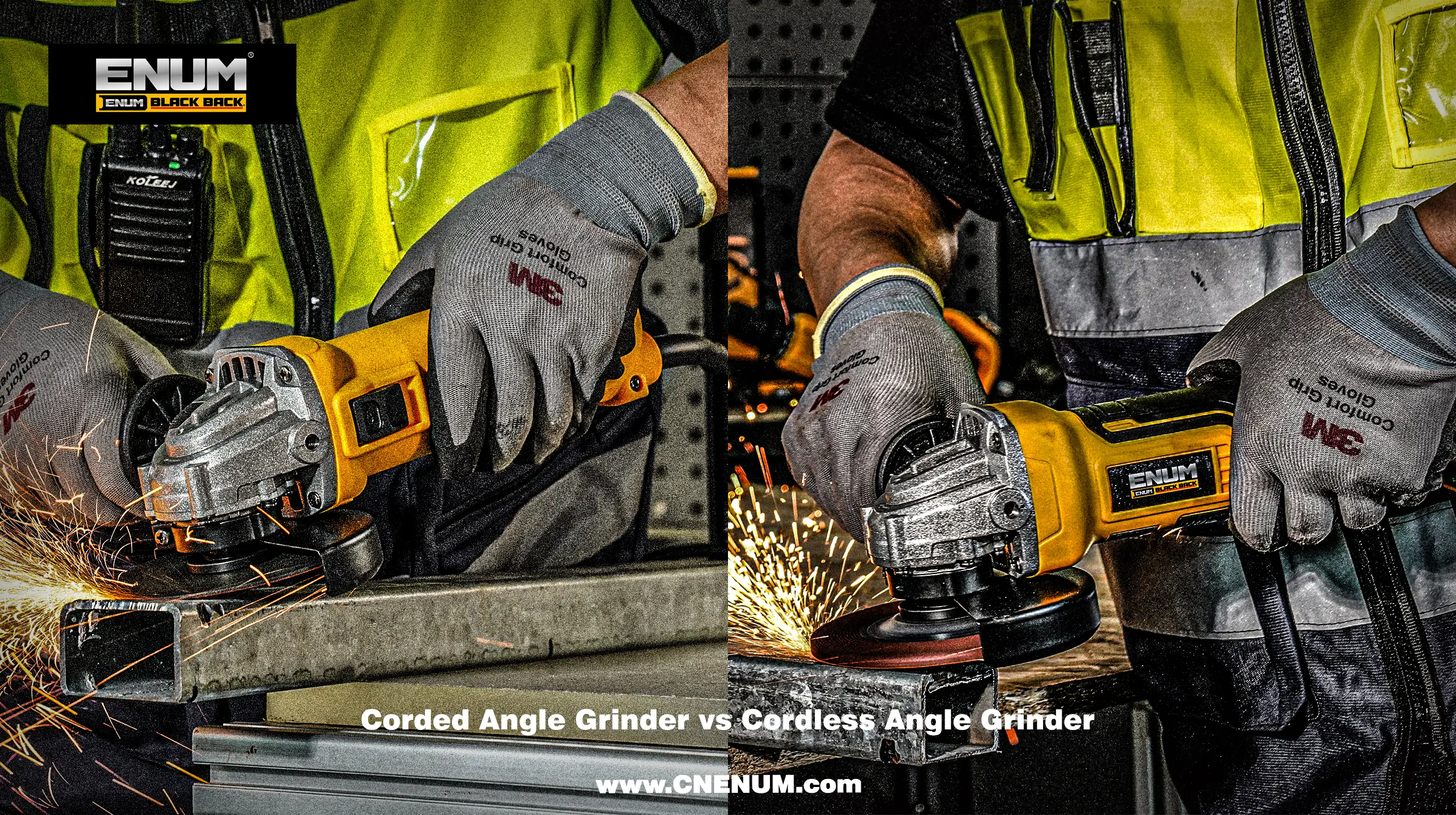
Mobility is the cordless grinder’s chief advantage. No cord means easier maneuvering in tight spaces and on ladders. It also reduces trip hazards and the need for extension cords.
Corded grinders need power access and a safe cable setup. They can be limiting on remote sites but are fine in workshops and garages.
- Practical scenarios:
- Outdoor fence repair: cordless wins.
- Automotive work in a shop with outlets: corded often preferred.
Source: cnenum.com
Cost and long-term value
Initial price:
- Corded grinders tend to be cheaper upfront for similar performance.
- Cordless grinders cost more when you factor in batteries and chargers.
Long-term cost:
- Batteries wear out and need replacement every few years depending on use.
- Corded tools rarely need power-system replacement.
Total cost analysis should include: tool, battery packs, chargers, and expected battery replacements. For heavy daily use, corded often costs less over time. For occasional users, cordless can be worth the convenience despite higher entry cost.
Safety and ergonomics
Both types require safe handling. Grinders spin fast and can kick back.
- Safety practices that apply to both:
- Wear eye protection, gloves, and hearing protection.
- Use guards and the correct discs for the job.
- Keep a firm two-handed grip and steady stance.
- Differences:
- Corded tools add trip risk from cables.
- Cordless tools can suddenly stop if a battery disconnects; be aware of sudden loss of power.

Source: cnenum.com
Common use cases and best picks
Match the tool to the task.
- Heavy fabrication and long sessions:
- Choose a corded angle grinder vs cordless angle grinder for steady power.
- Mobile jobs, site repairs, or emergency cuts:
- Choose a cordless angle grinder for freedom and portability.
- Home DIY and occasional metalwork:
- A mid-range cordless often covers most needs if you have spare batteries.
- Professional shops and production:
- Corded grinders deliver predictable performance all day.

Source: onevantool.com
- Corded grinders deliver predictable performance all day.
Accessories, discs, and maintenance
Choices in discs matter as much as tool type. Use the right wheel for metal, masonry, or polishing. Replace worn brushes in corded motors when needed. For cordless, keep battery contacts clean and store batteries at moderate charge.
- Maintenance checklist:
- Clean vents and replace brushes on corded motors.
- Monitor battery health and avoid deep discharge for lithium cells.
- Tighten discs and check guard integrity regularly.
Personal experience and practical tips
I’ve used corded angle grinder vs cordless angle grinder across shop builds and job sites. On a multi-day metal rail job, the corded grinder ran clean and steady. I saved time and avoided battery swaps. On a fence repair in a backyard without power, a 20V cordless unit was a lifesaver. I kept two batteries on hand and finished the job quickly.
Lessons I learned:
- Always bring extra batteries for cordless jobs.
- Use a cord protector or cable management to avoid cuts in corded work.
- Match disc size to the grinder and job for safety and efficiency.
Buying guide — what to look for
Focus on features, not just brand.
- Power and voltage:
- For corded, look at wattage and RPM.
- For cordless, prioritize voltage and amp-hour rating.
- Disc size:
- Common sizes: 4.5-inch for versatility; 7-inch for heavy work.
- Safety features:
- Soft-start, kickback protection, and spindle lock are useful.
- Ergonomics:
- Weight, grip comfort, and switch placement matter on long jobs.
- Price vs total cost:
- Include battery and charger costs for cordless purchases.
Environmental and practical considerations
Batteries have environmental impacts. Recycle old batteries properly. Corded tools use grid electricity, which may have lower immediate waste but rely on wired power.
Practical note: noise and dust control are important in either case. Use dust shrouds when sanding and pick quieter models if noise matters for your site.
PAA-style questions (short answers)
What is better for heavy metal cutting: corded or cordless?
Corded is better for heavy cuts because it keeps steady high power and torque.
How long do cordless grinder batteries last under load?
Expect 20–40 minutes under heavy use on a mid-sized battery; real runtime varies by battery and task.
Can a cordless grinder match corded performance?
High-voltage batteries can approach corded performance for short bursts, but sustained power still favors corded units.
Frequently Asked Questions of corded angle grinder vs cordless angle grinder
Which is more powerful: corded or cordless angle grinder?
Corded angle grinders usually offer more continuous power and higher torque. Cordless models can be powerful but often fall short during long, heavy tasks.
Is a cordless angle grinder good for professional use?
Yes, many pros use cordless grinders for mobility and quick jobs. For full-day heavy work, pros often prefer corded models for steady output.
How do I choose the right disc for each grinder?
Match disc type to material and grinder RPM rating. Use metal cutting discs for steel and masonry discs for concrete. Always follow the tool’s disc size limits.
How long will batteries last on a cordless grinder?
Battery life varies by voltage, amp-hour, and workload. Expect shorter runtimes under heavy load and longer runtimes for light tasks.
Are corded grinders safer than cordless ones?
Safety depends on use. Corded grinders avoid sudden battery loss but add trip hazards from cords. Proper safety gear and technique are the key factors.
Conclusion
You can’t go wrong if you match the tool to the task. Choose a corded angle grinder vs cordless angle grinder when you need nonstop power and long runtime. Choose a cordless angle grinder when portability, quick setup, and access-free work matter most. Think about job type, budget, and how often you’ll use the tool. Try both styles on small projects to find what feels best. Share your experience, ask questions, or subscribe for deeper gear guides to help you pick the right grinder for your next project.