A refrigerant recovery machine actively removes refrigerant; a recovery cylinder only stores it safely.
If you work in HVAC or refrigeration, the choice between a refrigerant recovery machine vs recovery cylinder matters more than most people think. I’ve seen jobs slow down, compliance issues pop up, and good refrigerant get wasted simply because the wrong tool was used at the wrong time. In this guide, I’ll walk you through the real differences, when each one makes sense, and how to choose the right setup for safe, legal, and efficient refrigerant recovery.
What a refrigerant recovery machine does
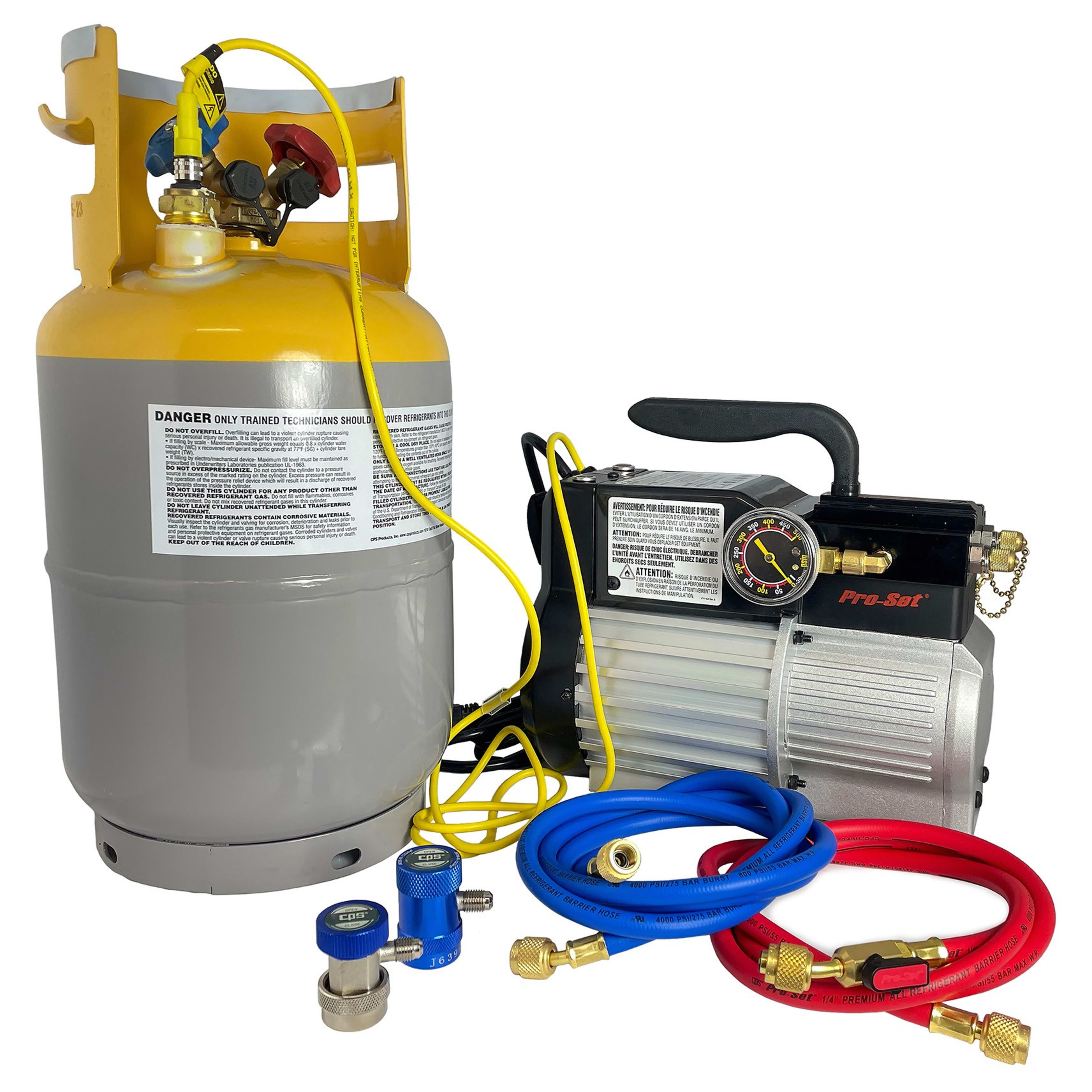
A refrigerant recovery machine is the tool that pulls refrigerant out of a system and moves it into a recovery cylinder. Think of it like a pump with a job to do. It creates the pressure difference needed to move refrigerant quickly and safely.
In real work, this matters a lot. A recovery machine can handle many service situations faster than passive methods. It is especially useful when the system has low pressure, mixed refrigerants, or a lot of refrigerant to remove.
Here are the main things a recovery machine is used for:
• Removing refrigerant from an appliance before repair or disposal
• Speeding up recovery on larger systems
• Helping meet EPA Section 608 requirements for safe refrigerant handling
• Reducing the chance of venting or leaving refrigerant behind
• Supporting liquid and vapor recovery, depending on the setup
From my own experience, the biggest mistake new techs make is assuming the machine alone does the whole job. It does not. The machine is only part of the process. The rest depends on the hoses, cylinder condition, system pressure, and the operator’s setup.

What a recovery cylinder does
A recovery cylinder is a DOT-approved container made to hold recovered refrigerant. It does not remove refrigerant on its own. Its job is storage, not pumping.
That sounds simple, but it is where a lot of confusion starts. People sometimes think a recovery cylinder can replace a machine. It cannot. Without a recovery machine or another recovery method, the cylinder just sits there.
A recovery cylinder is built to handle pressure and keep the refrigerant secure until it is reused, reclaimed, or sent for proper processing. Good cylinders are designed for repeated use, but they must be inspected, labeled, and filled correctly.
Common uses include:
• Temporary storage of recovered refrigerant
• Transporting refrigerant for reclamation
• Keeping different refrigerants separated and labeled
• Holding refrigerant during service work or system teardown
One lesson I learned the hard way early on: never trust a cylinder just because it looks empty. Always check the cylinder’s fill level and tare weight. Overfilling is a safety risk and can lead to pressure problems fast.

Refrigerant recovery machine vs recovery cylinder: the core difference
The simplest way to understand refrigerant recovery machine vs recovery cylinder is this: one removes refrigerant, the other stores it.
A recovery machine is an active device. It uses power and internal components to draw refrigerant out of a system. A recovery cylinder is passive. It waits to receive refrigerant from the machine.
Here is the practical difference:
• Recovery machine: does the work
• Recovery cylinder: holds the result
That difference affects speed, safety, and workflow. If you only have a recovery cylinder, you still need a way to move refrigerant into it. If you only have a recovery machine without a cylinder, you have nowhere safe to put the recovered refrigerant.
In the field, I like to think of it like vacuuming water from a floor. The recovery machine is the vacuum. The cylinder is the bucket. You need both if you want the job done right.

How refrigerant recovery works in practice
Recovery is the process of removing refrigerant from an appliance and putting it into a container for proper handling. The exact method depends on the system type, refrigerant type, and service conditions.
A basic recovery setup usually involves:
- Connecting the recovery machine to the appliance
- Running hoses from the machine to the recovery cylinder
- Checking that the cylinder is rated for refrigerant recovery
- Watching pressure and weight during the process
- Stopping before the cylinder reaches its safe fill limit
There are a few common recovery methods too:
• Vapor recovery, which removes refrigerant as a gas
• Liquid recovery, which can be faster in some systems
• Push pull recovery, which is often used on larger systems with a lot of liquid refrigerant
The best method depends on the job. For example, liquid recovery is often much faster, but it can also be riskier if the setup is wrong. That is why training and proper equipment matter so much.
When to use a recovery machine
A recovery machine is the better choice when speed, control, and compliance matter. In most HVAC service work, it is the standard tool.
You should use a recovery machine when:
• You need to recover refrigerant from a sealed system
• The system contains a meaningful amount of refrigerant
• You need to work fast and avoid downtime
• The refrigerant must be captured instead of vented
• You are servicing air conditioners, chillers, refrigeration units, or heat pumps
Recovery machines are especially useful in commercial work. On bigger jobs, manual or passive methods are too slow and inefficient. A good machine saves time and helps reduce the chance of leaving refrigerant behind.
Still, not all machines are equal. Some are better for high-pressure refrigerants. Others are better for low-pressure or contaminated refrigerants. Always match the machine to the application.

When to use a recovery cylinder
A recovery cylinder is used whenever you need a safe place to store recovered refrigerant. It is not optional in a proper recovery setup. It is part of the system.
Use a recovery cylinder when:
• You are collecting refrigerant for reuse or reclamation
• You need a container approved for refrigerant service
• You are transferring refrigerant between stages of recovery
• You need to keep different refrigerants separated
• You want to label and track recovered refrigerant properly
The cylinder also matters for safety. Refrigerants can expand with heat and pressure. A proper cylinder reduces the risk of rupture or leakage when used correctly.
A common field mistake is using the wrong cylinder or using one with old damage, bad markings, or unknown contents. That is a bad habit. If you cannot identify what is in the cylinder, you should stop and sort it out before moving forward.
Pros and cons of a refrigerant recovery machine
A recovery machine gives you control and speed, but it also has limits.
Pros:
• Faster recovery than passive methods
• Better for large systems
• Helps with compliance and job efficiency
• Can be used in a variety of service situations
• Reduces refrigerant loss when used correctly
Cons:
• Requires power and maintenance
• Can be damaged by contamination
• Costs more than a cylinder alone
• Needs correct setup and operator skill
• May recover slowly in poor conditions if used wrong
In my experience, many techs blame the machine when the real issue is hose size, clogged filters, or a bad cylinder setup. The machine is only as good as the whole recovery chain.
Pros and cons of a recovery cylinder
A recovery cylinder is simple, reliable, and essential, but it has strict limits.
Pros:
• Safe storage for recovered refrigerant
• Durable and reusable
• Required for proper refrigerant handling
• Easy to label and transport
• Works with many recovery workflows
Cons:
• Cannot recover refrigerant by itself
• Must not be overfilled
• Needs inspection and correct labeling
• Can become unsafe if damaged or mixed improperly
• Does not speed up the recovery process on its own
The cylinder is like the lunch container in a packed workday. It does not prepare the meal, but without it, you have nowhere to put what you need to keep.
Safety and compliance considerations
Safety is one of the biggest reasons the refrigerant recovery machine vs recovery cylinder question matters. Both tools must be used correctly to avoid injury, equipment damage, and environmental harm.
Important safety points include:
• Never vent refrigerant to the atmosphere
• Use cylinders approved for the refrigerant and pressure
• Check hoses, fittings, and gauges before use
• Keep cylinders within safe fill limits
• Store cylinders away from heat and direct sun
• Label recovered refrigerant clearly
• Follow EPA Section 608 rules and local regulations
Refrigerants can displace oxygen, cause frostbite, and create high-pressure hazards. That is not fear talk. That is shop reality. The safest techs I’ve worked with are the ones who treat recovery like a serious part of the job, not a side task.
Choosing the right setup for the job
If you are deciding between a refrigerant recovery machine vs recovery cylinder, the real answer is usually both, used together. The machine removes refrigerant. The cylinder stores it.
Ask yourself these questions:
• How much refrigerant is in the system?
• Is the refrigerant clean, mixed, or contaminated?
• What pressure range are you working with?
• Is speed important on this job?
• Do you have the right cylinder rating and capacity?
A small residential unit may need a simpler setup. A commercial system or refrigeration rack may need a more robust machine and multiple cylinders. The bigger the system, the more important your recovery workflow becomes.
A practical tip: always check the cylinder weight before starting. It sounds basic, but it prevents a lot of headaches. I have seen technicians waste half an hour because they started recovery with a cylinder that was already too full.
Common mistakes to avoid
The most common mistakes in refrigerant recovery are usually easy to prevent.
• Using a recovery cylinder as if it were a recovery machine
• Overfilling the cylinder
• Not checking cylinder tare weight
• Skipping hose inspection
• Mixing refrigerants in the same cylinder
• Ignoring pressure and temperature changes
• Using damaged or unapproved containers
One of the worst habits is rushing the job. Recovery is not the place to cut corners. A few extra minutes of setup can save you from a failed recovery, a contaminated cylinder, or a safety issue later.
Refrigerant recovery machine vs recovery cylinder: which is better?
If you only look at one tool, the recovery machine is more “active” and the cylinder is more “essential.” But neither one replaces the other.
The better question is not which is better overall. It is which one does which part of the job.
• The recovery machine is better for removing refrigerant efficiently
• The recovery cylinder is better for storing recovered refrigerant safely
• The best workflow uses both together
So if you are buying equipment, start with a proper recovery machine and a matching recovery cylinder. If you already have one, make sure the other is part of your setup. That is how professionals work, and it is how you keep the job clean and compliant.
Frequently Asked Questions of refrigerant recovery machine vs recovery cylinder
Can a recovery cylinder recover refrigerant by itself?
No, a recovery cylinder cannot recover refrigerant by itself. It only stores refrigerant after it has been removed by a recovery machine or another approved method.
Is a recovery machine required for every refrigerant recovery job?
In most HVAC and refrigeration service work, yes, a recovery machine is needed. It gives you a controlled way to remove refrigerant without venting it.
How full can a recovery cylinder be?
A recovery cylinder should never be overfilled. Always follow the cylinder’s fill limit and check the tare weight before and during recovery.
Can I mix different refrigerants in one recovery cylinder?
No, mixing refrigerants is a bad practice and can make the refrigerant unusable. Keep each refrigerant properly labeled and separated.
What happens if I use the wrong cylinder?
Using the wrong cylinder can create pressure risks, damage equipment, or violate safety rules. Always use a cylinder that is rated for the refrigerant and the job.
Which is more important: the recovery machine or the recovery cylinder?
Both are important, but they do different jobs. The machine removes refrigerant, while the cylinder keeps it safely contained.
Conclusion
When you compare refrigerant recovery machine vs recovery cylinder, the answer becomes clear fast: one does the recovery work, and the other keeps that refrigerant safely contained. If you want fast, safe, and compliant service, you need both pieces working together.
The best technicians are not the ones who rush. They are the ones who set up the job right, check their gear, and respect the process. If you are building your recovery setup or improving your current one, focus on the machine, the cylinder, and the habits that keep both working properly. Take what you learned here and apply it on your next job, then keep learning from every recovery you do.

Mick Thomas
Contributor