PEX expansion tool favors flexible fittings; crimp tool favors speed and simplicity.
I have worked on dozens of plumbing jobs and taught many DIYers how to choose tools. This article explains pex expansion tool vs crimp tool with hands-on details, clear pros and cons, and real tips from the field. Read on to make the best choice for your next PEX run.
How each system works
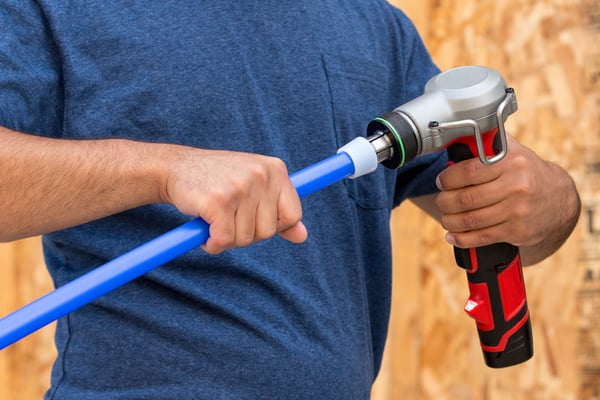
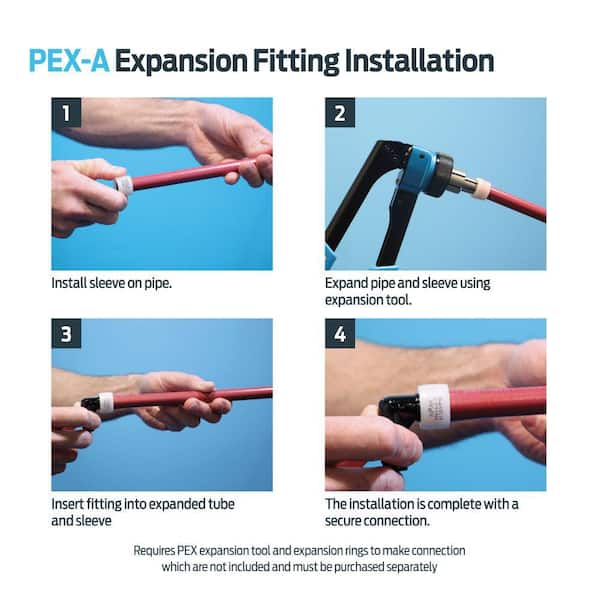
PEX expansion and crimp are two ways to join PEX tubing. The pex expansion tool vs crimp tool debate is about how the joint is made. Expansion tools enlarge the pipe end. A special fitting is inserted while the pipe is expanded. The pipe then shrinks back and grips the fitting.
Crimp tools compress a metal ring around the pipe and fitting. The ring clamps the pipe to the fitting. The joint is held by mechanical compression. Both create strong, water-tight joints when done right.
Pros and cons compared
Both methods work well in steady hands. Here are the main benefits and limits when comparing pex expansion tool vs crimp tool.
- Expansion pros
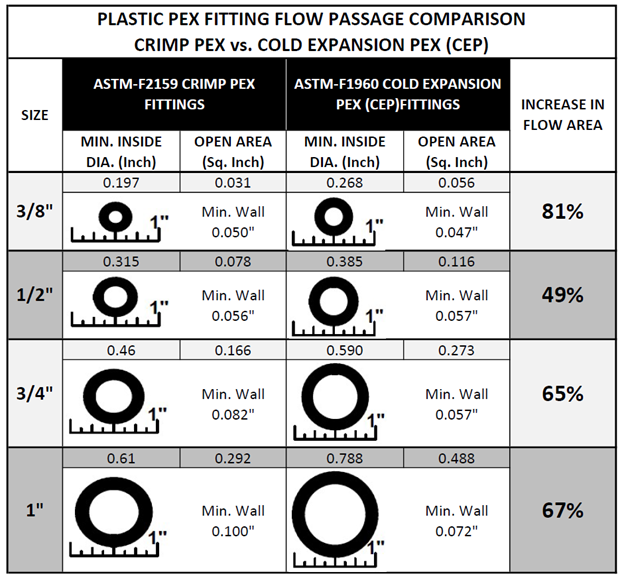
- Creates a smooth inner bore and low flow resistance.
- No metal ring left inside the line.
- Often used in tight, concealed work.
- Expansion cons
- Requires precise timing and technique.
- Expansion tools and fittings cost more.
- Learning curve for perfect joints.
- Crimp pros
- Fast to learn and fast to install.
- Tools and rings cost less up front.
- Good for quick repairs and big jobs.
- Crimp cons
- Metal ring sits on tubing, adding a small bulge.
- Poor crimps can leak if the ring is not set correctly.
- Inspection requires a gauge or visual check.
I often use expansion on new builds for the cleaner bore. For small repairs or when I need speed, I pick crimp.

Tools, fittings, and materials
Knowing what you need helps you choose. Below are common items for each system.
- For expansion
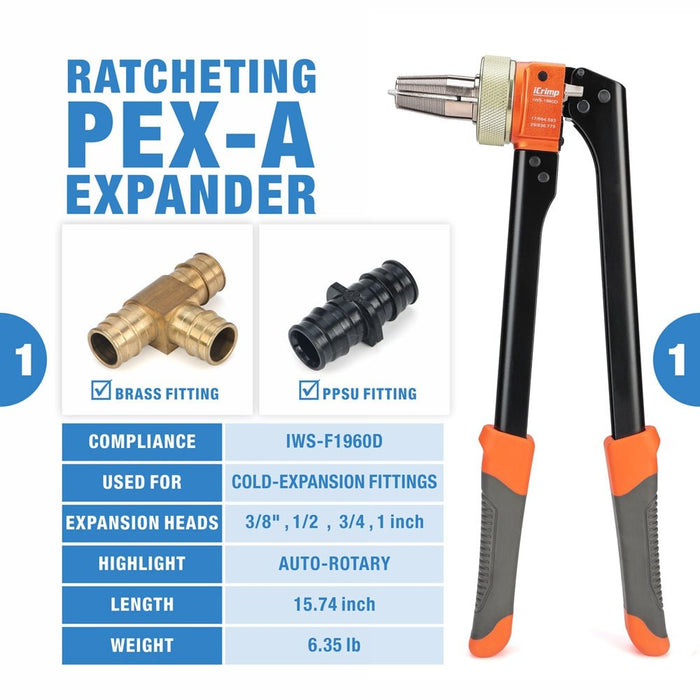
- PEX expansion tool (hand or battery).
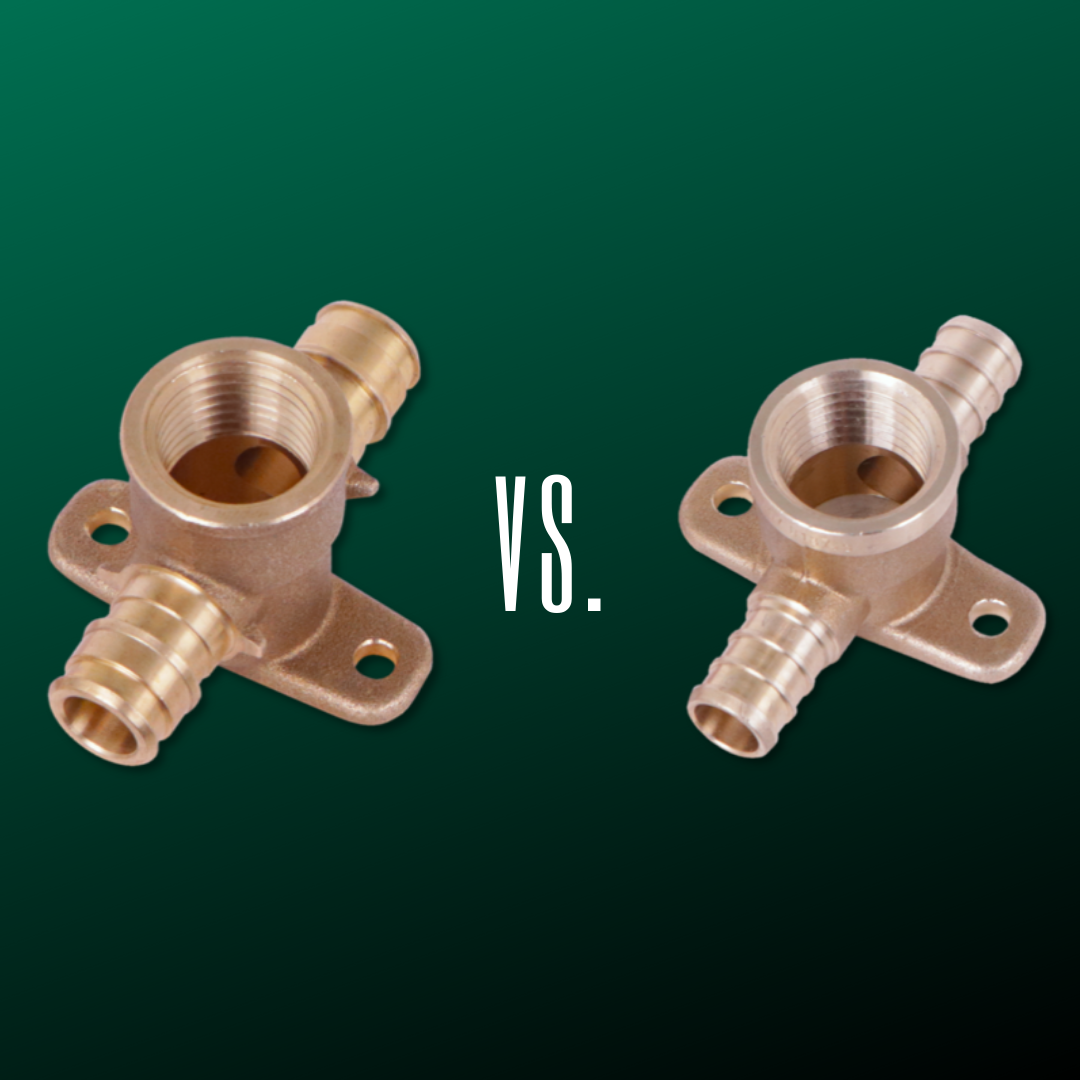
- Expansion fittings sized for the system.
- Clean, deburred tubing ends.
- For crimp
- Crimp tool or crimping pliers.
- Copper or stainless crimp rings.
- Go/no-go crimp gauge for inspection.
Both systems need PEX tubing that matches the fittings. Read the fitting maker’s instructions. Use the right ring or fitting for the tubing type. I keep a small stock of both tools. That lets me switch methods on the fly if a job needs it.
Installation steps and tips
Simple steps make secure joints. Here are clear steps for each method and tips I use on the job.
- Expansion steps
- Cut the pipe square and deburr the end.
- Use the expansion tool to enlarge the pipe evenly.
- Insert the fitting fully.
- Wait the required time for the pipe to shrink.
- Inspect the joint visually.
- Crimp steps
- Cut the pipe square and deburr the end.
- Slide the crimp ring onto the pipe.
- Push the fitting fully into the pipe.
- Seat the ring 1/8 to 1/4 inch from the fitting shoulder.
- Crimp the ring with the proper tool.
- Check with a crimp gauge.
Tips from experience
* Always cut square. A bad cut makes leaks more likely.
- Keep tools clean and jaws aligned.
- Mark your rings or fittings to track which tool made the joint.
- Pressure test the line before closing walls.

Cost, speed, and reliability
Cost and time often decide which method you pick. Here is a quick comparison centered on real-world use.
- Cost
- Expansion tools cost more. Fittings can be pricier.
- Crimp tools and rings are usually cheaper per joint.
- Speed
- Crimp is faster after you learn it.
- Expansion takes longer due to shrink time and care.
- Reliability
- Both are reliable when installed correctly.
- Human error causes most leaks, not the system itself.
From my work, crimp wins for speed and low budget. Expansion wins for a cleaner flow and fewer internal obstructions. Consider long-term finish and who will service the system later.
Common mistakes and troubleshooting
Mistakes are common for new users. These tips fix them quickly.
- Common mistakes
- Uneven cuts or burrs on the pipe.
- Wrong ring size or wrong fitting type.
- Not fully inserting the fitting.
- Crimping at the wrong spot on the ring.
- How to check and fix
- Use a square cutter and deburrer.
- Use a crimp gauge for crimp joints.
- Re-cut and redo a poor joint.
- Pressure test with water or air at recommended pressure.
If a crimp leaks, cut back and redo the joint. If an expansion joint fails to seal, remove the fitting and check for damage or dirt. Clean workspace and patience help avoid most issues.
Choosing the right system for your project
Match the method to your needs. Ask these questions to decide between pex expansion tool vs crimp tool.
- Is speed important?
- Choose crimp for fast installs.
- Is internal flow or minimal obstruction a priority?
- Choose expansion for cleaner bores.
- Is budget tight?
- Crimp usually costs less.
- Will future service be by a pro or novice?
- Choose the system that the service team knows best.
PAA-style questions
- Do expansion joints hold up long term?
- Yes. Expansion joints have long service lives when installed properly and used with compatible PEX.
- Can I mix systems on one job?
- You can mix systems in a single job if fittings and tubing are compatible and local code allows it.
From my jobs, mixing methods works well when planned. I avoid mixing in the same run unless necessary.
Frequently Asked Questions of pex expansion tool vs crimp tool
What is the main difference between pex expansion tool vs crimp tool?
The main difference is the joining method. Expansion expands the pipe to accept a fitting, while crimp compresses a ring over the pipe and fitting.
Which method is faster for a DIY project?
Crimping is generally faster and easier to learn. Expansion needs more time and care to let the pipe shrink properly.
Which system is more reliable for hidden walls?
Both are reliable when done correctly. Reliability depends more on installer skill than on whether you use a pex expansion tool vs crimp tool.
Are the tools expensive to buy and maintain?
Expansion tools usually cost more up front. Crimp tools and rings are cheaper. Maintenance for both is low if kept clean.
Can I use the same fittings with both systems?
No. Expansion and crimp systems use different fittings and rings. Use fittings designed for the chosen system to ensure a safe joint.
Conclusion
Choosing between pex expansion tool vs crimp tool comes down to budget, speed, and personal skill. Both make solid, long-lasting joints when installed correctly. Try both on a scrap piece of tubing to learn the feel. If you enjoyed this guide, try a small practice run, subscribe for more tips, or leave a comment about your experience.