Tubing cutter wins for neat, fast tube cuts; hacksaw stays useful for thicker or odd-shaped metal.
I have spent years cutting pipes on jobs and at home. I will guide you through tubing cutter vs hacksaw choices. You will learn how each tool works, when to use each, and which one saves time and money. Read on for clear, practical advice based on hands-on experience and industry best practices.
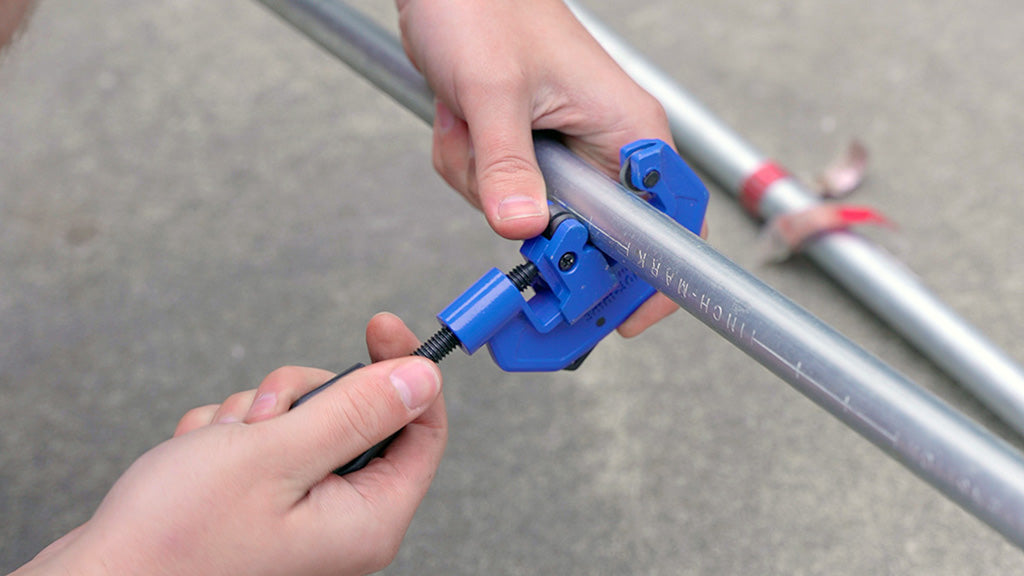
How tubing cutter vs hacksaw work
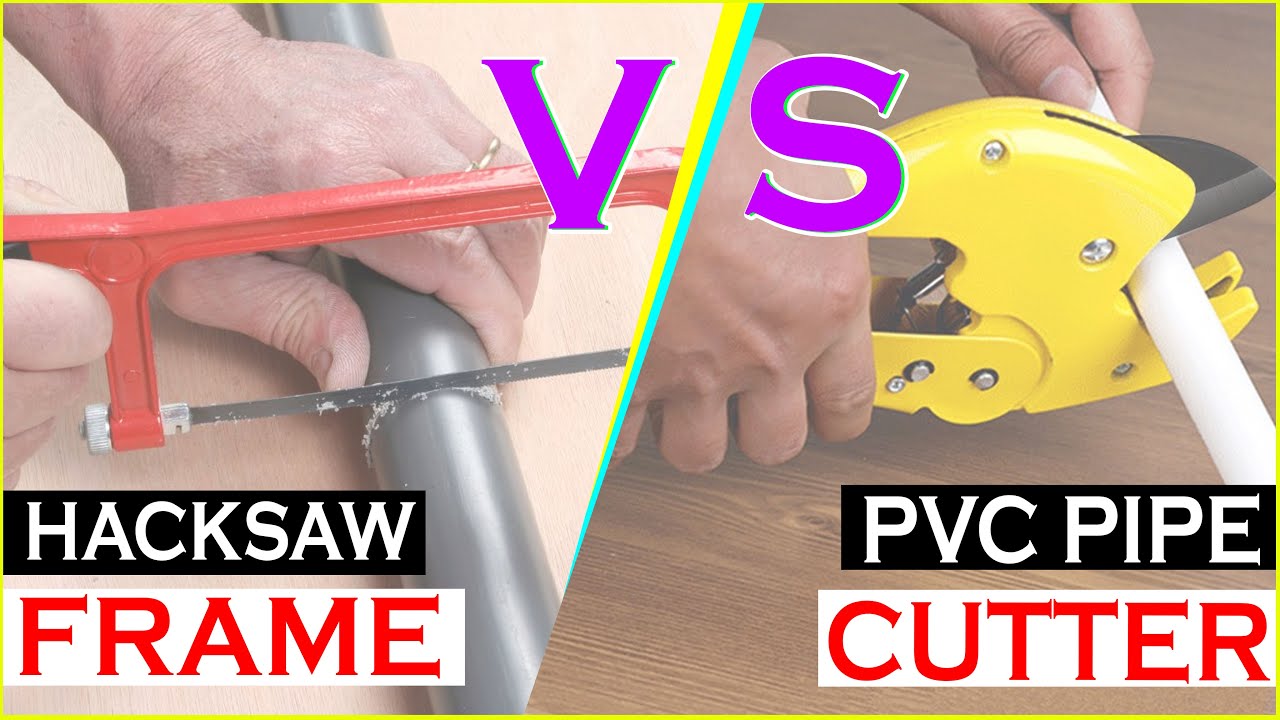
A tubing cutter is a wheel and clamp tool. You tighten it around the tube, rotate, and score until the tube parts. It makes a clean, square cut with little burr. It works best on copper, brass, and thin-walled tubing.
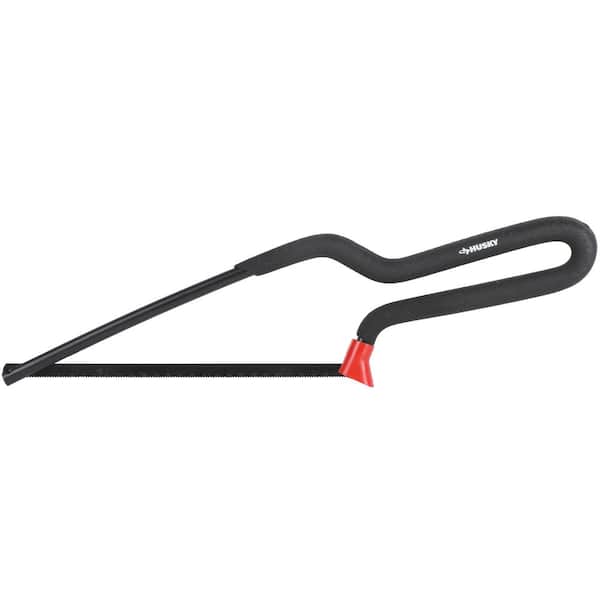
A hacksaw is a hand saw with a replaceable blade. You use a frame and push-pull strokes to cut. It can slice many metals and plastics when you pick the right blade. It is slow but flexible for odd shapes and thicker materials.
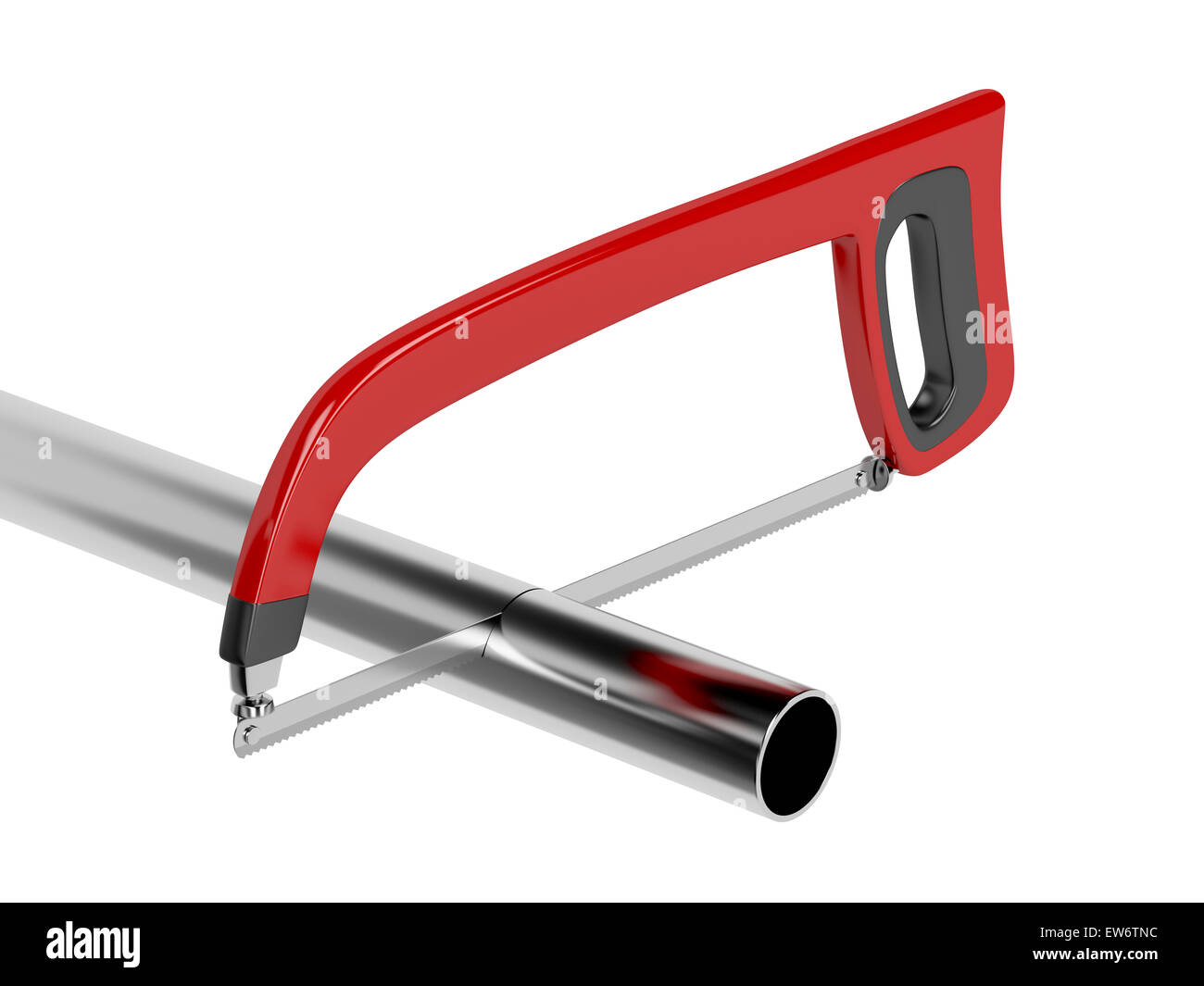
Tubing cutter vs hacksaw: side-by-side comparison
Speed and ease of use
- Tubing cutter cuts faster on small-diameter tubing and needs less finishing work.
- Hacksaw takes longer and often needs deburring and filing.
Cut quality and accuracy
- Tubing cutter gives square, smooth cuts ideal for fittings.
- Hacksaw can leave jagged edges and a slightly angled cut.
Material suitability
- Tubing cutter excels on copper, brass, and thin-walled steel tubing.
- Hacksaw cuts thick steel, stainless, plastic, and odd shapes that a cutter cannot.
Portability and setup
- Tubing cutter is compact and requires no blade changes.
- Hacksaw is simple but needs blade selection and tensioning.
Cost and maintenance
- Basic tubing cutters are affordable and last years with minimal care.
- Hacksaw frames are cheap, blades wear faster and need frequent replacement.
Safety and cleanup
- Tubing cutter creates less flying debris and fewer metal shavings.
- Hacksaw produces filings and requires eye protection and cleanup.

Source: ifanfittings.com
When to choose a tubing cutter vs hacksaw
Use a tubing cutter when:
- You are cutting copper pipes for plumbing repairs or installs.
- You need a square, leak-free joint for soldered or compression fittings.
- You work with thin-walled tubing where speed and neatness matter.
Choose a hacksaw when:
- You cut thick-walled pipe, conduit, or solid metal rods.
- The shape is irregular or the pipe is secured and a cutter won’t fit.
- You are on a budget and can tolerate more finishing work.
Common job examples
- Replacing a section of copper supply line: tubing cutter.
- Cutting threaded steel pipe or rebar: hacksaw or powered saw.
- Cutting PVC in a tight spot: tubing cutter for small tubes, hacksaw for larger pipe.
Source: youtube.com
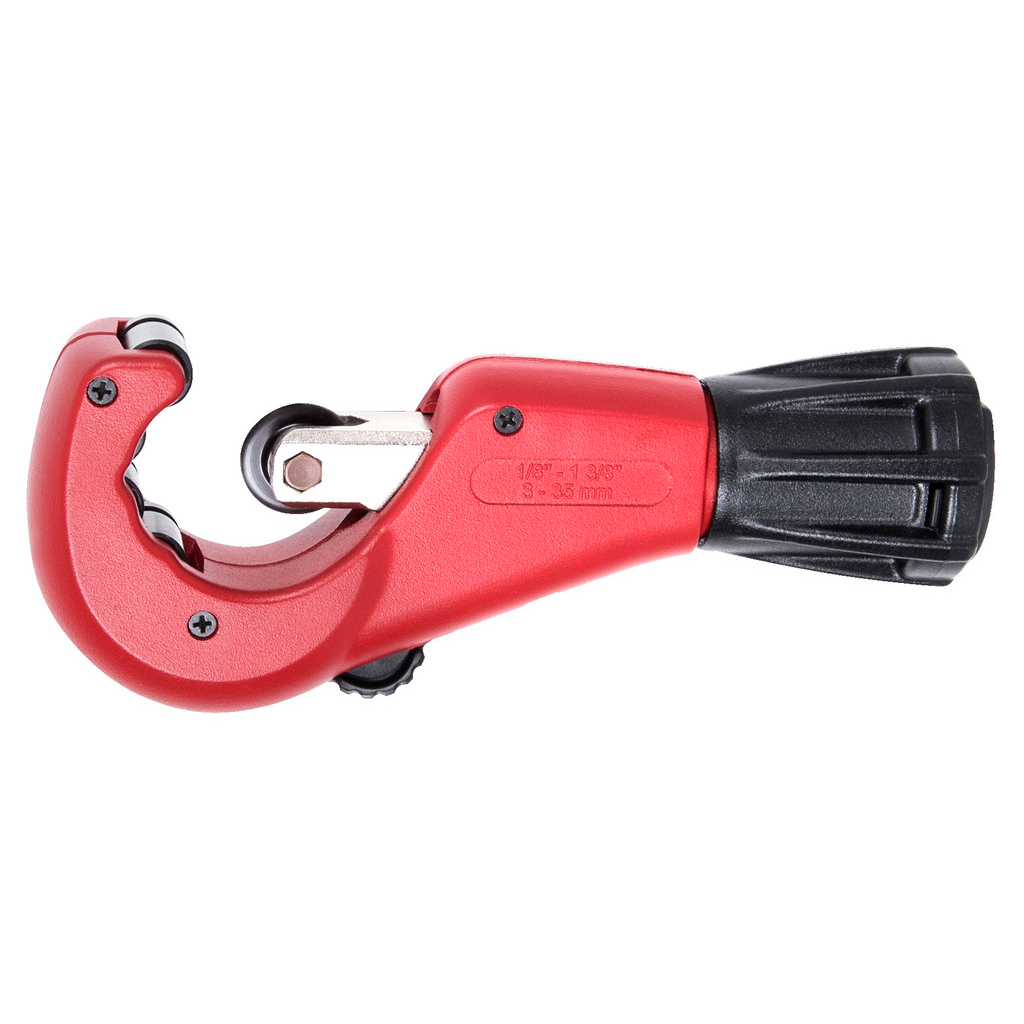
Pros and cons of a tubing cutter
Pros
- Clean, square cuts that need little finishing.
- Fast for small-diameter tubing.
- Low risk of metal shards; safer indoor use.
- Compact and easy to carry.
Cons
- Limited to round, thin-walled tubing.
- Can't cut very large diameters or solid bars.
- Some cheap cutters can crush soft tubing if over-tightened.
Source: uniorusa.com
Pros and cons of a hacksaw
Pros
- Versatile across many materials and thicknesses.
- Inexpensive and simple to use.
- Replaceable blades suit many jobs.
Cons
- Slower and more labor intensive.
- Cuts often need filing and deburring.
- Produces metal shavings and a rougher edge.
Source: youtube.com
Materials, sizes, and blade selection
Match tool to material
- Copper, brass, aluminum, thin steel: tubing cutter is best.
- Thick steel, stainless, cast iron, solid rod: choose a hacksaw or powered saw.
Hacksaw blade tips
- Use high TPI (teeth per inch) 18–32 for thin materials and finer cuts.
- Use lower TPI 6–14 for thick materials and fast stock removal.
- Select bi-metal or carbide blades for long life on hard metals.
Tubing cutter types
- Mini cutters for tight spots and small-diameter tubing.
- Chain or rotary cutters for larger plumbing pipe.
- Ratchet-style cutters for quick, repeated cuts on the job.
Source: uniorusa.com
Safety tips and best practices
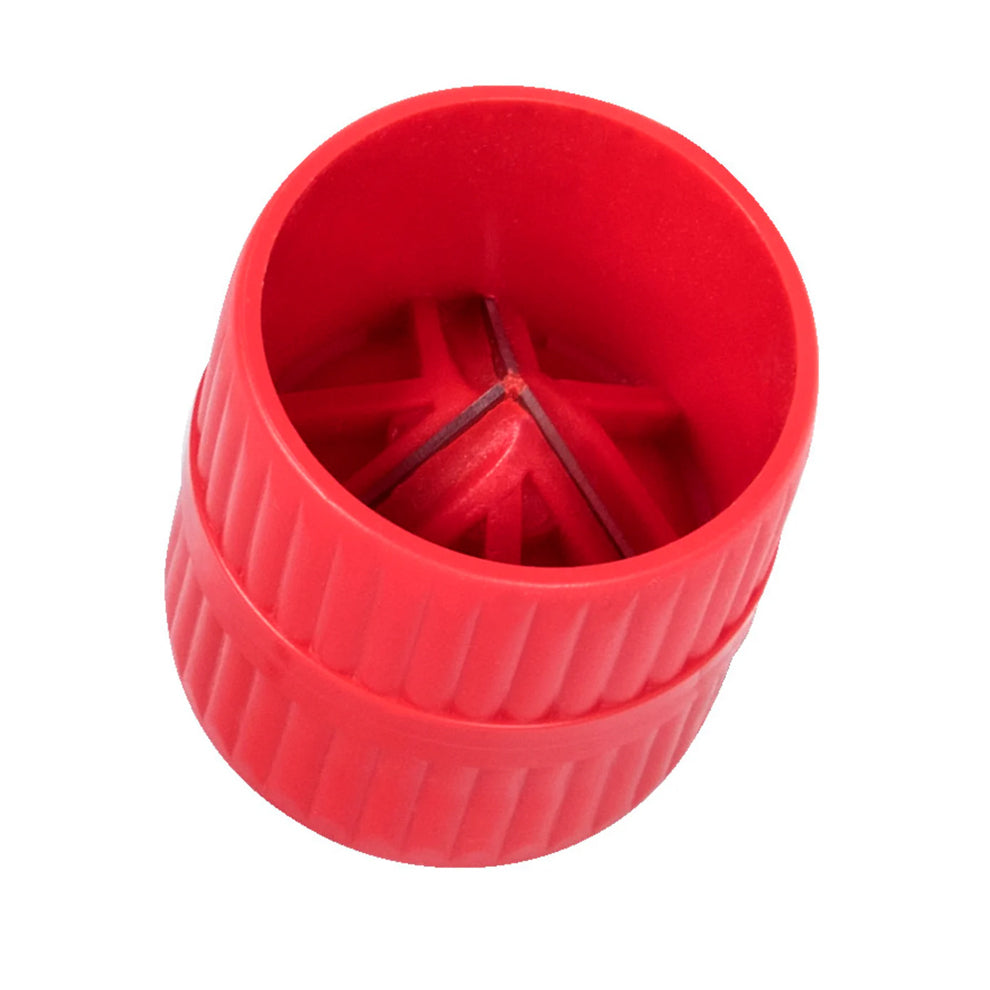
Always wear eye protection when cutting metal. Keep hands clear of the blade path and rotating parts. Clamp the pipe securely to avoid movement and poor cuts. For tubing cutter vs hacksaw decisions, stop and pick the right tool before you cut to avoid rework. Clean and deburr after cutting to prevent leaks and injuries.
Maintenance and care for both tools
Tubing cutter care
- Clean the cutting wheel and threads after each job.
- Replace the wheel if it chips or no longer scores the metal.
- Lightly oil moving parts to prevent rust and stiffness.
Hacksaw care
- Keep blades dry and store spare blades flat.
- Check blade tension; loose blades cut poorly and can break.
- Replace worn blades; dull blades slow work and raise risk.
Long-term tips
- Inspect tools before work. A small defect can ruin a cut or cause injury. Store tools in a dry place and label blades by material use.
Personal experience and lessons learned
I once ruined a plumbing coupling by forcing a cheap cutter on thick, plated steel. It crushed the pipe and caused leaks. Since then, I match tools to the job and carry both a mini tubing cutter and a small hacksaw. My rule: use a tubing cutter for copper lines and a hacksaw for anything thicker than 1/8 inch wall or odd shapes. Readability and patience save time and money on every project.
Frequently Asked Questions of tubing cutter vs hacksaw
Is a tubing cutter better than a hacksaw for copper pipe?
A tubing cutter is usually better for copper. It gives a clean, square cut and reduces the need for sanding or filing.
Can a hacksaw cut copper pipe without issues?
Yes, a hacksaw can cut copper pipe, but the finish is rougher and needs deburring. It takes more time than a tubing cutter.
Will a tubing cutter work on PVC or plastic pipe?
Some tubing cutters can cut thin plastic tubing fine. For larger PVC pipe, a hacksaw or PVC cutter is often easier.
How do I avoid crushing the pipe with a tubing cutter?
Tighten the cutter until it scores, then rotate and tighten slightly each pass. Avoid overtightening in the first few turns.
Which tool is safer to use indoors?
A tubing cutter is safer indoors because it produces less debris and sparks. It is cleaner and easier in tight spaces.
When should I replace a hacksaw blade?
Replace a hacksaw blade when cutting slows, teeth pull out, or the blade visibly wears. A dull blade wastes time and increases effort.
Can I use one tool for all pipe projects?
No single tool suits every job. Tubing cutter vs hacksaw choice depends on material, thickness, and space. Carry both for flexibility.
Conclusion
Choosing between a tubing cutter vs hacksaw comes down to material and finish. Use a tubing cutter for neat, fast work on copper and thin tubing. Use a hacksaw when cutting thick metal, odd shapes, or when a cutter cannot fit. Start by assessing the pipe and job needs, pick the right tool, and follow safety and maintenance tips. Try both tools on scrap material to feel the difference, then commit to the right one for your next job. If this guide helped, leave a comment with your experience, subscribe for more tips, or test these tools on a small job today.