A precision screwdriver is a broad tool; an electronics screwdriver is a precision screwdriver made for delicate tech work.
If you have ever opened a phone, laptop, game controller, or watch, you already know how much the right driver matters. Precision screwdriver vs electronics screwdriver is not just a naming debate; it is about fit, control, and protecting tiny fasteners and fragile parts. I have learned the hard way that using the wrong tip can strip a screw in seconds, so let’s break down the real differences and help you choose the right tool with confidence.
What Is a Precision Screwdriver?
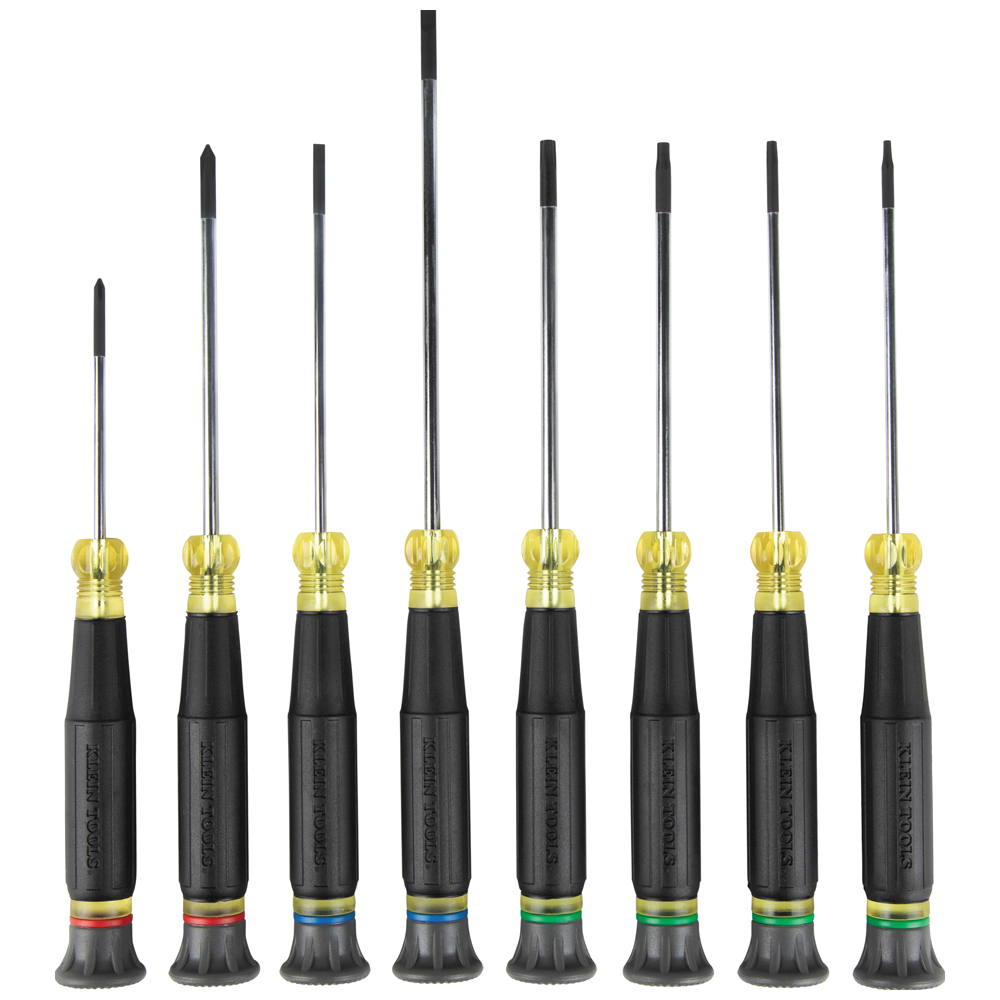
A precision screwdriver is a small, finely tipped screwdriver made for tiny screws and detailed work. It is used in electronics, eyeglasses, small appliances, hobby kits, and repair jobs where regular screwdrivers are too large or too rough.
The key idea is control. A precision screwdriver usually has a slim shaft, a small handle, and tips like Phillips, flathead, Torx, hex, or specialty bits. In practice, precision screwdriver vs electronics screwdriver often comes down to this kind of fine-detail use.
Here is what makes a precision screwdriver useful:
- Small tip size for miniature screws
- Better control for delicate tasks
- Less chance of slipping on tiny fasteners
- Often sold in multi-bit kits for flexibility
In my own repair work, I reach for a precision screwdriver whenever the screw head looks tiny enough to disappear on a table. That simple habit has saved me from stripping screws in laptop backs and remote controls more times than I can count.

What Is an Electronics Screwdriver?
An electronics screwdriver is a screwdriver designed specifically for devices with sensitive internal parts. It is usually a type of precision screwdriver, but it may also include features aimed at safer electronics work, such as insulated handles, anti-static support, magnetic tips, or bit sets made for common device fasteners.
This is why precision screwdriver vs electronics screwdriver can feel confusing. Many people use the terms interchangeably, but electronics screwdrivers often carry more device-focused features. They are made with repair work in mind, especially for phones, tablets, laptops, cameras, drones, and circuit-based devices.
Common features of electronics screwdrivers include:
- Fine tips for small screws
- Magnetic bits to hold screws better
- ESD-safe or anti-static design in some models
- Compact cases for organized storage
- Torx, Phillips, Pentalobe, and Tri-wing bits for modern devices
A good electronics screwdriver is like a careful surgeon’s tool. It does not just turn a screw; it helps you work safely around delicate parts that can be damaged by too much force, static, or poor fit.
Precision Screwdriver vs Electronics Screwdriver: The Core Difference
The biggest difference is purpose. A precision screwdriver is a general category for small, accurate screwdriving, while an electronics screwdriver is a more specialized tool built for electronic devices and their unique needs.
Think of it this way:
- Precision screwdriver means small and accurate
- Electronics screwdriver means small, accurate, and suited for tech repair
In everyday use, they overlap a lot. But electronics screwdrivers may include more device-specific bits and safety features, while general precision screwdrivers may be more useful for hobbies, eyeglasses, jewelry, and small household repairs. If you are comparing precision screwdriver vs electronics screwdriver for a specific task, the device itself should guide your choice.
A few important differences:
- Tip variety: Electronics kits often include rare bits like Pentalobe or Tri-wing
- Safety: Electronics sets may offer anti-static or insulated handling
- Use case: Precision sets are broader; electronics sets are more specialized
- Organization: Electronics kits often come in compact repair cases
- Compatibility: Electronics screwdrivers better match modern consumer tech screws
From experience, this is where many people go wrong. They buy a “precision set,” then discover it does not include the odd-shaped bit needed for an iPhone, Switch, or laptop. That is not a bad tool problem; it is a mismatch problem.
When to Choose a Precision Screwdriver
Choose a precision screwdriver when your work is small, but not necessarily tied to electronic devices. It is the better choice for general fine work across many different areas.
It works well for:
- Eyeglasses
- Watches
- Jewelry repairs
- Small toys
- Hobby models
- Camera accessories
- Small household devices
A precision screwdriver is often enough if you need simple, exact turning and do not need special electronic bits. It is also a smart choice if you want one compact kit that covers many light-duty tasks.
I once used a precision set to fix a tiny hinge on a pair of glasses, and the control was perfect. That same set, though, was not ideal for a laptop repair because it lacked the exact bit pattern the screw heads required.
When to Choose an Electronics Screwdriver
Choose an electronics screwdriver when you plan to open and repair modern devices. These tools are better matched to the screws, materials, and risks involved in tech repair.
Use one for:
- Smartphones
- Tablets
- Laptops
- Game consoles
- Cameras
- Smartwatches
- Drones
- Routers and small circuit devices
If you care about precision screwdriver vs electronics screwdriver for tech repair, this is where the electronics version usually wins. The extra bits and better fit reduce the chance of stripping fasteners, which is a huge deal on devices that use tiny, soft screws.
It is also helpful when you work on devices regularly. A proper electronics kit often includes the bits you actually need, plus pry tools, tweezers, suction cups, or spudgers. That makes the whole repair cleaner and safer.
Which One Is Better for Phone or Laptop Repair?
For phone or laptop repair, an electronics screwdriver is usually the better choice. The reason is simple: many modern devices use uncommon screw types that a standard precision set may not include.
For example, a laptop may use Torx or Phillips screws, while a phone may need Pentalobe or Tri-wing bits. A basic precision screwdriver may handle some of these jobs, but an electronics screwdriver kit is more likely to include the exact tip you need.
A good repair kit should give you:
- Exact bit fit
- Strong handle grip
- Magnetic retention
- Good tip hardness
- Organized storage
If you strip a screw inside a device, the repair gets harder fast. I have seen people spend an hour trying to remove one badly matched screw because they started with the wrong driver. That is why precision screwdriver vs electronics screwdriver matters so much in tech repair.
Materials, Build Quality, and Bit Types
Build quality matters more than many beginners think. A cheap tool may look fine, but soft metal tips can wear out fast, and poor machining can cause slipping or stripping.
Good precision or electronics screwdriver sets often use:
- Hardened steel bits
- Aluminum or steel handles
- Rubberized grip sections
- Strong bit storage cases
- Precision-machined tip shapes
Common bit types include:
- Phillips
- Flathead
- Torx
- Hex
- Pentalobe
- Tri-wing
- Triangle
- Spanner
When comparing precision screwdriver vs electronics screwdriver, check the bit quality first. A well-made bit fits better, grips better, and lasts longer. In my experience, a solid tip is worth more than a fancy case.
How to Pick the Right One
Here is a simple way to choose:
-
Identify the device or task
If it is a watch or glasses, a precision screwdriver may be enough. If it is a phone or laptop, choose an electronics screwdriver kit. -
Check the screw type
Look at the head shape before buying. Many device screws need specialty bits. -
Look for magnetic tips
Tiny screws are easy to lose, and magnetic retention saves time. -
Decide how often you will use it
Light occasional use can work with a basic precision set. Frequent repairs call for a better electronics kit. -
Check for extra repair tools
Spudgers, tweezers, and opening picks make device work easier.
If I had to give one rule from real use, it would be this: buy for the screw, not for the label. The phrase precision screwdriver vs electronics screwdriver sounds technical, but the best choice is the one that matches your hardware.
Common Mistakes to Avoid
People often make a few simple mistakes when buying or using these tools. Most of them are easy to avoid once you know what to watch for.
Common mistakes include:
- Using the wrong bit size
- Applying too much force
- Buying a kit without specialty bits
- Ignoring magnet strength
- Choosing cheap, soft metal tips
- Forgetting about static safety for electronics
One mistake I made early on was assuming all tiny screws were the same. They are not. Even a small mismatch in tip shape can round off a screw and turn a five-minute fix into a frustrating mess.
Care and Maintenance Tips
A good screwdriver set can last a long time if you treat it well. Clean bits, proper storage, and gentle use make a big difference.
Simple care tips:
- Wipe bits after use
- Store tools in their case
- Do not use screwdriver tips as pry bars
- Keep bits dry to prevent rust
- Replace worn tips early
- Avoid over-tightening screws
The difference between precision screwdriver vs electronics screwdriver also shows up in maintenance. Electronics kits often get used on more delicate gear, so keeping them organized and clean is even more important. A neat kit saves time and helps you work more carefully.
Frequently Asked Questions
Is a precision screwdriver the same as an electronics screwdriver?
Not always. A precision screwdriver is a broad small-tool category, while an electronics screwdriver is usually a precision screwdriver made for device repair. Electronics kits often include more specialty bits and repair-focused features.
Can I use a precision screwdriver on electronics?
Yes, if the tip matches the screw and the tool fits well. But for phones, laptops, and game consoles, an electronics screwdriver set is usually a better choice because it is more likely to include the exact bits you need.
Do electronics screwdrivers need to be anti-static?
Not every repair requires anti-static tools, but they are helpful when working near sensitive components. ESD-safe tools reduce risk, especially in professional or frequent repair settings.
What bit types are most useful for electronics repair?
Phillips, Torx, Pentalobe, and Tri-wing are among the most common. The exact bits you need depend on the device brand and model, so a good kit should cover several of them.
Is a magnetic screwdriver safe for electronics?
Yes, in most everyday repair situations, a magnetic screwdriver is safe and very useful. It helps hold tiny screws in place, though you should still use normal care around sensitive components and data storage parts.
Conclusion
Precision screwdriver vs electronics screwdriver is really about scope and purpose. A precision screwdriver is the broader tool for small, exact work, while an electronics screwdriver is the smarter pick for modern device repair because it usually includes the right bits and better repair-friendly features.
If you remember one thing, make it this: match the screwdriver to the screw, and you will save time, protect your device, and avoid frustration. Whether you are fixing a watch, opening a laptop, or replacing a phone battery, the right tool makes the job feel easier and cleaner.
If this guide helped, take a look at your current toolkit and see what gaps you have. A small upgrade now can save you from a big repair headache later.

Mick Thomas
Contributor