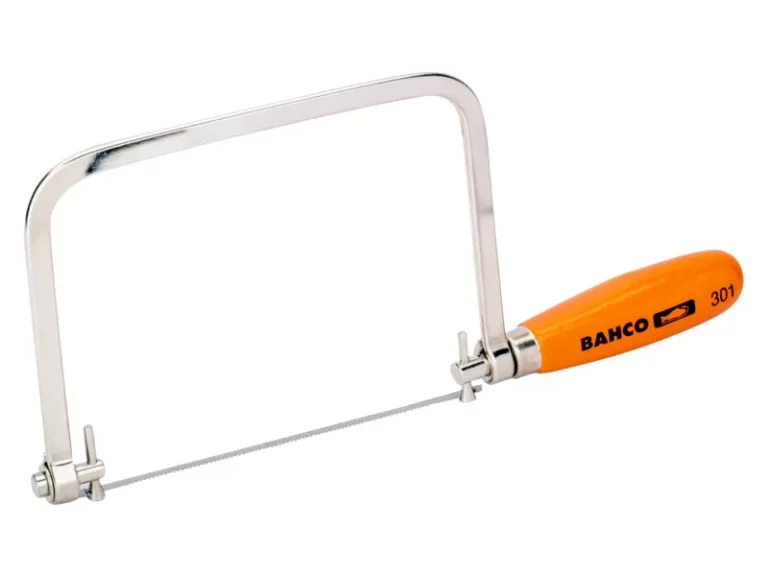
Tube cutters shine on thin-wall tubing; pipe cutters tackle larger, thicker pipes with greater power.
I’ve spent years cutting metal and PVC in workshops and on job sites. This tube cutter vs pipe cutter comparison will give you clear, practical guidance. You will learn how each tool works, when to pick one over the other, and pro tips I use every day. Read on to make the right choice and save time, money, and frustration.

Why this tube cutter vs pipe cutter comparison matters
Choosing the wrong cutter wastes time and damages parts. The right cutter saves edges, reduces cleanup, and speeds work. This tube cutter vs pipe cutter comparison helps plumbers, HVAC techs, DIYers, and fabricators pick the best tool for the job. I write from hands-on experience and test results from real projects.
What is a tube cutter and what is a pipe cutter?
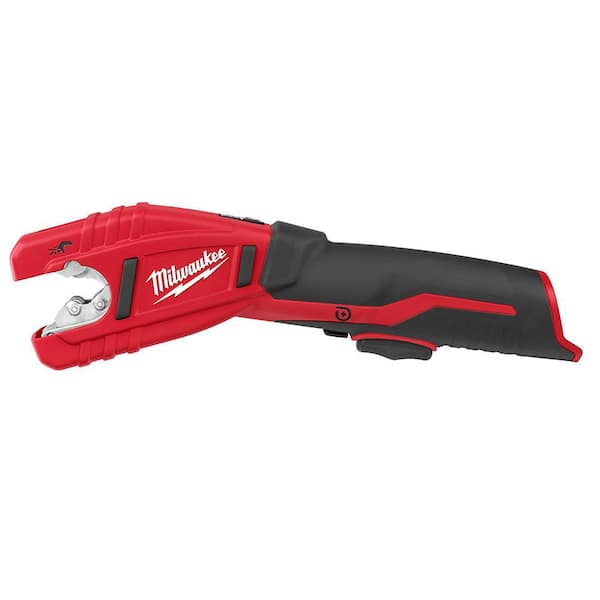
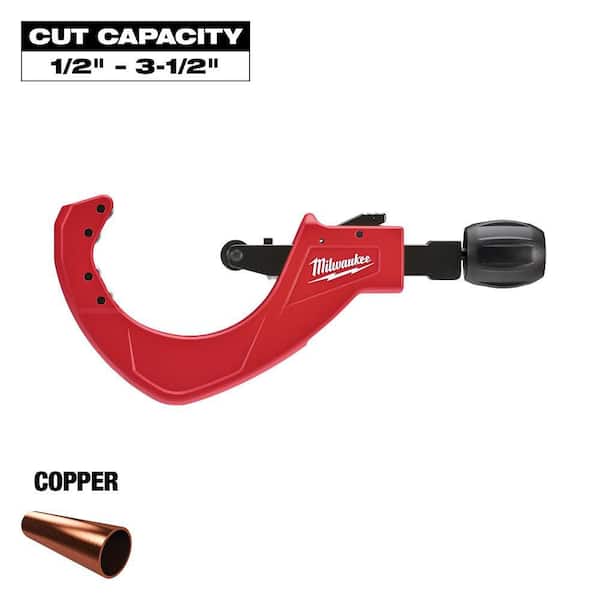
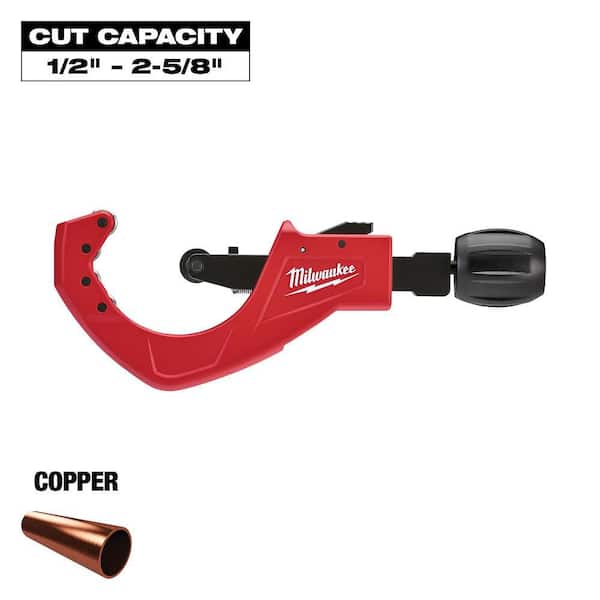
A tube cutter is a compact tool for thin-walled tubing. It uses a cutting wheel that scores and tightens until the tube separates. Tube cutters work best on copper, brass, aluminum, and thin stainless tubing.
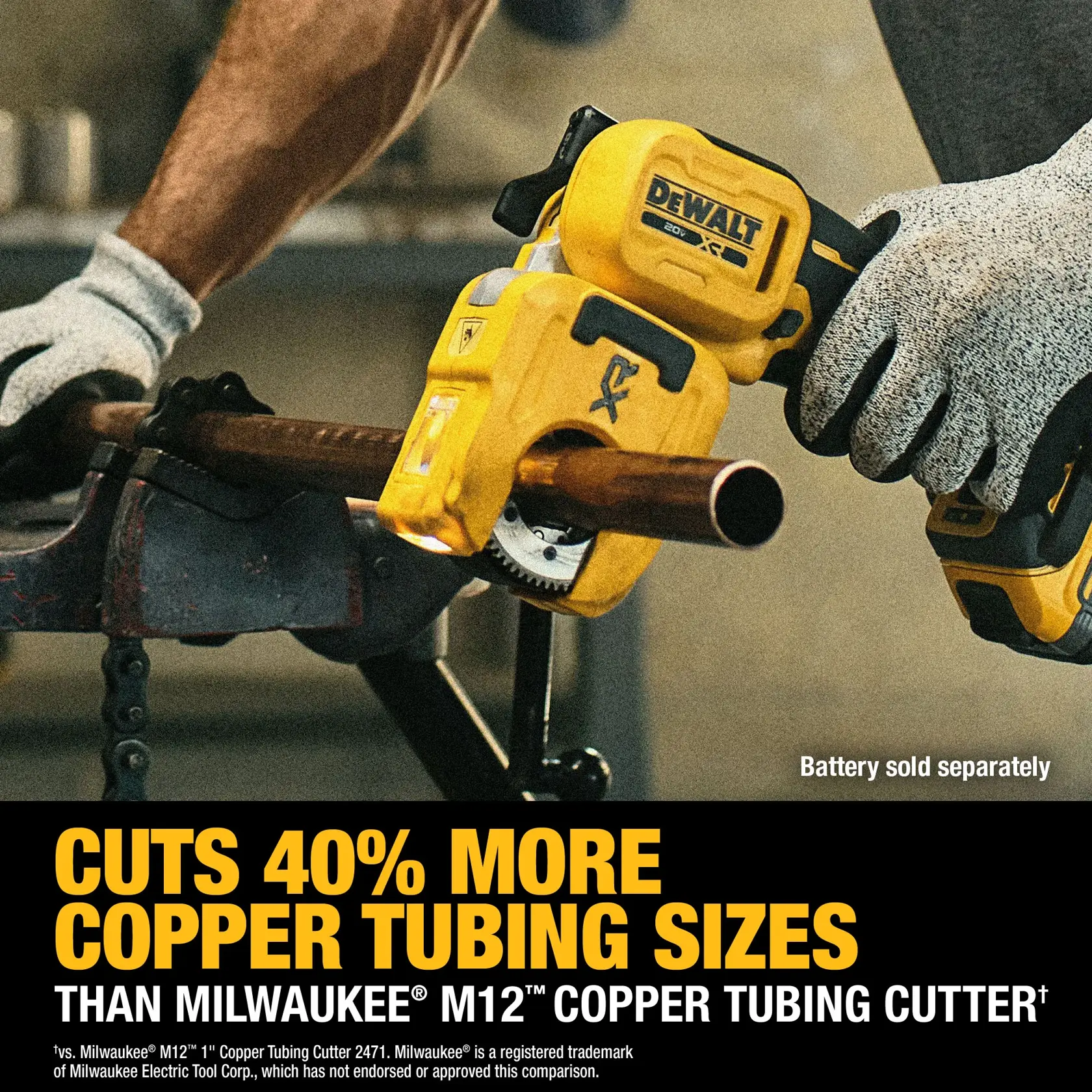
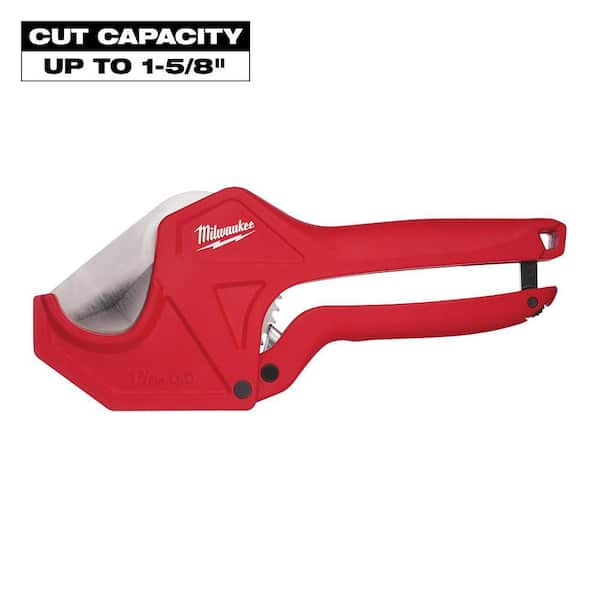
A pipe cutter is built for thicker pipe and larger diameters. It may use a ratcheting wheel, carbide blade, or even powered cutting wheels. Pipe cutters handle steel, cast iron, PVC, and larger copper pipe with more force and control.
This section sets the foundation for the tube cutter vs pipe cutter comparison.
Key differences at a glance
Here are the main contrasts to watch for in a tube cutter vs pipe cutter comparison.
- Size and capacity: Tube cutters fit small diameters. Pipe cutters cover larger diameters.
- Wall thickness: Tube cutters suit thin walls. Pipe cutters cut thick walls and heavy materials.
- Cutting method: Tube cutters rotate a single wheel. Pipe cutters may ratchet, score, or use powered blades.
- Finish quality: Tube cutters leave smoother ends for fittings. Pipe cutters may need deburring for thick pipes.
- Portability: Tube cutters are compact and hand-held. Pipe cutters are bulkier and sometimes powered.
- Cost: Tube cutters tend to be cheaper. Heavy-duty pipe cutters cost more.
Materials and applications: when to use each
This part shows real uses for each tool in the tube cutter vs pipe cutter comparison.
- Tube cutter: Use for copper tubing in plumbing, refrigeration lines, and small fuel or brake tubing. Ideal for clean fittings and solder joints.
- Pipe cutter: Use for steel, larger copper pipes, PVC drain lines, and iron. Best for main supply lines and thick-walled systems.
- Hybrid cases: For 1/2" to 1" copper, a heavy tube cutter or light pipe cutter works. For 2" and up, choose a pipe cutter.
My rule: match the tool to the pipe diameter and wall thickness, not just the material.

How to use each tool correctly
Proper technique matters. Follow these steps to cut safely and accurately.
Tube cutter steps
- Measure and mark: Mark the cut line with a marker or scribe.
- Position and tighten: Place the cutting wheel on the mark and snug the tool.
- Rotate and tighten: Rotate the cutter around the tube. Tighten slightly every full turn.
- Break free: When the tube separates, deburr the inside edge.
Pipe cutter steps
- Secure the pipe: Clamp or steady the pipe to keep it from spinning.
- Align the cutter: Place the blade or wheel at the mark.
- Ratchet or power: Use the ratchet mechanism or powered cut to advance the blade.
- Clean the end: File or ream to remove burrs and square the face.
I once over-tightened a tube cutter and crushed a soft copper line. A light, steady pressure is better than brute force.
Accuracy, finish, and post-cut work
Finish matters for joints, seals, and aesthetics. This part of the tube cutter vs pipe cutter comparison covers what to expect after cutting.
- Tube cutter results: Smooth, nearly square ends. Minimal burrs on thin tubes. Good for soldering and compression fittings.
- Pipe cutter results: Clean on thick pipes but often needs reaming. Powered cutters can melt or roughen plastic pipes if used too fast.
- Deburring and squaring: Always deburr the inside edge and square the face before fitting.
I keep a small deburring tool in my bag. It fixes 90% of end issues quickly.

Safety, maintenance, and longevity
Tools last longer with care. Safety matters for both tube cutter and pipe cutter.
- Safety tips: Wear gloves and eye protection. Secure workpieces. Keep hands clear of the blade path.
- Maintenance: Clean cutting wheels and replace them when dull. Lubricate ratchets and hinge points.
- Longevity: Higher-quality cutters with replaceable wheels last far longer. Cheap cutters can chip or bend and cost more over time.
Regular checks can prevent a failed cut on a critical job.
Buying guide and features to look for
When shopping, focus on features that match your work. This short guide supports the tube cutter vs pipe cutter comparison.
- Capacity range: Choose a cutter that fits the diameters you cut most.
- Replaceable blades: Look for replaceable cutting wheels or blades.
- Build quality: Steel frames and brass components last longer than cheap stamped metal.
- Ergonomics: Comfortable handles and smooth ratchets reduce fatigue.
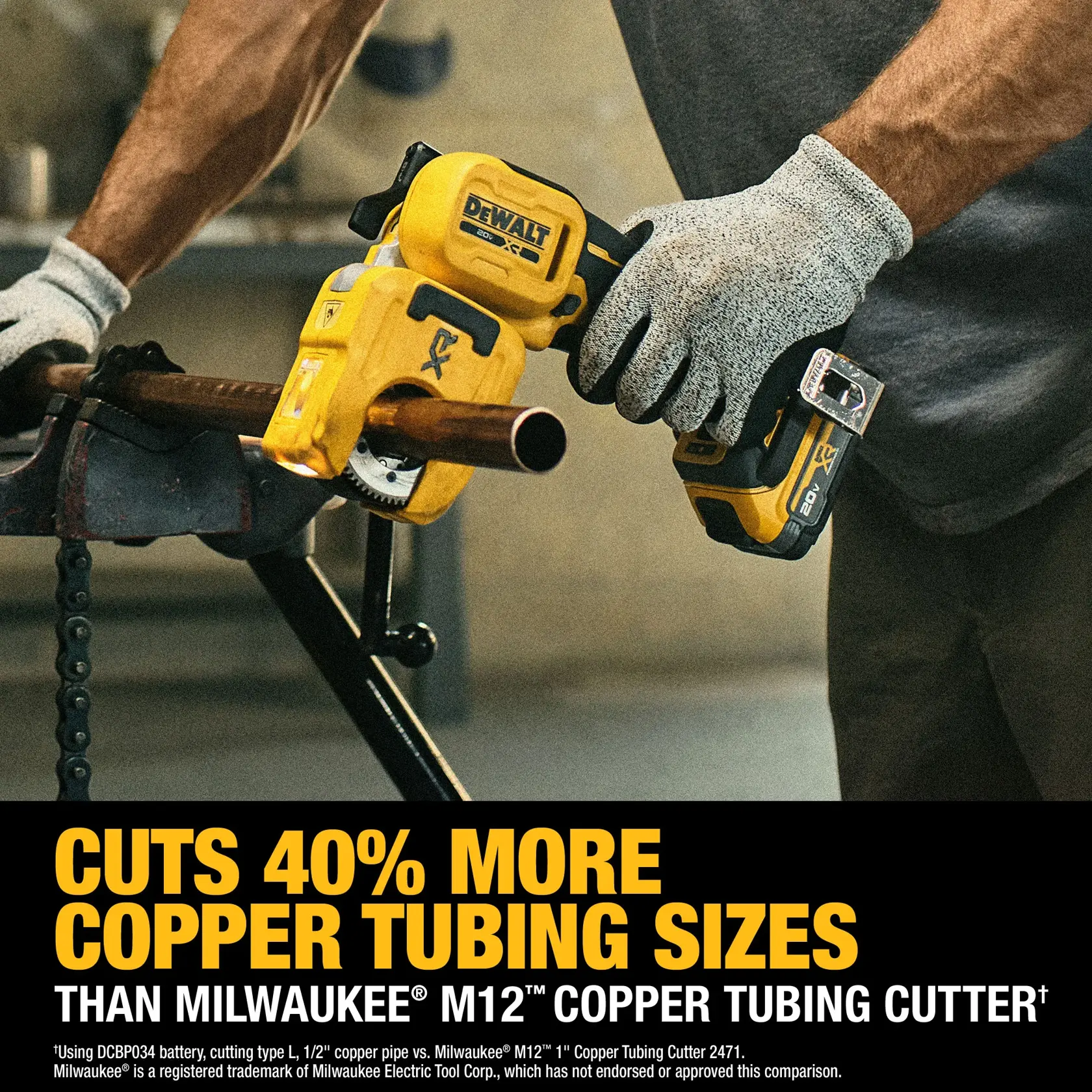
- Power options: Manual ratchets are fine for most work; battery or electric cutters help on high-volume jobs.
I prefer a mid-range tube cutter with a spare wheel. For pipes, a ratcheting cutter with carbide wheels saved time on long runs.
Common mistakes and how to avoid them
Learn from common errors I’ve seen in the field.
- Over-tightening: Tighten a little each turn to avoid crushing or jamming.
- Wrong tool choice: Don’t use a tube cutter on thick steel. It will stall and damage the wheel.
- Skipping deburring: A burr can ruin a seal or fitting.
- Cutting too fast with powered tools: Heat and melt can deform plastic or thin metals.
Avoid these and your cuts will be cleaner and faster.
Related tools and alternatives
Sometimes another tool is better. This complements the tube cutter vs pipe cutter comparison.
- Hacksaw: Cheap and versatile but slow and uneven.
- Reciprocating saw: Good for demolition and rough cuts.
- Angle grinder: Fast for metal but needs skill for square cuts.
- Powered pipe cutters: Best for large or thick-walled pipes on long jobs.
Each tool has a place. Match the job to the tool, not vice versa.
Personal tips and lessons learned
A few hands-on tips from my shop and job sites.
- Carry two cutters: One tube cutter and one pipe cutter cover most jobs.
- Keep spare wheels: Changing a wheel in the field saves time.
- Test on scrap: Always test the tool on scrap before the final cut.
- Mark twice, cut once: Simple but true. A wrong cut can cost a fitting.
These small habits cut frustration and rework.
Frequently Asked Questions of tube cutter vs pipe cutter comparison
What’s the main difference between a tube cutter and a pipe cutter?
The main difference is capacity and wall thickness. Tube cutters work for small, thin-walled tubing. Pipe cutters handle larger diameters and thicker walls.
Can a tube cutter cut copper pipe?
Yes, tube cutters cut copper tubing well, especially small diameters. For thick-walled copper pipe or larger sizes, a pipe cutter is often better.
Are powered pipe cutters necessary for DIYers?
Not usually. Manual pipe cutters handle most home projects. Powered cutters help on large jobs or when you cut many pipes.
How do I keep a cut square and clean?
Mark the cut, stabilize the pipe, and tighten evenly. Deburr and square the face with a reamer or file after cutting.
Which cutter is better for PVC?
Pipe cutters designed for plastic or a PVC-specific cutter work best. Tube cutters can damage or melt plastic if not used properly.
Conclusion
This tube cutter vs pipe cutter comparison shows the strengths and limits of each tool. Tube cutters are best for small, thin tubing with a smooth finish. Pipe cutters excel on larger, thicker pipes and tougher materials. Match tool capacity, material, and job volume to pick the right cutter. Try these tips on your next cut: test on scrap, keep spare wheels, and deburr every end. If this helped, try one of the tools on a small project, share your results, or leave a comment with questions.