A static pressure gauge shows one pressure point; a differential pressure gauge compares two points and reveals flow changes.
If you work with HVAC systems, filters, pumps, or process lines, the static pressure gauge vs differential pressure gauge choice matters more than people think. I’ve seen small gauge mix-ups lead to bad readings, wasted energy, and hours of troubleshooting that could have been avoided with the right tool from the start. In this guide, I’ll break down how each gauge works, where each one fits best, and how to choose the right one with confidence.

What Is a Static Pressure Gauge?
A static pressure gauge measures the pressure at one point in a system. It does not compare two points. Instead, it tells you the pressure pushing on the wall of a pipe, duct, or tank.
In simple terms, it is like checking the air inside one tire. You are looking at one value only. That makes a static pressure gauge useful for basic monitoring and setup checks.
Static pressure is common in HVAC, plumbing, air systems, and many industrial processes. When I first started reading duct systems, I learned fast that a single pressure number can tell you a lot, but only if you know the normal range for that system.
What Is a Differential Pressure Gauge?
A differential pressure gauge measures the difference between two pressure points. It compares pressure upstream and downstream, then shows the result.
That makes it ideal for spotting resistance, flow loss, clogging, or system imbalance. If a filter gets dirty, the pressure before the filter rises compared to the pressure after it. A differential pressure gauge makes that change easy to see.
This is why the static pressure gauge vs differential pressure gauge comparison matters so much. One gives a single-point snapshot, while the other shows how the system behaves across two points.
Static Pressure Gauge vs Differential Pressure Gauge: The Main Difference
The simplest way to understand static pressure gauge vs differential pressure gauge is this:
- A static pressure gauge measures pressure at one location
- A differential pressure gauge measures the pressure difference between two locations
That one difference changes how each tool is used.
A static pressure gauge is great when you want a basic pressure reading. A differential pressure gauge is better when you want to know whether something is blocking flow, creating resistance, or causing a drop in pressure.
How Each Gauge Works
Static Pressure Gauge
A static pressure gauge connects to one test point. It reads the force of the fluid or air at that spot.
It works well when the system is stable and you need a simple reading. In HVAC, static pressure helps you understand how hard the blower is working against duct resistance.
Differential Pressure Gauge
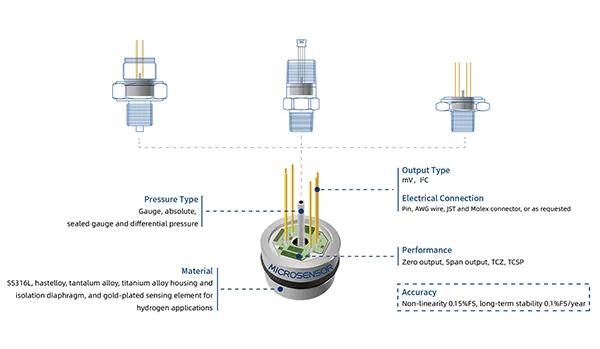
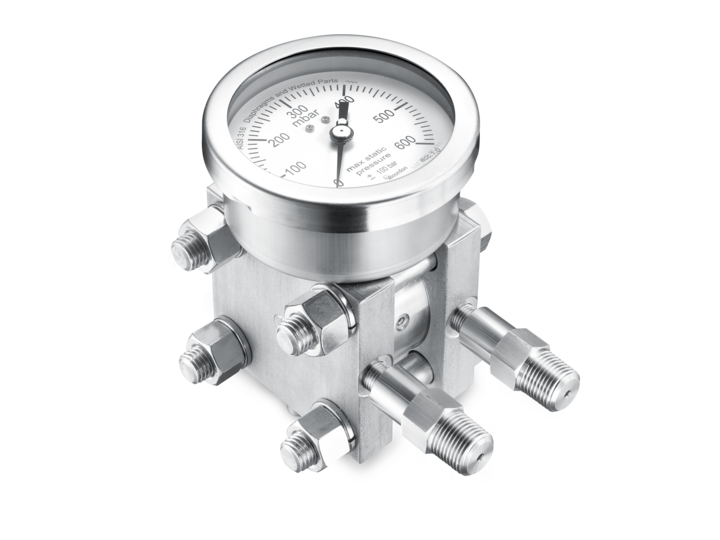
A differential pressure gauge has two ports. One port reads the upstream pressure and the other reads the downstream pressure.
The gauge then shows the difference between them. That difference is often the real clue you need when diagnosing filters, pumps, valves, or airflow problems.
Common Uses in Real Systems
I’ve seen both gauges used in the field, and each has a clear role. Here are the most common uses.
Static Pressure Gauge Uses
- HVAC duct pressure checks
- Boiler and piping monitoring
- Compressed air system checks
- Tank and vessel pressure readings
- General system verification
Differential Pressure Gauge Uses
- Filter loading checks
- Pump performance checks
- Heat exchanger monitoring
- Flow restriction detection
- Cleanroom and ventilation monitoring
If you only have a static pressure gauge, you can still collect useful data. But if you need to know whether a component is causing pressure loss, the differential pressure gauge is usually the better tool.
Static Pressure Gauge vs Differential Pressure Gauge in HVAC
This is one of the most common places where the static pressure gauge vs differential pressure gauge question comes up.
In HVAC work, static pressure tells you the pressure in the duct system at one point. It helps you see whether the blower and ductwork are within expected limits. If the reading is too high, the system may be fighting too much resistance.
Differential pressure is often used across filters, coils, or fans. It shows how much pressure drops from one side to the other. That makes it easy to spot a dirty filter or a clogged coil before comfort problems begin.
A mistake I’ve seen more than once is using only one reading and assuming the whole system is fine. That is like checking one side of a seesaw and pretending you know the balance. You need the right gauge for the job.
Accuracy, Sensitivity, and Reading Style
The static pressure gauge vs differential pressure gauge choice also affects how you read the system.
A static pressure gauge gives a single value. That is simple and fast, but it can miss the bigger picture. If the system changes downstream, the gauge may not show why.
A differential pressure gauge is more sensitive to change across components. That makes it better for troubleshooting. It can show when resistance is building slowly, which is often how real problems begin.
Pros and Cons of Static Pressure Gauge
Advantages
- Simple to install and read
- Good for single-point monitoring
- Often more affordable
- Useful for basic system checks
Limitations
- Does not show pressure drop across components
- Less useful for troubleshooting flow problems
- Can miss hidden restrictions
Pros and Cons of Differential Pressure Gauge
Advantages
- Shows pressure loss across a system component
- Great for diagnosing blockages and restrictions
- Helps monitor filter health
- Useful for process control and performance checks
Limitations
- Needs two connection points
- Slightly more complex to install
- May cost more than a basic static gauge
When comparing static pressure gauge vs differential pressure gauge, the better tool is usually the one that matches the problem you are trying to solve.
How to Choose the Right Gauge
If you are deciding between a static pressure gauge vs differential pressure gauge, ask these simple questions:
- Am I measuring one point or comparing two points?
- Do I need a basic reading or a change in pressure?
- Am I checking system health, or troubleshooting a problem?
- Is the main issue pressure level, flow loss, or restriction?
Here is a quick rule I often use in practice:
- Choose a static pressure gauge when you need a simple point reading
- Choose a differential pressure gauge when you need to see pressure drop or resistance
That rule has saved me time on job sites more than once.
Real-World Example: Dirty Filter vs System Pressure
One of the best examples of static pressure gauge vs differential pressure gauge is a dirty air filter.
A static pressure gauge might show that the duct pressure is higher than normal. That tells you something is off, but not exactly what. A differential pressure gauge across the filter shows the pressure drop increasing over time.
That extra detail matters. It lets you know the filter is clogging before airflow becomes weak enough for the customer to notice. In maintenance work, that kind of early warning is gold.
Installation Tips and Best Practices
Using the right gauge is only half the job. Good installation makes the reading trustworthy.
- Mount the gauge in the right location for the system
- Keep tubing runs short and clean when possible
- Make sure ports are not clogged or leaking
- Zero the gauge if the model requires calibration
- Check the manufacturer’s recommended range before use
I’ve also learned not to trust a gauge that has been bumped, frozen, or left in a rough environment without a check. Even a good gauge can give bad information if it is damaged or out of calibration.
Common Mistakes to Avoid
The static pressure gauge vs differential pressure gauge decision can go wrong when people use the wrong tool or read it the wrong way.
- Using a static gauge when a differential reading is needed
- Ignoring the direction of flow
- Comparing readings without a baseline
- Installing the gauge at the wrong test point
- Forgetting to verify calibration
If you avoid those mistakes, your readings become much more useful and much more reliable.
Industry Standards and Trusted Practice
In HVAC and process work, pressure readings are often guided by manufacturer specs, equipment manuals, and accepted industry practices from organizations such as ASHRAE, ISO, and instrument makers with published calibration guidance. These references matter because pressure readings only make sense when you compare them to the correct expected range.
That is an important trust point in the static pressure gauge vs differential pressure gauge discussion. A gauge reading by itself is not enough. You need the correct application, the proper range, and a known baseline for the system.
Frequently Asked Questions of static pressure gauge vs differential pressure gauge
What is the main difference between static pressure gauge vs differential pressure gauge?
A static pressure gauge measures pressure at one point, while a differential pressure gauge measures the difference between two points. That difference makes the differential gauge better for spotting pressure drop, restriction, and flow problems.
Can a static pressure gauge replace a differential pressure gauge?
Not always. A static pressure gauge can tell you the pressure at one location, but it cannot show pressure loss across a filter, coil, or valve. If you need to compare two points, you need a differential pressure gauge.
Which gauge is better for HVAC systems?
Both are useful in HVAC, but they serve different jobs. A static pressure gauge helps with overall duct pressure checks, while a differential pressure gauge is usually better for filter monitoring and troubleshooting airflow issues.
Is a differential pressure gauge harder to use?
It is a little more involved because it uses two connections instead of one. Still, once installed correctly, it is very easy to read and often gives more useful information than a single-point gauge.
Why does differential pressure matter so much?
Differential pressure shows resistance in a system. If the pressure drop rises, it often means a filter is dirty, a passage is blocked, or flow is being restricted somewhere.
How do I know which gauge I need?
Choose a static pressure gauge if you only need one pressure reading. Choose a differential pressure gauge if you need to compare two points or track pressure loss across a component.
Conclusion
The static pressure gauge vs differential pressure gauge choice comes down to one simple idea: one measures a single point, and the other measures a difference. That difference decides whether you are getting a basic pressure snapshot or a deeper look into system performance.
If you want simple monitoring, a static pressure gauge may be enough. If you need to find restriction, verify flow, or watch component health, a differential pressure gauge is usually the smarter pick. Use the right tool, check your readings against a known baseline, and you will make better decisions with less guesswork.
If this topic applies to your work, take a fresh look at the gauges you already use and see whether they match the job.

Mick Thomas
Contributor