A putty knife is best for small fillers; a taping knife is better for wide drywall seams.
If you have ever stood in the aisle staring at both tools, you are not alone. The putty knife vs taping knife choice seems simple, but the wrong pick can slow you down, leave rough edges, and make a job harder than it should be. I have used both on patch jobs, trim work, and full drywall repairs, and the differences matter more than most beginners think.
Putty Knife vs Taping Knife: What Each Tool Is Made For
A putty knife is a smaller, stiffer tool used for applying and smoothing compounds in tight spots. A taping knife is wider and more flexible, which makes it better for spreading joint compound over drywall seams and larger repair areas.
In real use, the putty knife is like a pocket tool. It is handy, controlled, and great for detail work. The taping knife is more like a paint roller for mud. It covers more space and helps you feather edges cleanly across a wider surface.
Here is the simplest way to think about putty knife vs taping knife:
- Putty knife: best for small holes, nail pops, scraping, and filling cracks
- Taping knife: best for drywall seams, taping joints, and larger finishing passes
- Putty knife: usually shorter and stiffer
- Taping knife: usually longer and more flexible
I learned early on that using a small putty knife on a big drywall seam is like trying to shovel snow with a spoon. It works, but only after a lot of extra effort. On the other hand, using a wide taping knife for tiny patch work can feel awkward and messy.

What Is a Putty Knife?
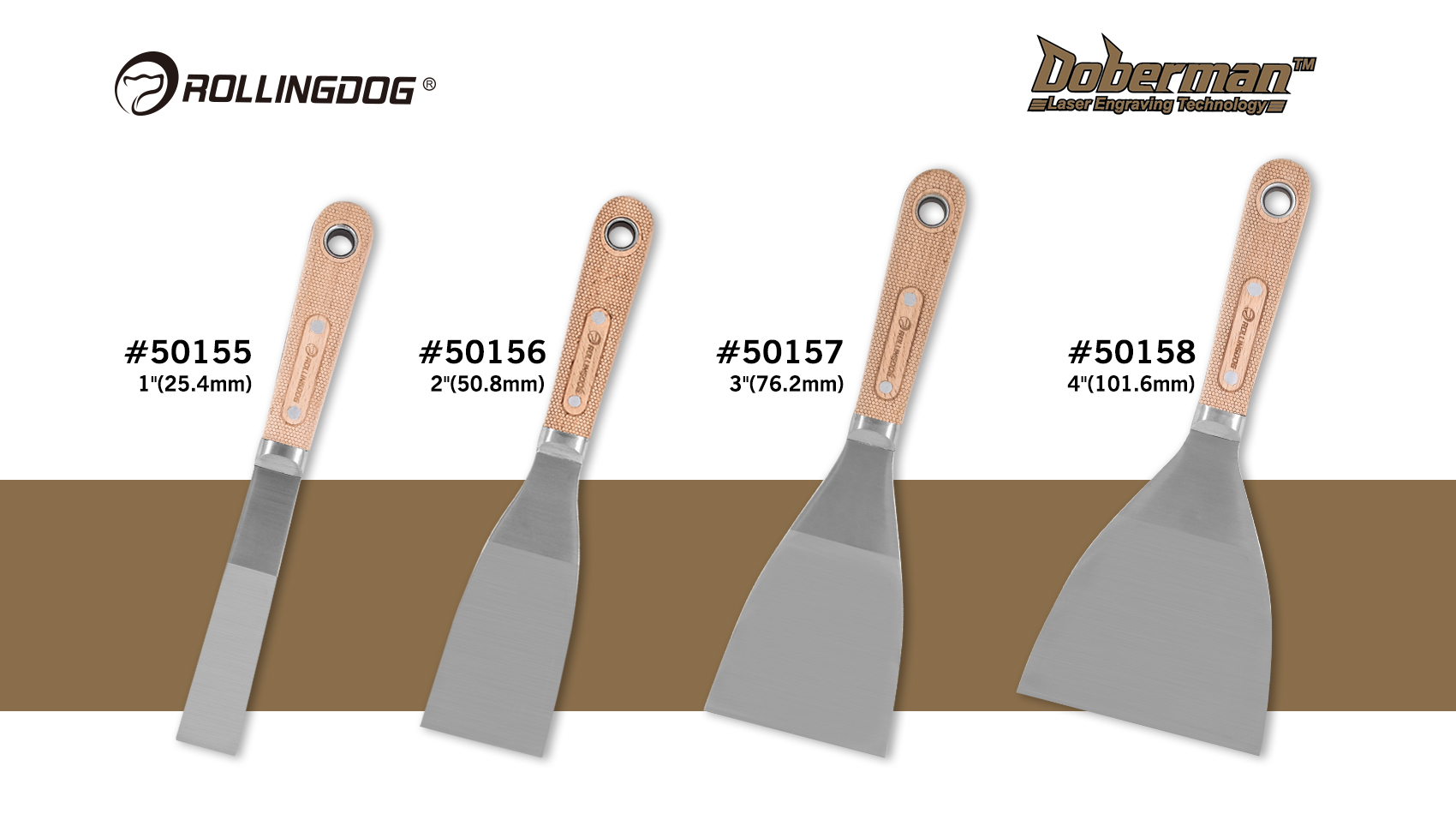
A putty knife is a hand tool with a narrow blade, usually between 1 and 4 inches wide. It is commonly used for applying putty, spackling, or filler to small damaged areas.
The blade is often stiff, which gives you more control in tight spaces. That stiffness also makes it useful for scraping away old material, loose paint, or dried compound. For homeowners, this is often the first knife they reach for during a small repair.
Common uses include:
- Filling nail holes and small dents
- Repairing hairline cracks
- Scraping old caulk or loose paint
- Applying spackle to minor wall damage
- Removing excess putty from windows or trim
A good putty knife is simple, but do not underestimate it. For small jobs, it can save you from a lot of sanding later. The key is to use light pressure and let the blade do the work.
What Is a Taping Knife?
A taping knife is a wider drywall knife, usually 6 to 14 inches across. It is built for spreading joint compound smoothly over seams, corners, and larger repair areas.
Unlike a putty knife, a taping knife is designed to feather compound thinly at the edges. That helps the repaired area blend into the wall instead of leaving a hard ridge. In drywall finishing, that smooth transition is everything.
Common uses include:
- Taping drywall seams
- Covering screw heads on drywall
– Feathering joint compound - Finishing larger wall patches
- Smoothing the final coat before sanding
When I was learning drywall work, I made the mistake of thinking wider was always harder to control. It is different, yes, but once you understand the motion, a taping knife gives you a cleaner finish on big areas than any small knife can.
Putty Knife vs Taping Knife: The Main Differences
The putty knife vs taping knife comparison comes down to size, flexibility, and job type. Both tools spread compound, but they are not built for the same level of finish work.
Here is a simple comparison:
| Feature | Putty Knife | Taping Knife |
|---|---|---|
| Blade width | Narrow, usually 1 to 4 inches | Wide, usually 6 to 14 inches |
| Blade stiffness | More rigid | More flexible |
| Best for | Small repairs, scraping, detail work | Drywall seams, joint compound, large patches |
| Control | High in tight spaces | Better for wide, smooth passes |
| Finish quality | Good for small areas | Better for feathering and blending |
| Ease of use | Easier for beginners | Takes more practice |
The biggest difference is not just size. It is how each tool behaves on the wall. A putty knife gives precision. A taping knife gives smooth coverage.
When to Use a Putty Knife
A putty knife is the better choice when the repair is small or detailed. It is fast, easy to handle, and less likely to leave too much compound behind.
Use a putty knife for:
- Small nail holes
- Tiny dents in drywall
- Scraping old paint or loose material
- Spot repairs around trim
- Applying spackle to small patches
If the area is smaller than your hand, a putty knife often makes more sense. It lets you stay accurate without smearing compound across too much space.
A tip from experience: keep one putty knife just for scraping and one for finishing. It is a small habit, but it helps keep edges cleaner and avoids dragging dried bits into fresh mud.
When to Use a Taping Knife
A taping knife is the better tool when you need a smooth, even finish over a larger area. It shines in drywall work, especially when you are covering seams or building up multiple coats of joint compound.
Use a taping knife for:
- Drywall taping
- Feathering seams
- Covering screw depressions
- Large wall patches
- Final skim coats
The wider blade spreads pressure across more surface, which helps avoid deep lines and ridges. That is why drywall pros often reach for a taping knife during finishing stages.
If you have ever seen a wall with obvious repair marks, chances are the wrong knife was used or the compound was not feathered well. A taping knife helps prevent that “patch flag” look.
Which Knife Is Better for Drywall Repair?
For drywall repair, the taping knife usually wins. It is better for seams, larger patches, and any job where smooth blending matters.
That said, a putty knife still plays an important role in drywall work. It is useful for filling small flaws, scraping old compound, and cleaning up edges before the wider knife comes in.
A practical drywall workflow often looks like this:
- Use a putty knife to fill small holes or scrape loose material
- Let the patch dry
- Switch to a taping knife for broader coats
- Feather the edges wider with each pass
- Sand lightly after drying
This two-tool approach gives better results than forcing one knife to do everything. That is one of those lessons that seems obvious later, but not always on the first day.
Material, Blade Shape, and Flexibility
Not all knives feel the same in the hand. The blade material and flex level change how the tool performs.
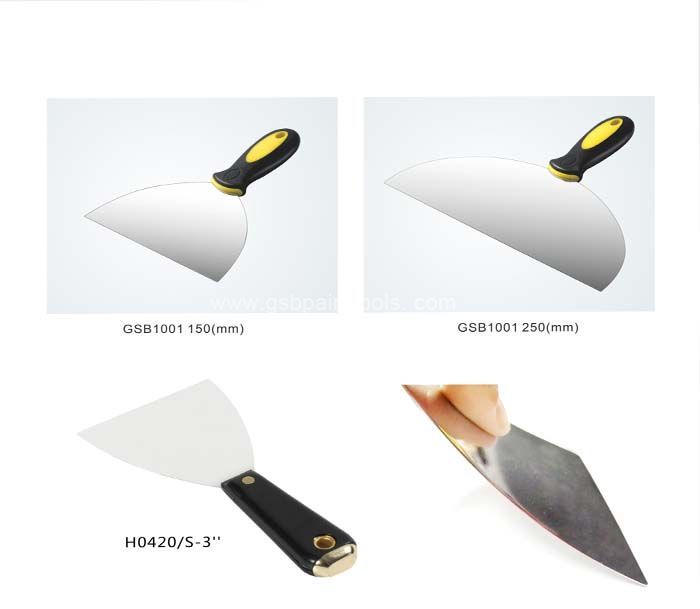
Many quality knives use stainless steel blades, which resist rust and are easy to clean. Some lower-cost tools use thinner metal that bends too much or wears out faster. A good blade should feel balanced, not flimsy.
A few things to look for:
- Stainless steel for easier cleaning and durability
- Comfortable handle grip for long use
- Moderate blade flex for smooth feathering
- Stiffer blade for scraping and patch filling
A putty knife usually has less flex because control matters more than glide. A taping knife needs more flex so it can ride smoothly over the wall and lay compound flat.
How to Choose the Right Knife for the Job
Choosing between a putty knife vs taping knife is easier if you start with the task, not the tool. Ask yourself what you are fixing and how large the area is.
Use this simple guide:
- Small hole, chip, or crack: putty knife
- Drywall seam or taped joint: taping knife
- Scraping old material: putty knife
- Final skim coat on a wall: taping knife
- Tiny touch-up near trim: putty knife
- Large repair that needs blending: taping knife
If you only want to buy one tool first, a 6-inch taping knife is often the most versatile choice for home drywall work. Still, for small repair kits, a putty knife is usually the cheaper and more practical starting point.
Mistakes People Make With Putty Knives and Taping Knives
A lot of repair problems come from using the right material with the wrong knife. I have seen this more than once on job sites and in home projects.
Common mistakes include:
- Using a putty knife on large drywall seams
- Pressing too hard and leaving ridges
- Using a taping knife on tiny patch spots where control matters more
- Not cleaning the blade between passes
- Choosing a blade that is too flexible for scraping
- Applying too much compound at once
One of the biggest lessons I learned was this: smooth work comes from thin coats. No knife can fix a heavy, sloppy pass. The tool helps, but the hand matters just as much.
Putty Knife vs Taping Knife for Beginners
For beginners, the putty knife is usually easier to learn. It is smaller, less intimidating, and more forgiving on small repairs.
The taping knife takes more practice, but it is not hard once you get the feel for it. The trick is to hold the blade at a slight angle and use steady pressure. Too much pressure can dig in and leave lines.
If you are new, start with these habits:
- Practice on scrap drywall or cardboard
- Use thin layers
- Keep the blade clean
- Wipe the knife often
- Sand lightly instead of trying to perfect every pass
Beginners often think the goal is to cover the problem fast. Really, the goal is to cover it thinly and neatly. That mindset makes a big difference.
Maintenance and Care Tips
A clean knife works better and lasts longer. Dried compound on the blade can leave scratches and rough edges.
Simple care tips:
- Clean blades right after use
- Dry the knife before storing it
- Check for bent edges or rust
- Replace worn tools before they start tearing the compound
- Store them flat or hanging to protect the blade shape
Even a good taping knife will perform badly if the edge is crusted with old mud. Keeping the blade clean is one of the easiest ways to improve your finish.
Frequently Asked Questions
Is a putty knife the same as a taping knife?
No, they are not the same. A putty knife is smaller and better for detail work, while a taping knife is wider and made for drywall finishing and larger areas.
Can I use a putty knife for drywall taping?
You can, but it is not ideal for most seams. A putty knife is too narrow for smooth feathering over larger joints, so a taping knife usually gives a cleaner result.
What size taping knife should a homeowner buy first?
A 6-inch taping knife is often the most useful first size. It handles many small to medium drywall repairs well without feeling too bulky.
Which knife is better for spackle?
A putty knife is usually better for spackle. It gives more control for small holes, nail pops, and touch-ups around the house.
How do I know if my knife is too flexible?
If the blade bends too much and leaves uneven lines, it is probably too flexible for the task. A knife should bend a little for spreading, but not so much that it feels hard to control.
Conclusion
The putty knife vs taping knife choice comes down to the size of the job and the kind of finish you want. A putty knife is best for small repairs, scraping, and detail work. A taping knife is the stronger choice for drywall seams, feathering compound, and larger surface repairs.
If you remember one thing, make it this: use the smallest knife that still does the job well, and switch to a wider knife when the area grows. That simple habit can save time, sanding, and frustration.
Try matching your knife to the repair on your next project, and you will likely get cleaner results with less effort. If this guide helped, explore more home repair tips and leave a comment with your own tool experience.