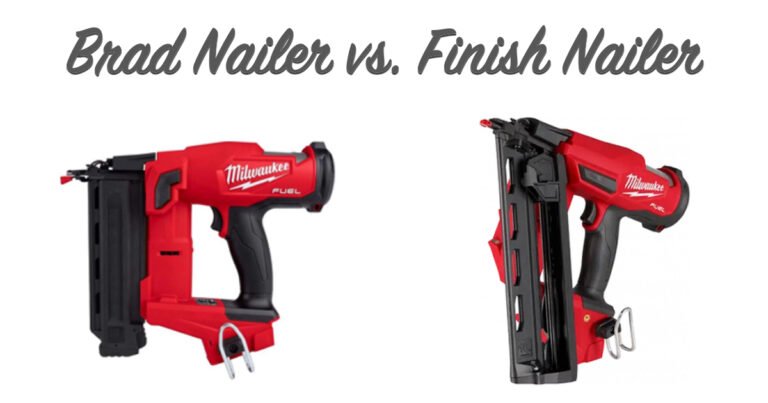
A caulking gun handles sealants; a foam gun controls expanding insulation foam.
If you have ever tried to seal a drafty window, fill a gap, or make a clean finish on a bathroom line, you already know how much the right tool matters. The caulking gun vs foam gun choice is not just about price or looks. It affects control, mess, finish quality, and how long the job lasts. I have used both on home repair jobs, and the difference becomes very clear once you see how each tool behaves in real work.
What a Caulking Gun Does
A caulking gun is built to dispense tube-based materials in a steady bead. It is most often used with silicone, acrylic latex, polyurethane sealants, construction adhesive, and similar products. The goal is simple: place a smooth line of material where you want a seal.
In practice, the caulking gun works like a controlled squeeze tool. You press the trigger, and the plunger pushes material out of the tube. That makes it ideal for joints, seams, trim gaps, sinks, tubs, backsplashes, and other finish work.
A few common uses include:
• Sealing bathroom edges around tubs, showers, and sinks
• Filling small cracks around trim, windows, and baseboards
• Applying adhesive for light construction or repair work
• Weatherproofing joints where movement is expected
When I first learned home sealing work, the biggest mistake I made was overloading the line. A caulking gun rewards patience. Slow, steady pressure gives a cleaner result than rushing through the bead.
What a Foam Gun Does
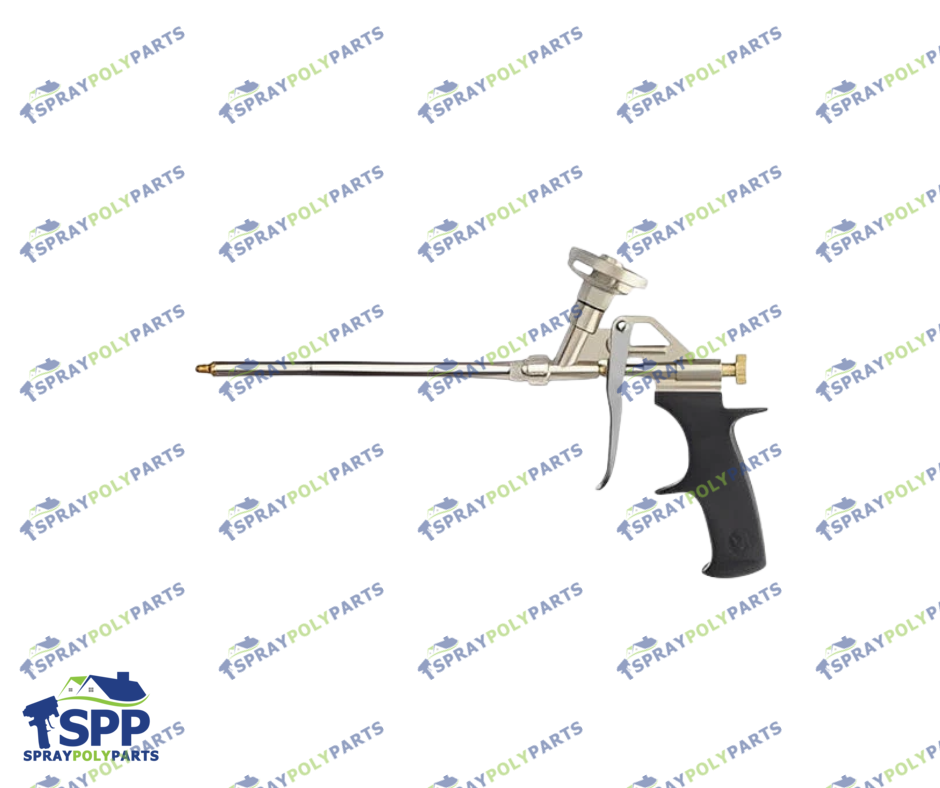
A foam gun is made for dispensing one-component expanding polyurethane foam. It uses a can of foam, not a standard tube. The gun lets you control how much foam comes out, which matters because foam expands after application.
This tool is mainly used for insulation and air sealing. It is great for larger voids, gaps around pipes, openings near framing, and spaces where a sealant would not be enough. Unlike caulk, foam is meant to fill and insulate, not just seal a surface line.
Typical foam gun uses include:
• Sealing gaps around window and door frames
• Filling cavities around plumbing and electrical penetrations
• Closing larger openings in walls, attics, and basements
• Reducing air leakage for better energy efficiency
From experience, foam is one of those materials that looks easy until you use too much. I have seen clean projects turn messy in seconds because the user underestimated expansion. A foam gun helps, but it does not remove the need for caution.

Caulking Gun vs Foam Gun: The Main Difference
The biggest difference in the caulking gun vs foam gun comparison is purpose. A caulking gun is for finishing and sealing visible joints. A foam gun is for filling, insulating, and blocking air movement in bigger gaps.
Here is the simplest way to think about it:
• Caulking gun: best for neat surface lines and flexible seals
• Foam gun: best for deeper gaps and thermal insulation
Caulk stays where you place it with little or no expansion. Foam expands, cures, and fills space more aggressively. That means a caulking gun is better for appearance and precision, while a foam gun is better for coverage and insulation value.
This is why pros often keep both tools on hand. They solve different problems, just like a screwdriver and a wrench do.
When to Use a Caulking Gun
Use a caulking gun when the job needs a clean finish and a narrow bead of sealant. It shines in areas that are visible and need to look neat after the repair. It also works well where the joint moves a little over time.
Good situations for a caulking gun include:
• Bathroom and kitchen seal lines
• Window trim touch-ups
• Baseboards and crown molding gaps
• Countertop edges and backsplash seams
• Exterior joints that need weather resistance
The best sealants for a caulking gun are usually silicone, acrylic latex, paintable latex blends, or polyurethane caulk. The right choice depends on surface type, moisture exposure, and whether you plan to paint the area.
If you want a polished result, the caulking gun is usually the better choice. It gives you control in tight areas where a thick foam bead would look wrong or perform poorly.
When to Use a Foam Gun
Use a foam gun when the gap is too large for caulk or when insulation matters. Foam is designed to expand into holes and irregular spaces, so it works better in rough openings and deeper cavities. It is especially useful in energy-saving projects.
Good situations for a foam gun include:
• Around window and door rough openings
• Gaps in framing, pipes, and conduit penetrations
• Basement rim joists and attic edges
• Penetrations where air leaks are a problem
• Areas needing both sealing and insulation
A foam gun is not the right tool for thin cosmetic seams. If you use foam where caulk belongs, the result often looks bulky and may need trimming or covering. That is why matching the tool to the gap size matters so much.
Key Features That Separate the Two Tools
The caulking gun vs foam gun decision often comes down to how the tools are built and how they feel in use. They may look similar at first glance, but they are made for different materials and flow patterns.
Material Type
• Caulking gun: tube-based sealants and adhesives
• Foam gun: pressurized cans of expanding foam
Output Control
• Caulking gun: smooth, linear, and usually predictable
• Foam gun: adjustable, but the foam expands after application
Finish Quality
• Caulking gun: cleaner for visible surfaces
• Foam gun: rougher finish, often trimmed after curing
Skill Requirement
• Caulking gun: easier for cosmetic work
• Foam gun: more attention needed because over-application is common
Cleanup
• Caulking gun: usually easier to wipe before cure
• Foam gun: uncured foam can be messy, and cured foam is harder to remove
In real life, I have found the foam gun demands more planning. The caulking gun is more forgiving because you can tool the bead, wipe the excess, and repaint later if needed.
Pros and Cons of a Caulking Gun
A caulking gun is one of the most useful hand tools in home repair, but it is not perfect.
Advantages
• Easy to use for beginners
• Great for clean, visible lines
• Works with many sealant types
• Low cost and widely available
• Good for precision work
Limitations
• Not ideal for large voids
• Poor choice for insulation jobs
• Some sealants shrink over time
• Can leave messy lines if handled poorly
The main strength of a caulking gun is control. The main weakness is coverage. If the space is too deep, caulk can fail because it is not meant to fill a cavity.
Pros and Cons of a Foam Gun
A foam gun is powerful, but that power can work against you if you are careless.
Advantages
• Fills larger gaps fast
• Helps reduce air leaks
• Adds insulation value
• Can reach irregular voids
• Often saves energy in drafty areas
Limitations
• Easy to overfill
• Not ideal for finished cosmetic lines
• Usually needs trimming after cure
• Can be hard to remove once cured
• Requires more cleanup discipline
Foam is great when used with restraint. I have learned that “less first, more later” is the safest rule. You can always add a little more foam, but taking away too much is much harder.
How to Choose Between a Caulking Gun and Foam Gun
The best way to decide in the caulking gun vs foam gun debate is to ask one simple question: am I sealing a surface joint or filling a space?
Use a caulking gun if:
• The gap is small and visible
• You want a clean, finished look
• The joint may move slightly
• You plan to paint or smooth the area
• You are sealing around fixtures or trim
Use a foam gun if:
• The gap is large or deep
• Air leakage is a concern
• You need insulation, not just sealing
• The area will be hidden or trimmed later
• You are working around rough openings
If the gap is bigger than a typical sealant bead but smaller than a full cavity, sometimes a backer rod plus caulk is the better fix. That is a trick many pros use when they want flexibility without foam mess.
Best Practices for Better Results
Good results depend on prep as much as the tool. I have seen both caulking gun and foam gun jobs fail because of dusty, wet, or oily surfaces.
Follow these steps for better results:
- Clean the area first so the material bonds well
- Dry the surface unless the product label allows damp use
- Use painter’s tape if you want a cleaner edge
- Test the flow on scrap material before starting
- Apply in small amounts and build slowly
- Smooth caulk before it skins over
- Let foam cure fully before trimming
For caulk, use steady pressure and move at one pace. For foam, aim low and let it expand. That one habit alone can save a lot of cleanup.
Common Mistakes to Avoid
A lot of people compare caulking gun vs foam gun based on price, but the real difference shows up in mistakes. The wrong product or the wrong application can create leaks, ugly seams, or wasted material.
Avoid these common errors:
• Using caulk in a gap that is too large
• Using foam where appearance matters most
• Overfilling foam and creating bulges
• Skipping surface prep before application
• Choosing the wrong sealant for wet or outdoor areas
• Forgetting to check paintability and cure time
One of my early mistakes was treating foam like caulk. I thought I could “shape it later” the same way I would a bead of sealant. That did not go well. Foam has its own rhythm, and once you respect that, the job gets much easier.
Which Tool Is Better for Homeowners?
For most homeowners, the caulking gun is the easier first purchase. It is more forgiving, more versatile for visible work, and usually simpler to clean up. It is the tool you will use often around bathrooms, kitchens, trim, and windows.
The foam gun is better if you are doing insulation work, sealing bigger gaps, or improving energy efficiency. It is especially useful for renovation projects, weatherproofing, and utility openings. If you only buy one, choose based on the type of jobs you do most.
In many homes, the best answer is not either-or. It is both. A caulking gun handles the finish work, while a foam gun handles the deep gaps.
Frequently Asked Questions of caulking gun vs foam gun
Can I use a caulking gun for foam?
No, a standard caulking gun is not designed for canned spray foam. Foam insulation usually needs a foam gun made for pressurized cans and control valves. Using the wrong tool can waste material and reduce accuracy.
Is a foam gun better than a caulking gun for windows?
It depends on the job. Foam is better for filling larger gaps around window frames, while caulk is better for the final visible seal line. Many window projects use both tools together.
Which is easier for beginners?
A caulking gun is usually easier for beginners. It is simpler to control, and mistakes are easier to correct before the material cures. Foam takes more practice because it expands after application.
Does foam last longer than caulk?
Foam and caulk serve different jobs, so longevity depends on use. Caulk is better for flexible surface seals, while foam is better for insulation and air blocking in deeper gaps. A well-chosen product, properly applied, usually lasts longer than a poorly chosen one.
Can I paint over caulk and foam?
Many caulks are paintable, but not all of them, so check the label. Some cured foams can also be painted, but they often need trimming or covering first. Always confirm compatibility before painting.
Conclusion
The caulking gun vs foam gun choice comes down to what you are trying to fix. A caulking gun is best for neat, flexible, visible seals. A foam gun is best for filling larger gaps and improving insulation.
If you remember one thing, make it this: use caulk for finishing and foam for filling. That simple rule can save time, reduce waste, and give you better results on your next project. Start with the right tool, and the whole job feels easier.
If this guide helped, try applying it to your next repair and see the difference for yourself. You can also explore more home improvement tips, subscribe for updates, or leave a comment with your own experience using a caulking gun vs foam gun.