Lineman pliers vs combination pliers: Lineman pliers are built for heavy grips and cutting; combination pliers are more versatile for light work.
I’ve spent years on job sites and in workshops using both tools, so I know when to reach for lineman pliers vs combination pliers. This guide breaks down their differences, shows clear use cases, and gives practical buying and safety tips. You’ll learn how each tool performs on wire, cable, and everyday fixes, so you can choose the right pliers for the task with confidence.

What are lineman pliers and combination pliers?
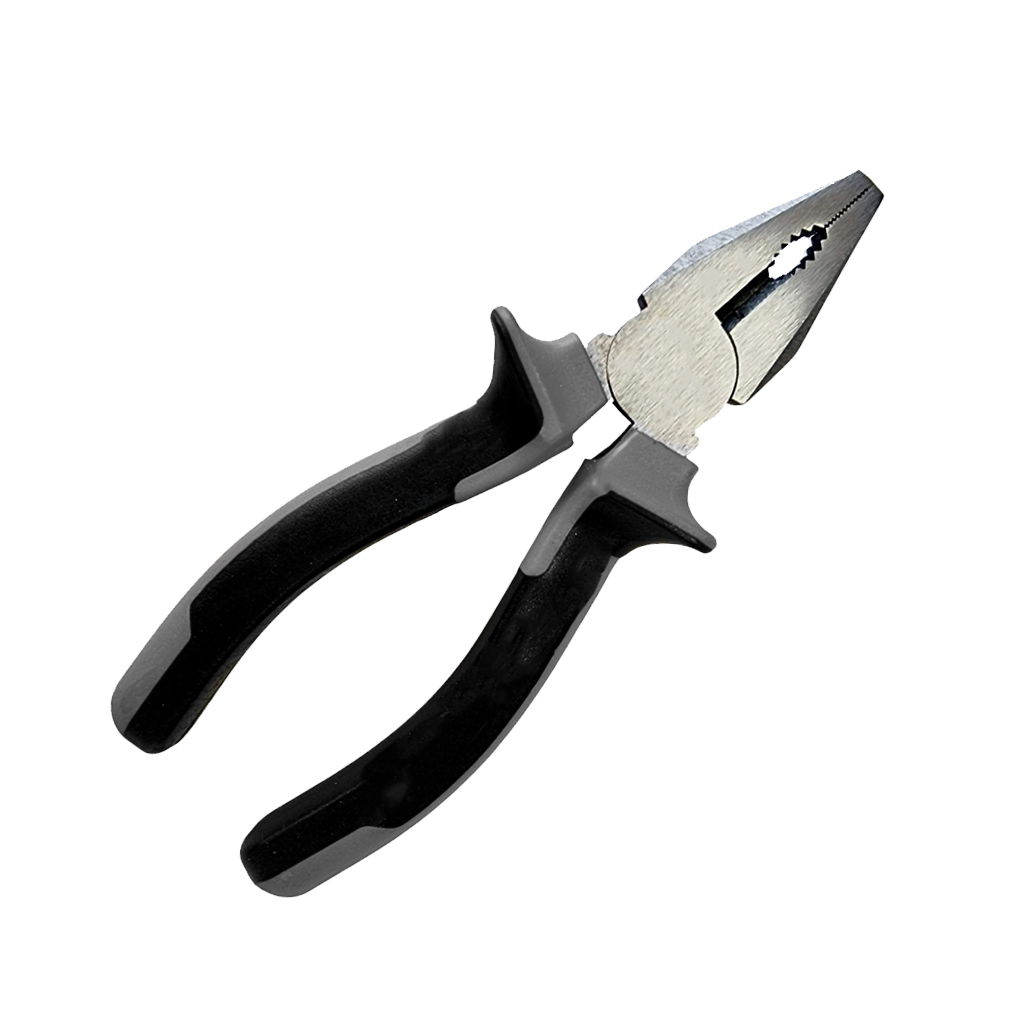
Lineman pliers are heavy-duty pliers made for electricians and tradespeople. They have thick jaws, a strong cutting edge near the pivot, and a wide gripping surface. Lineman pliers are built to twist, cut, and grip large wires and cables.
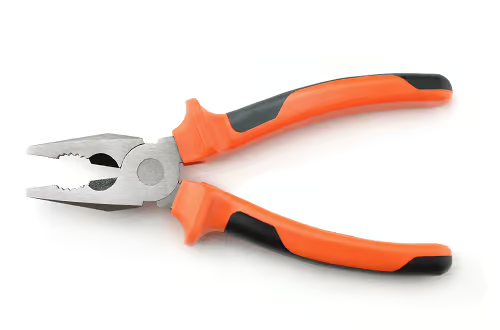
Combination pliers mix gripping and cutting features in a smaller, lighter design. They work well for gripping, bending, and cutting thin wire. Combination pliers are common in household tool kits and light mechanical work.
Both tools look similar at first glance, but their shape, strength, and purpose differ. Knowing the difference helps avoid damage and work slower jobs faster. The phrase lineman pliers vs combination pliers will guide choices for pros and DIYers alike.
Key differences at a glance
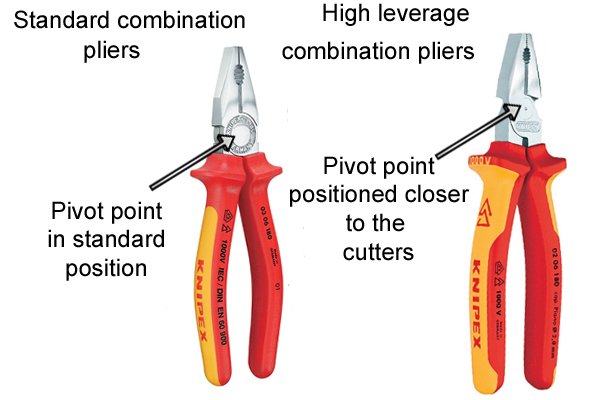
- Jaw shape and size Lineman pliers have broader, squared jaws. Combination pliers have narrower jaws and often a serrated gripping nose.
- Cutting edge Lineman pliers use robust cutting edges for heavy-gauge wire. Combination pliers handle lighter cutting tasks with thinner blades.
- Grip surface Lineman pliers give strong torque with large, flat gripping areas. Combination pliers use finer teeth for small parts and precision hold.
- Length and leverage Lineman pliers are typically longer for more leverage. Combination pliers are shorter and easier to control.
- Insulation and ratings Many lineman pliers come with insulated handles rated for live-work. Combination pliers sometimes have basic grips but fewer high-voltage ratings.
- Typical uses Lineman pliers excel at pulling and twisting wire, cutting thick conductors, and crimping; combination pliers are good for light electrical work, jewelry, and small repairs.
Detailed comparison: functions and features
Cutting performance
Lineman pliers cut heavy wires well. Their cutting edge is thick and placed near the pivot for power. Combination pliers cut thinner wire cleanly but will dull or struggle on heavy gauge.
Gripping and twisting
Lineman pliers are built to twist wire pairs and grip large objects without slipping. Combination pliers offer finer teeth that hold small items better, like screws or thin wire.
Comfort and control
Combination pliers are lighter and feel nimble in hand. Lineman pliers can be heavier, which helps on tough jobs but tires the hand faster on long tasks.
Durability and materials
Lineman pliers often use heat-treated steel and forged heads. Combination pliers may use similar steel but sometimes at a lower weight or hardness. For heavy use, lineman pliers last longer.
Electrical safety
Many lineman pliers meet VDE or IEC standards for insulated tools. Always check the tool’s voltage rating before working near live circuits. Combination pliers often lack high-voltage certification.

When to use lineman pliers vs combination pliers
- Use lineman pliers when you need power Pulling cable, twisting thick conductors, cutting large wire, or crimping heavy rings all call for lineman pliers.
- Use combination pliers for light tasks Snipping small wires, holding tiny parts, or doing quick household fixes are ideal for combination pliers.
- Use both on a job for speed and precision I carry both: lineman pliers for the tough cuts and combination pliers for delicate holds and trimming.
Personal note: on a residential rewire, I used lineman pliers to cut and twist service conductors. Later, I switched to combination pliers for thermostat wires and small connectors. That workflow saved time and kept edges cleaner.

Choosing the right tool: buying and maintenance tips
- Check the size Lineman pliers usually range 8–9 inches; combination pliers often 6–8 inches. Match size to your needs.
- Look for insulation ratings If you work near live wires, pick tools with certified insulation. Always verify the voltage rating.
- Inspect build quality Forged joints, solid rivets, and heat-treated cutting edges last longer. Avoid toys or poorly made copies.
- Try the grip Comfort matters during long jobs. Ergonomic handles reduce fatigue.
- Maintain your pliers Keep jaws clean, oil the pivot lightly, and sharpen or replace cutting edges when dull.
- Use the right tool for the task Avoid cutting hardened steel with combination pliers. That practice dulls blades fast.
Pros and cons
Lineman pliers
- Pros Excellent leverage and cutting power; strong grip for twisting and pulling; durable for heavy jobs.
- Cons Heavier and less precise; can be overkill for small tasks; costlier if insulated.
Combination pliers
- Pros Versatile for light work; compact and easy to control; often cheaper and handy for general use.
- Cons Not designed for heavy-gauge wire; cutting edge dulls quicker; less leverage and crimping ability.

Common mistakes and safety tips
- Mistake Using combination pliers to cut large gauge wire. Result: damaged blade and unsafe cut.
- Tip Match tool to wire size. Use lineman pliers for larger conductors.
- Mistake Assuming insulated handles mean safe for live work. Result: serious hazard.
- Tip Check for safety ratings and use proper PPE.
- Mistake Using pliers as a hammer or pry bar. Result: broken jaws or pivot.
- Tip Use tools only for their intended tasks to extend life and stay safer.
Frequently Asked Questions of lineman pliers vs combination pliers
What is the main difference between lineman pliers vs combination pliers?
The main difference is power versus finesse. Lineman pliers are built for heavy gripping and cutting, while combination pliers are for lighter, more precise tasks.
Can combination pliers replace lineman pliers?
Not reliably. Combination pliers work for small jobs but lack the leverage and cutting strength of lineman pliers for heavy-gauge wires.
Are lineman pliers safe for electrical work?
Many lineman pliers are made with insulated handles and rated for electrical work, but you must verify the certification and never assume all models are safe.
Which pliers are better for DIY home repairs?
Combination pliers are usually better for home repairs due to their size and versatility. Keep a pair of lineman pliers on hand for heavier wiring work.
How should I maintain lineman pliers vs combination pliers?
Clean jaws after use, oil the pivot, and sharpen or replace cutting edges when dull. Store them dry to avoid rust and check insulation regularly.
Do lineman pliers have crimping features?
Some lineman pliers include a crimping slot for connectors. Check the tool’s design if crimping is a required feature.
How do I choose between an 8-inch and a 9-inch lineman plier?
Choose by the amount of leverage you need and hand comfort. A 9-inch plier gives more power but may feel bulky for small hands.
Conclusion
Lineman pliers vs combination pliers is a choice of strength versus versatility. Lineman pliers give power for heavy wires and demanding tasks. Combination pliers offer control for small jobs and everyday fixes. Pick tools that match the work, check safety ratings, and maintain your pliers to make them last.
Takeaway: assemble a small set that includes both tools. Practice safe use, and swap tools as tasks change to save time and avoid damaged gear. If this helped, try one of the recommended plier types on your next project, or leave a comment about your experience with lineman pliers vs combination pliers.