Air nailers deliver raw power and speed; cordless nailers win on portability and convenience.
I have used both air nailer vs cordless nailer systems for years in framing, trim work, and deck building. I know how each tool behaves on a job, what owners regret, and what pros prefer. This guide breaks down performance, cost, maintenance, and real-world use so you can choose the right nailer for your projects.

Air nailer vs cordless nailer: quick comparison and definitions
An air nailer uses compressed air from an air compressor to fire nails. A cordless nailer runs on battery power or gas cells and is free of hoses. Both drive nails quickly, but they differ in power, run time, and setup needs.
- Air nailer strengths
- High power for framing and heavy lumber.
- Fast cycle rate for long jobs.
- Lighter tool weight without battery.
- Cordless nailer strengths
- No hose or compressor, so greater mobility.
- Easier for one-person exterior work or tight spaces.
- Good for quick jobs and remodels.
From my experience, the best choice depends on the job size, work location, and budget. I’ll walk through those details next.

Performance and power
Power and drive force matter. Air nailers typically deliver more consistent power. Compressors provide steady pressure and repeatable nail depth. This makes air nailers the first pick for framing and roofing.
Cordless nailer performance has improved. Modern battery packs and brushless motors drive nails well for finish and trim work. However, battery drain or gas cell depletion can slow work. For heavy framing, cordless units may need recharges more often.
Practical notes
- If you build many frames a day, an air nailer maintains speed and depth.
- If you move around a lot, a cordless nailer reduces trips to refill air lines or move compressors.
- I once finished a full deck with a cordless nailer. It was easy to walk boards, but I kept two batteries on hand to avoid downtime.
Portability, setup, and jobsite logistics
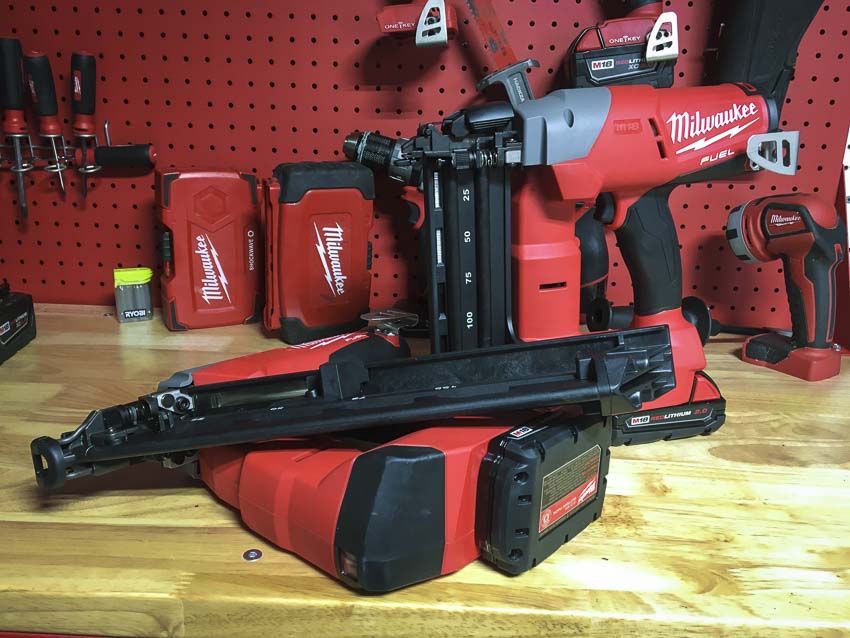
Portability is often the deciding factor. Air nailers require a compressor and hose. That means more gear, extra setup time, and limited reach unless you use long hoses. Cordless nailers are ready to go. They need a charged battery and maybe a gas canister.
Consider these points
- Transport: Cordless wins for small vans and tight jobs.
- Setup time: Air nailers need time to uncoil hoses and check PSI.
- Noise and fumes: Compressors add noise. Gas-powered cordless cells can emit small fumes.
For interior finish work or high-up tasks where dragging hoses is hard, cordless nailers save time and hassle.

Durability, maintenance, and longevity
Both systems need care. Air nailers require hose checks, compressor oil changes, and regulator maintenance. Moisture in the air system can cause rust or jams. Cordless nailers need battery care, firmware updates on advanced models, and occasional motor or gas cell maintenance.
Maintenance checklist
- Air nailer
- Drain compressor tank daily to prevent moisture.
- Check hoses and fittings for leaks.
- Use clip-on oiler or follow tool lubrication schedule.
- Cordless nailer
- Keep batteries charged and stored at moderate temperature.
- Clean the magazine and check seals.
- Replace gas cells as recommended.
I once had a compressor fail mid-job due to neglect. Since then I follow a strict maintenance routine. It keeps air nailers reliable for years.
Cost and total ownership
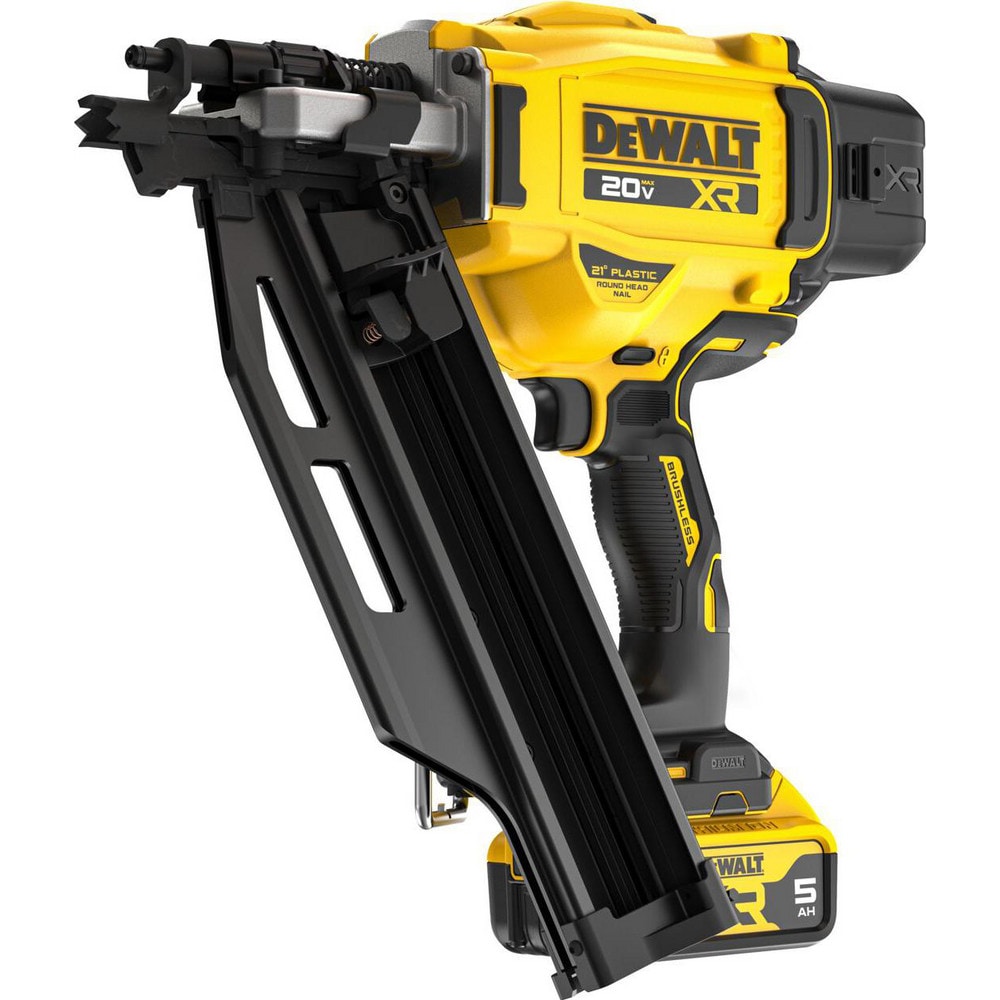
Upfront and running costs differ. An air nailer plus a reliable compressor and hose can be a bigger initial outlay. However, compressors last a long time and compressors power many tools. Cordless units often cost more per tool, and quality batteries add cost. Batteries also wear out and need replacing.
Cost factors to weigh
- Initial investment: Compressor plus air nailer vs cordless nailer plus batteries.
- Consumables: Nails, oil, gas cells, and replacement batteries.
- Resale value: High-end pneumatic tools and compressors hold value well.
If you use nailers daily, the compressor investment pays off. For occasional homeowners or contractors who favor mobility, cordless nailers can be more cost-effective.
Safety and ergonomics
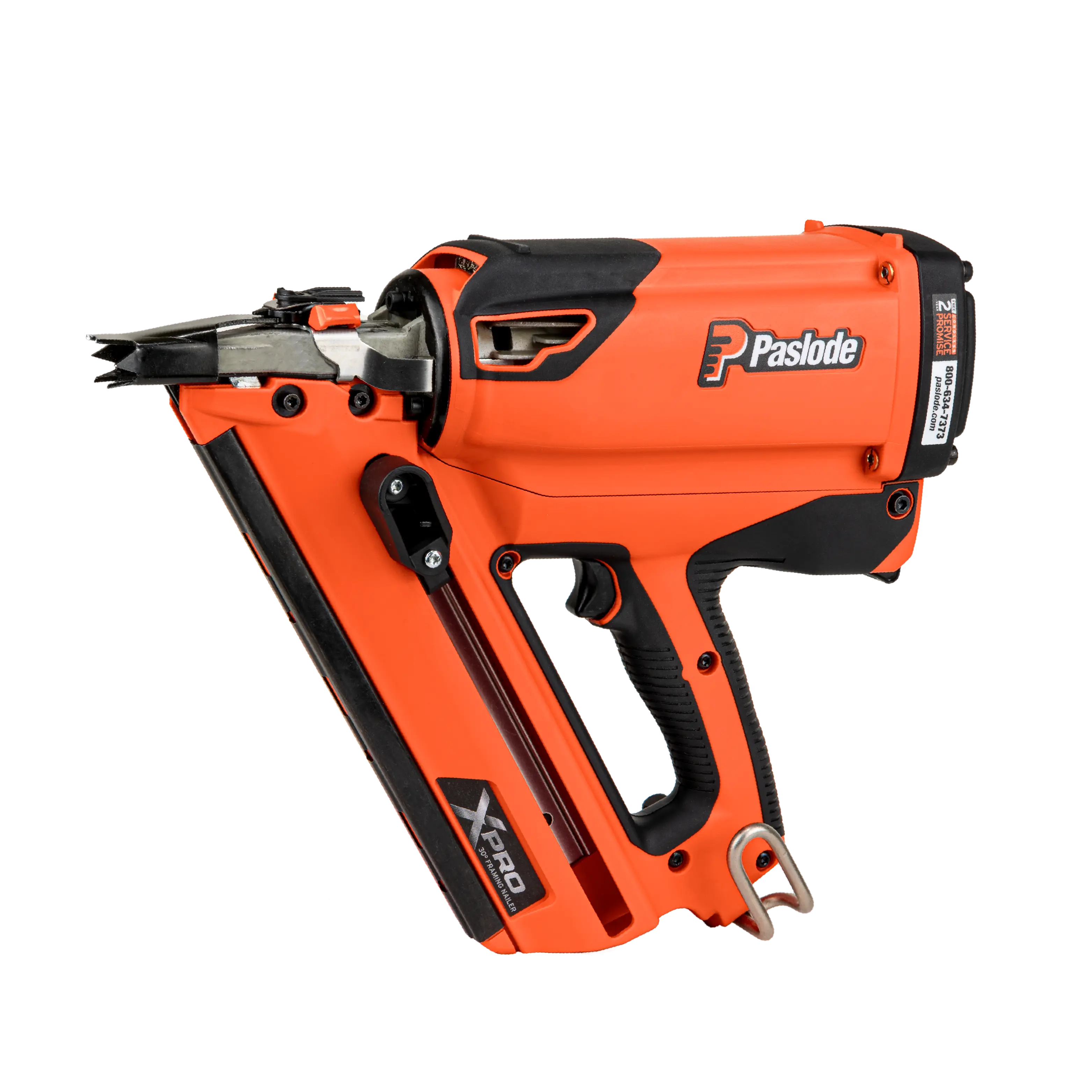
Nailer safety is critical. Both air nailer and cordless nailer models have safety tips, trigger types, and user guards. Reaction recoil and weight distribution affect fatigue. Air nailers can be lighter in the hand since they lack battery weight. Cordless nailers can be heavier up front depending on battery placement.
Safe use tips
- Always point away from people and keep finger off trigger when not firing.
- Use sequential triggers for new users to reduce misfires.
- Wear eye and ear protection. Compressors add noise that may require hearing protection.
I prefer sequential triggers for ladder work. They cut down on accidental shots when I’m balancing.
Best use cases and recommendations
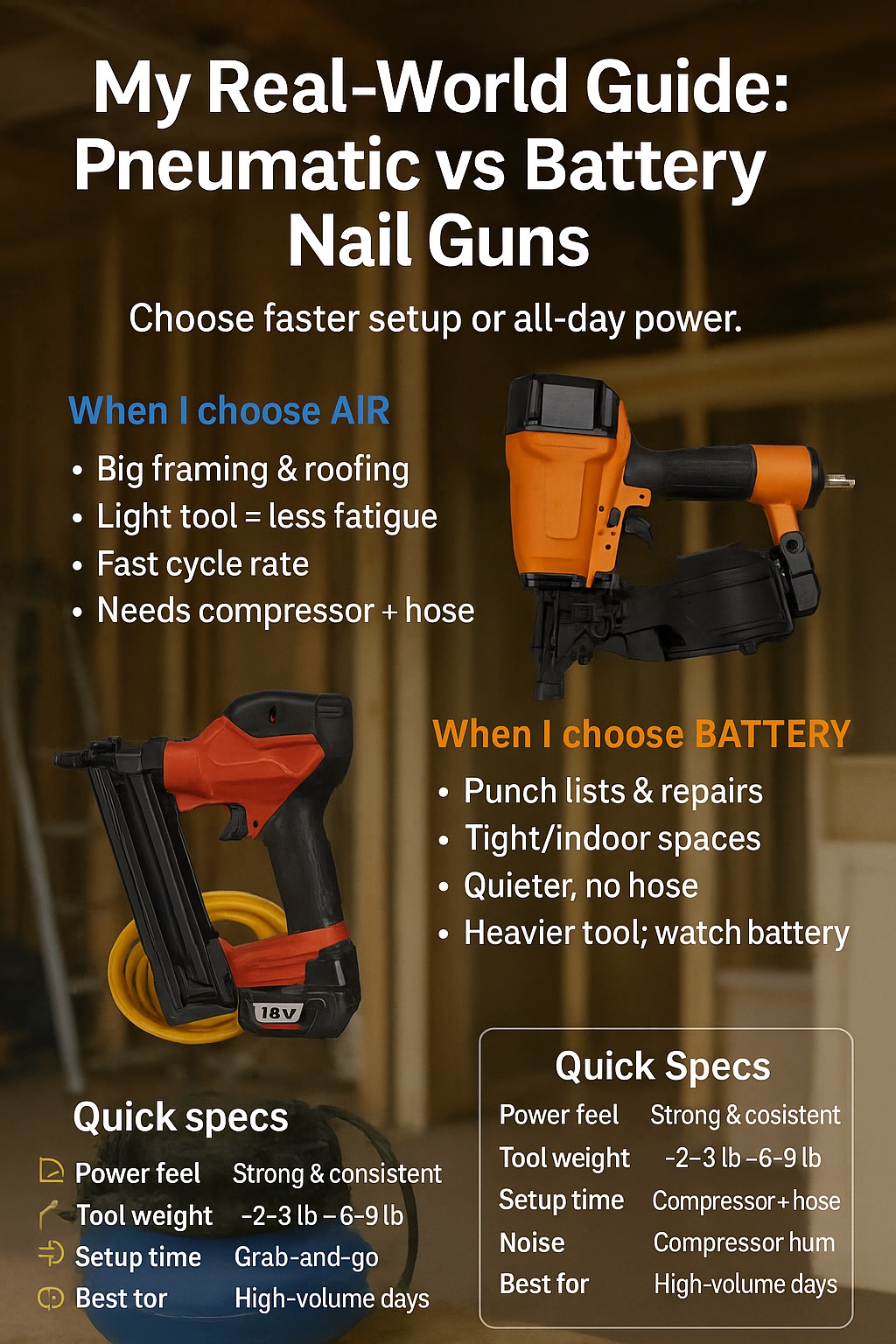
Which tool for which job? Here are practical pairings.
- Framing and heavy carpentry
- Best: Air nailer vs cordless nailer? Air nailer.
- Why: More sustained power and speed for dense wood.
- Finish carpentry and trim
- Best: Cordless nailer.
- Why: Mobility and clean setup beat the compressor.
- Decking and fencing
- Best: Cordless nailer for portability; air nailer if you have compressor on site.
- Renovation and single-room projects
- Best: Cordless for quick mobility and minimal setup.
- Production shops
- Best: Air nailer for efficiency and low per-nail cost.
When in doubt, match the tool to the workflow. For a busy site, an air nailer and a tank compressor work nonstop. For a solo remodeler, a cordless nailer keeps things simple.

Buying tips, features to watch, and troubleshooting
Choose features that suit your work. Look for brushless motors on cordless models. For air nailers, check driving pressure range and compatibility with nail lengths.
Important checklist
- Battery specs: Amp-hour rating and compatibility.
- Magazine capacity: How many nails before reload.
- Depth adjustment: For accurate countersinking.
- Repair parts: Are replacement parts easy to get?
Common fixes
- Jams: Clear nails and check feed blade.
- Misfires: Ensure correct pressure or fresh battery.
- Leaks: Tighten fittings and replace worn seals.
I recommend buying tools with good parts support. It saves time when a spring or gasket wears out.

How long will batteries or compressors last? (PAA-style)
Batteries usually give 2–5 years depending on use and care. Compressors can last a decade with proper maintenance.
Can a cordless nailer match an air nailer's speed? (PAA-style)
Cordless nailers match speed on short runs, but air nailers outpace them in high-volume work due to continuous power.
Are gas cells safe for indoor use? (PAA-style)
Gas cells are generally safe in ventilated spaces. Avoid prolonged use in tight, unventilated areas to limit fumes.
Personal lessons, mistakes to avoid, and pro tips
I learned three clear lessons on job sites. First, always carry a spare battery or two for cordless work. Second, maintain compressors—drain tanks and check oil. Third, match nails to tool specs; the wrong nail type causes jams and damage.
Pro tips
- Keep a compact compressor if you need power and some mobility.
- Use tire-style quick couplers to speed hose moves.
- Test a nailer on scrap wood before each task to set depth.
These small habits keep workflow smooth and reduce costly downtime.
Frequently Asked Questions of air nailer vs cordless nailer
What is the main difference between an air nailer and a cordless nailer?
The main difference is power source: air nailers use compressed air while cordless nailers use batteries or gas. This affects portability, setup, and runtime.
Which nailer is better for framing?
For framing, an air nailer is generally better due to consistent power and higher driving force. It handles dense lumber and long runs more efficiently.
Are cordless nailers reliable for professional work?
Yes, many modern cordless nailers are reliable for professional work, especially for trim and repair tasks. Battery life and backup batteries are important to maintain productivity.
How much maintenance does an air nailer require?
Air nailers need routine compressor checks, moisture draining, hose inspections, and tool lubrication. Regular care prevents jams and extends tool life.
Can I use the same nails in both types of nailers?
Not always. Check manufacturer specs for nail type and size compatibility. Using incorrect nails can cause jams or tool damage.
Conclusion
Air nailer vs cordless nailer comes down to trade-offs. Air nailers offer raw power and endless runtime with a compressor. Cordless nailers give freedom, less setup, and growing performance for many tasks. Choose based on your project size, mobility needs, and budget.
Pick one that fits your workflow, or keep both if you switch between heavy framing and detailed trim work. Try the tools in person if possible, and keep spare batteries or a well-maintained compressor on hand. If this helped, try a small test project with your chosen nailer and share your results or questions below.