Drain bladder forces high water pressure; drain snake breaks and pulls clogs mechanically.
I’ve spent years fixing sinks and clearing pipes. This guide compares drain bladder vs drain snake in clear terms. You will learn how each tool works, when to choose one, safety tips, costs, and real-world pros and cons. My hands-on experience with both tools and common plumbing scenarios will help you pick the right option for your home or job.
How drain bladder vs drain snake work
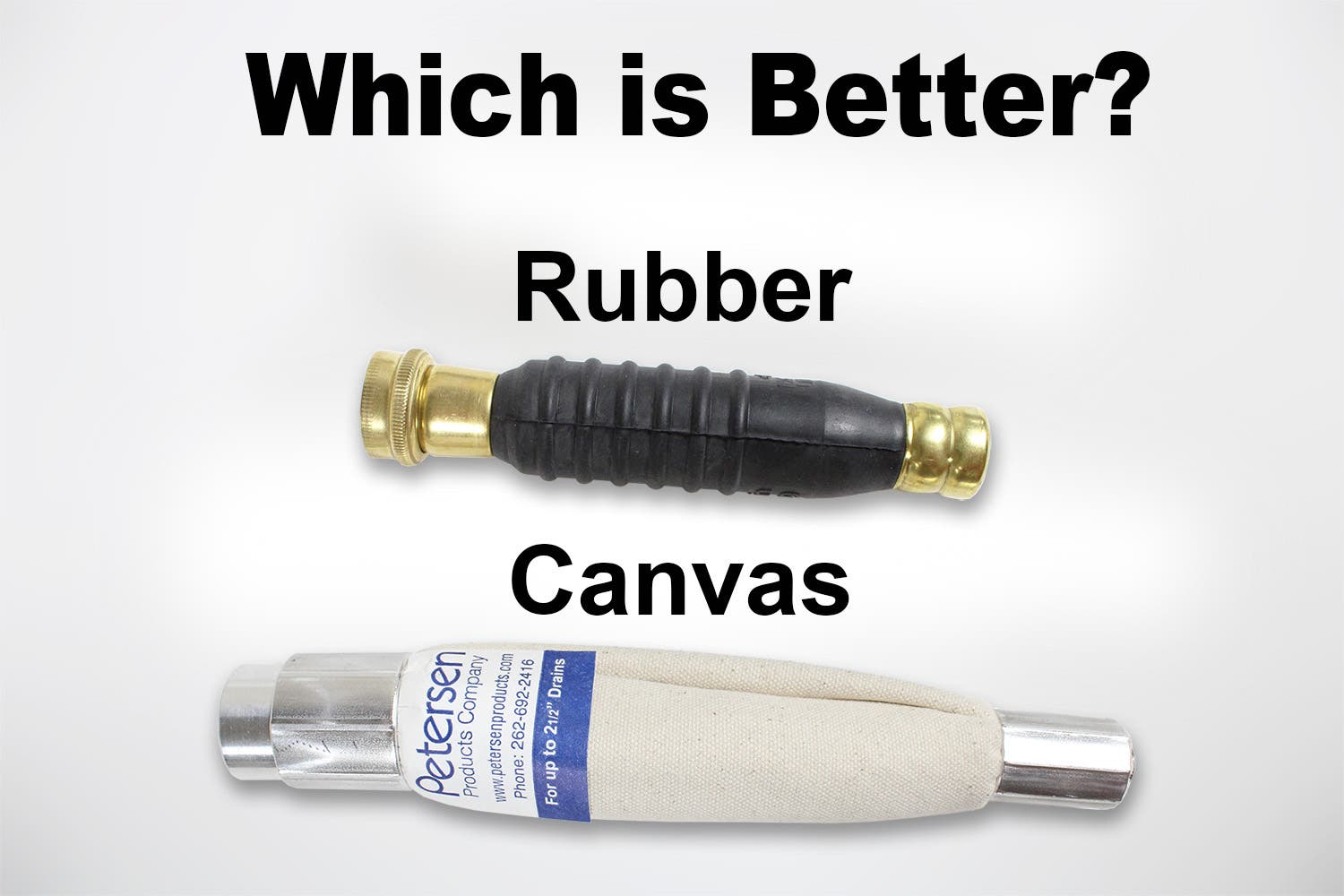
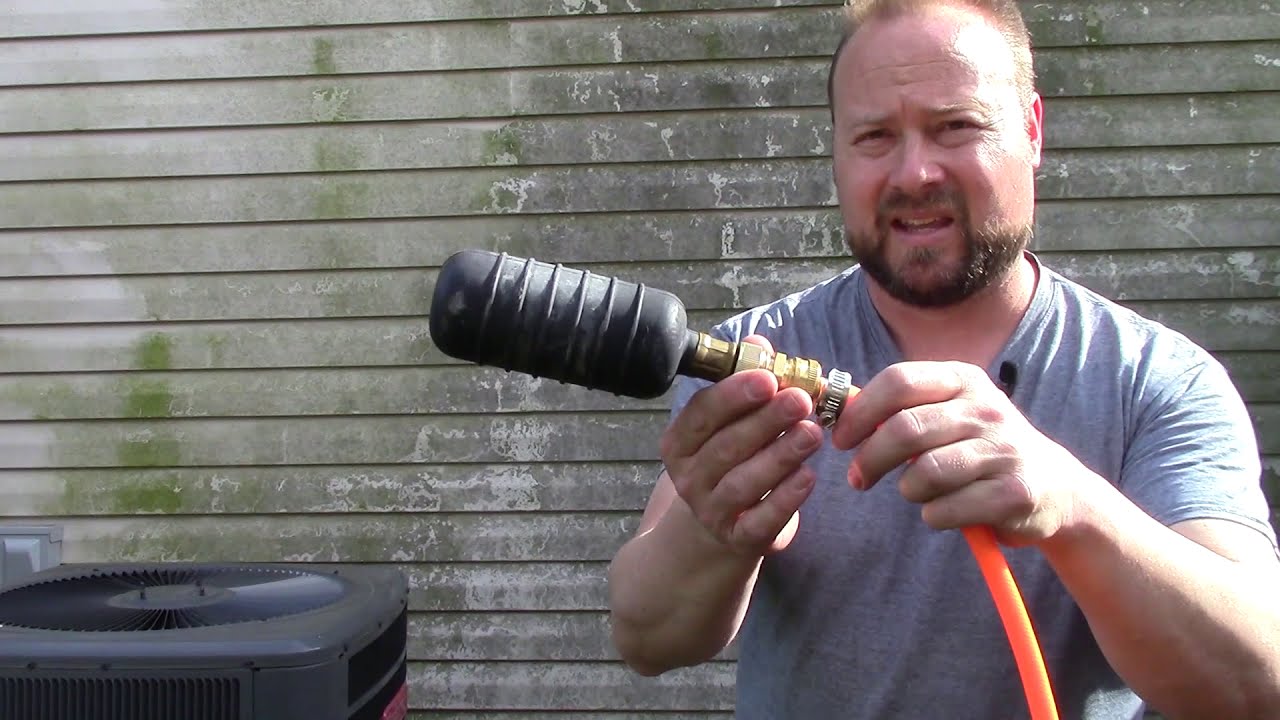
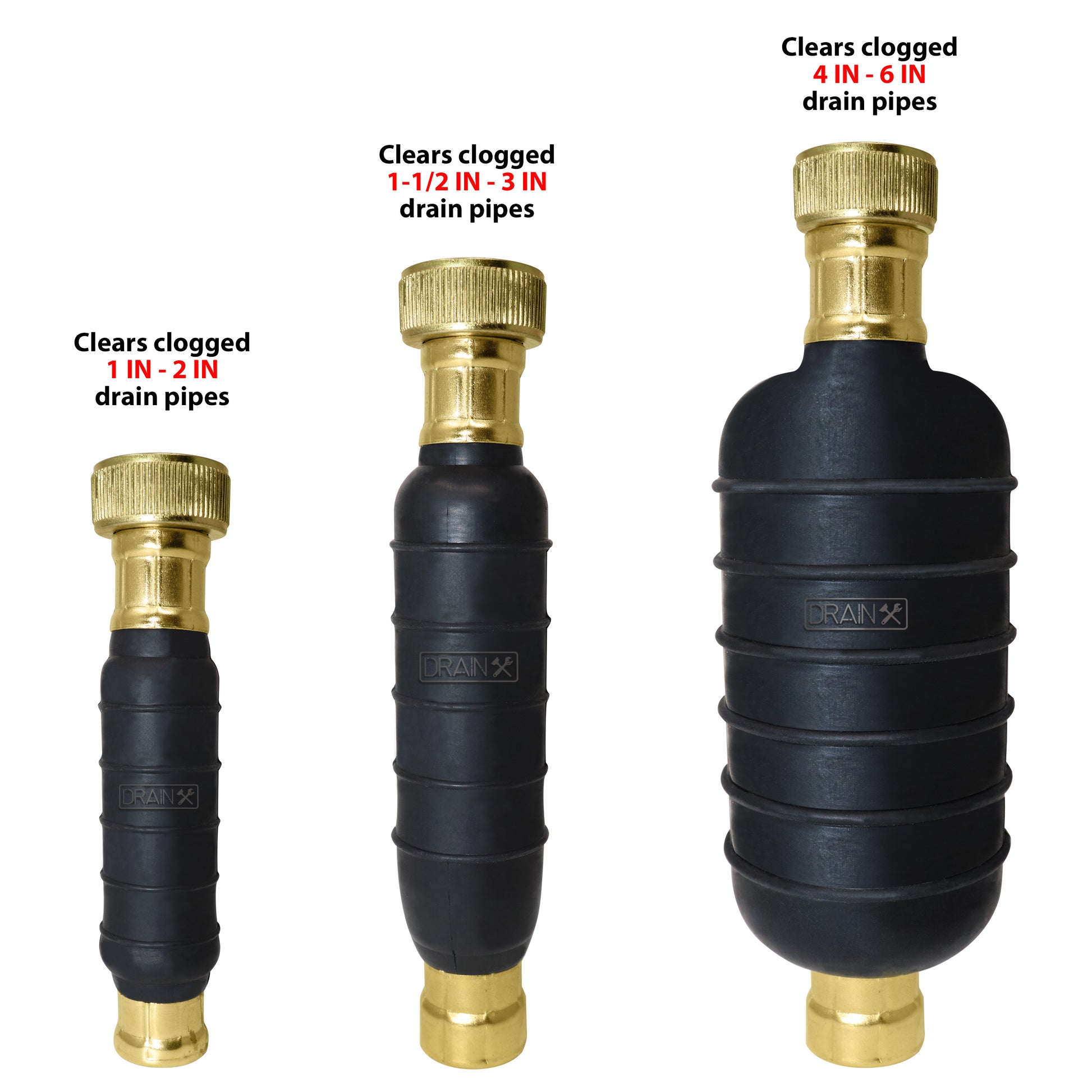
A drain bladder is a rubber bladder that fits over a garden hose. When you turn on the hose, the bladder inflates and forces water into the clog. The burst of pressure can push soft clogs down the line or loosen debris.
A drain snake, also called a plumber’s snake or auger, is a flexible steel cable. You feed it into the pipe and turn the handle. The snake breaks up or hooks and pulls out hair, grease, and other solid blockages.
Both tools attack clogs differently. The drain bladder uses pressure. The drain snake uses mechanical force and direct contact. Use pressure for soft, close clogs. Use a snake for firm, fibrous, or near-trap blockages.

Pros and cons: drain bladder
Pros
- Fast for soft blockages like toilet paper, mud, or small grease build-up.
- Cheap and simple to use with a hose.
- Less messy when it clears a clog at once.
Cons
- Not effective on hard objects or tangled hair.
- Can stress older pipes and fittings with high pressure.
- Risk of pushing clogs farther into the system, complicating repair.
Real-world tip: I used a drain bladder to clear a laundry line clogged with soap build-up. It worked within minutes. But I avoid it on brittle or ancient cast-iron pipes.
Pros and cons: drain snake
Pros
- Works on hair, roots, and solid obstructions.
- Gives direct control to hook and pull clogs out.
- Available in many lengths and types, from hand augers to powered snakes.
Cons
- Slower and more physically demanding.
- Can scratch or damage fragile pipes if misused.
- Needs cleaning and care after use to avoid rust and odor.
Real-world tip: I once removed a rag from a kitchen trap with a hand snake. It took patience, but the clog came out intact. I always wear gloves and eye protection when snaking.
When to choose drain bladder vs drain snake
Choose a drain bladder when:
- The clog feels loose or recent.
- You want a quick test or temporary fix.
- Pipes are modern and rated for pressure.
Choose a drain snake when:
- You face hair, roots, or a solid object.
- The clog resists pressure or returns repeatedly.
- You need to inspect or retrieve material from the pipe.
If you’re unsure, start with a snake for the trap and visible areas. If that fails, a controlled bladder attempt may finish the job. Avoid pressure in fragile or unknown pipe systems.
PAA-style questions
Will a drain bladder damage pipes?
A drain bladder can damage old or cracked pipes if pressure is too high. Use gentle settings and avoid on unknown or antique plumbing.
Is a drain snake better for hair clogs?
Yes. A drain snake physically grabs and removes hair that pressure tools often only push farther down. A snake is usually the first choice for bathroom drains.
Can I use a drain bladder on a toilet?
You can, but take care. A toilet bladder designed for toilets is required to avoid overflow and to create a good seal.

How to use each tool safely (step-by-step)
Using a drain bladder safely
- Clear visible debris from the drain opening.
- Attach the bladder to a garden hose and fit it snugly in the drain.
- Turn water on slowly, monitor seals, and stop if you see leaks.
- Run for short bursts, then test the drain flow and repeat if needed.
- Turn off water and remove the bladder carefully.
Using a drain snake safely
- Wear gloves and eye protection.
- Feed the snake slowly into the drain until resistance is met.
- Rotate the handle clockwise to break or hook the clog.
- Withdraw slowly while keeping tension; clean the cable as you go.
- Run water to flush small debris and re-check for leaks.
Common safety notes
- Never use a drain bladder on a clogged vent or near fixtures that may leak.
- Avoid combining chemical cleaners with a snake or bladder; chemicals can splash and burn.

Cost, availability, and types
Cost and buying tips
- Inexpensive hand snakes and basic drain bladders start under $20.
- Heavy-duty powered augers and pro-grade bladders cost $100–$400.
- Rent longer snakes or commercial bladders if you face deep or tough clogs.
Types to consider
- Toilet-specific bladders for seal fit.
- Hand auger (3–6 feet) for sink traps.
- Closet auger for toilets.
- Power snakes for long runs and mainline work.
My recommendation: Keep a small hand snake and a basic bladder in your toolkit. They cover most household clogs affordably.

Maintenance and care for both tools
Drain bladder care
- Rinse and dry after use.
- Store deflated and away from sharp objects.
- Inspect for cracks before each use.
Drain snake care
- Clean with water and mild detergent after use.
- Lubricate with light oil to prevent rust.
- Inspect the tip and cable for wear or kinks.
Proper care extends tool life. I learned this after letting a cheap snake rust and fail. Regular cleaning saved me money later.

Real-world scenarios and decision guide
Scenario: Slow bathroom sink with hair
- Start with a hand snake to pull hair from the trap.
- If the snake won’t reach or fails, try a bladder to clear softened debris.
Scenario: Laundry drain backups after heavy rains
- Use a bladder to push out soft, sediment clogs.
- If problems persist, a long auger or professional rooter may be needed.
Scenario: Toilet clogged with paper only
- A toilet bladder often clears this fast.
- If the bladder fails, use a toilet auger or call a pro.
Decision checklist
- Is the clog solid or soft?
- Can you access the trap?
- Are your pipes modern and pressure-safe?
- Do you want a DIY fix or professional help?
Personal lessons and tips from experience
I once used only a bladder for recurring hair clogs. The clog returned. Lesson: hair needs mechanical removal. I also once pushed a clog deeper with too much bladder pressure. That led to a camera inspection and pro intervention. Lesson: test gently and know when to stop.
Quick tips I use on every job
- Try the least invasive method first.
- Protect floors and wear gloves.
- Keep a camera or pick handy for inspection.
- Rent professional gear for deep or stubborn blockages.
Frequently Asked Questions of drain bladder vs drain snake
What is the main difference between a drain bladder and a drain snake?
A drain bladder uses water pressure to push or loosen soft clogs, while a drain snake mechanically breaks up or pulls out solid obstructions. Each tool targets different clog types and situations.
Can a drain bladder remove hair clogs?
A drain bladder may move or soften hair clumps, but it rarely removes tangled hair as effectively as a snake. Mechanical removal is usually necessary for hair.
Is a drain snake harder to use than a drain bladder?
A drain snake requires more manual control and patience, but it gives direct access to the clog. A bladder is easier to set up but needs careful pressure control.
Will a drain bladder work on outdoor mainline clogs?
A bladder can help in some outdoor mainline cases but is limited by pipe size and clog type. For deep or root-filled mains, professional equipment is often required.
Do either tool void my home warranty or damage pipes?
Improper use of either tool can cause damage, especially in old or fragile plumbing, and may affect warranties. Always check pipe condition and manufacturer recommendations before use.
When should I call a professional instead of DIYing?
Call a professional if you suspect pipe damage, if clogs are persistent after DIY attempts, or if clogs are deep in the main line. Professionals have cameras and heavy equipment for safe, thorough work.
Conclusion
This comparison clarifies when to pick a drain bladder vs drain snake. Use a bladder for quick pressure-based fixes on soft clogs. Use a snake for hair, roots, and solid obstructions that need direct removal. Start with the least invasive option, follow safety steps, and know when to call a professional.
Take action today: inspect your pipes, buy a basic snake and bladder, and practice safe use on minor clogs. Share your experiences or questions in the comments and subscribe for more practical plumbing tips.