Needle nose pliers vs slip joint pliers: needle nose for precision, slip joint for general gripping and leverage.
I have worked with tools for years and I use both needle nose pliers vs slip joint pliers every week. This guide breaks down their design, uses, pros, and limits in plain terms. I will show when to pick needle nose pliers vs slip joint pliers, common mistakes, and buying tips based on hands-on experience. Read on to pick the right plier for the job and save time and effort.

What are needle nose pliers vs slip joint pliers?
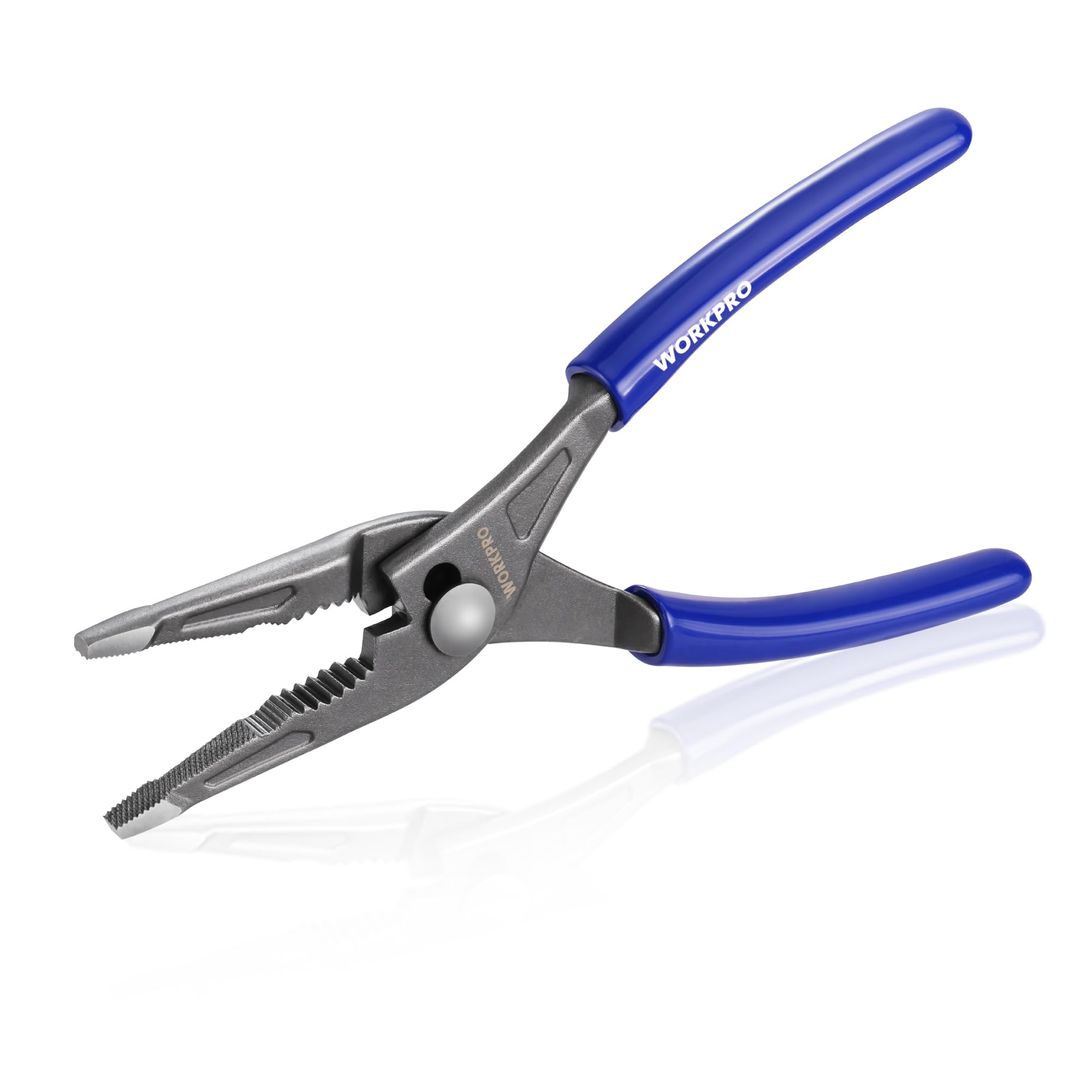
Needle nose pliers are long, thin-jawed pliers made for reach and fine work. They let you grip small parts, bend wire, and reach tight spots. I use needle nose pliers for electronics and tiny repairs every day.
Slip joint pliers have an adjustable pivot. The pivot gives two jaw widths. They grip pipes, bolts, and larger items. Slip joint pliers are a go-to for general home tasks and quick fixes.

Design and features comparison
Needle nose pliers vs slip joint pliers differ in shape and function. Here are the key design points to note:
- Jaw shape: Needle nose pliers have tapered, slender jaws for precision. Slip joint pliers have wider, flatter jaws for broad grip.
- Jaw length: Needle nose jaws are long and narrow for reach. Slip joint jaws are shorter and bulkier for force.
- Pivot type: Needle nose pliers use a fixed pivot for steady control. Slip joint pliers use a sliding pivot to change jaw span.
- Teeth and cutting: Many needle nose pliers include a small cutter near the pivot. Slip joint pliers often have larger cutting edges or none, depending on the model.
- Handle and comfort: Both come with padded handles. Choose grips that fit your hand for long jobs.
- Materials and hardness: Both are usually forged steel with heat-treated jaws. Higher-end models use chrome vanadium or alloy steel.

Practical uses and applications
Use needle nose pliers when you need reach, accuracy, or delicate handling. Typical tasks include:
- Grabbing small wires in electronics
- Forming loops in jewelry or crafts
- Reaching behind panels or into tight housings
- Holding a tiny part steady while soldering
Use slip joint pliers when you need broad grip or adjustability. Typical tasks include:
- Tightening or loosening small nuts and bolts
- Holding pipes or rounded objects
- Bending thicker wire or sheet metal
- Quick household repairs where size varies
I recommend keeping a pair of needle nose pliers and a pair of slip joint pliers in every basic tool kit. In my shop, needle nose pliers handle detail work and slip joint pliers take on general chores.
Quick practical questions
Can needle nose pliers cut wire?
Yes, many needle nose pliers include a small cutting edge near the pivot that cuts light wire. For thicker wire use a wire cutter or slip joint with a sturdy cutter.
Are slip joint pliers good for plumbing?
Slip joint pliers can handle light plumbing tasks and grips on pipes. For heavy plumbing work choose channel-lock or pipe wrenches instead.
Advantages and limitations
Here is a clear view of pros and cons for needle nose pliers vs slip joint pliers.
Needle nose pliers advantages:
- Precision for small parts and tight spots.
- Good for bending and shaping wire.
- Often include fine cutters for thin wire.
Needle nose pliers limitations:
- Low leverage for heavy tasks.
- Tips can deform under high load.
- Not ideal for gripping large objects.
Slip joint pliers advantages:
- Adjustable jaw width for multiple sizes.
- Stronger grip and higher leverage.
- Good general-purpose tool for many home tasks.
Slip joint pliers limitations:
- Less precise for small or close-in work.
- Bulkier jaws can slip on small parts.
- Not suited for very tight spaces.

How to choose between needle nose pliers vs slip joint pliers
Pick based on task, space, and force needs. Use these quick tips:
- If you work with electronics, jewelry, or small fasteners, choose needle nose pliers vs slip joint pliers for reach and accuracy.
- If you need grip range, leverage, or general repairs, choose slip joint pliers.
- Buy quality steel and a comfortable handle. A bad grip makes any task harder.
- Consider sets that include both. They cover most tasks well.
- Check for a cutter if you plan to cut wire often.
From my experience, a mid-priced pair of needle nose pliers and a solid pair of slip joint pliers will cover 90 percent of home and hobby needs.

Care, maintenance, and common mistakes
Keep pliers working well with a few simple steps:
- Clean after use. Wipe away grime and dry metal parts.
- Lubricate the pivot once in a while with light oil.
- Store in a dry place to stop rust.
- Avoid using needle nose pliers as a hammer or heavy wrench.
- Do not force the tip of needle nose pliers on hard bolts. Use the right tool instead.
Common mistakes I have seen:
- Using needle nose pliers on thick bolts and rounding the jaws.
- Using slip joint pliers to cut hardened wire and dulling the edge.
- Not locking the pivot on slip joint pliers and causing slippage.
Personal experiences and pro tips
I have used needle nose pliers vs slip joint pliers for repairs, builds, and emergency fixes. A few things I learned:
- Keep a small pair of needle nose pliers in your electronics box. They save time.
- Use slip joint pliers for quick size changes when you need speed over precision.
- For long jobs, choose pliers with ergonomic handles to avoid hand fatigue.
- If tips of needle nose pliers feel weak, swap to a reinforced or longer-nosed model.
One story: I once tried to bend a steel pin with needle nose pliers. The tip bent. After that I always match the plier type to the job. That lesson saved me money and time.
Frequently Asked Questions of needle nose pliers vs slip joint pliers
What is the main difference between needle nose pliers vs slip joint pliers?
The main difference is shape and purpose. Needle nose pliers have long, narrow jaws for precise work; slip joint pliers have an adjustable pivot and wider jaws for general gripping.
Can I use needle nose pliers vs slip joint pliers interchangeably?
You can use them sometimes, but not always. Use needle nose pliers for tight spaces and small parts, and slip joint pliers when you need force or adjustability.
Which pliers are better for electronics work?
Needle nose pliers are better for electronics because they reach into small spaces and hold fine wires with care. Slip joint pliers are too bulky for most circuit tasks.
How do I maintain my needle nose pliers vs slip joint pliers?
Wipe them clean, oil the pivot, and store dry. Avoid cutting hardened wire with pliers not meant for cutting to keep edges sharp.
Are slip joint pliers good for outdoor work?
Yes, slip joint pliers handle many outdoor tasks like fixing fences or gripping pipes. For heavy outdoor jobs, stronger locking pliers or wrenches may be needed.
Conclusion
Needle nose pliers vs slip joint pliers serve different but complementary roles. Needle nose pliers win at precision and reach, while slip joint pliers win at grip and adjustability. Choose based on the task, and keep both on hand for best results. Try buying a quality pair of each and test them on common projects to learn their strengths. If this guide helped, leave a comment or subscribe for more tool tips and buying advice.